The DIY Question
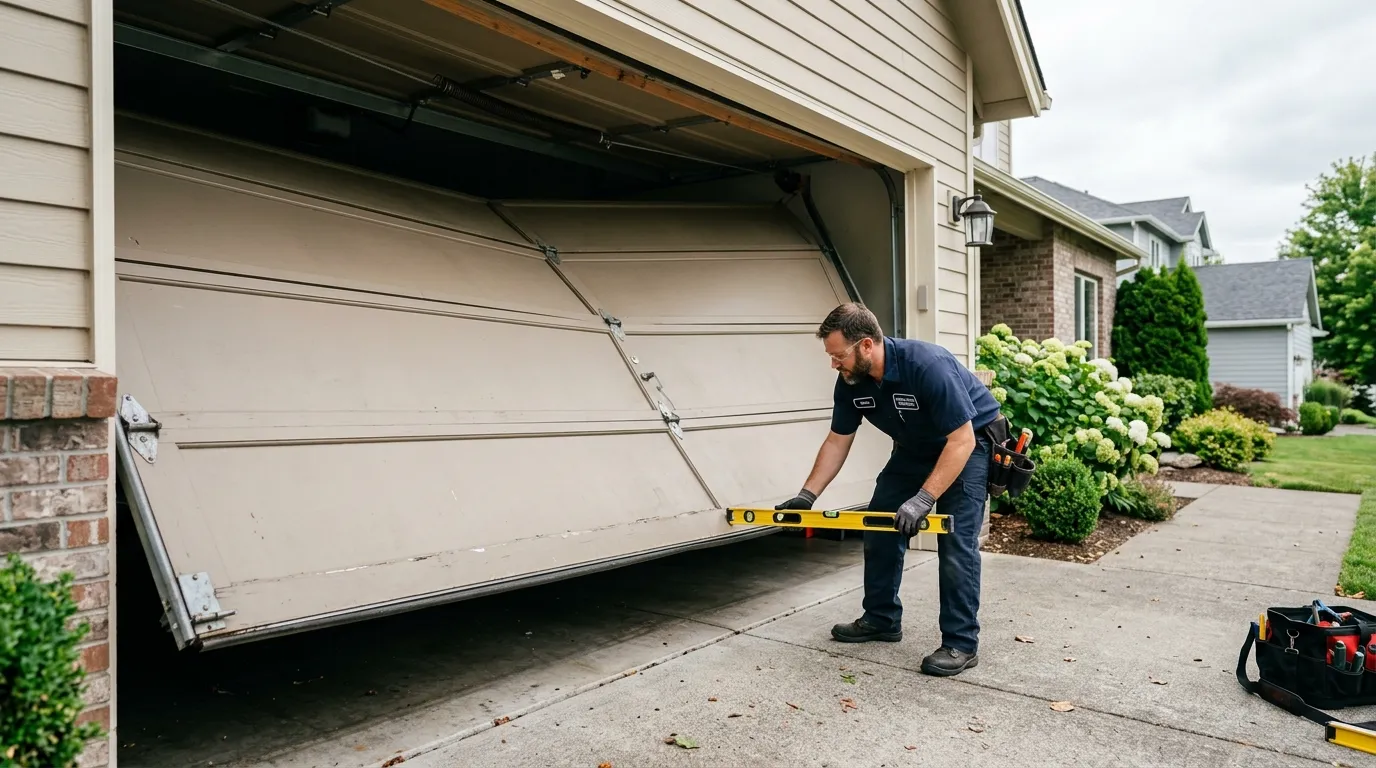
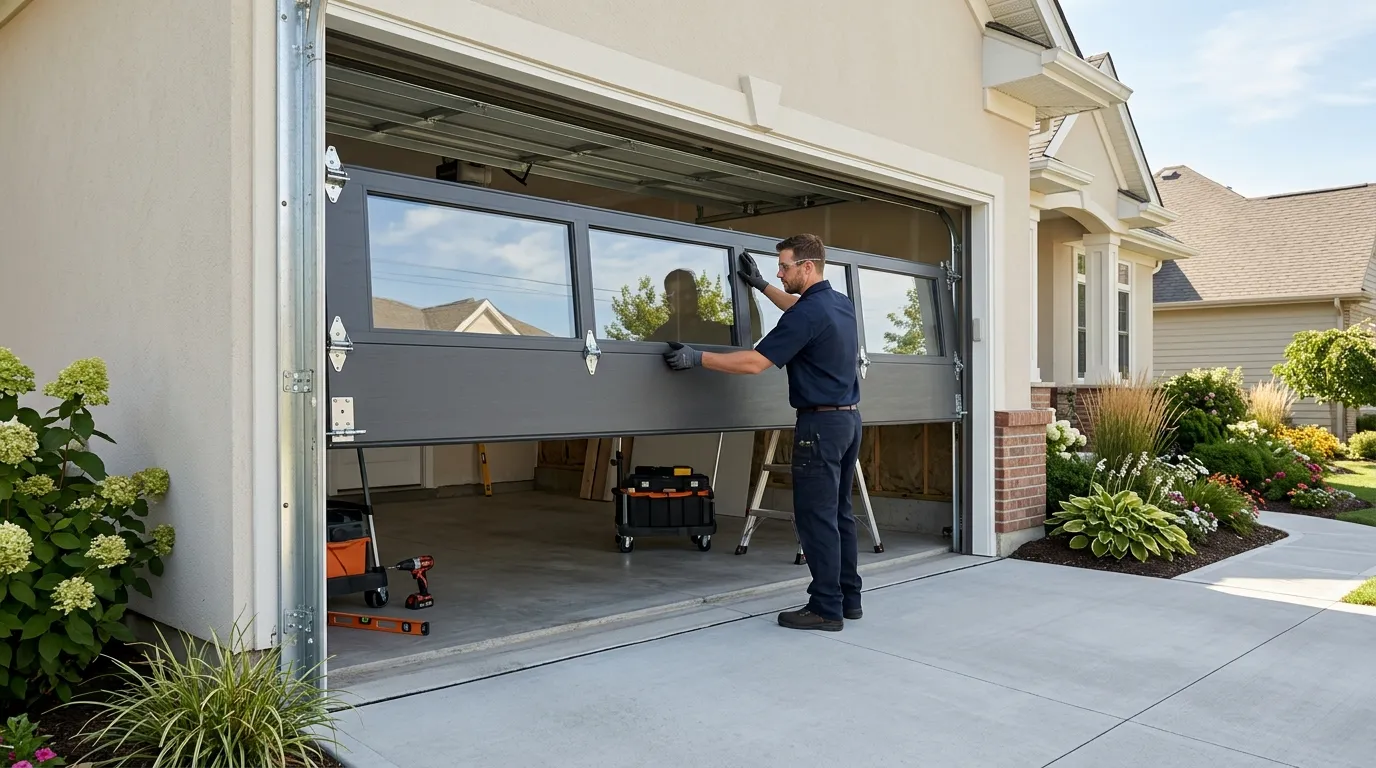
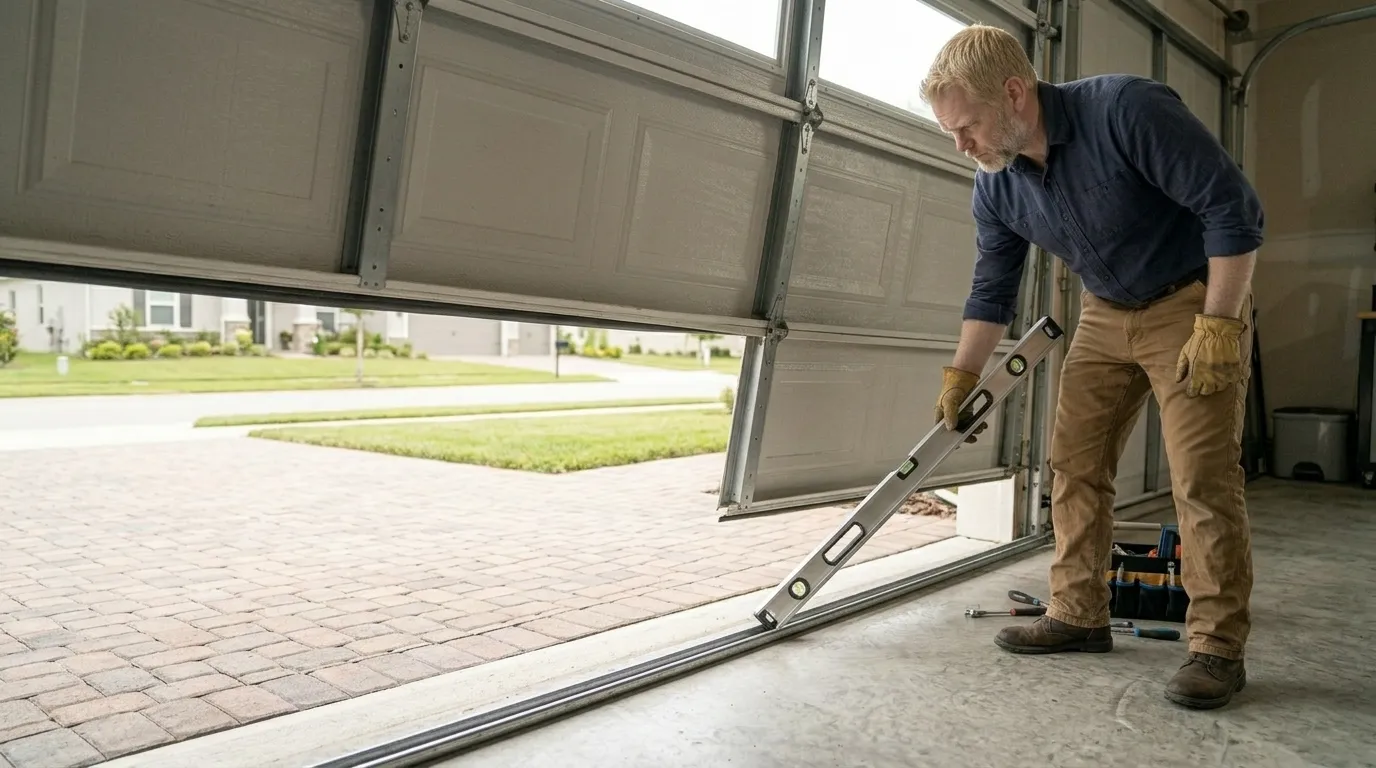
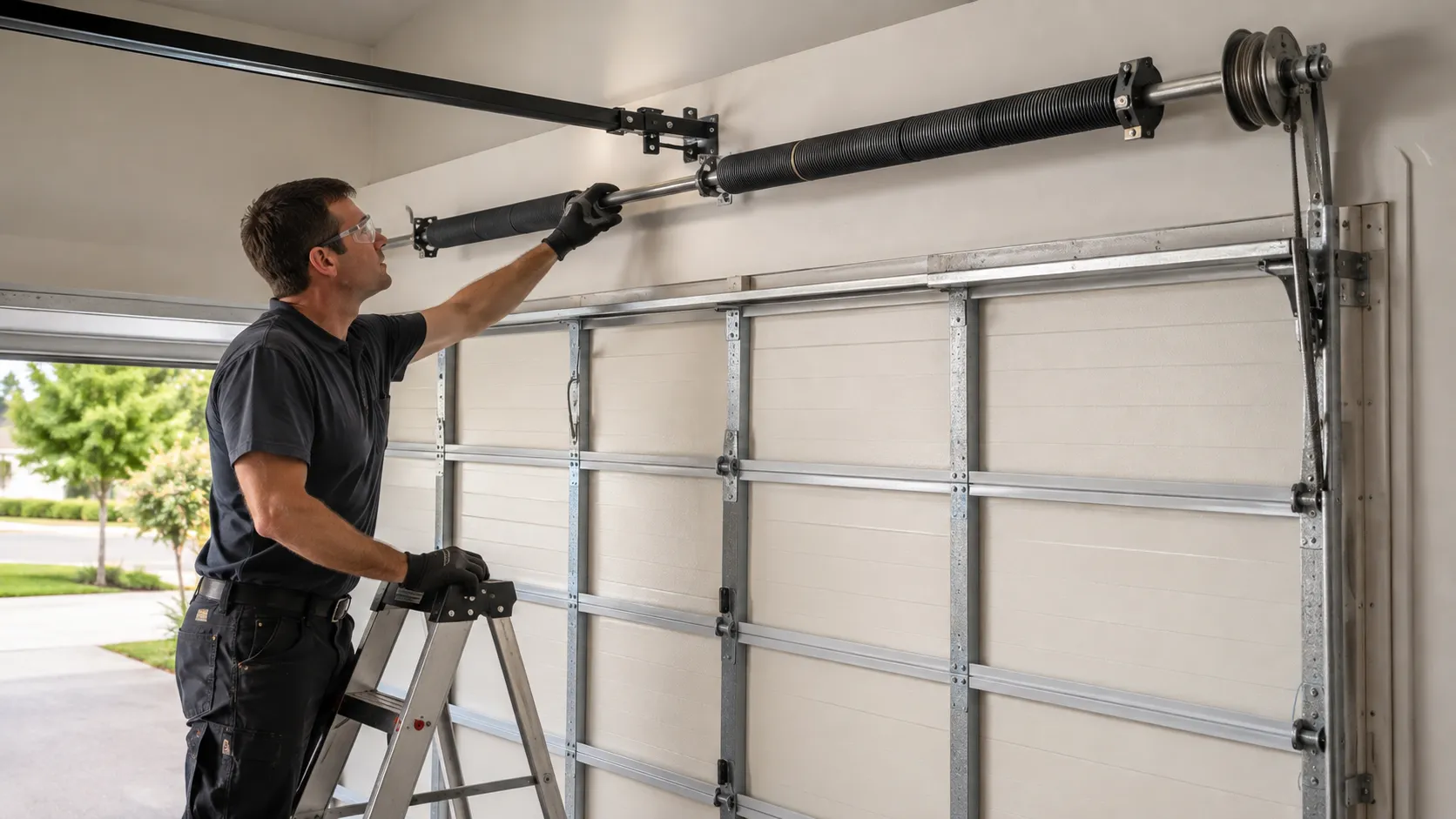
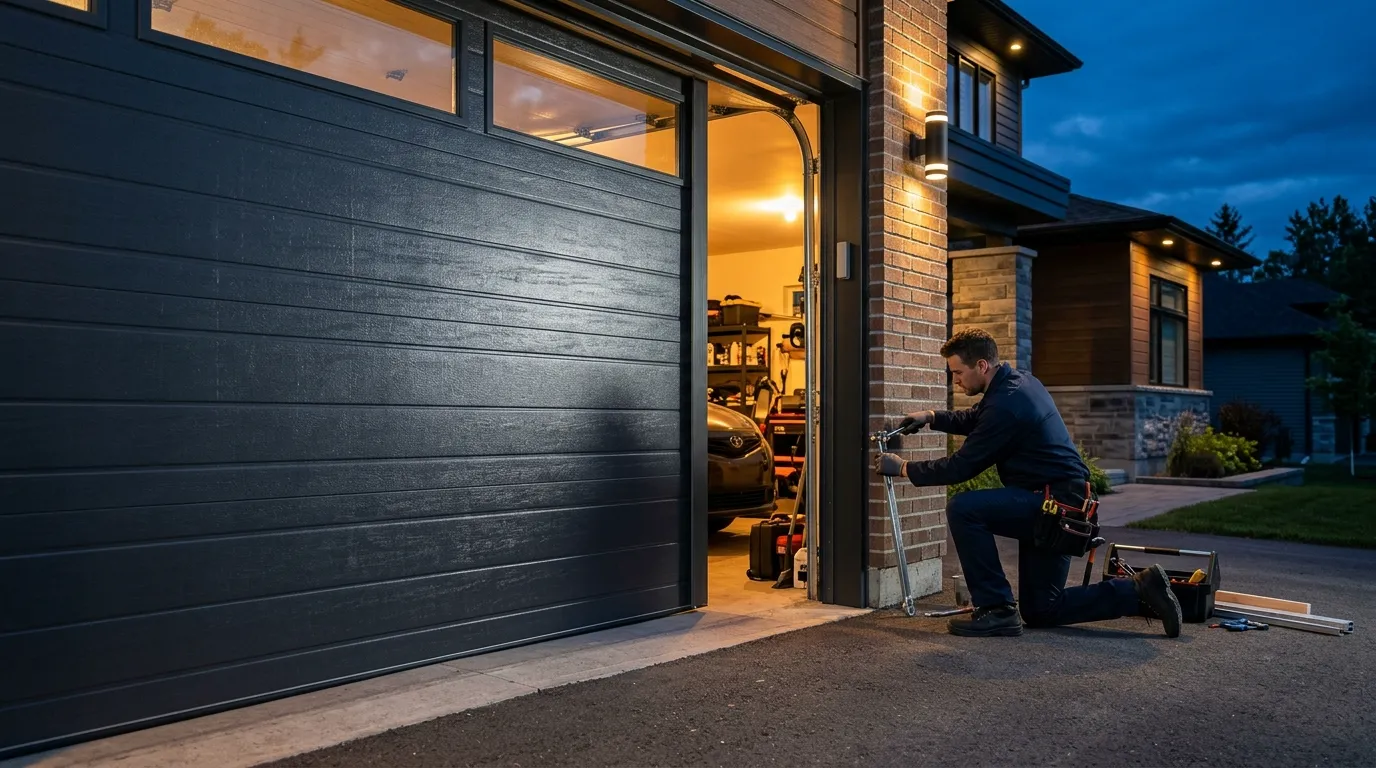
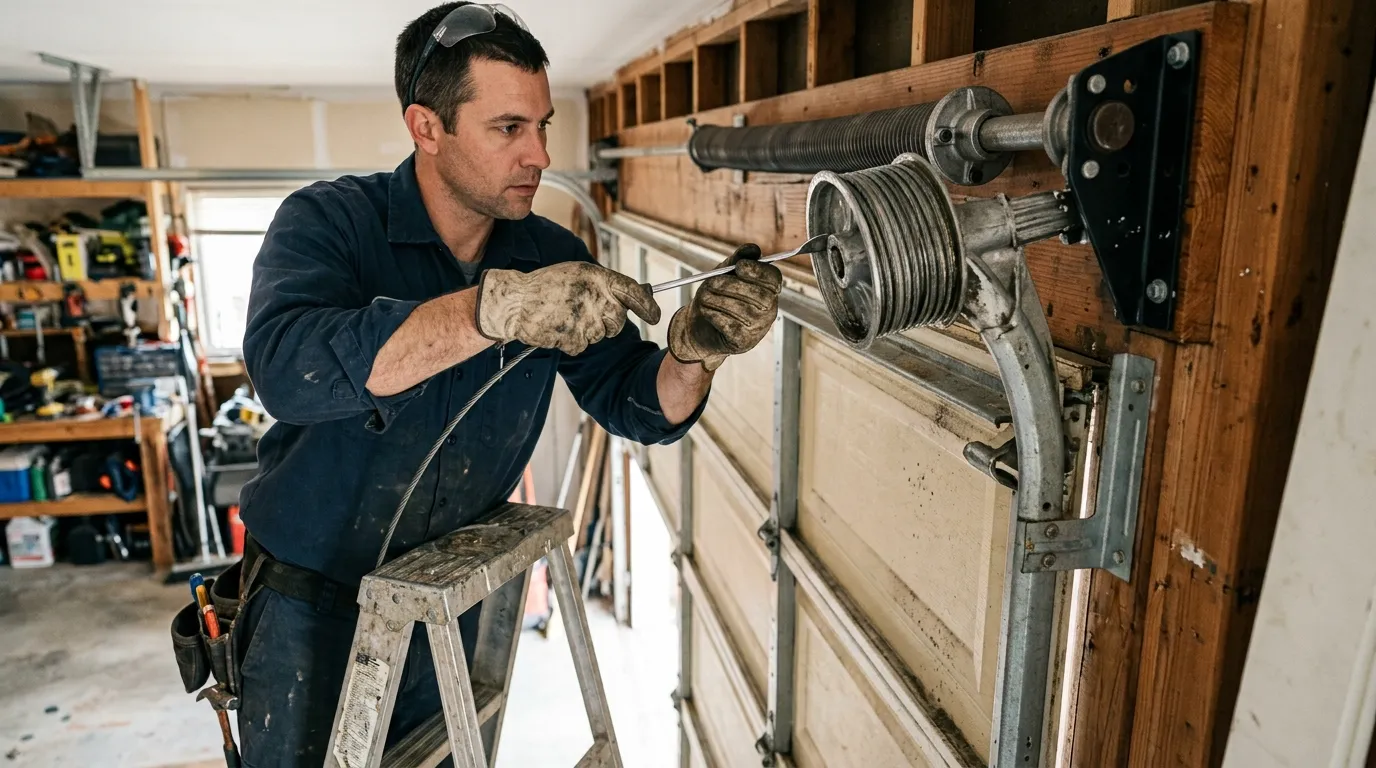
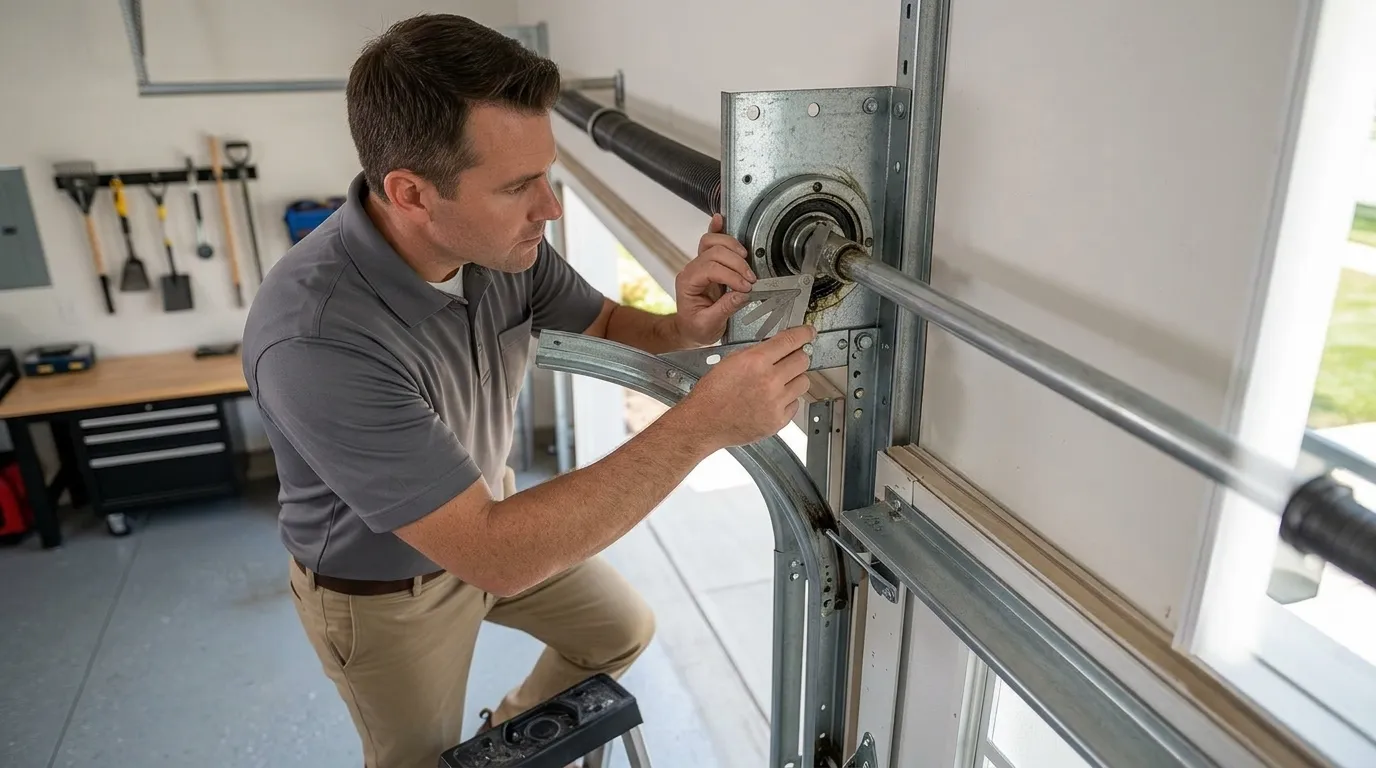
A garage door cable is under real tension the moment the spring is wound, and that tension doesn't go away just because the cable is broken - it's still sitting on the drum or coiled around the spring. Swapping a cable yourself means working next to a loaded torsion spring, and that's not a job to learn on your own door. If the door is already down and stays down, and nobody in the house tries to force the opener, it's safe to leave alone until a tech gets there. What you shouldn't do is disconnect the opener and try to muscle the door up by hand - with one cable gone, the door can drop unevenly and the remaining cable or spring can let go without warning. We'll say plainly: this is one repair where doing it yourself costs more than it saves, both in parts and in the chance of a hand or a finger getting caught.
Why It Happens Here
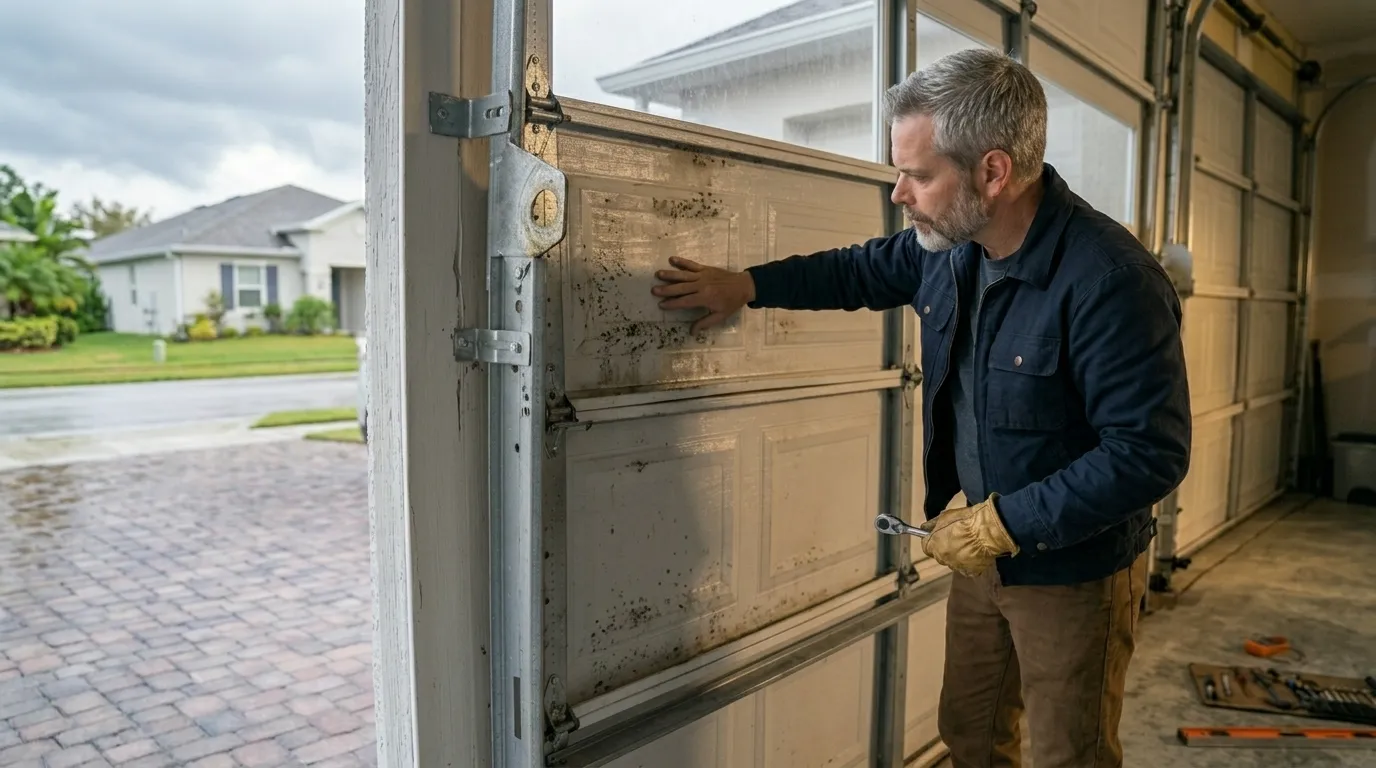
Housing across this service area was mostly built between 1938 and 2000, with a median build year of 1964, and most of that stock is original 1960s and 70s construction spread across the 28 or so named areas we cover. Doors installed in that era, and even many replacements put in since, use standard galvanized aircraft cable on steel drums - a setup that holds up fine for years but doesn't forgive being ignored. Add in a climate band that runs cold and severe here, with real freeze-thaw cycling every winter, and you get moisture working into the cable strands at the drum end, then freezing, then thawing again. That cycle is what breaks down the zinc coating faster than it would in a milder climate, and once the coating goes, rust does the rest. On a door that's fifteen or twenty years past its original cable set, that's exactly the failure point we see - not the spring, not the opener, but the cable itself giving out at the drum.