The DIY Question
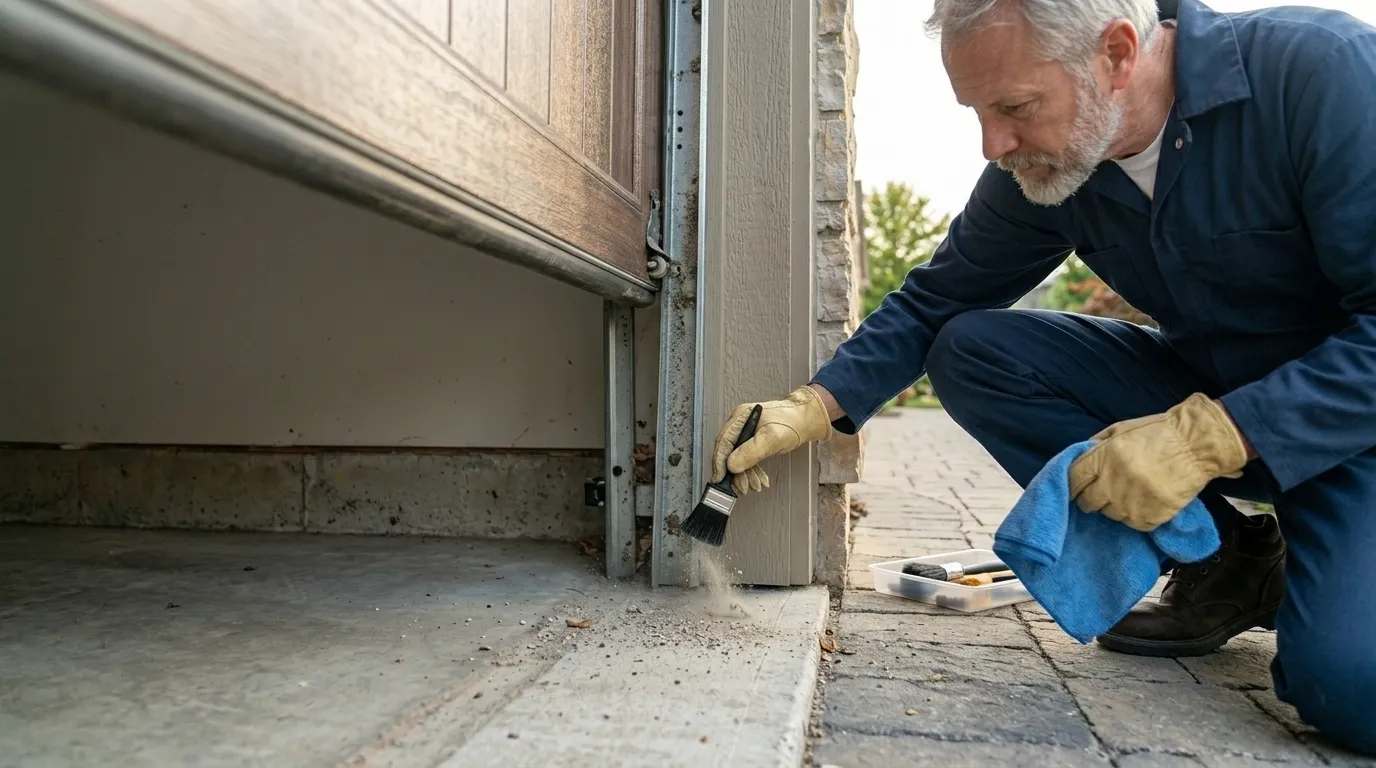
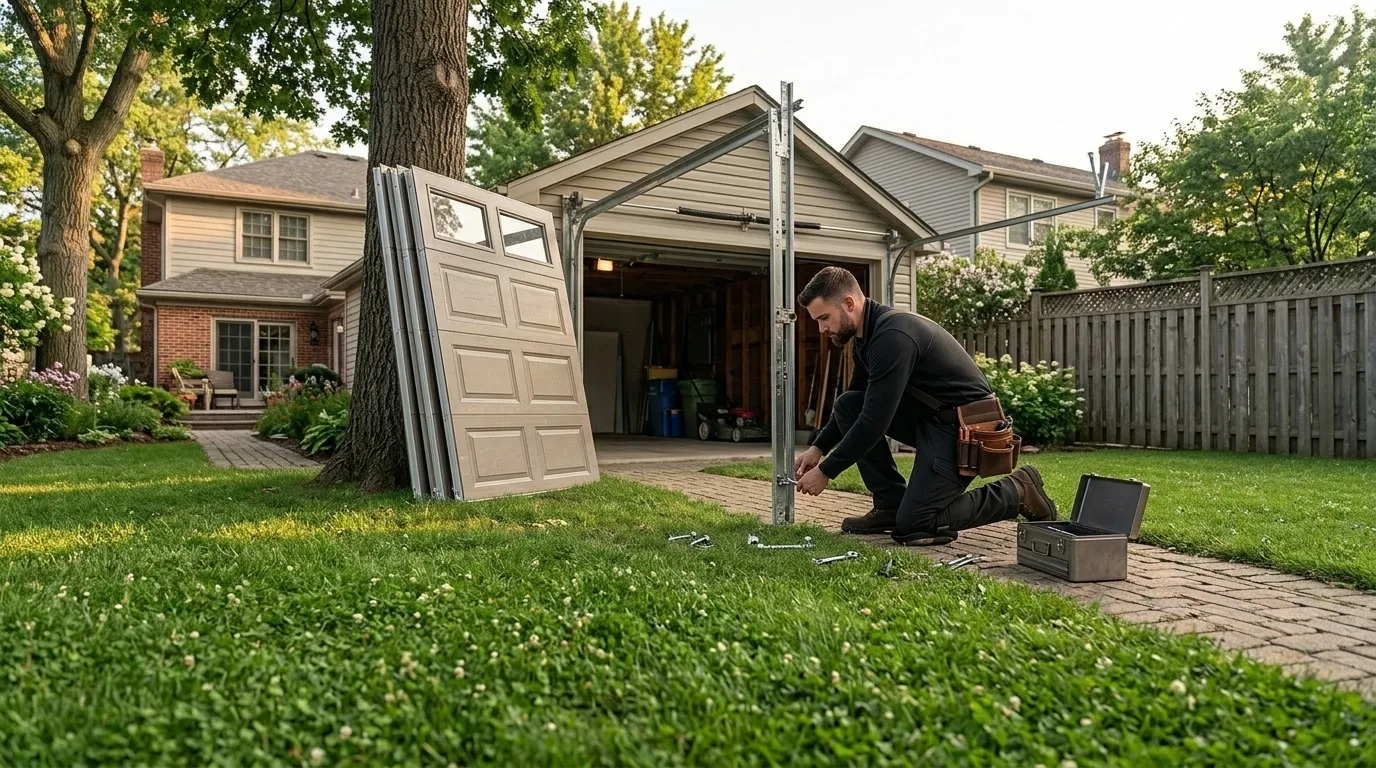
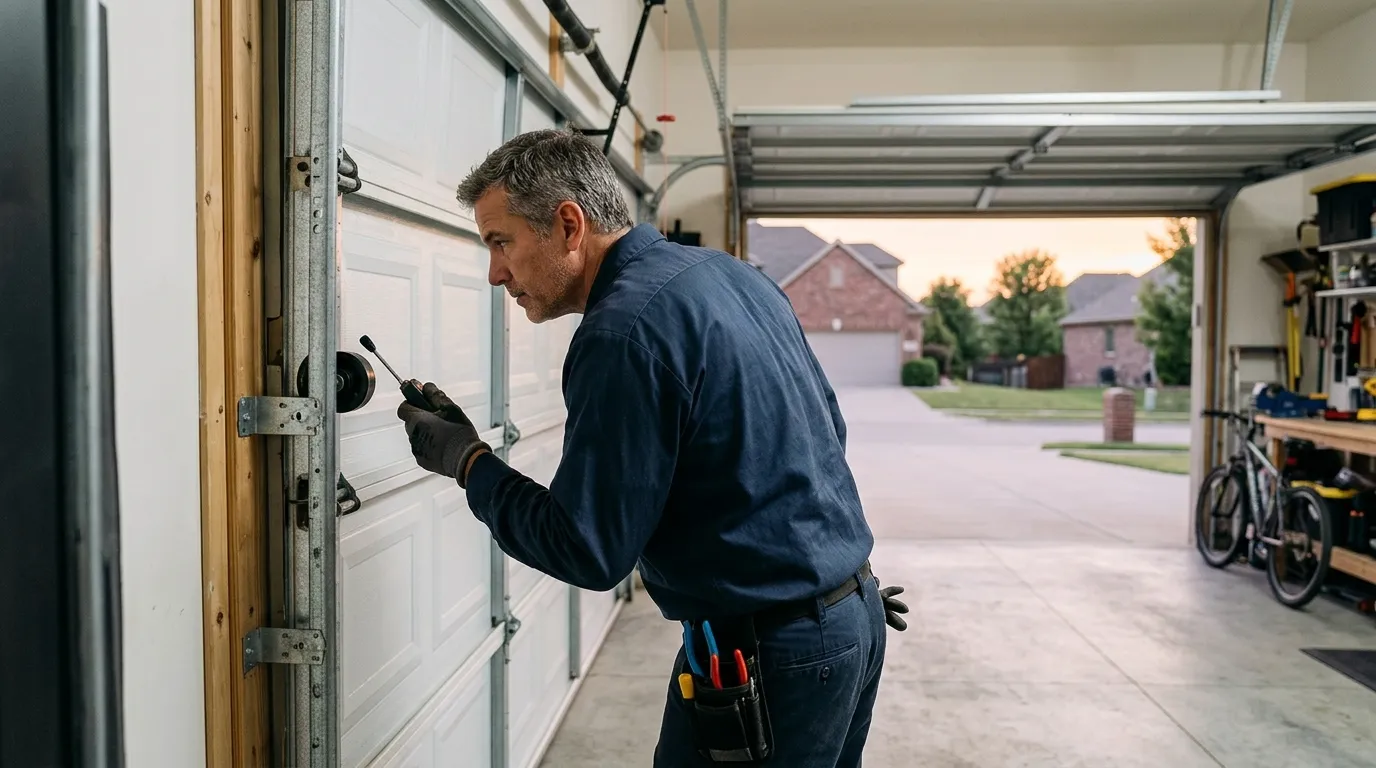
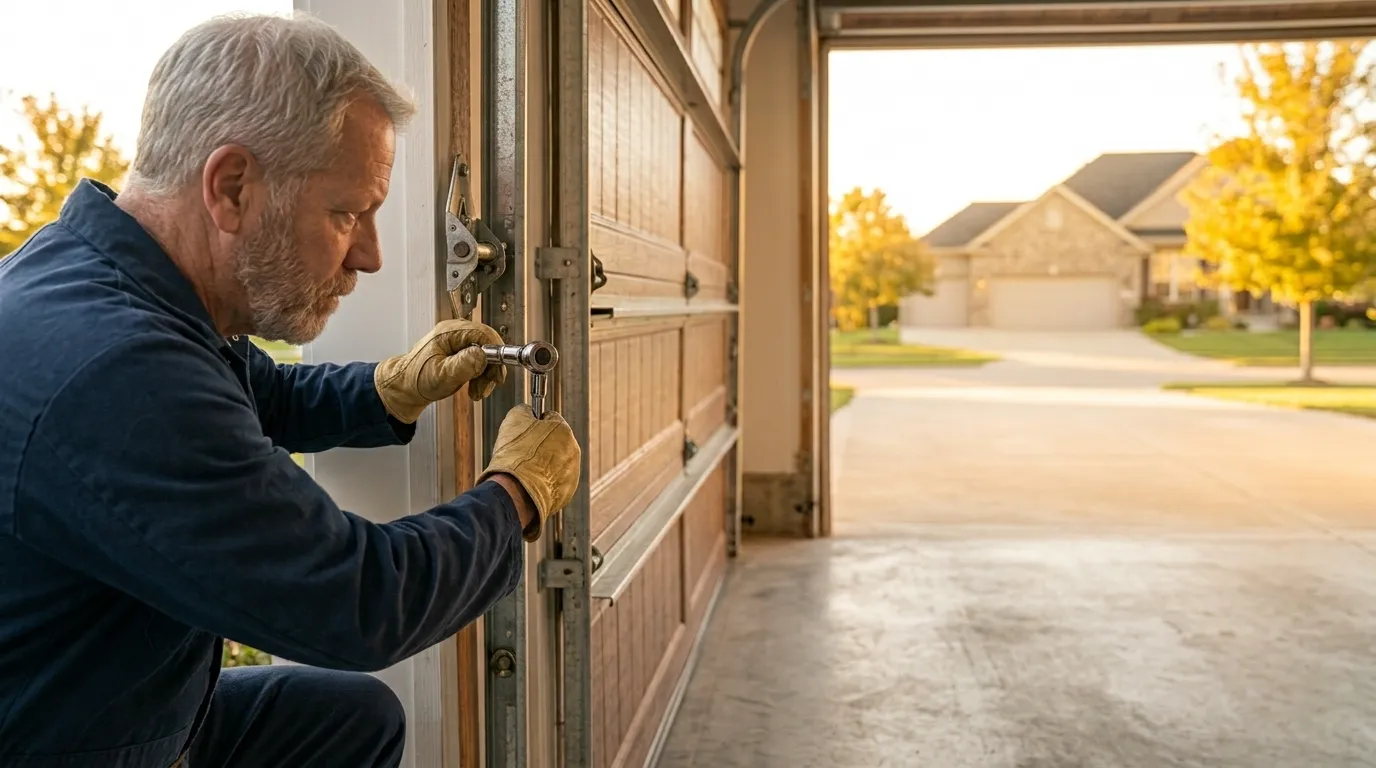
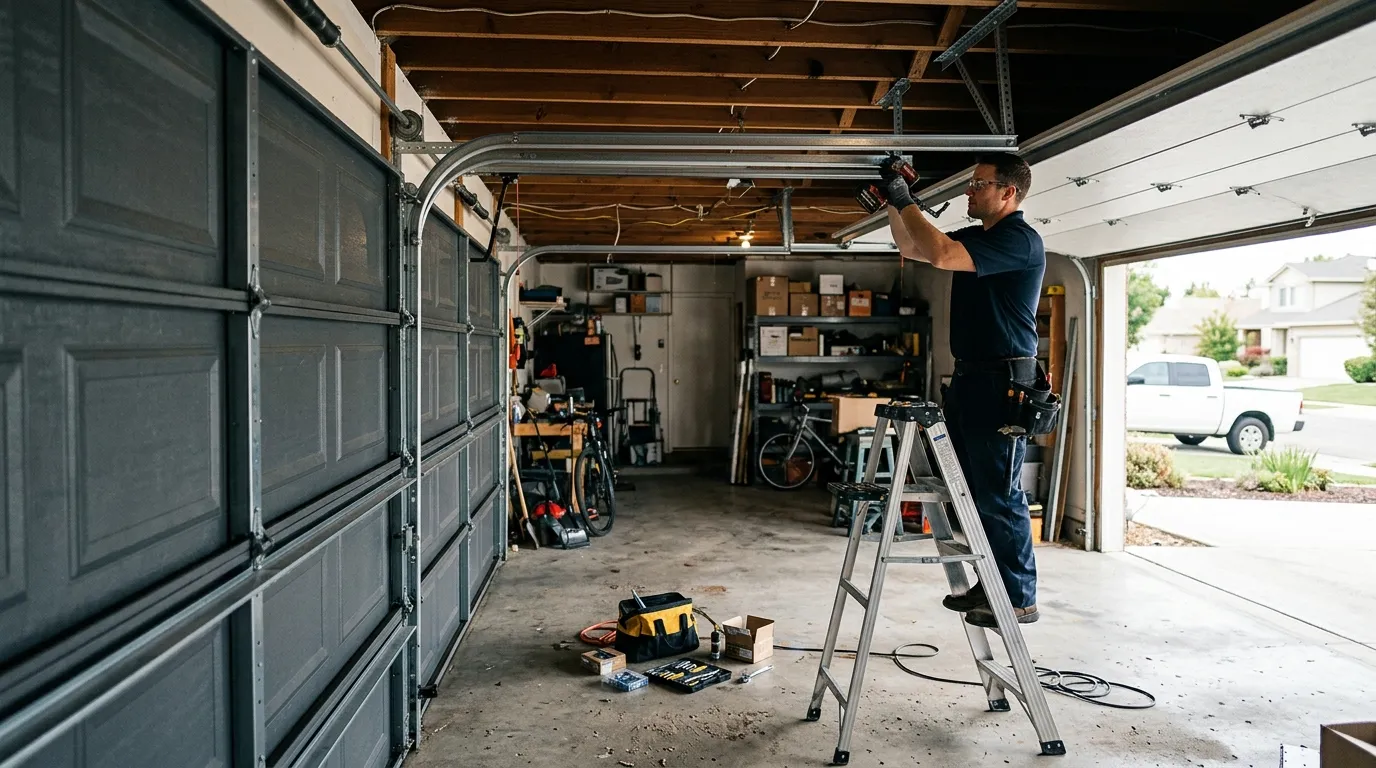
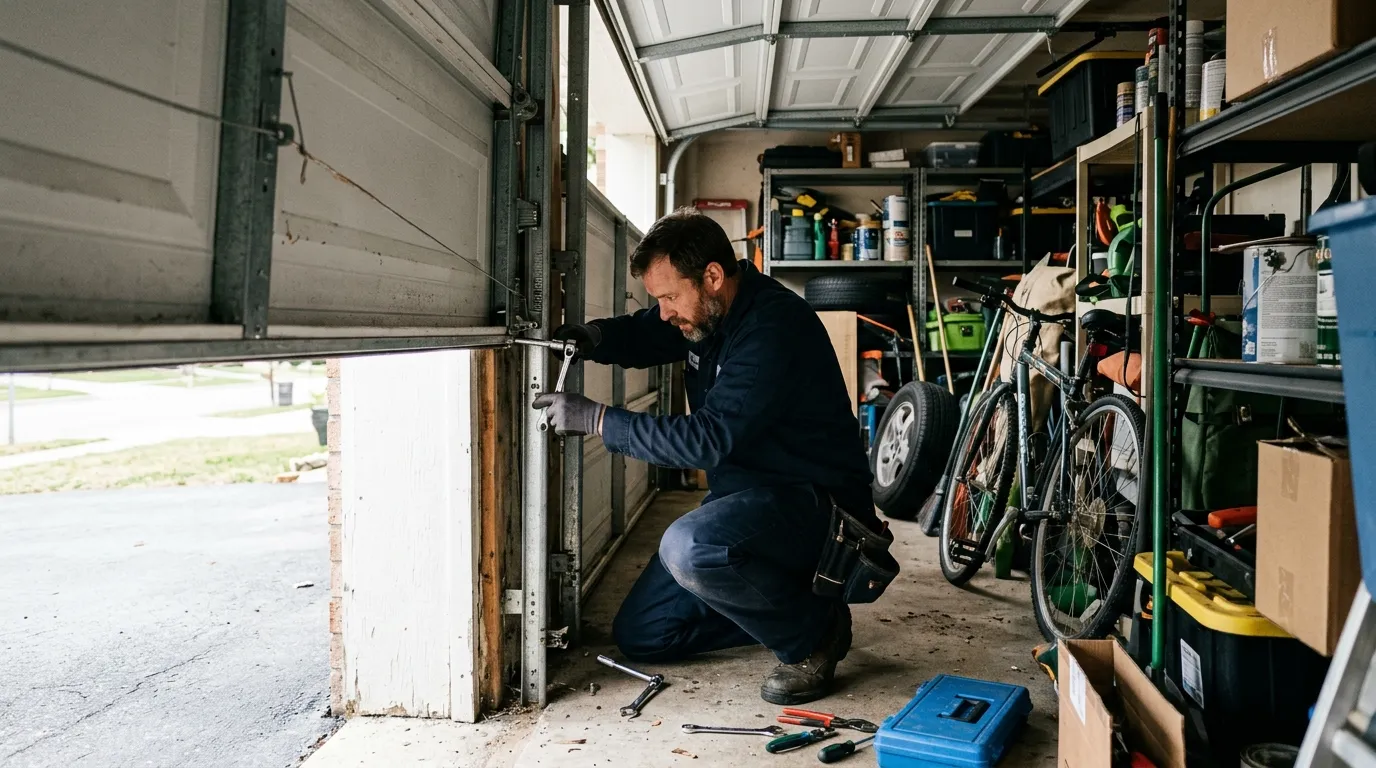
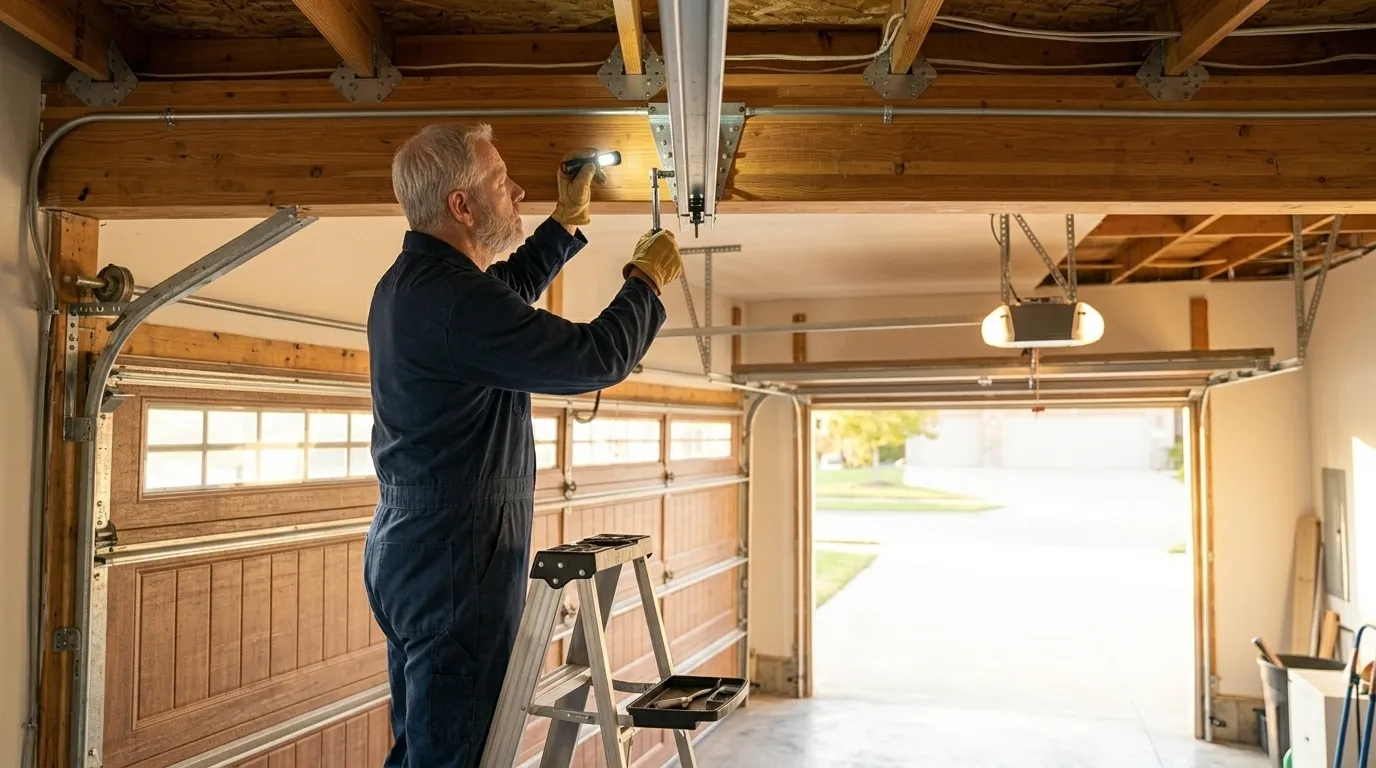
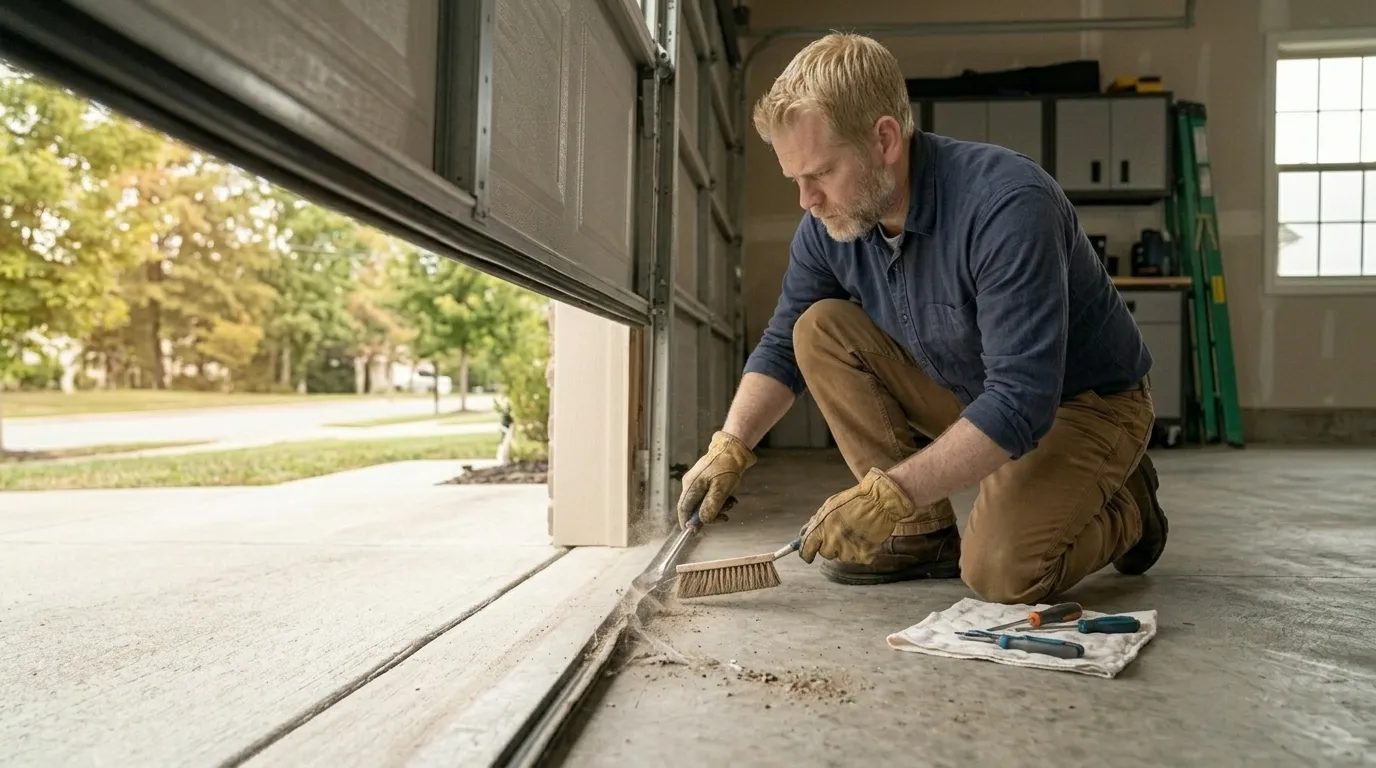
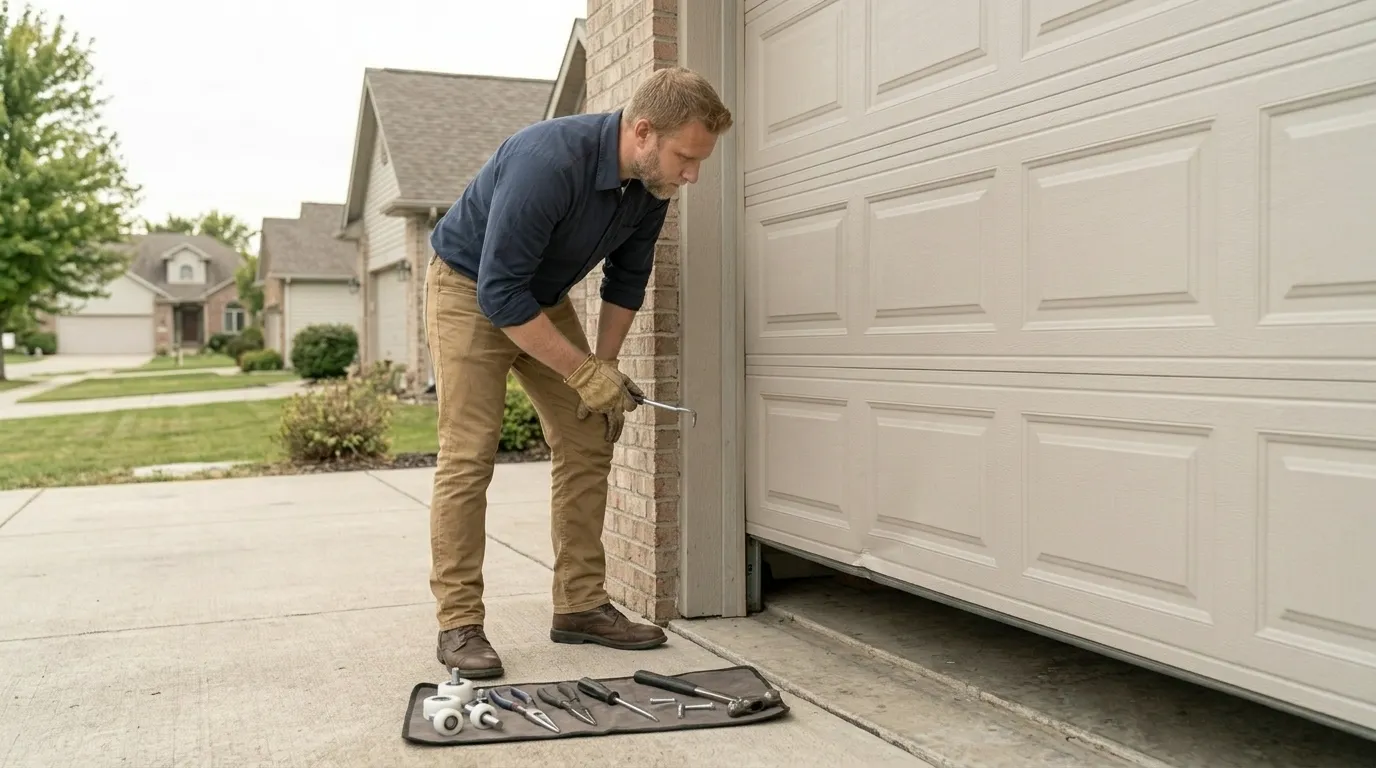
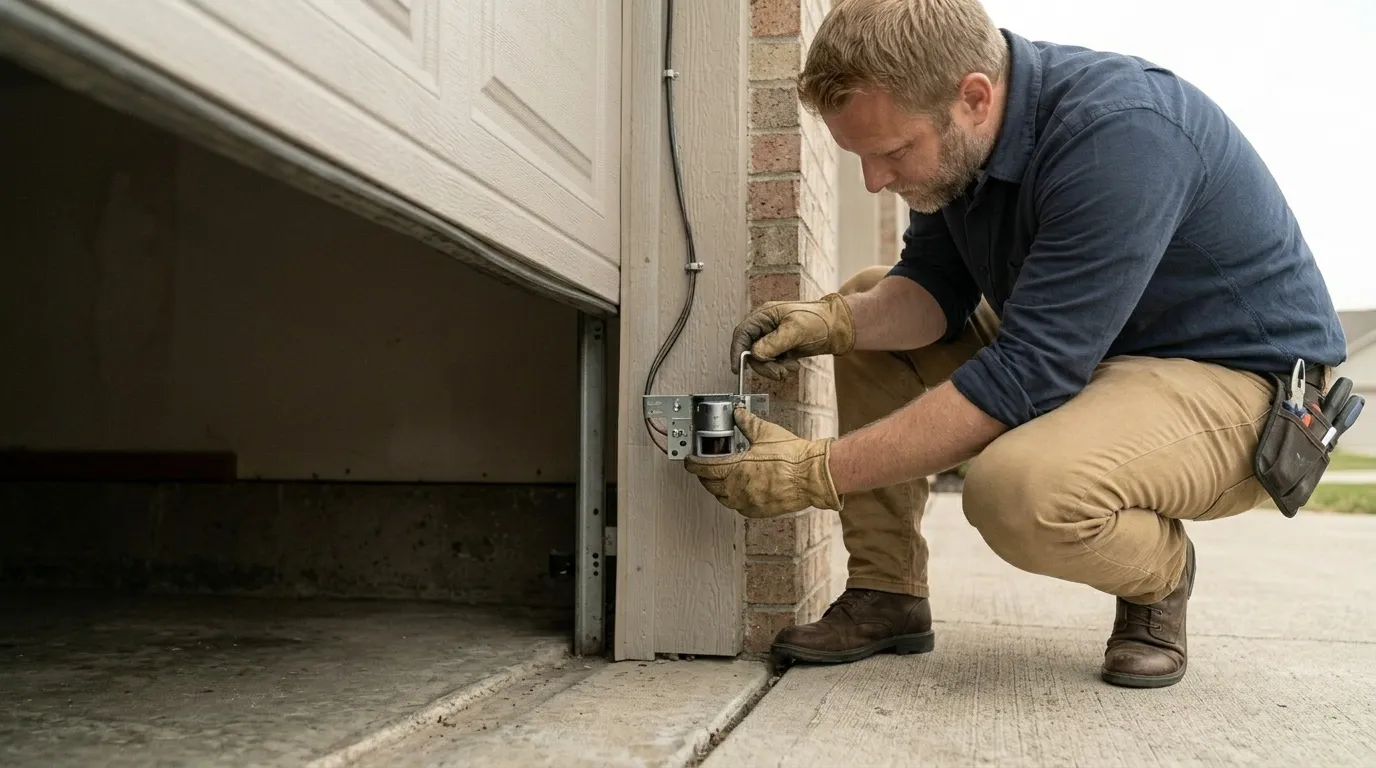
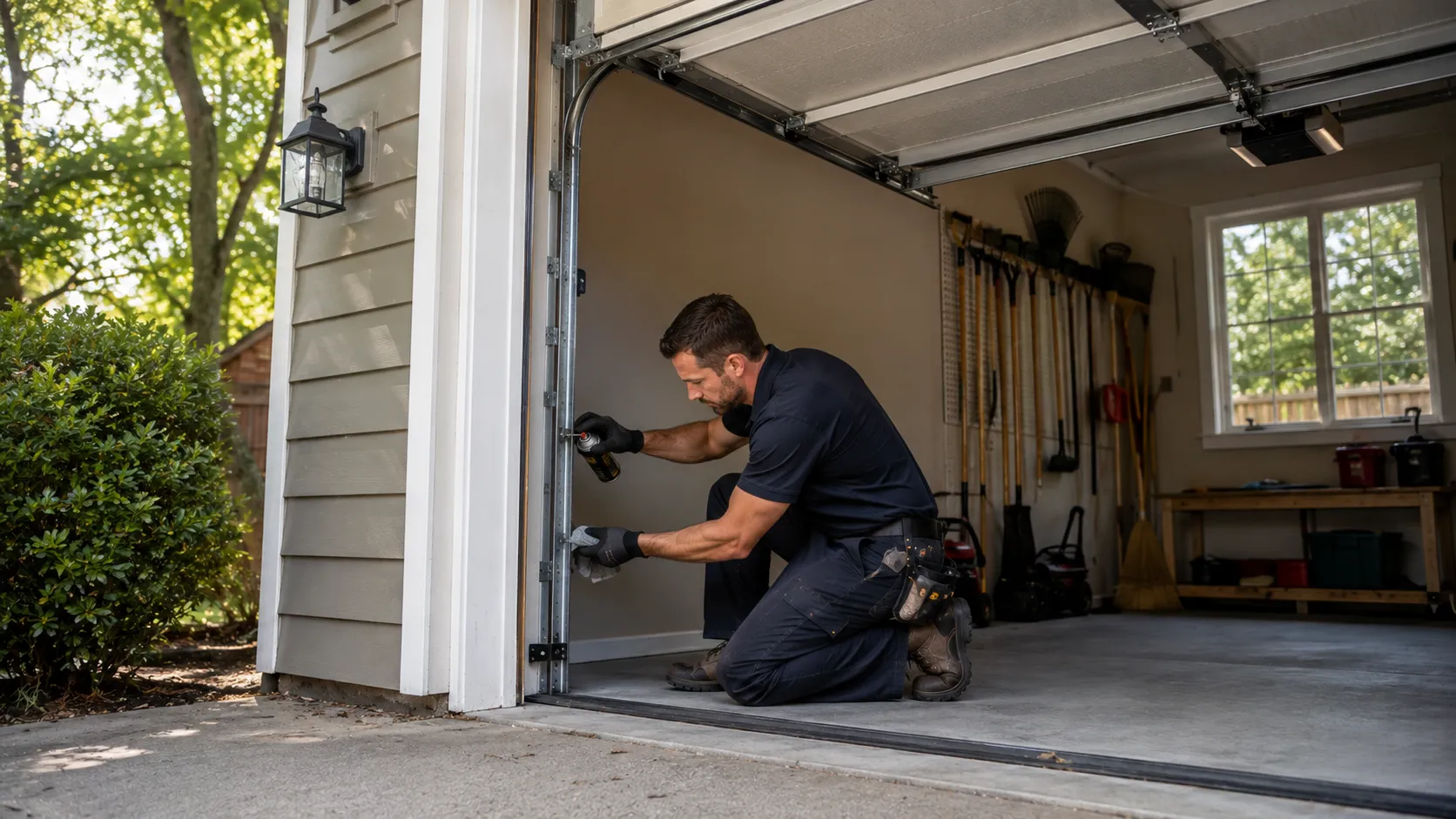
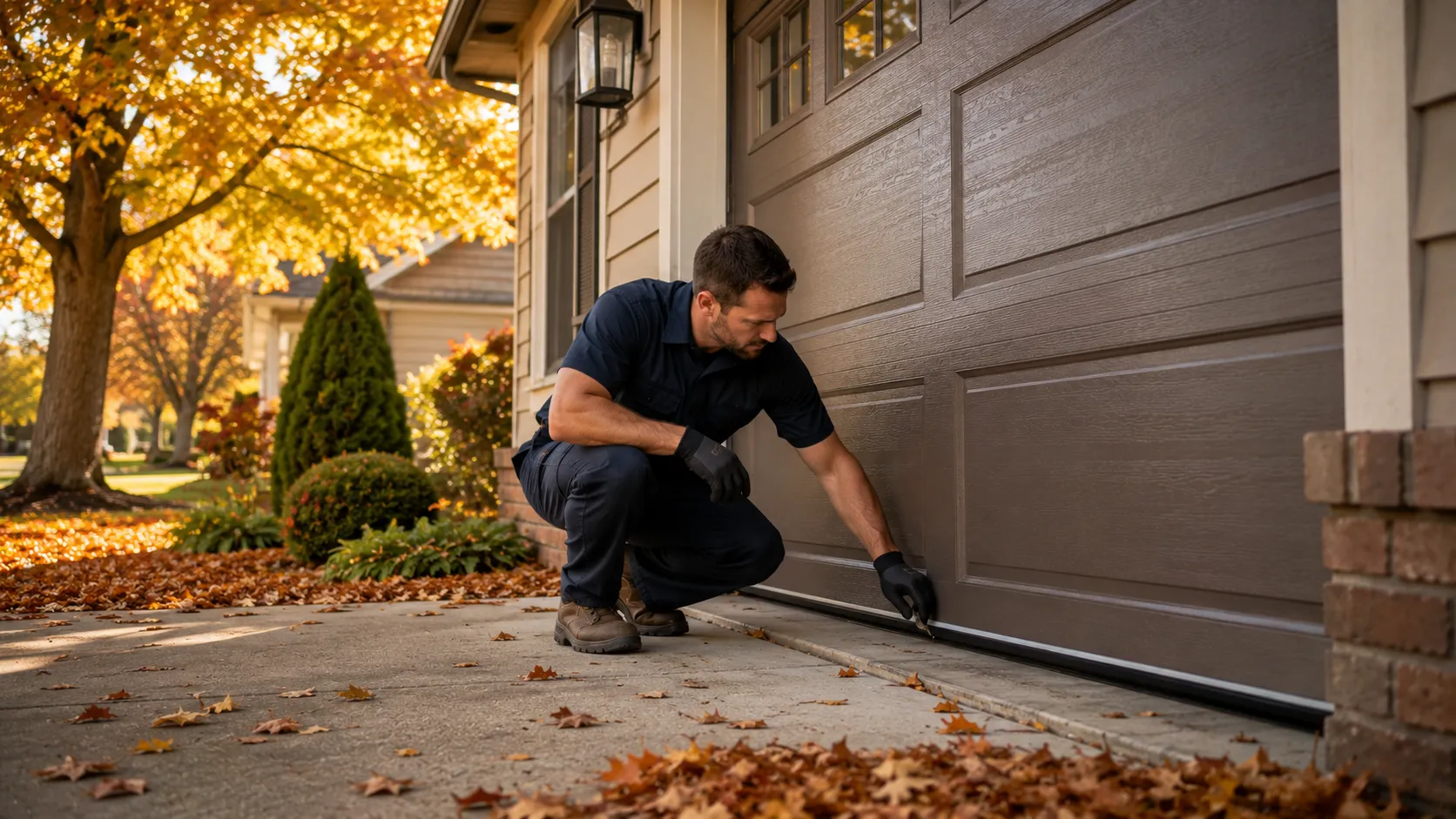
There's real DIY territory here: you can vacuum out the tracks, check that the photo-eye sensors aren't caked in dust, and tighten the visible bolts on the track brackets with a wrench. That's fair maintenance and it costs you nothing but time.
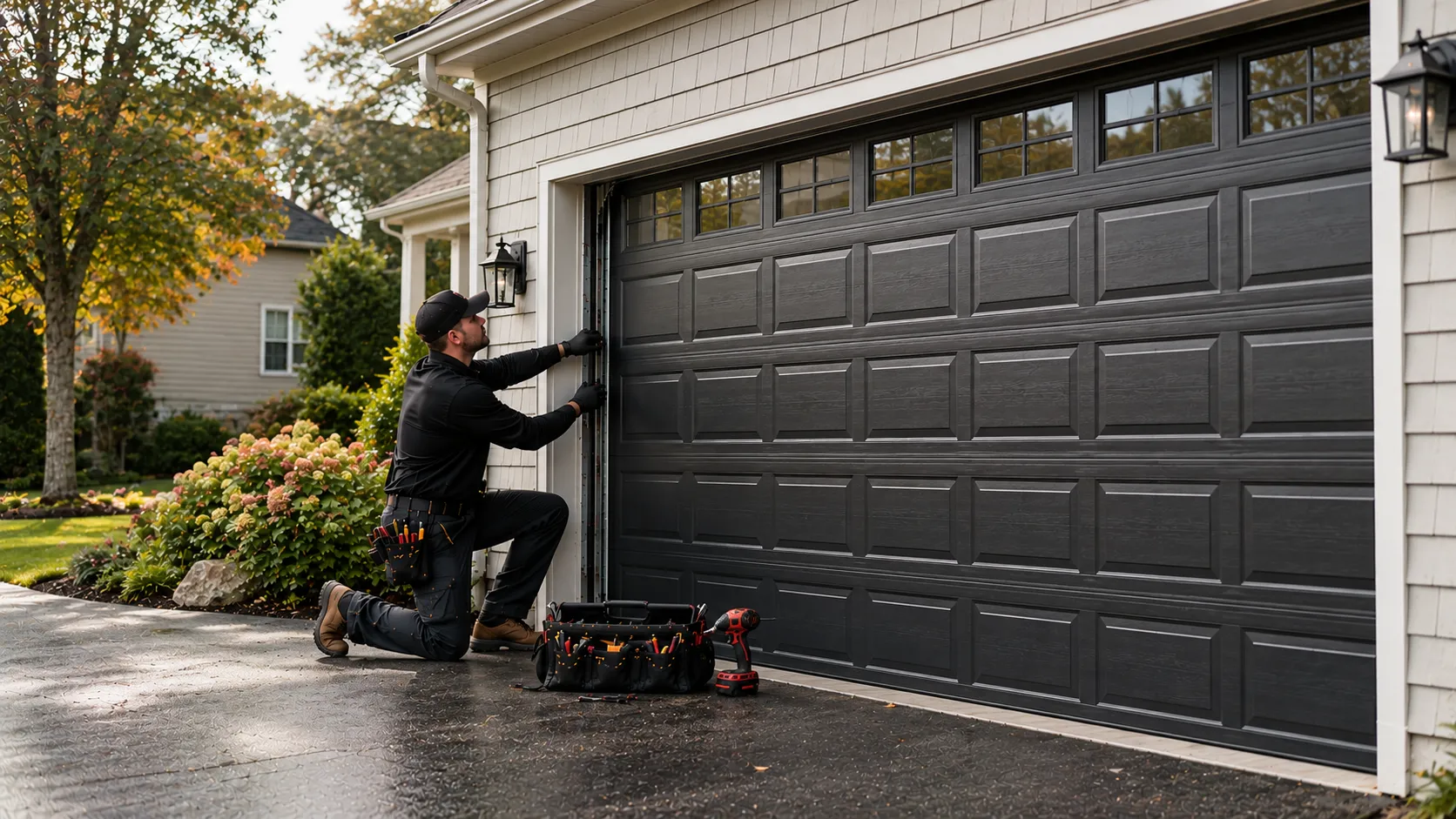
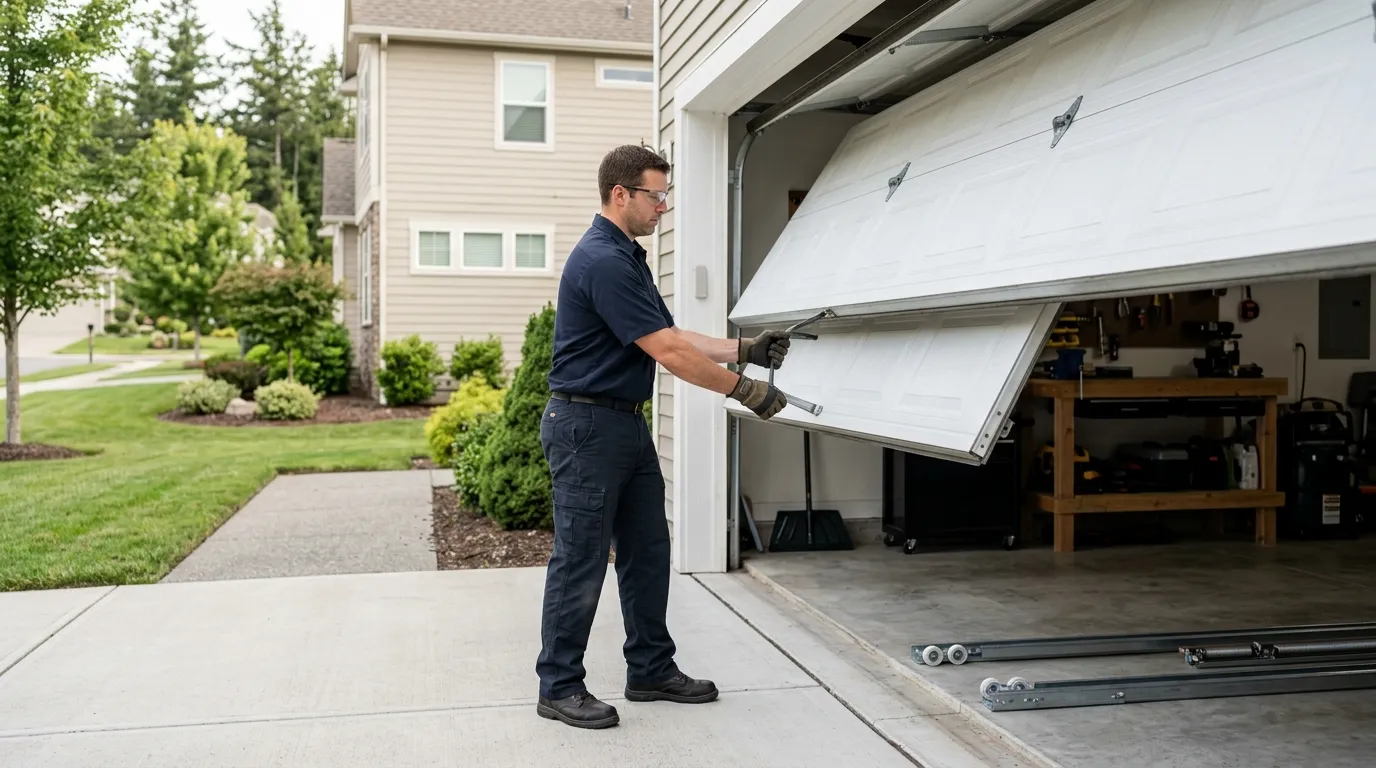
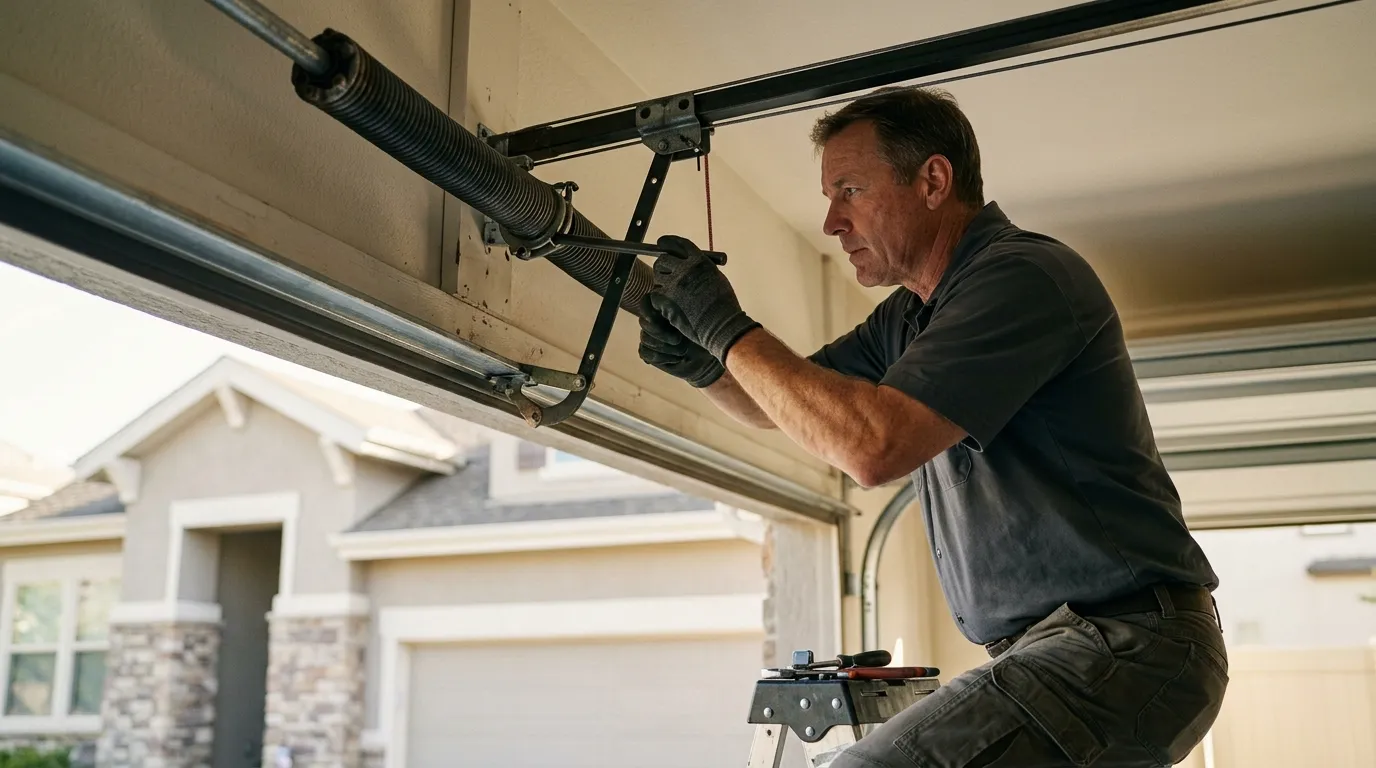
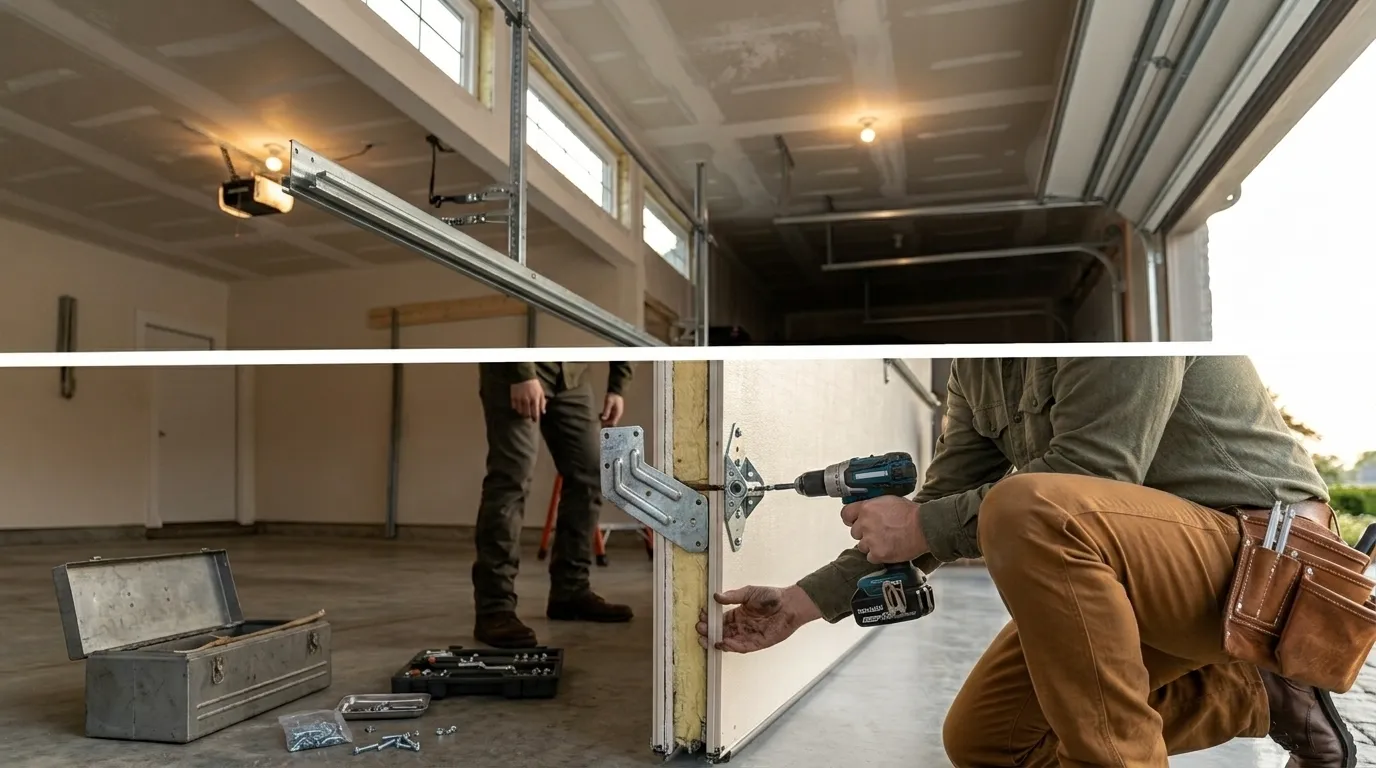
What you shouldn't touch is the torsion spring or anything under tension - the cable drums, the center bracket, the spring itself. These are wound under enough force to cause serious injury, and on a lot of the older doors we see, the hardware holding them is original to a 1960s install and more fragile than it looks. If a spring looks stretched, rusted, or has a visible gap in a coil, that's a call, not a project.
We'll also say plainly: if your opener is original to the house and the door is original to the house, a maintenance visit sometimes turns into a conversation about replacement instead. We're not going to charge you to keep tuning up hardware that's past the point where tuning helps. Sometimes the honest answer is that the parts are done.
Why It Happens Here
Cold is the other half of this. The region sits in a severe cold climate band, and that matters for garage doors more than people expect. Steel contracts in low temperatures, which changes the clearance between rollers and track by a small but real amount. Lubricant that was fine in August gets stiff in January, which is exactly when a marginal spring or a worn roller decides to fail - usually on the coldest morning of the week, when you're already late.
Combine that with housing stock that runs older across nearly all of the 28 named communities in this service area, and you get a pattern: doors that worked fine all summer suddenly binding, screeching, or refusing to open once the temperature drops. It's not bad luck. It's 1960s-era hardware meeting a real winter, year after year, until something that was already worn finally lets go.
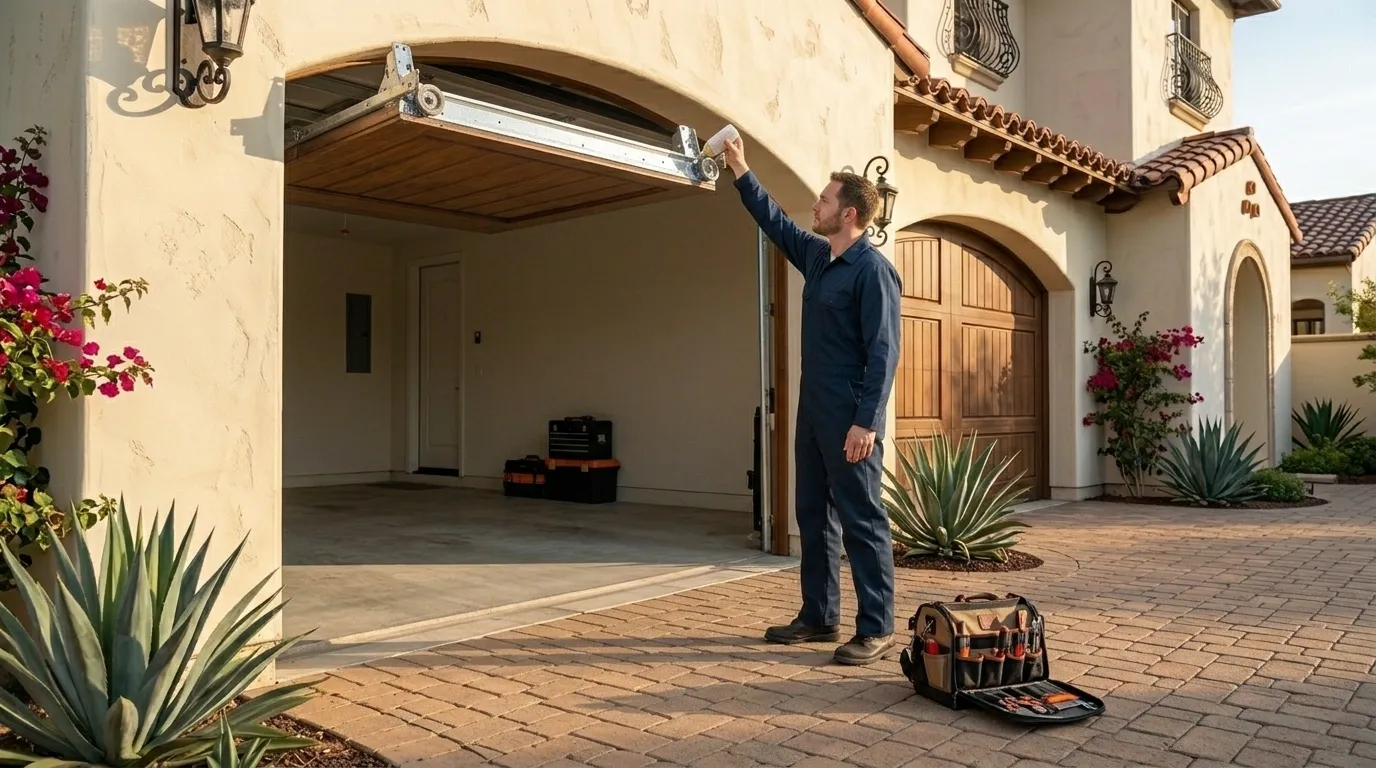
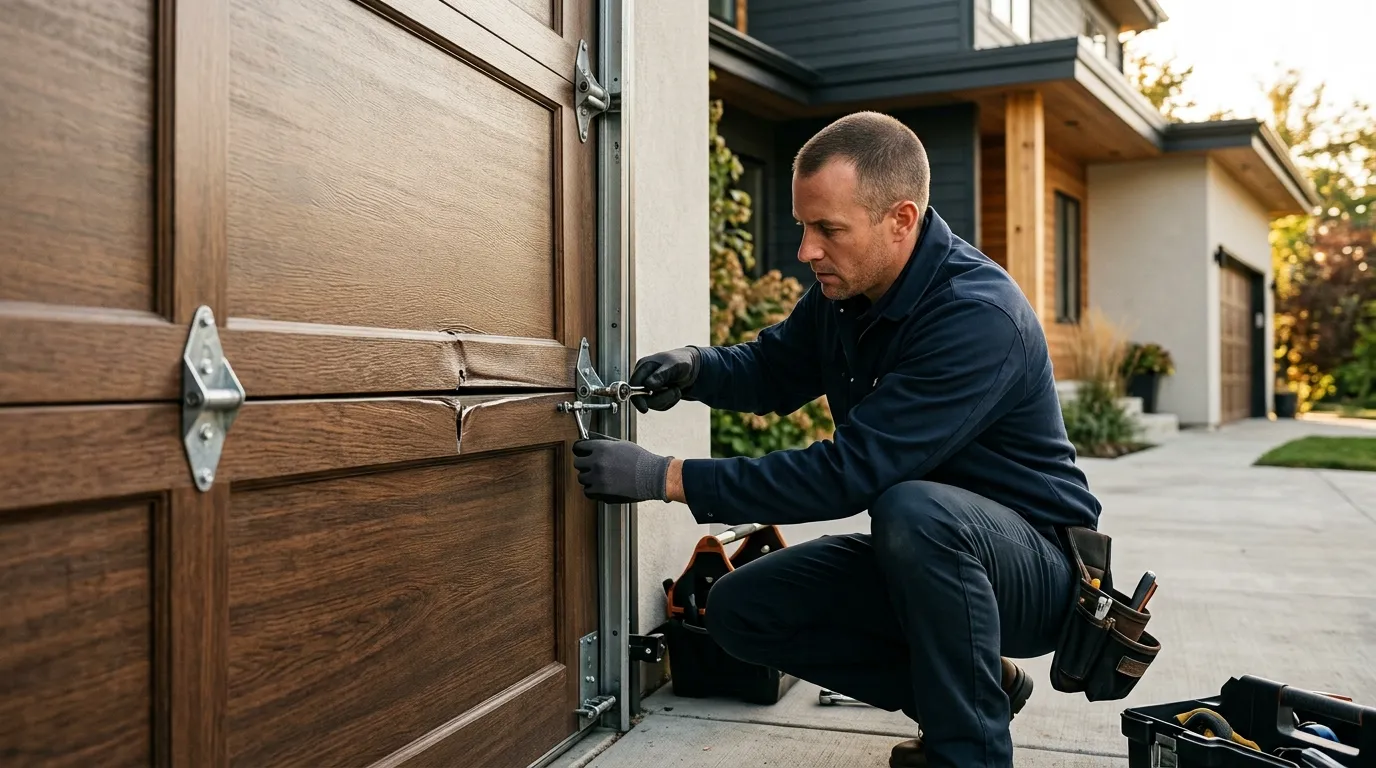
Seasonal maintenance - checking spring tension, lubricating rollers and hinges with something rated for cold, and confirming the track is still square - catches most of this before it becomes a no-heat, no-door morning.