The DIY Question
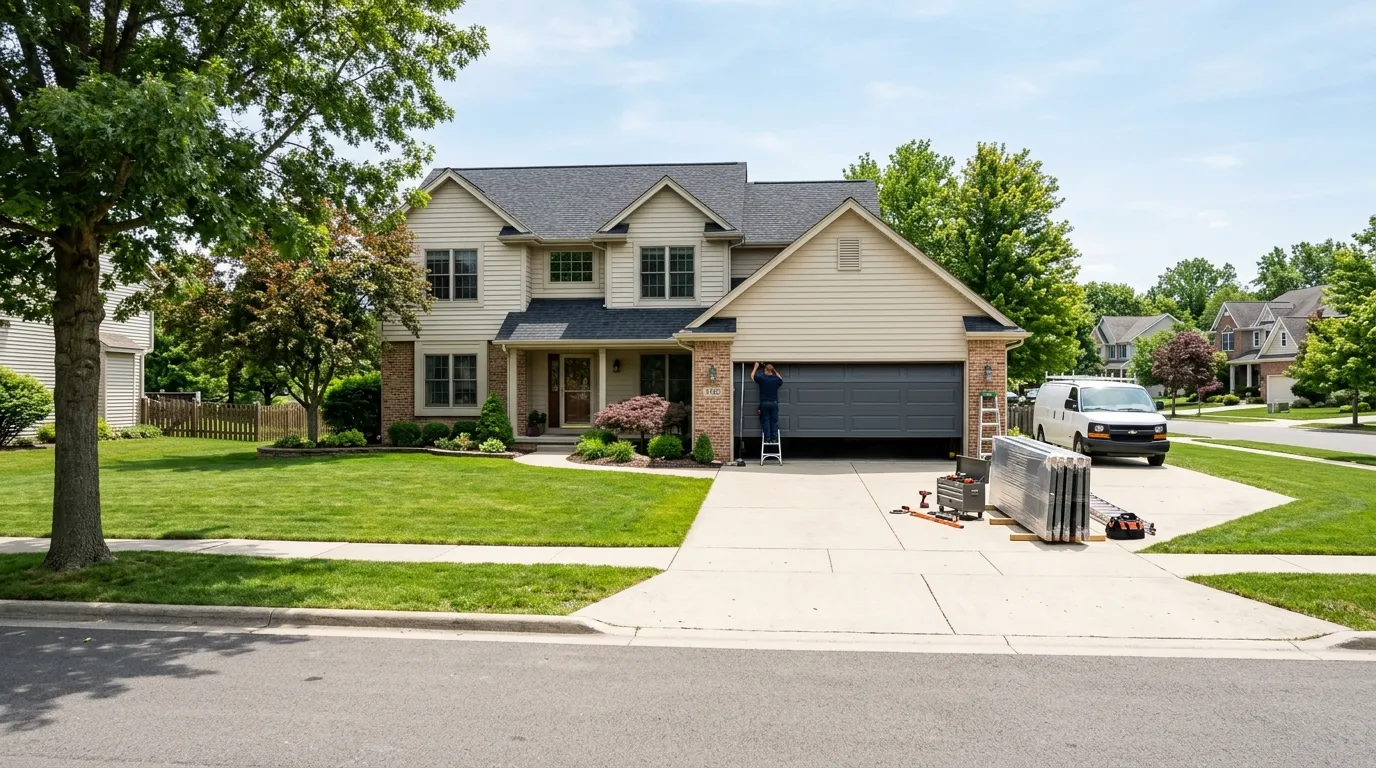
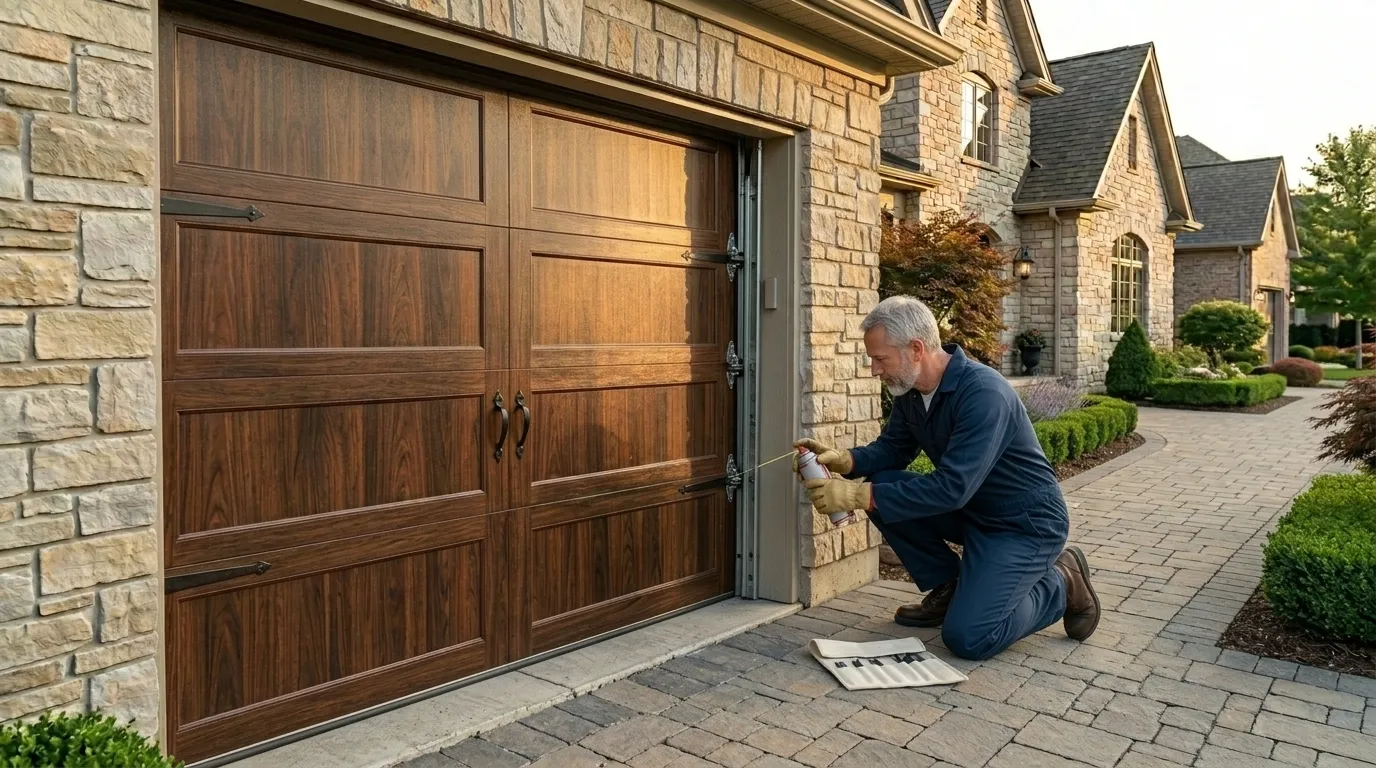
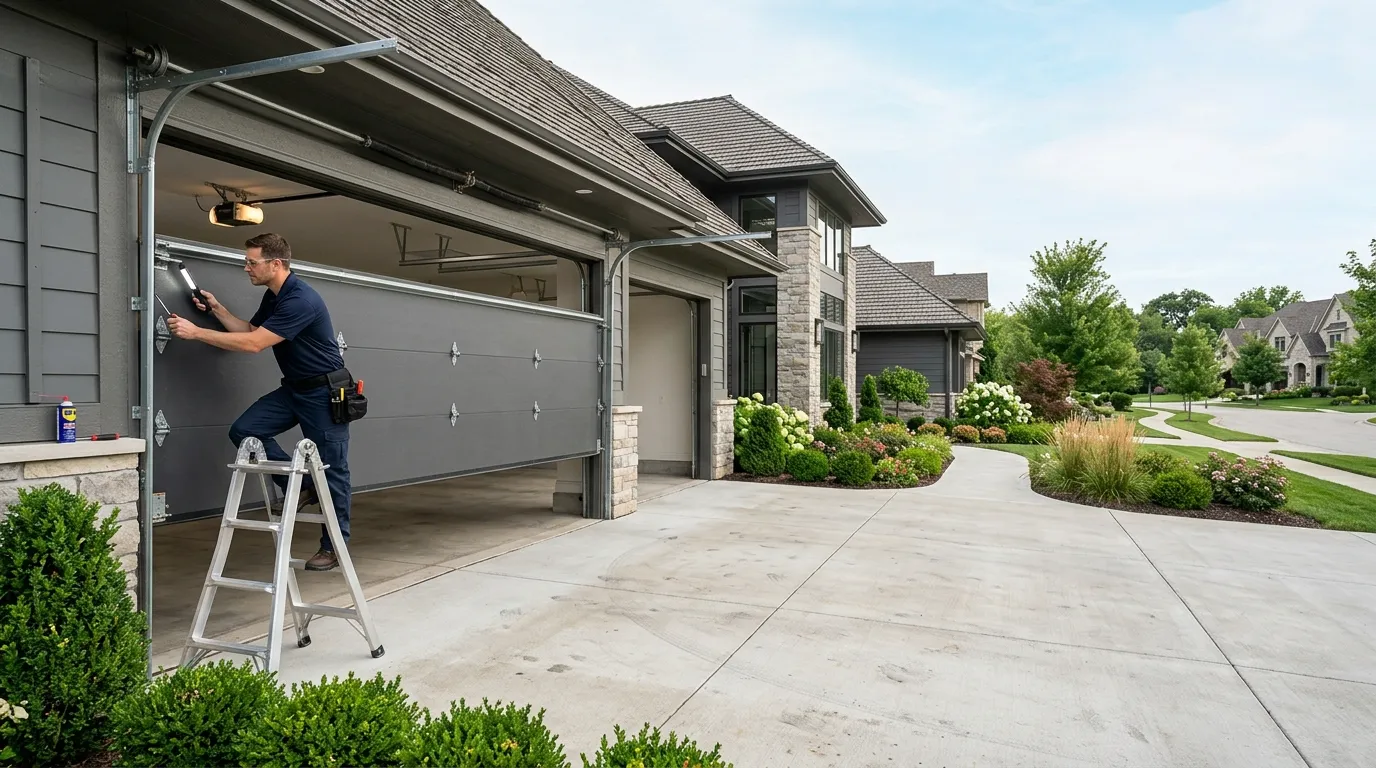
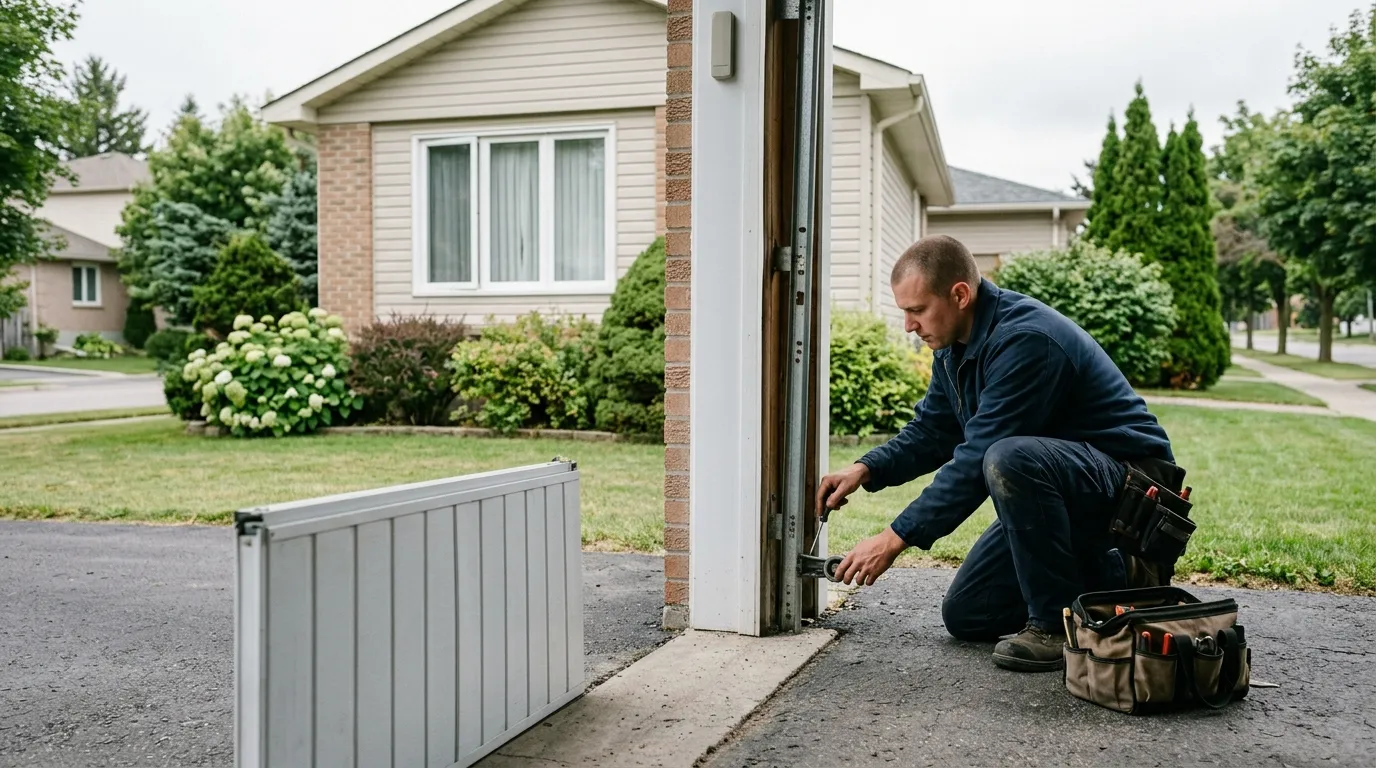
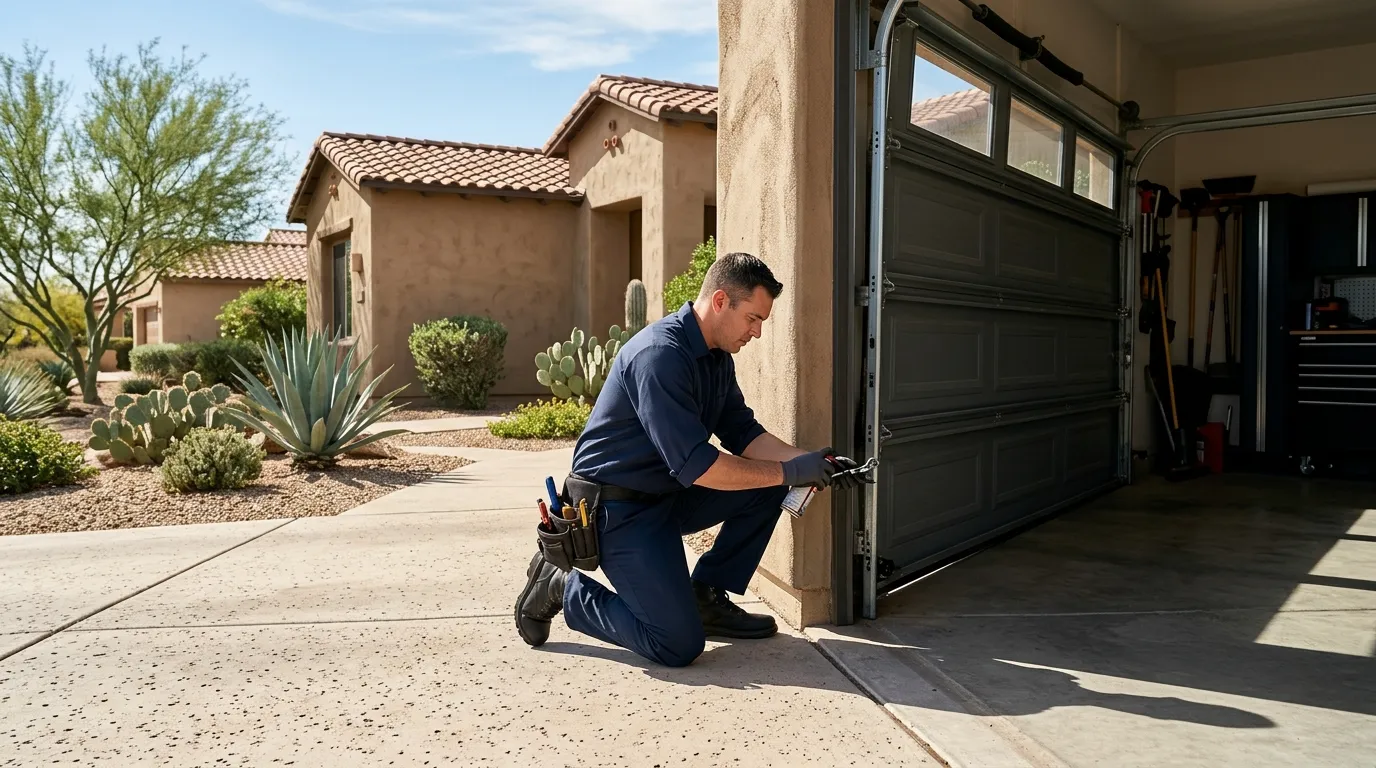
Swapping a remote battery or resetting the wall console is fair game for a homeowner, and we'd rather you try that first than pay a truck charge for a $3 fix. Realigning safety sensors is also something most people can do with a level and ten minutes.
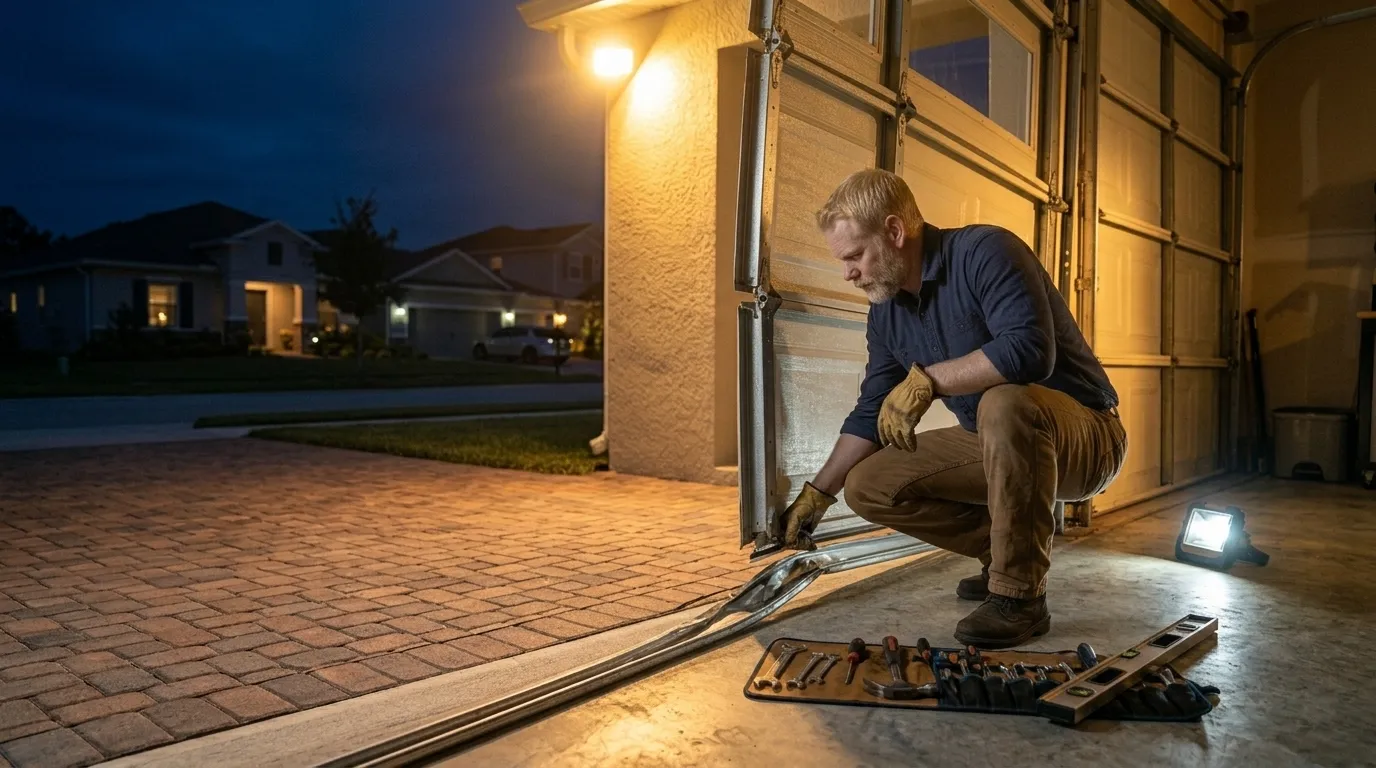
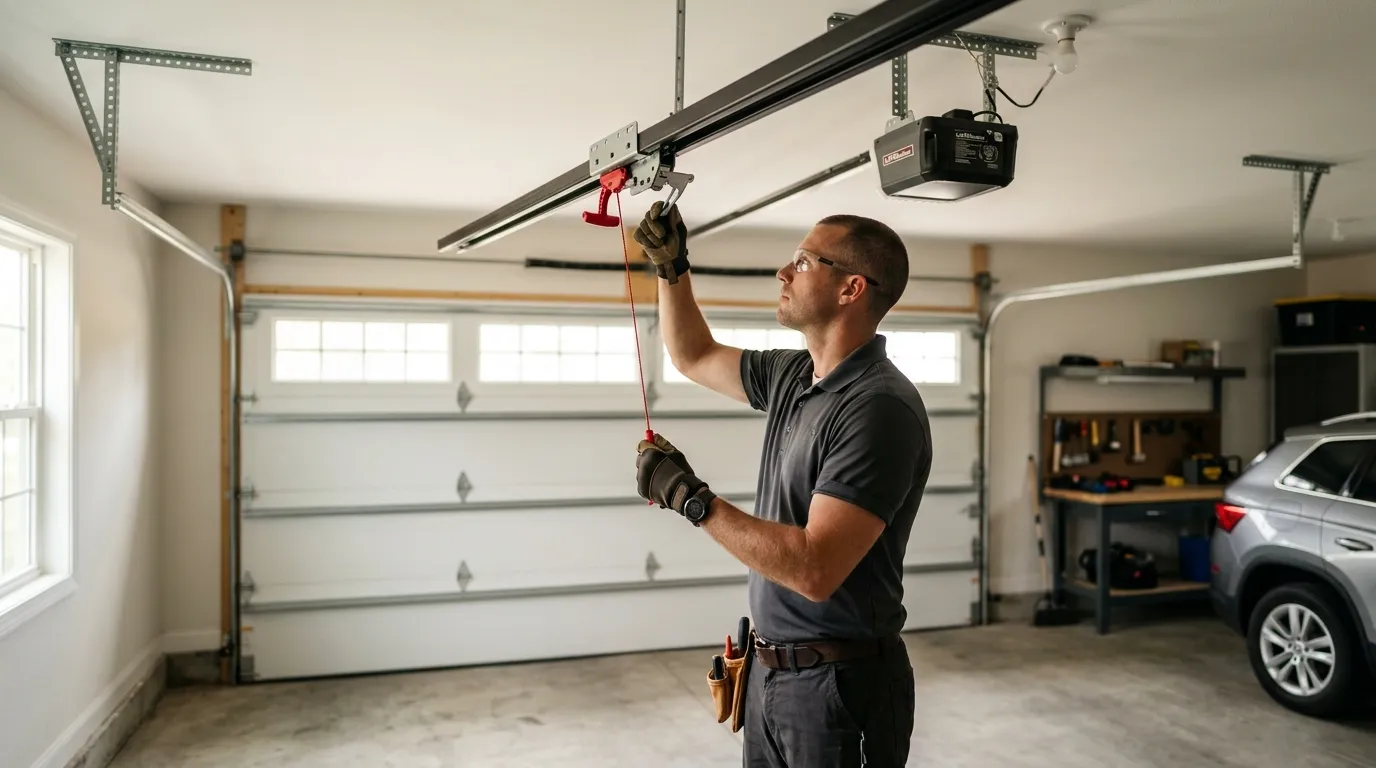
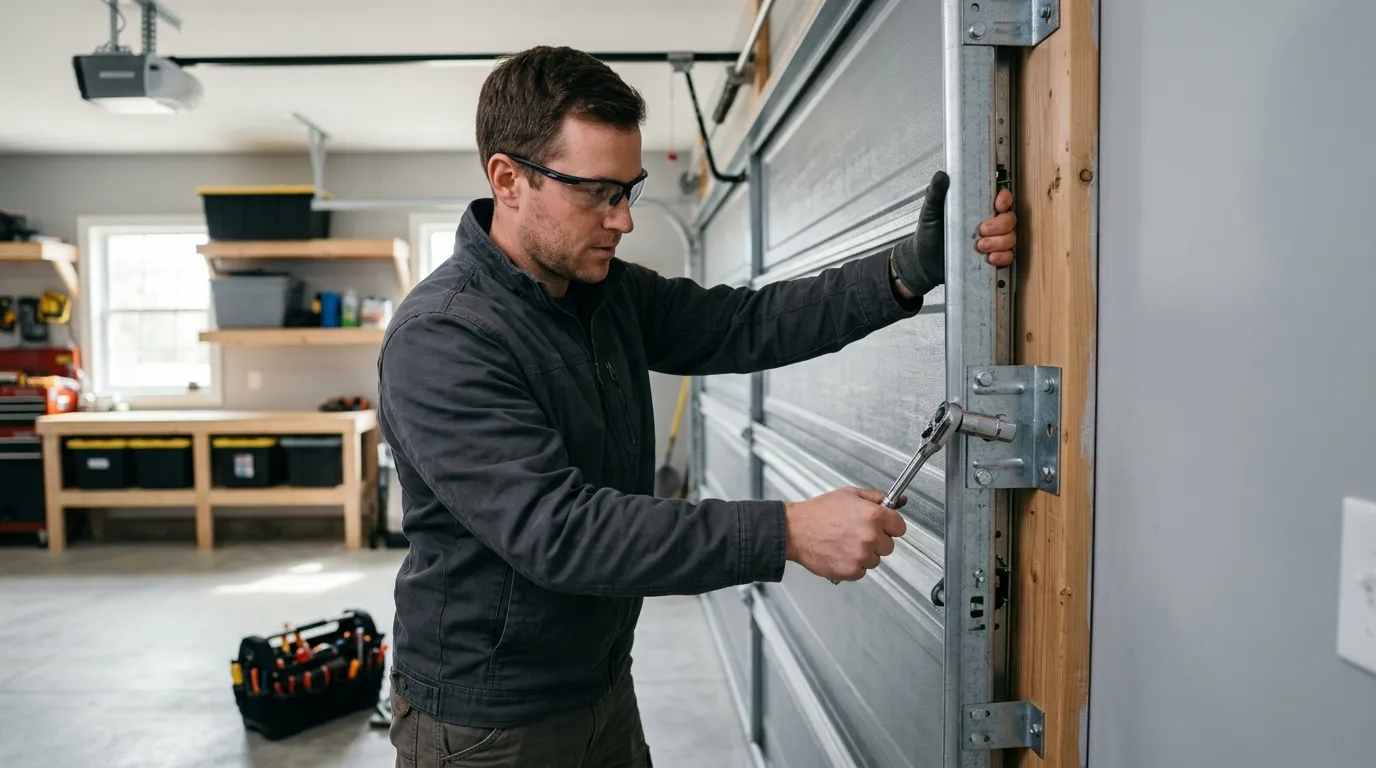
Where we tell people to stop is the motor housing and the logic board. Opening that up without knowing the wiring can fry a board that was still salvageable, and on older chain-drive units common in this area's housing stock, the gear kits are model-specific - order the wrong one and you've spent money and still have a dead opener. If the unit is original to a house built in the 1960s median era common here, replacement is often cheaper than sourcing obsolete parts, and we'll tell you that straight rather than bill for a repair that won't hold.
Why It Happens Here
Housing in this service area was mostly built between 1938 and 2000, with a median around 1964, and that shows up directly in opener failures. Openers installed in the 60s and 70s - original to a huge share of the roughly 28 named neighborhoods this company covers - are chain-drive units with mechanical relays and gear sets that have simply reached the end of their service life, not because anyone did anything wrong.
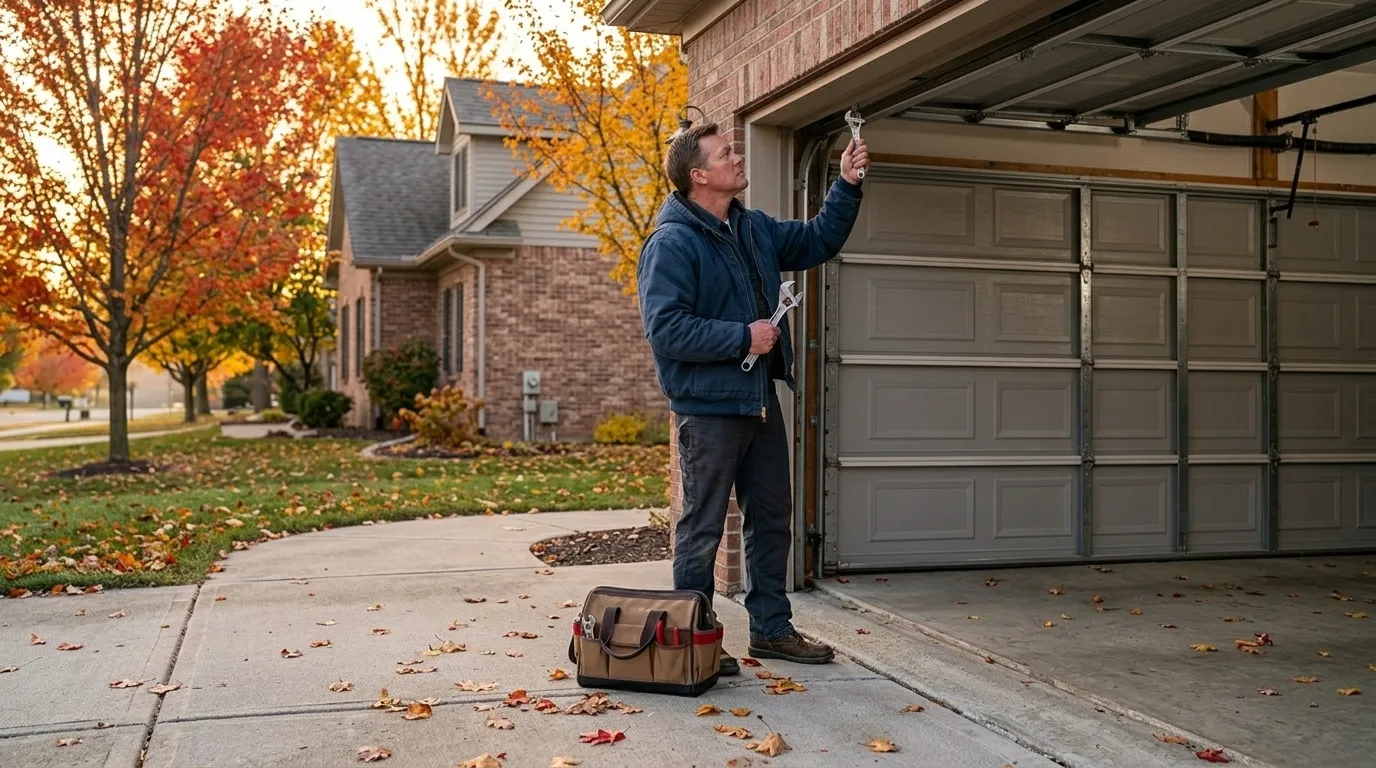
The cold is the other half of it. This area sits in a severe cold climate band, and repeated freeze-thaw cycles work on garage door openers in a specific way: condensation forms inside the housing overnight, grease inside older gear sets stiffens in single-digit temperatures, and logic boards that were fine in October start throwing errors in January. We see a real jump in opener calls through the coldest stretch of winter, and it's almost always tied to a unit that was already near the end of its life getting pushed over the edge by cold.