The DIY Question
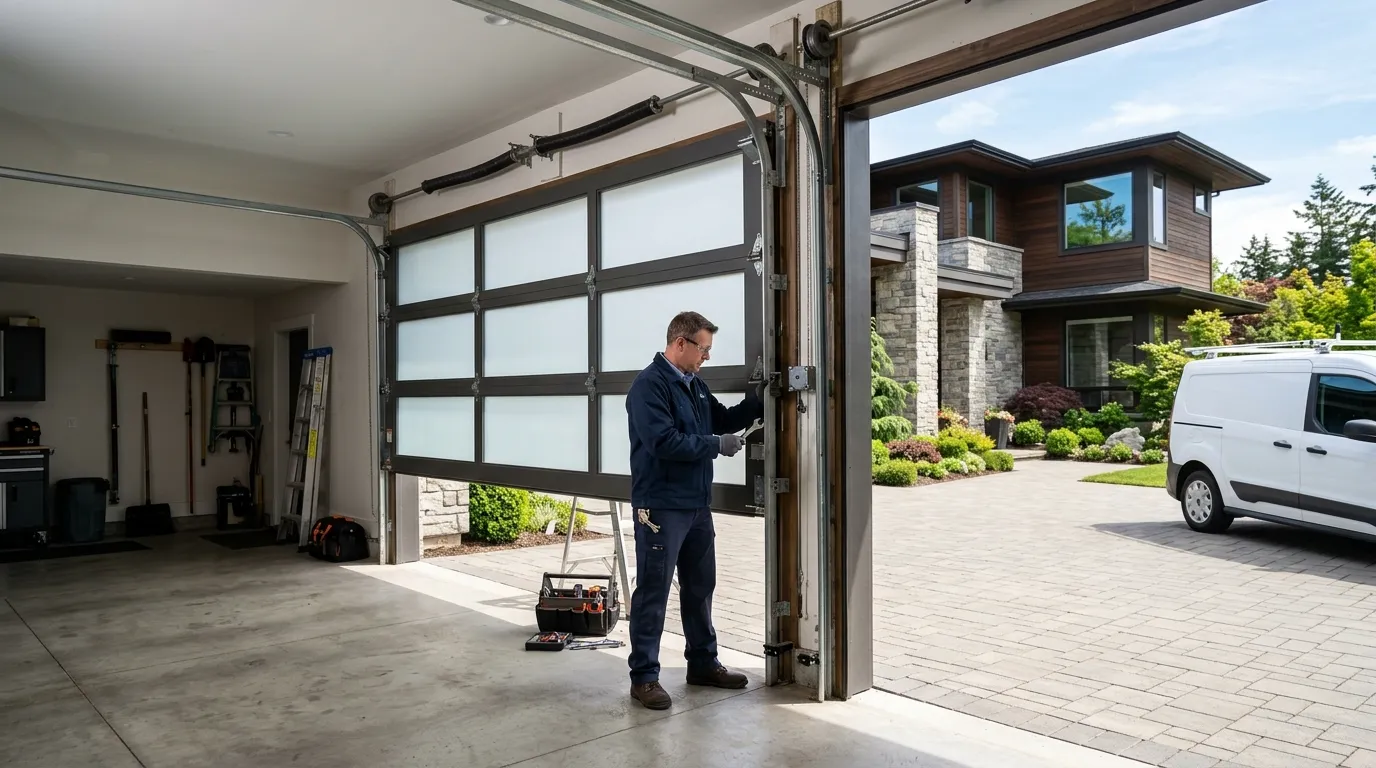
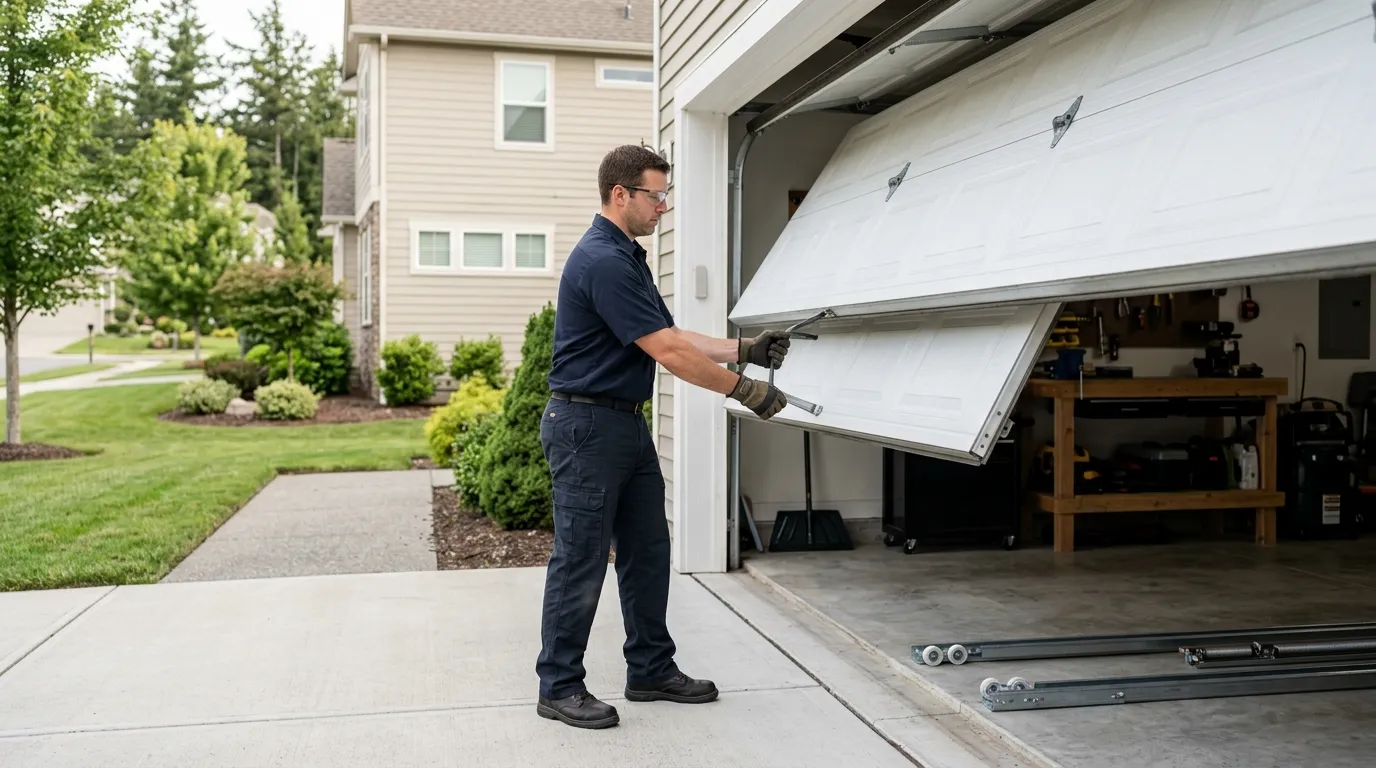
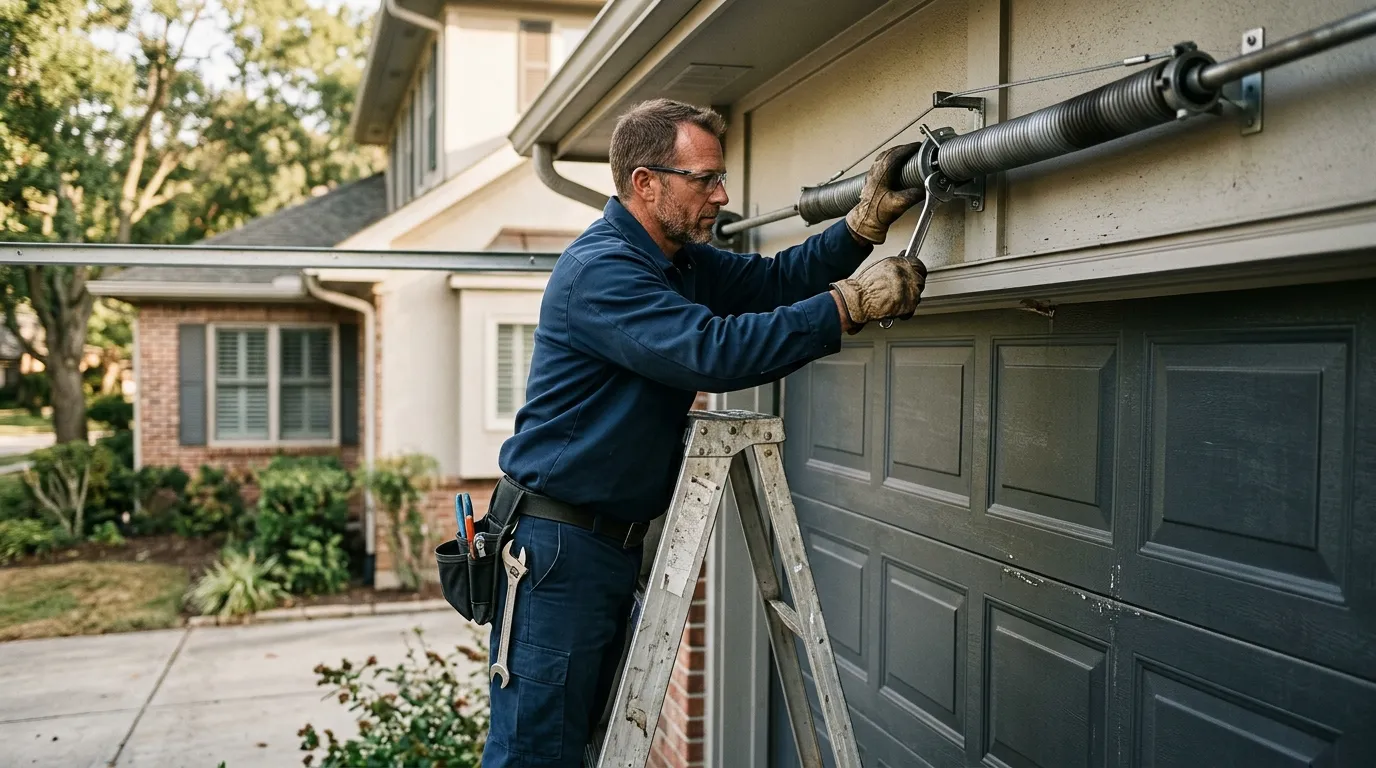
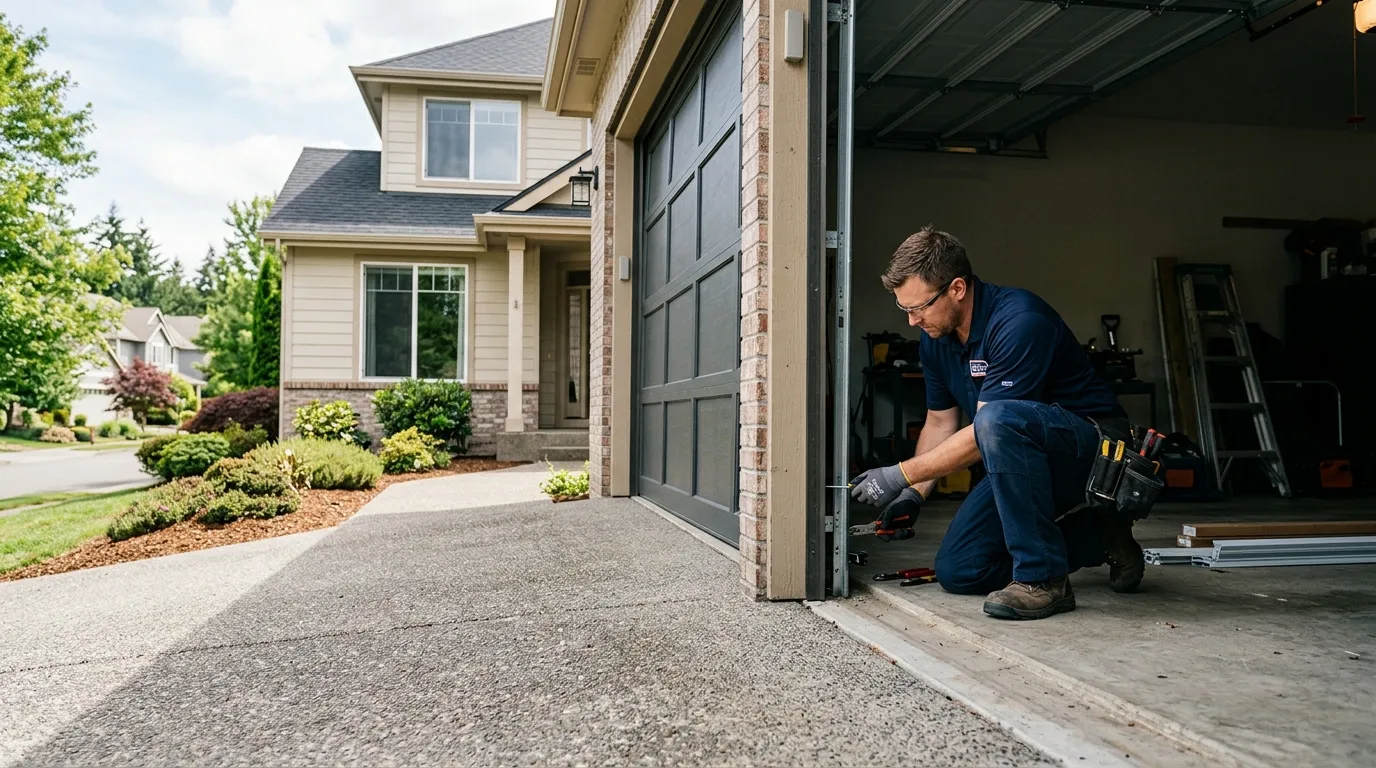
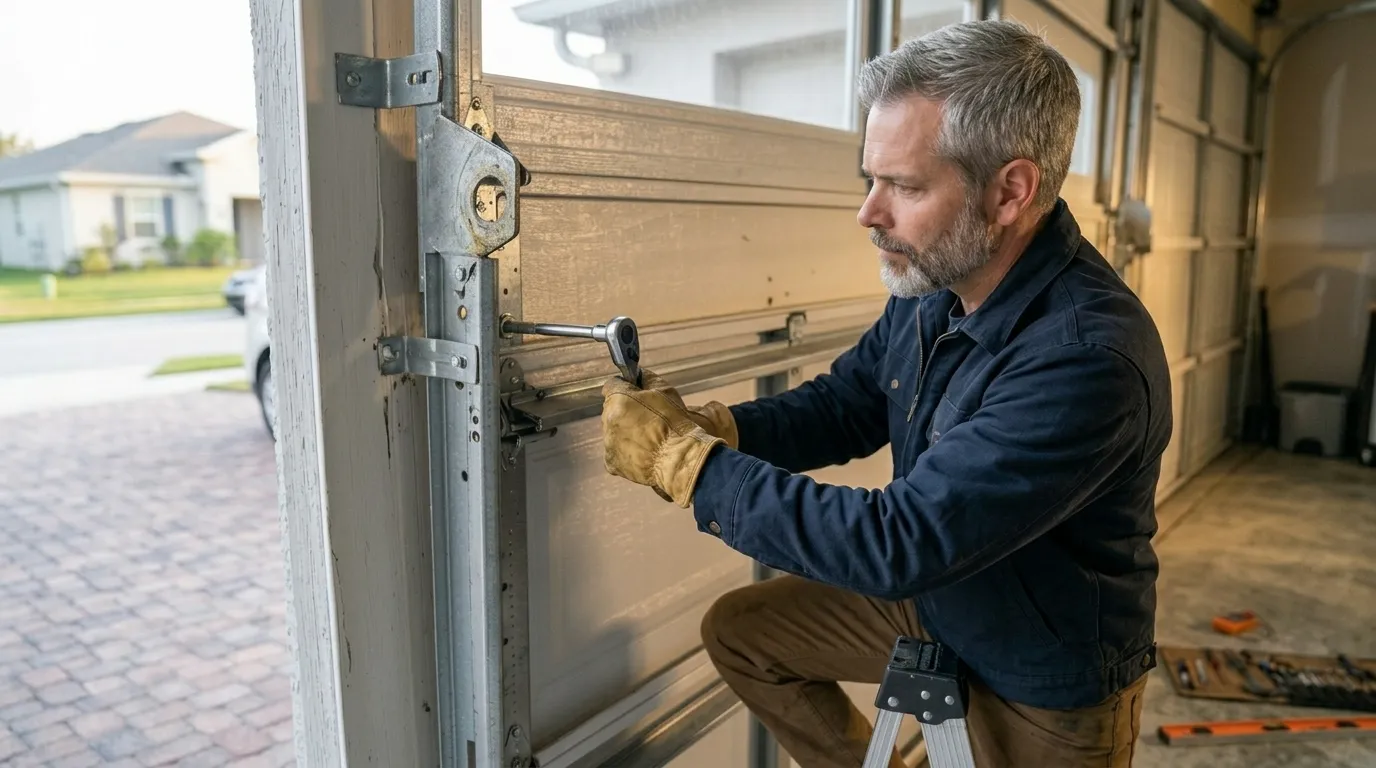
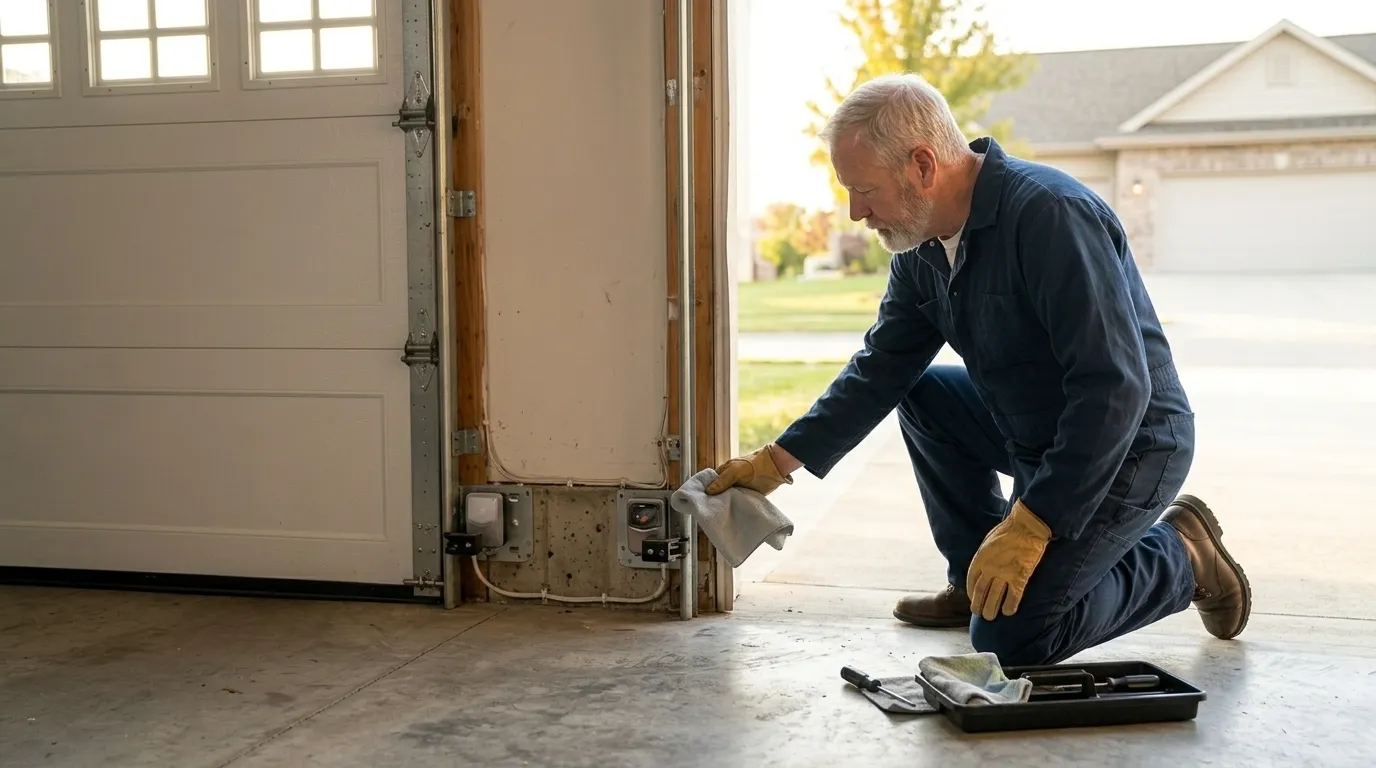
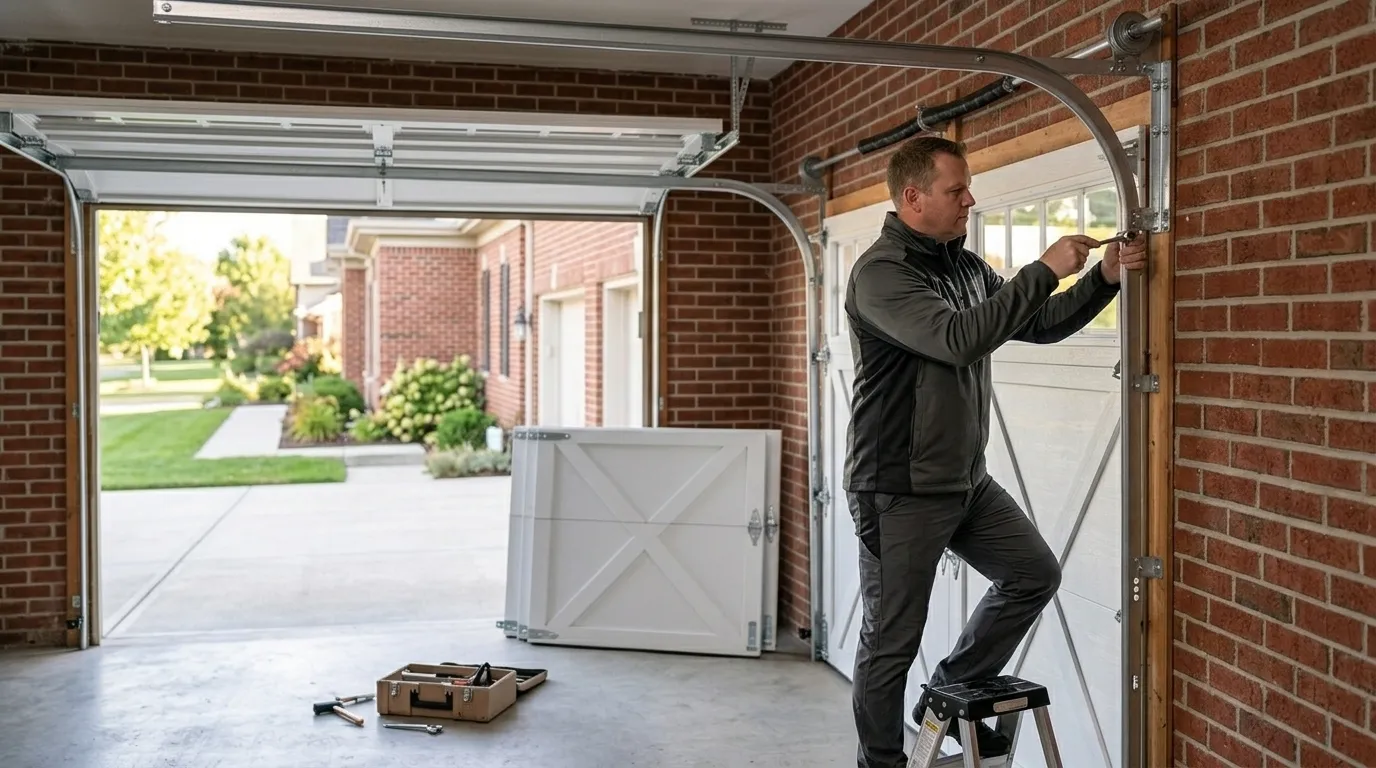
Plenty of homeowners can swap a wall button or reprogram a remote on their own, and that's a fair place to draw the line yourself. Where it gets risky is anything involving the spring system or the header bracket that carries the opener's own weight - torsion springs store enough force to cause a serious injury, and that's true whether you're doing a repair or clearing the way for a new opener install. Given that a lot of the area's housing stock dates to the 1960s and 70s, the header framing and door track in these garages often don't match what comes in a big-box opener kit, and forcing a universal mounting bracket onto old wood framing is how you end up with an opener that pulls loose within a season. If you're comfortable with basic electrical and have a second set of hands, the low-torque parts of the job are doable. The high-torque parts aren't worth the trip to the ER to save a service call.
Why It Happens Here
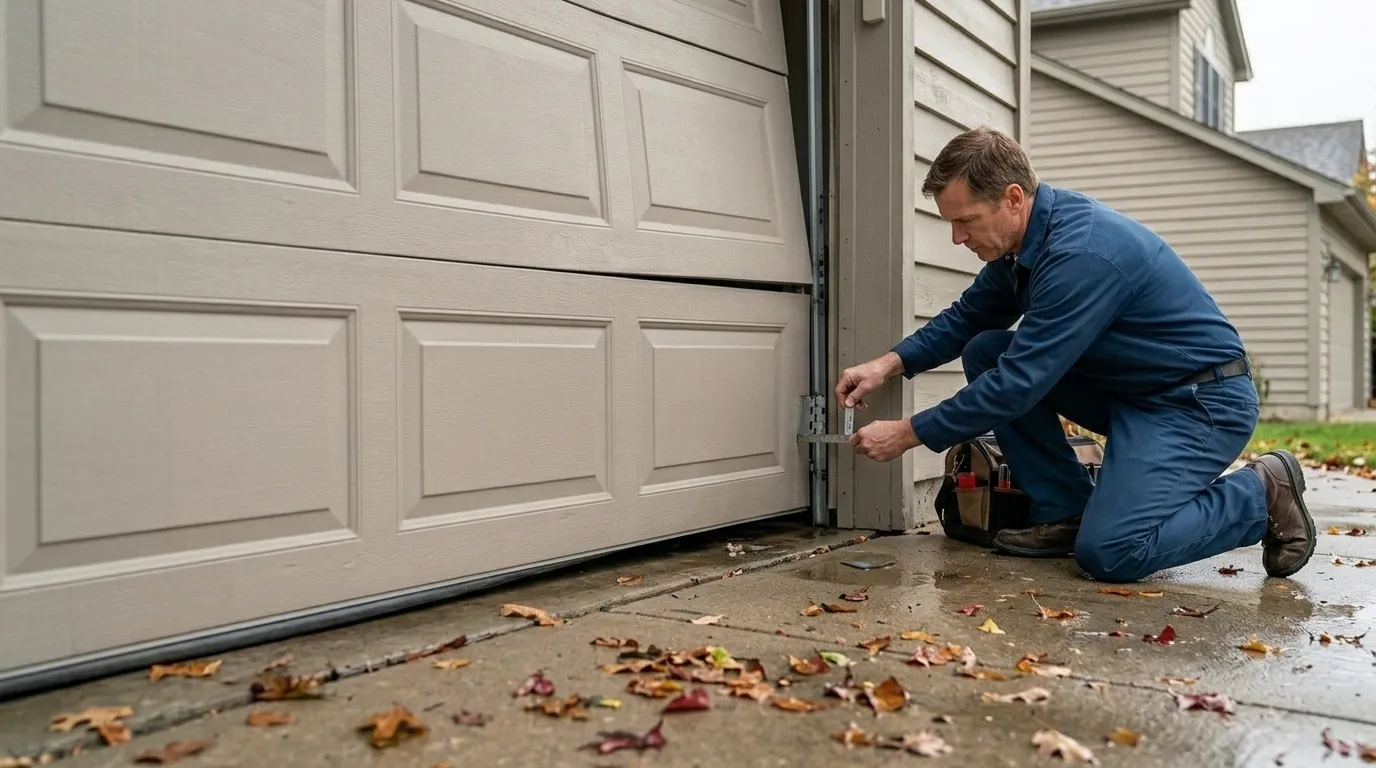
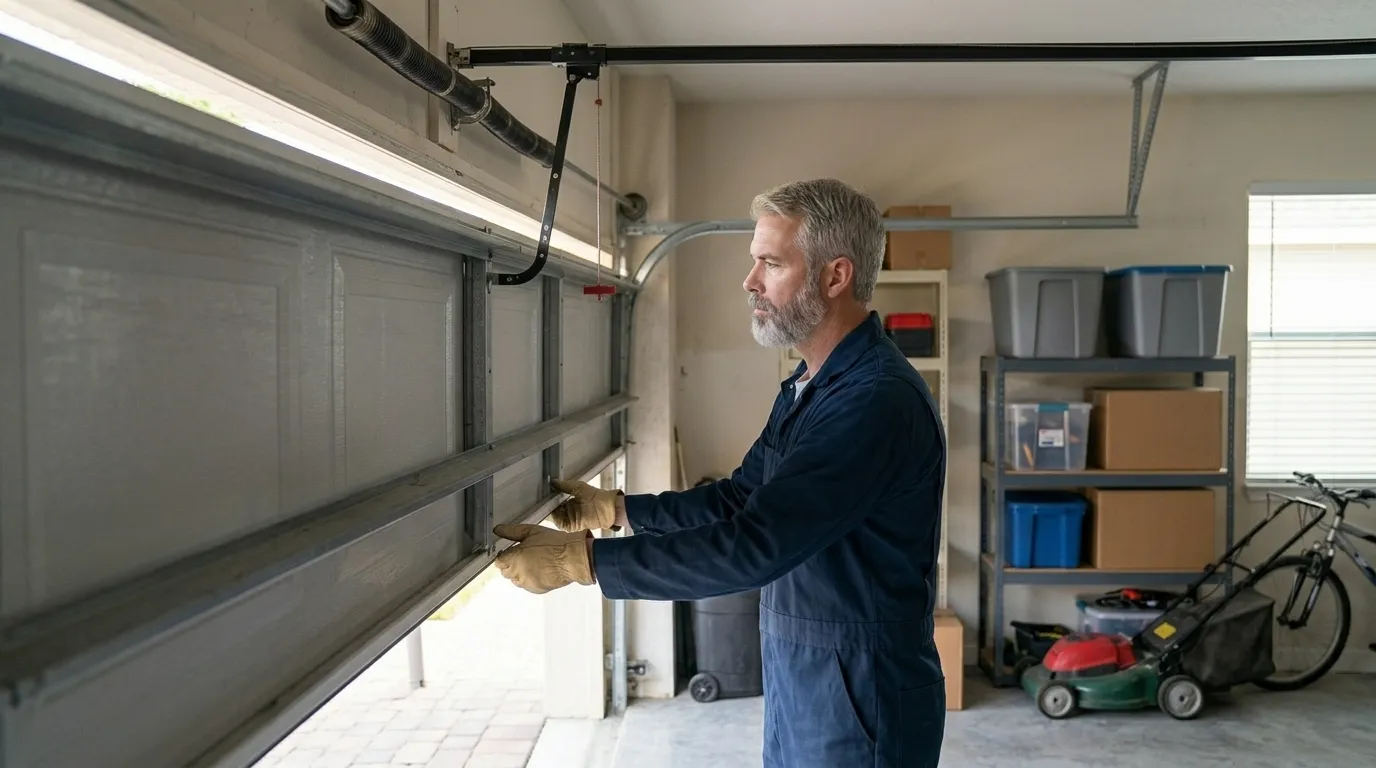
Winters in this area fall into the cold-severe climate band, and that matters more for openers than people expect. Cold makes garage door springs stiffer and lubricant thicker, so the opener has to work harder to get the door moving on a 10-degree morning than it does in July - and an opener that was already marginal for the door's weight fails first in January, not August. Combine that with a service area where most homes were built in the 1960s and 70s across the roughly 28 named communities we cover, and you get a lot of garages with springs and doors sized to older, lighter panel construction paired with newer, heavier insulated replacement doors and an opener that never got upgraded to match. It's a mismatch problem as much as an age problem. We size the opener to the door in front of us, not to a generic recommendation, because a unit that's underpowered for a heavier door will keep failing no matter how many times it gets replaced with the same model.