Getting It Booked In
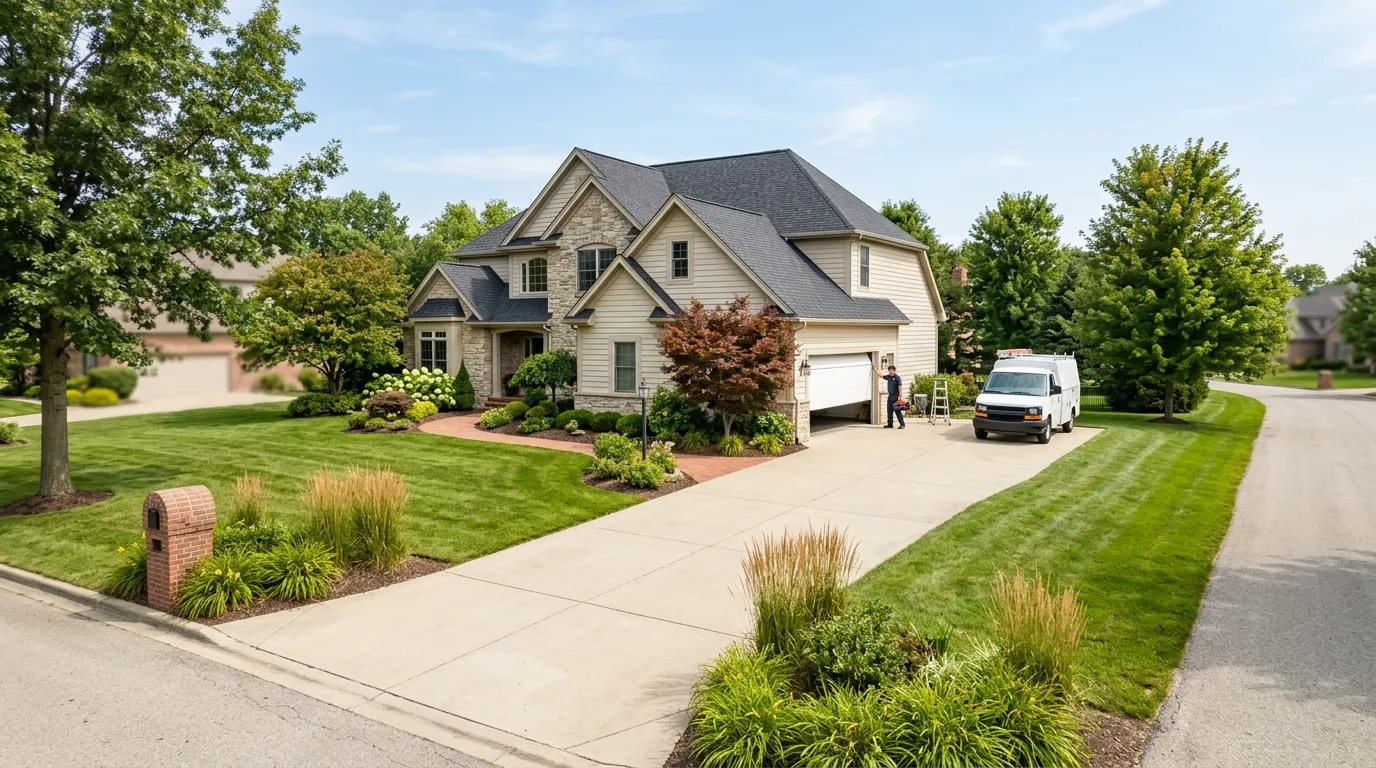
Booking is straightforward: tell us your door's width and height, whether you want belt-drive or chain-drive, and roughly how old the current setup is. Because Canfield is a farther leg from Youngstown than some of the closer suburbs we cover, we like to lock in a firm time window rather than a loose morning-or-afternoon call, so the trip out isn't wasted if nobody's home. If you're also dealing with a stiff spring or a track that's bent, mention it up front. Bundling that repair into the same visit saves you a second eight-mile trip and saves us a second loaded truck. We don't keep a local stock point in Canfield, so anything outside our standard opener kits, like an unusual rail length or a commercial-grade unit, gets ordered ahead of the appointment rather than sourced same-day.
The DIY Question
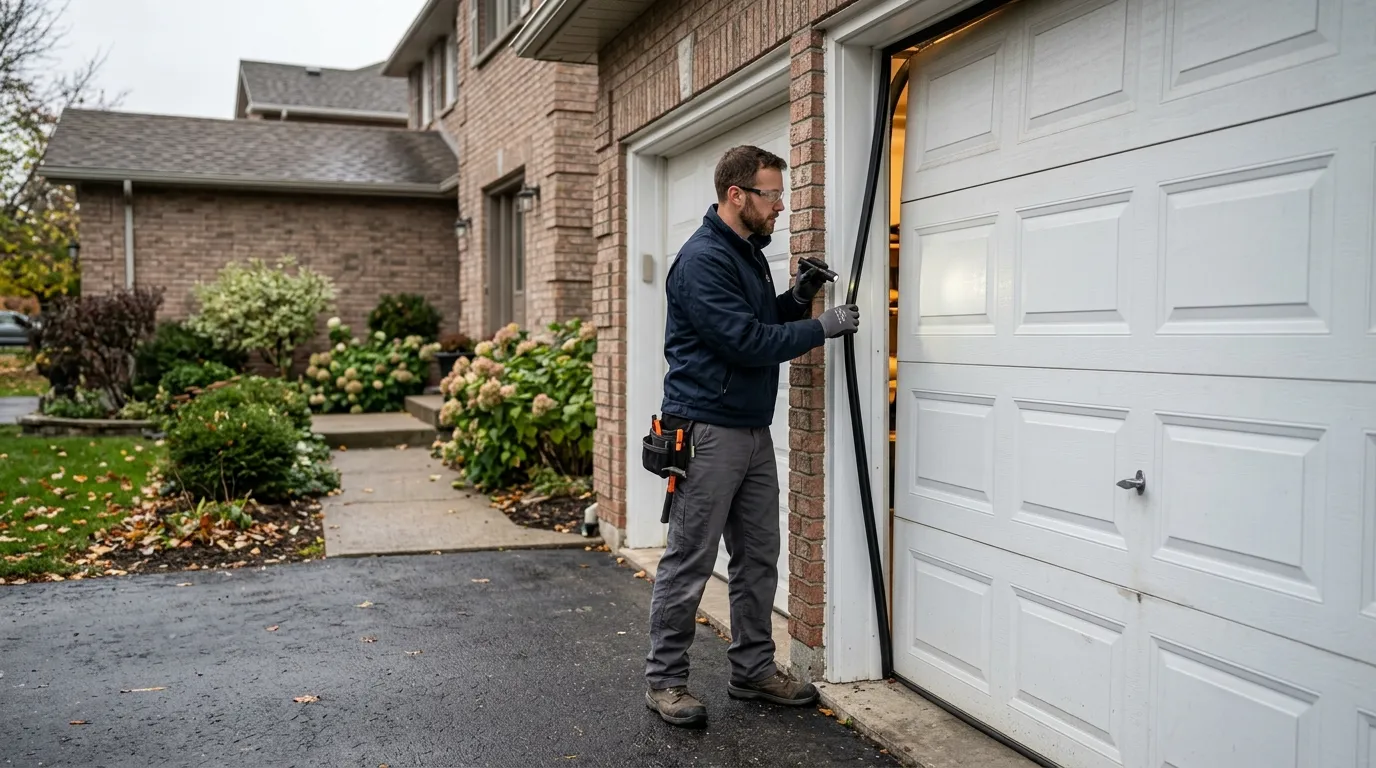
A lot of homeowners can hang a shelf or wire a switch, and an opener install looks like it should be in that category. It mostly isn't, because the safety reversal sensors and the spring tension interact in ways that aren't obvious until something goes wrong. Given the income level here, $97,730 against a $60,598 average across our territory, we see more homeowners asking about the nicer belt-drive units with phone apps and battery backup, which is a fine upgrade if you want it. But the install itself is still the same job: aligning the rail dead straight, setting travel limits so the door doesn't crush anything on the way down, and torquing the trolley correctly. If you've got a newer door on modern hardware, a confident DIYer can manage it with the manual in hand. If your springs look original or the header is oddly shaped, that's where we'd tell you to just call it in.
What You Are Seeing
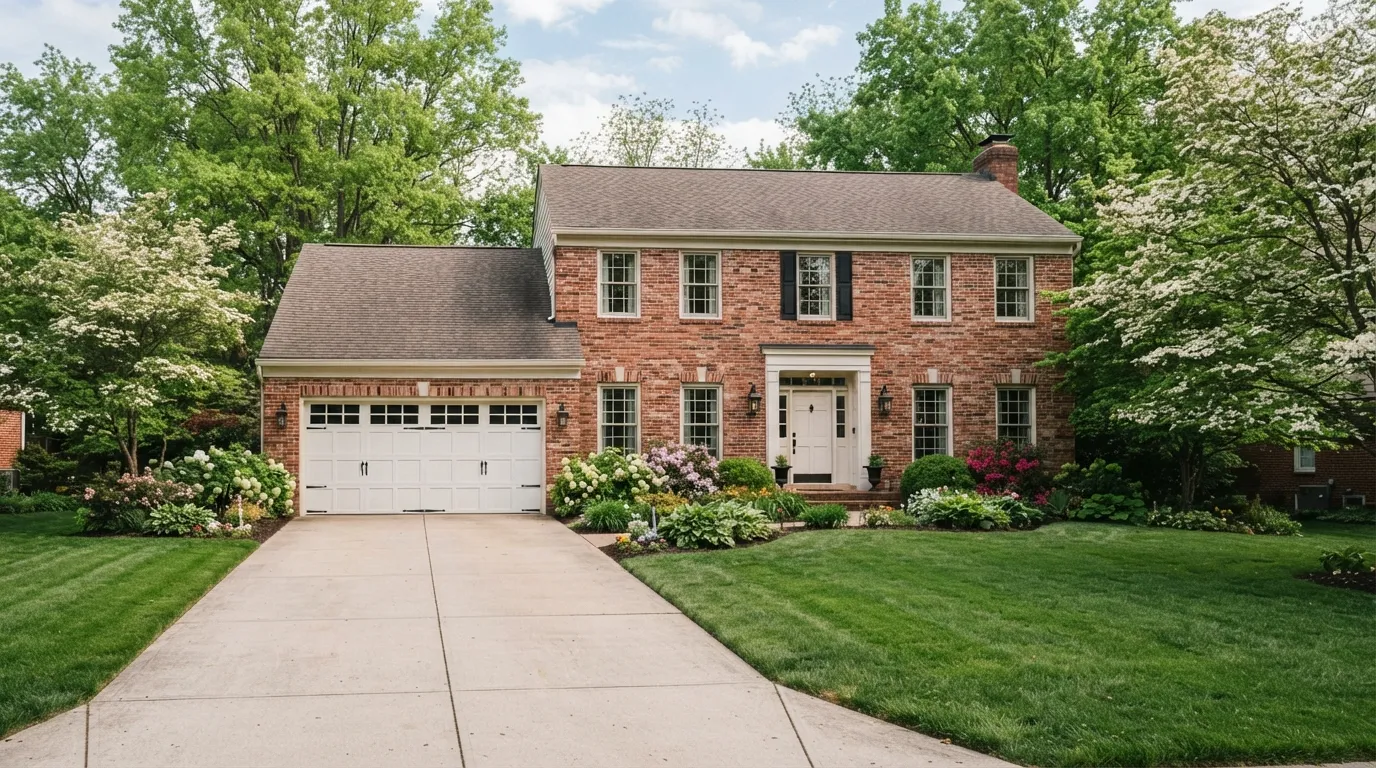
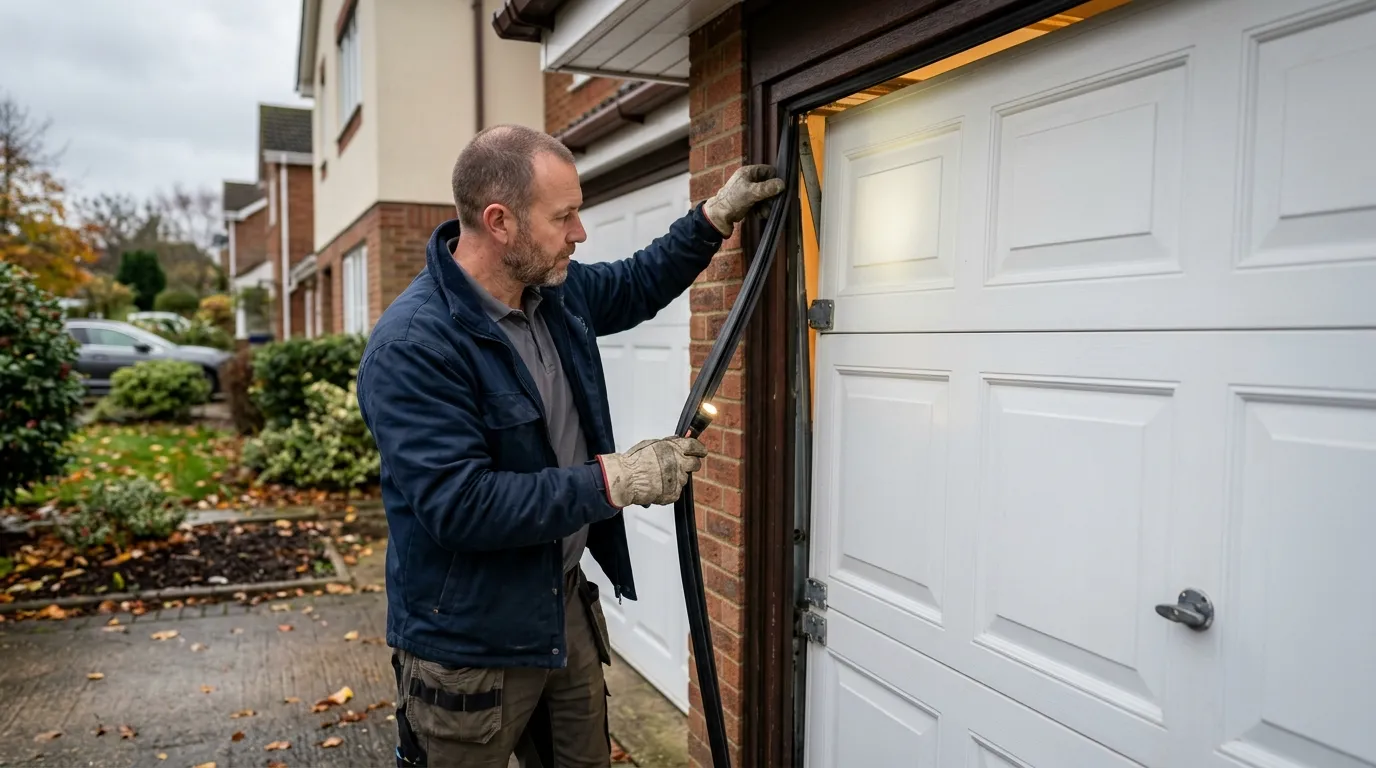
With 3,177 households in Canfield, spread out enough that we don't run a dedicated route through town, most of what we see on service calls here is chain-drive units from the 1990s and 2000s reaching the end of their gear life, plus a smaller number of original openers from homes built closer to the 1977 median. Grinding noise on start-up, a motor that runs but the door doesn't move, or a remote that only works standing under it are the usual complaints. Because this area's stock is newer than a lot of the rest of the territory, where houses date back to the late 1930s, you're less likely to be dealing with an ancient screw-drive unit bolted to hand-cut wood track. More often it's a modern chain-drive that's simply worn its plastic gear down to nothing.
Why It Happens Here
This whole service area sits in a cold climate band with severe winters, and that matters for openers as much as it does for the door itself. Cold makes grease stiffen, plastic gears turn brittle, and the logic board's cold-start behavior get sluggish, all of which shortens the working life of a unit that would run another few years somewhere milder. Combine that with a housing stock centered around 1977, old enough that a fair number of original openers are still hanging on, and you get a steady stream of calls each winter as units that were already tired finally give out in the cold. We size the replacement opener to the actual door weight and check the cold-start and travel-limit settings before we leave, rather than just bolting on the box and driving off.