What It Costs
We don't have a fixed number to quote you here - pricing depends on what the door needs and what shape the hardware is in, and that varies more in Girard than in a subdivision built all in one year. What we can tell you is what tends to drive the bill up: original hardware that needs full replacement rather than adjustment, and cold-weather wear on springs that have been cycling since the 1950s. Girard's median household income, at $42,861, runs well under the wider service area's $60,598, and that's part of why we see more households here choosing maintenance and targeted repair over a full door swap. A tune-up that catches a worn cable or a dry hinge before it fails costs less than the parts and the callout after it breaks. We'll always tell you flat if a repair isn't worth it compared to replacing the unit, but for most doors of this era, maintenance is the cheaper road.
The DIY Question
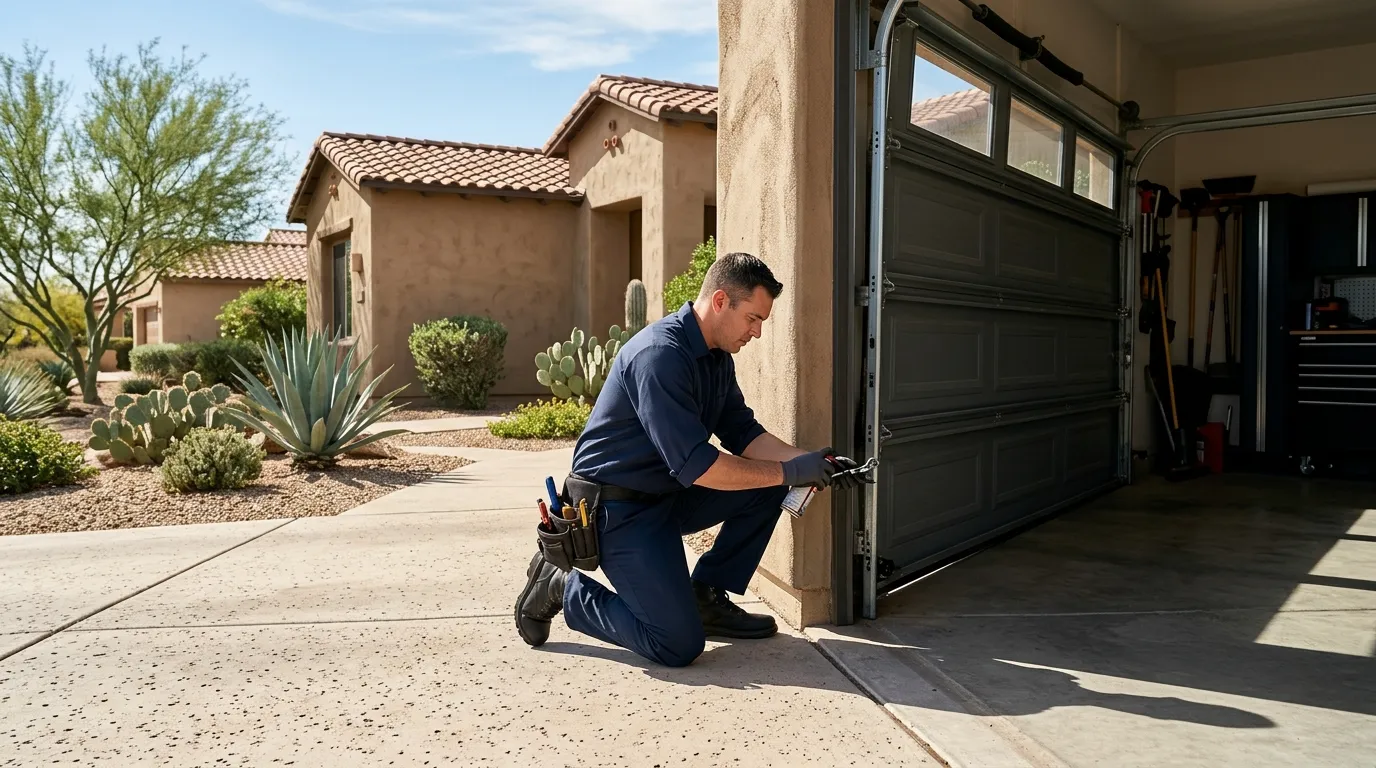
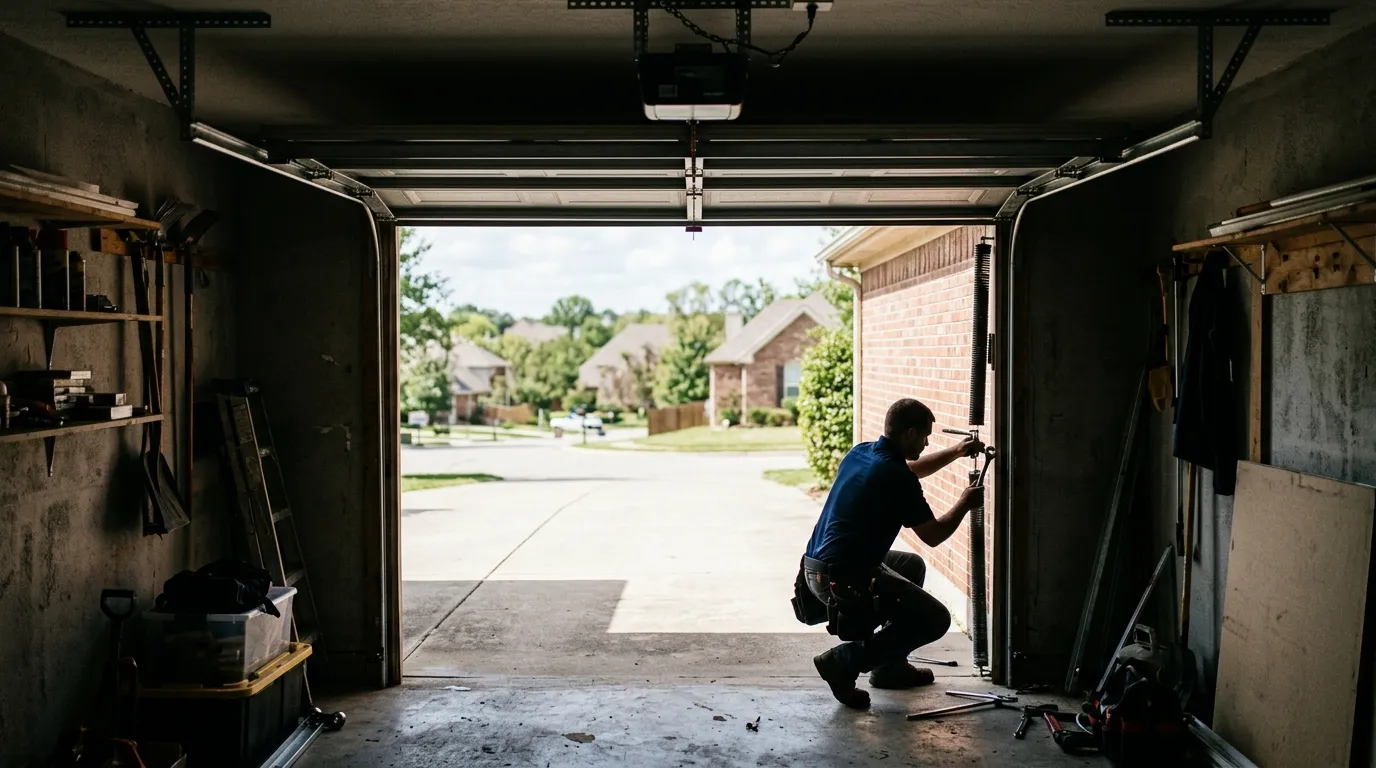
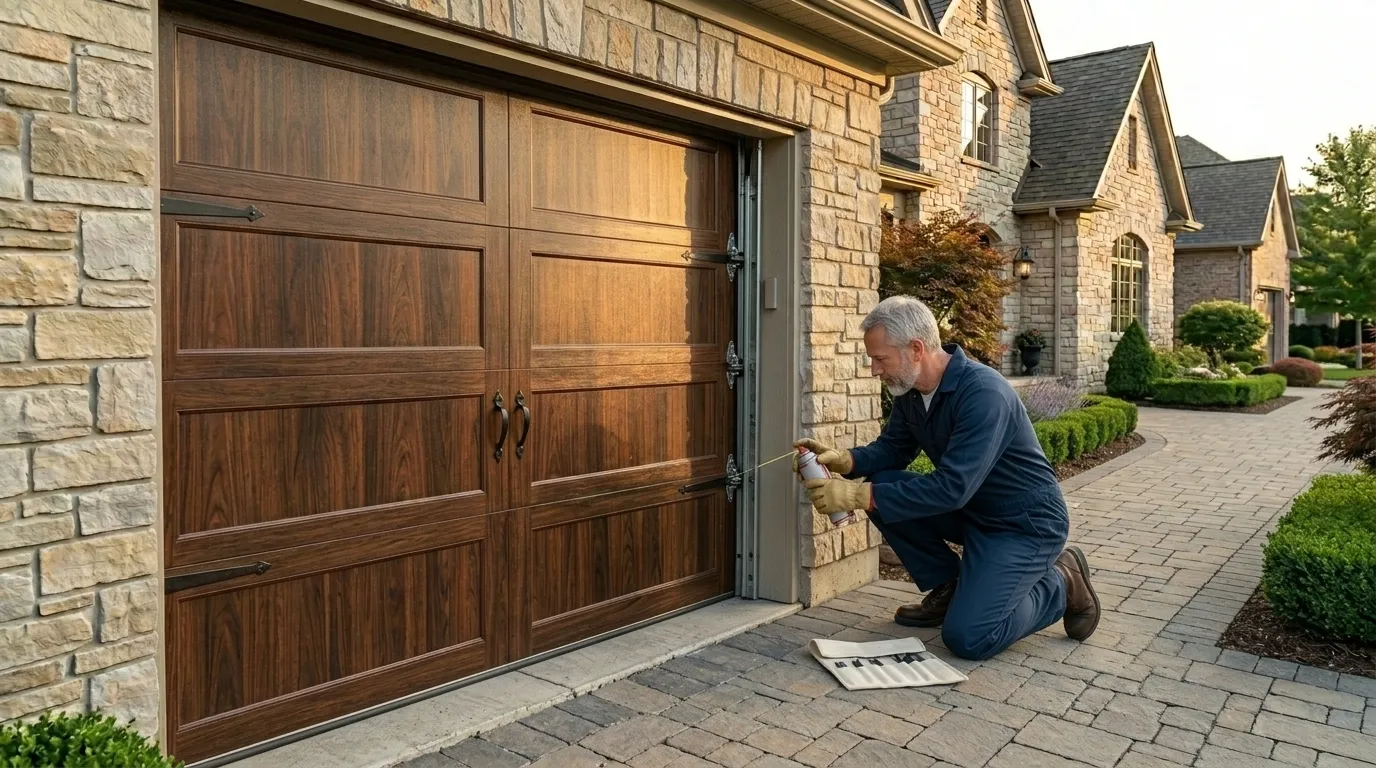
Lubricating hinges and rollers, checking the weatherstrip, and testing the auto-reverse - those are fine to do yourself, and doing them twice a year will catch a lot of small problems before they turn into a service call. What we don't recommend touching yourself is anything involving the spring system, especially on a door this old. A house built in 1956, which is roughly the median build year for Girard, was more likely to go up with a standard extension spring setup than the torsion systems common in newer construction, and old extension springs under tension are not a place to learn on the job. If a spring looks stretched, rusted, or uneven side to side, that's a call, not a project. Beyond that, if a door is sticking, dropping unevenly, or grinding on the track, stop opening it by hand and get it looked at - running a bad track usually turns a repair into a replacement.
Where This Job Goes Sideways
The most common miss on an older Girard door is treating a spring problem as a track problem. A door that's hard to lift, or that slams down instead of settling, usually points to a spring that's lost tension - not a track that needs realigning. On original hardware from the 1950s, that spring has had a long run, and cold winters here don't do it any favors; steel fatigues faster with big temperature swings, and this area sits solidly in the severe end of a cold climate band. The other place this goes wrong is skipping the opener's force settings after a spring adjustment. Get the spring right but leave the opener calibrated for the old tension, and you end up with a door that reverses on its own or doesn't seat at the bottom. We check both together, not one and call it done.
How We Fix It
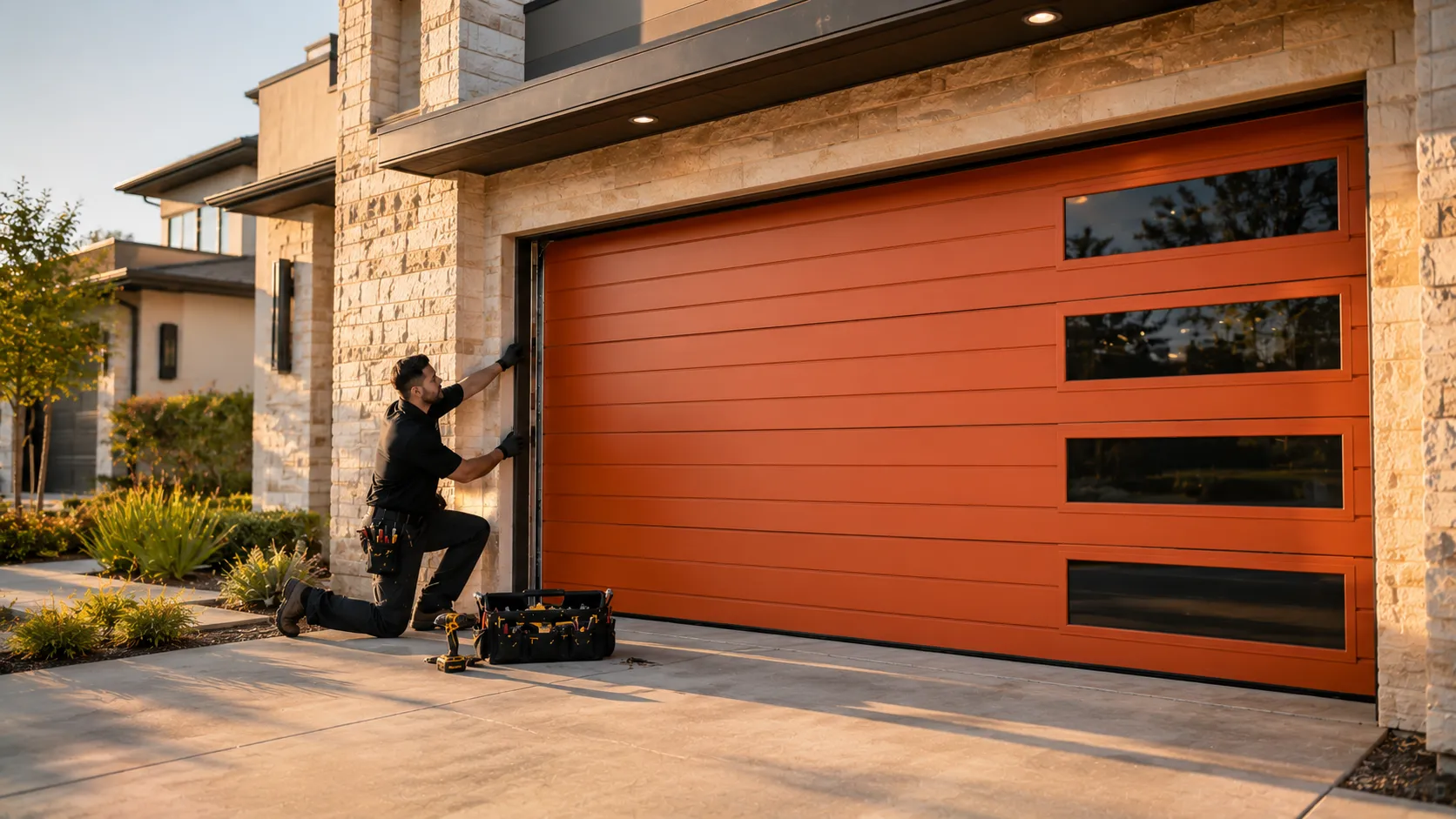
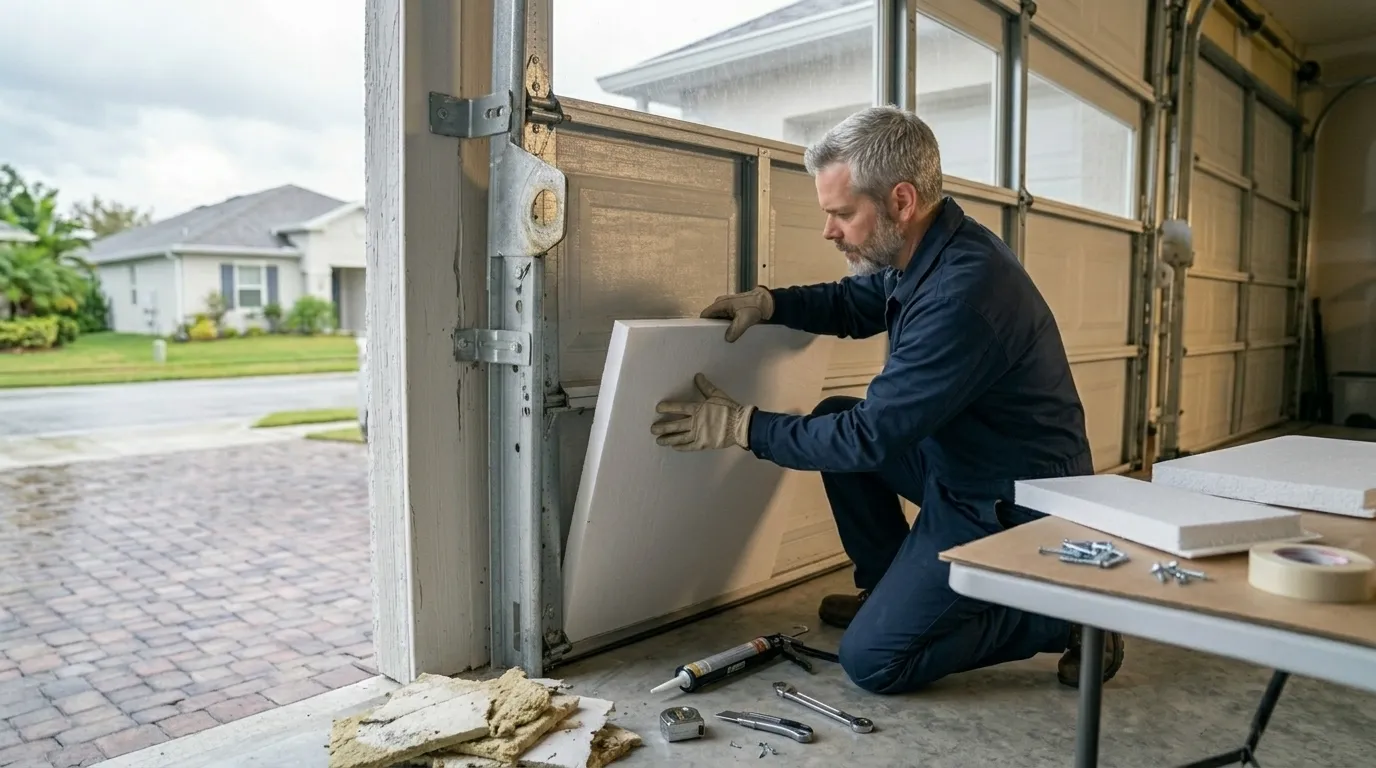
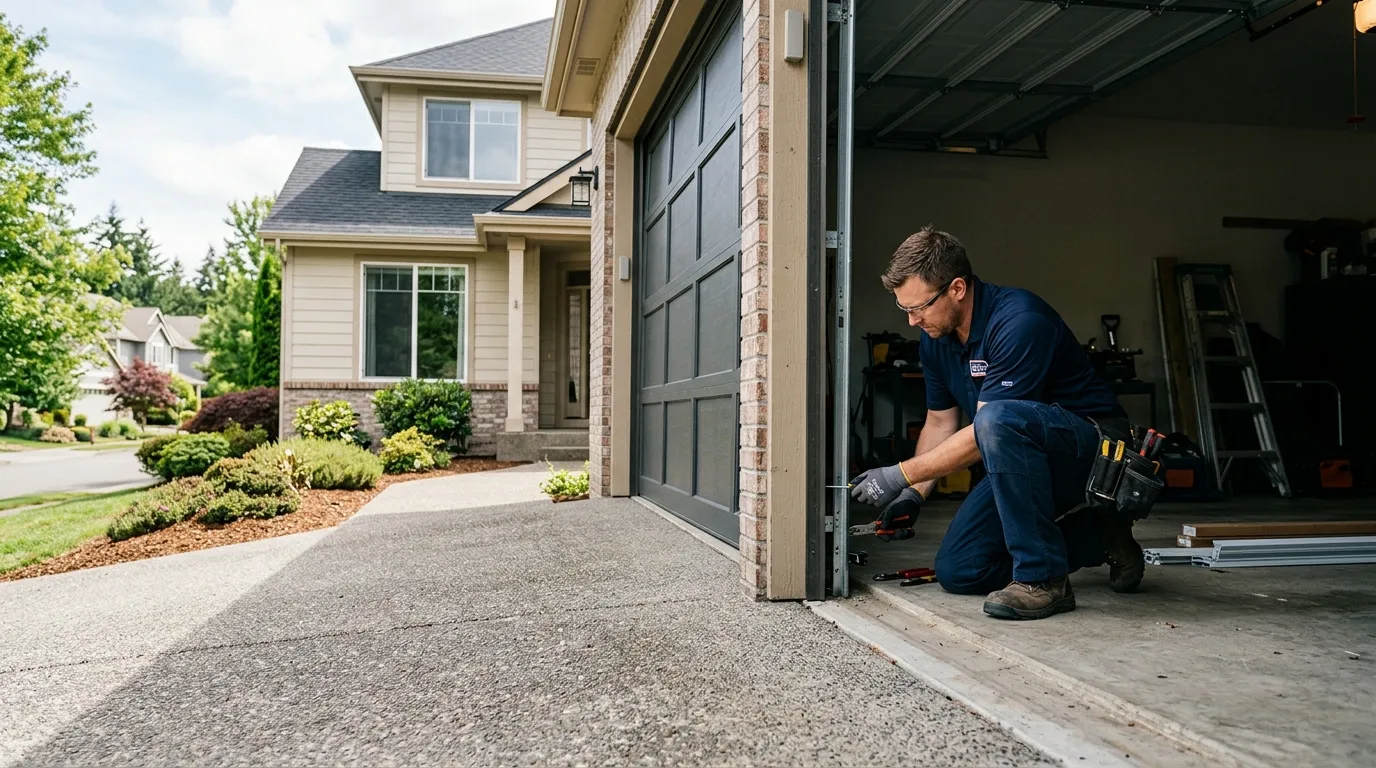
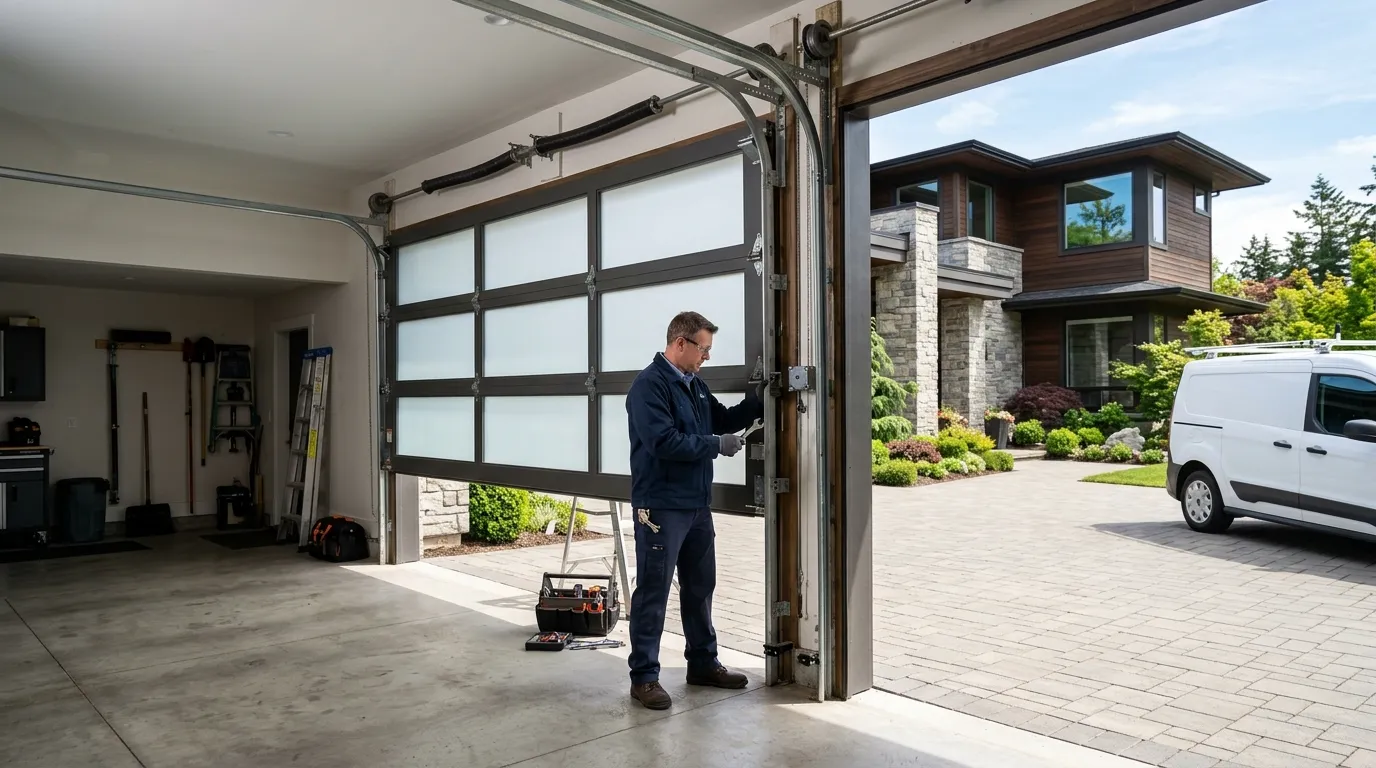
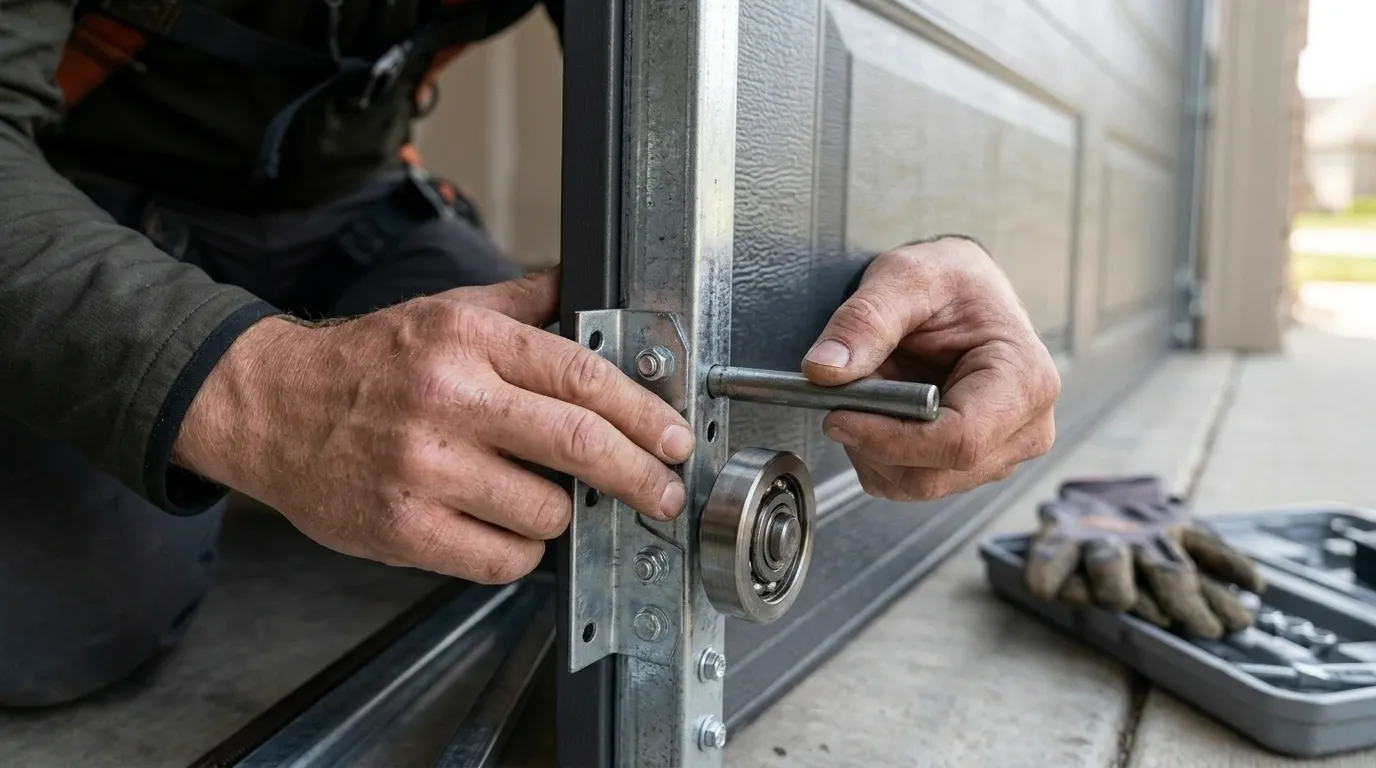
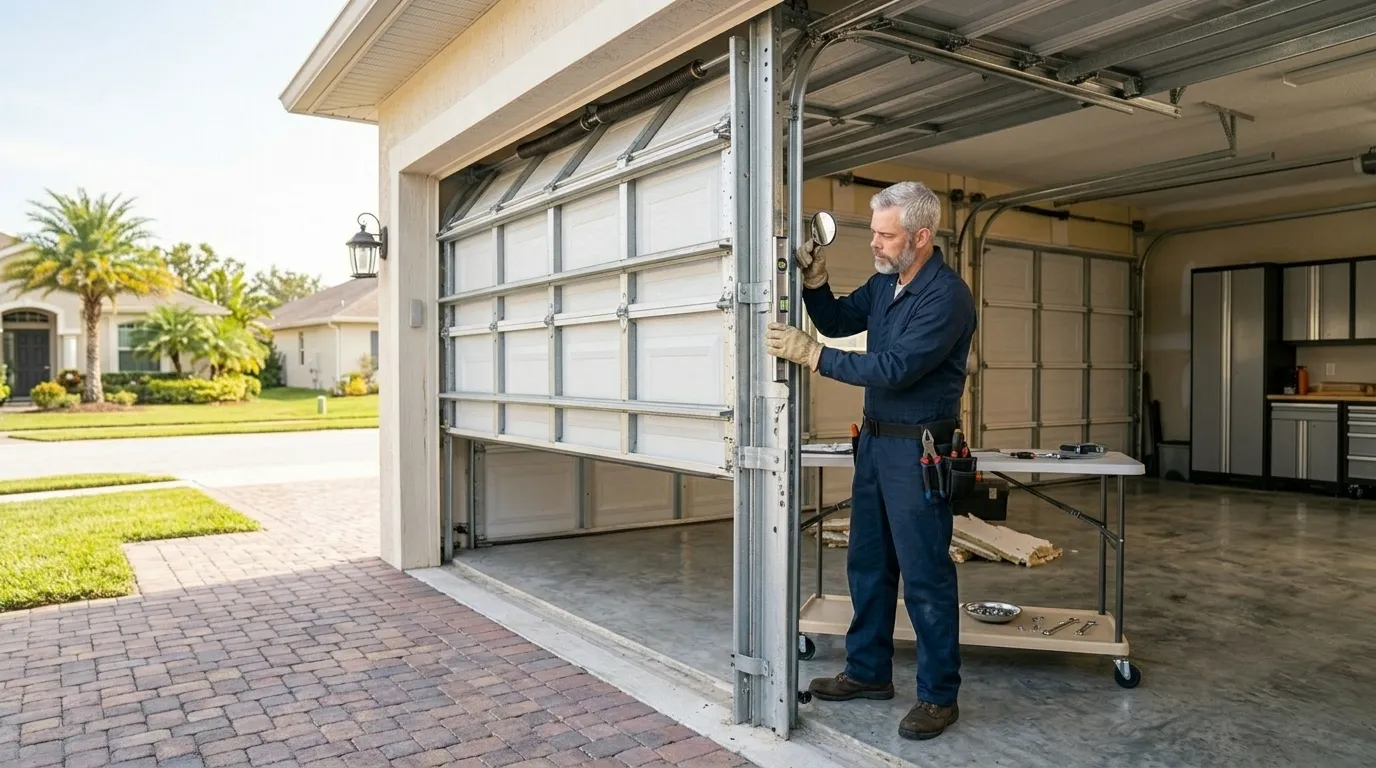
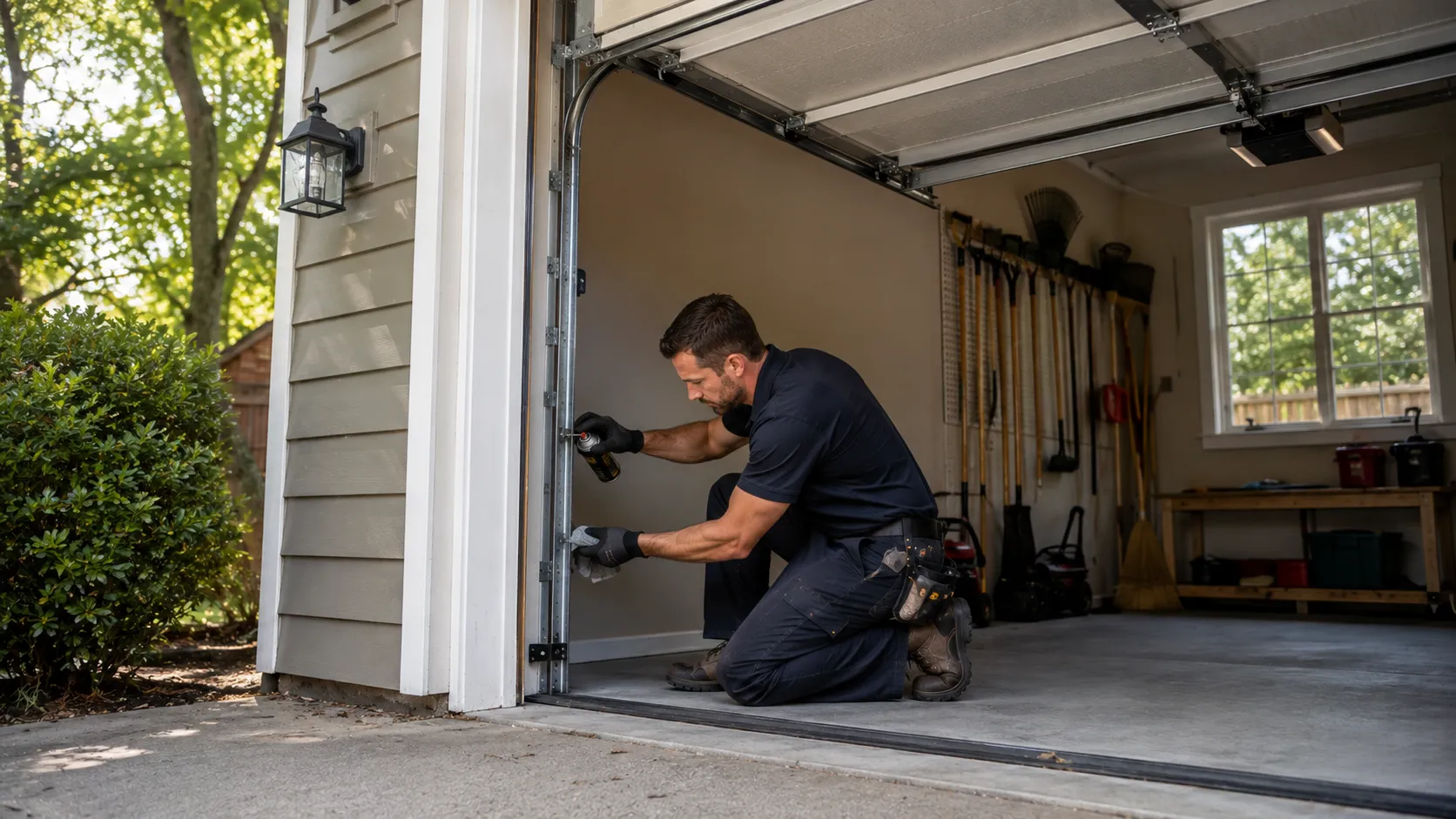
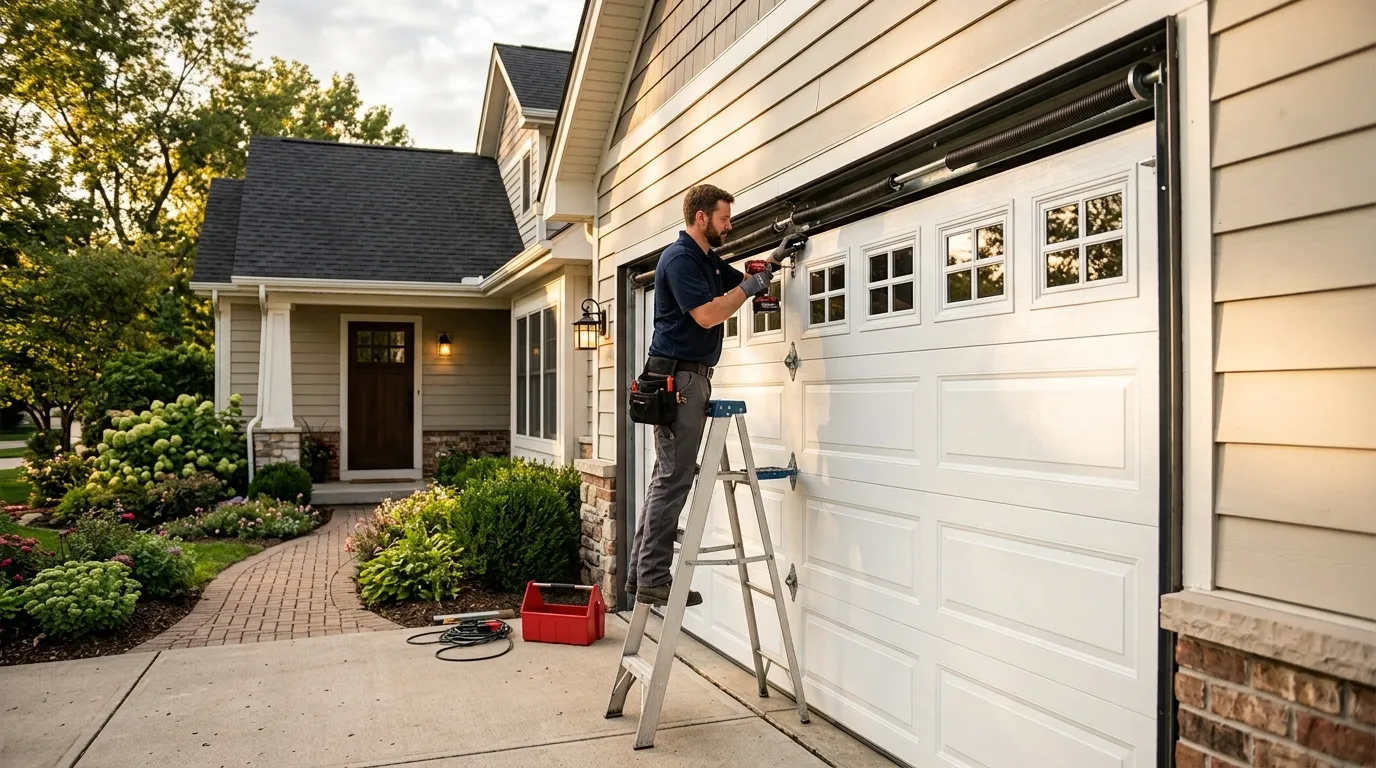
On a Girard maintenance visit we start with the spring system, since that's the part most likely to be original and most likely to be the actual problem, even when the complaint sounds like something else. From there we check the track alignment, the cable condition, and the opener's force and travel settings as a set, not separately - an adjustment to one that isn't matched to the others just moves the wear somewhere new. We lubricate hinges and rollers, check the weatherstrip for the kind of gaps that let cold air in during a hard winter, and test the auto-reverse safety feature every time, no exceptions. If we find hardware that's past the point of a safe adjustment - cracked pulleys, frayed cable, a spring that's been over-wound to compensate for wear - we'll say so and price the replacement part rather than patch it and have you calling again in six months.