What It Costs
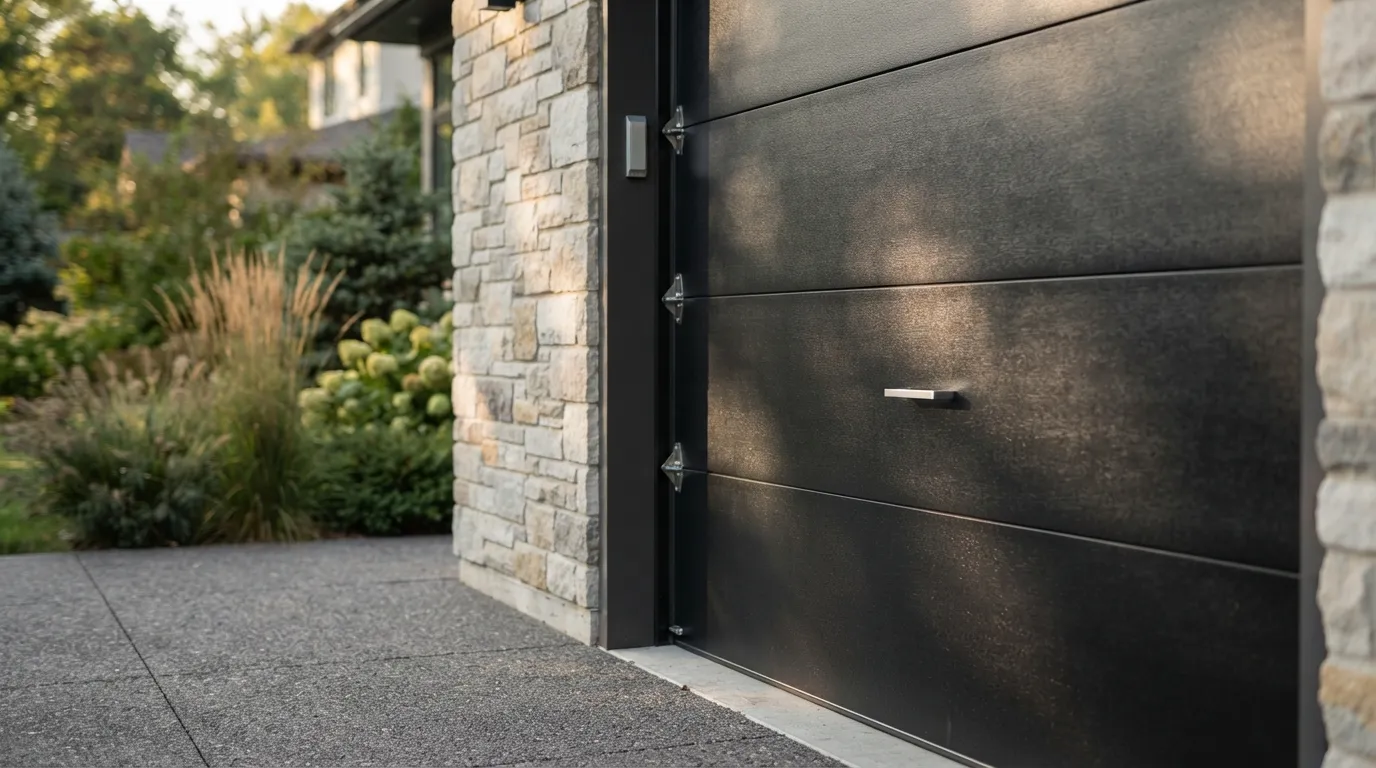
We don't have a published price list for this page, so the honest answer is that it depends on what your opening actually needs - a straight swap into an unmodified 1956 frame costs less than one where a prior owner boxed in the sides or dropped the header for insulation. Girard's median household income sits at $42,861, noticeably lower than the roughly $60,598 median across the wider area we cover, and we mention that because it shapes which doors we bring as options rather than which doors we push. A steel non-insulated door is a legitimate choice here, not a downgrade - insulation only pays for itself if the garage is attached and heated, and plenty of Girard garages aren't.
The DIY Question
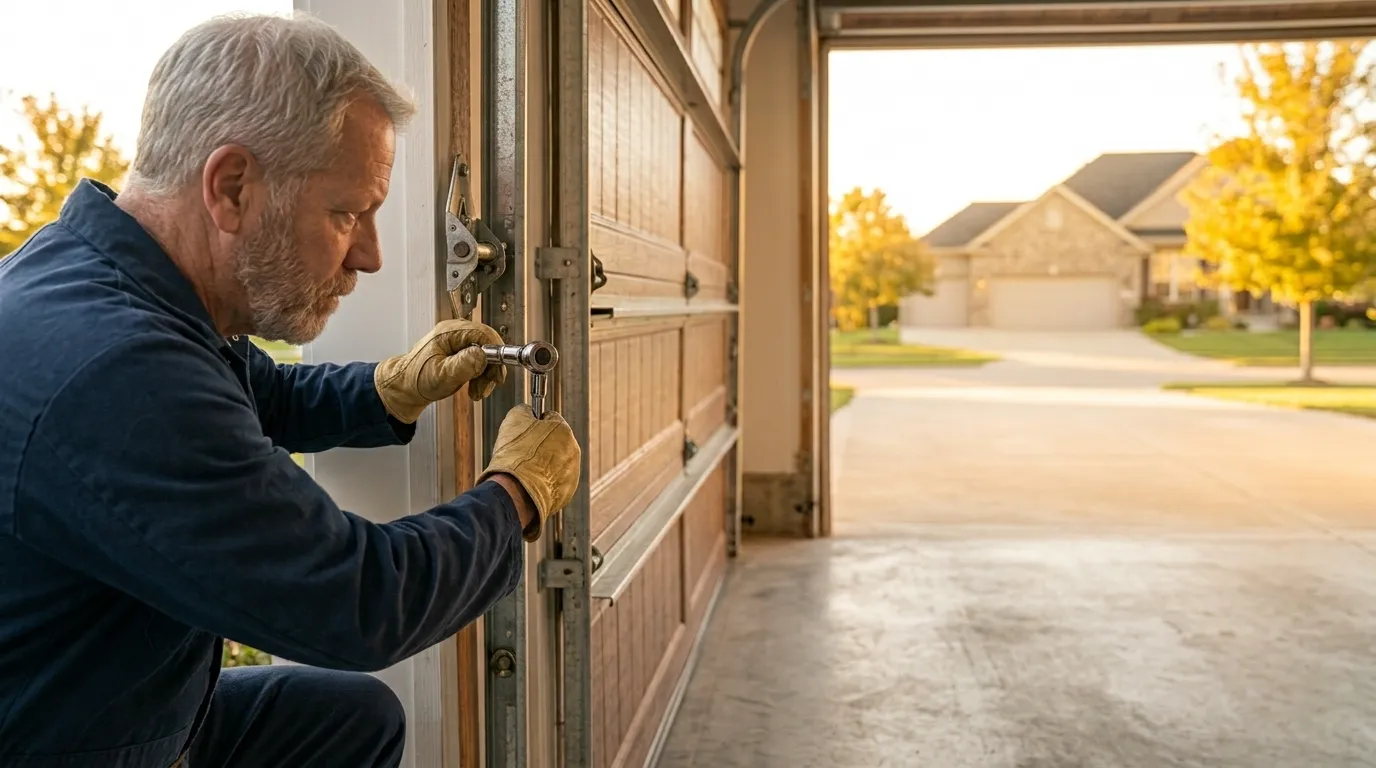
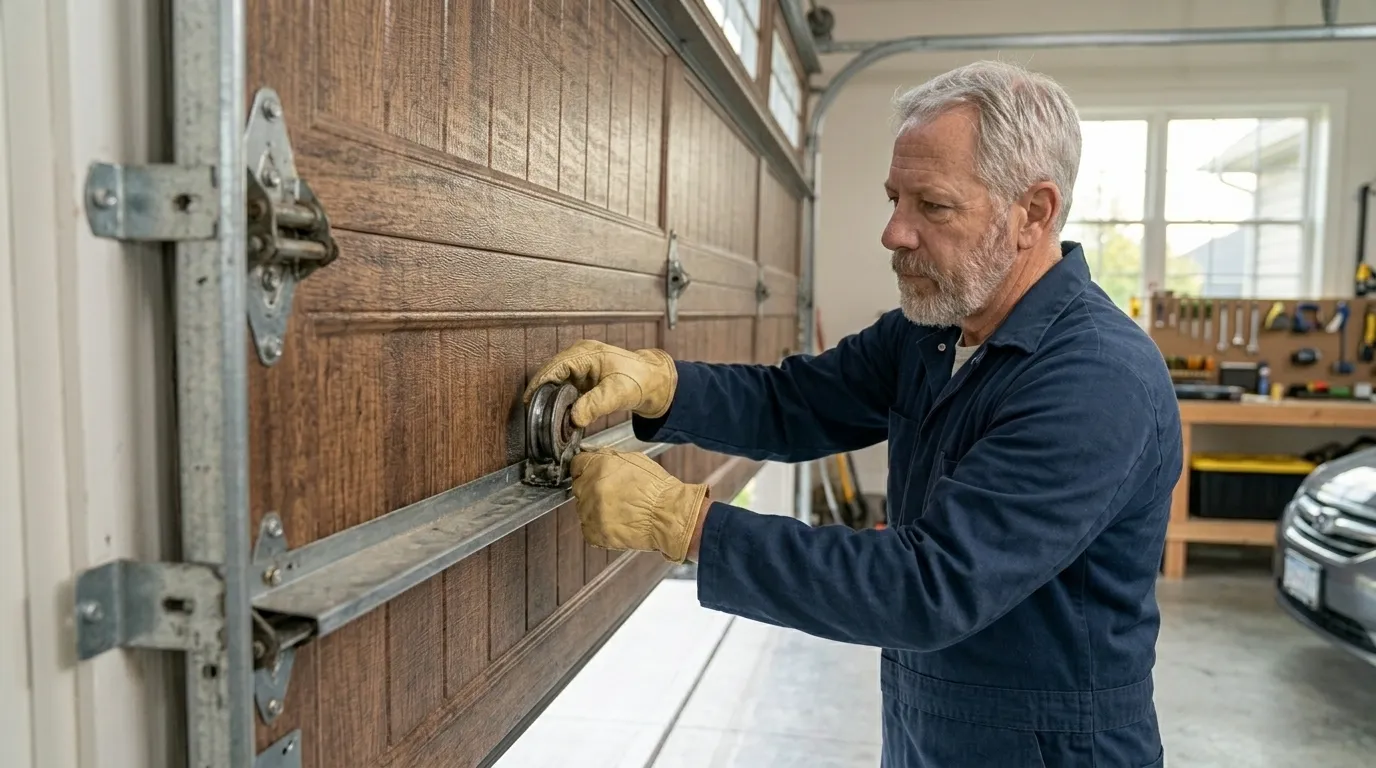
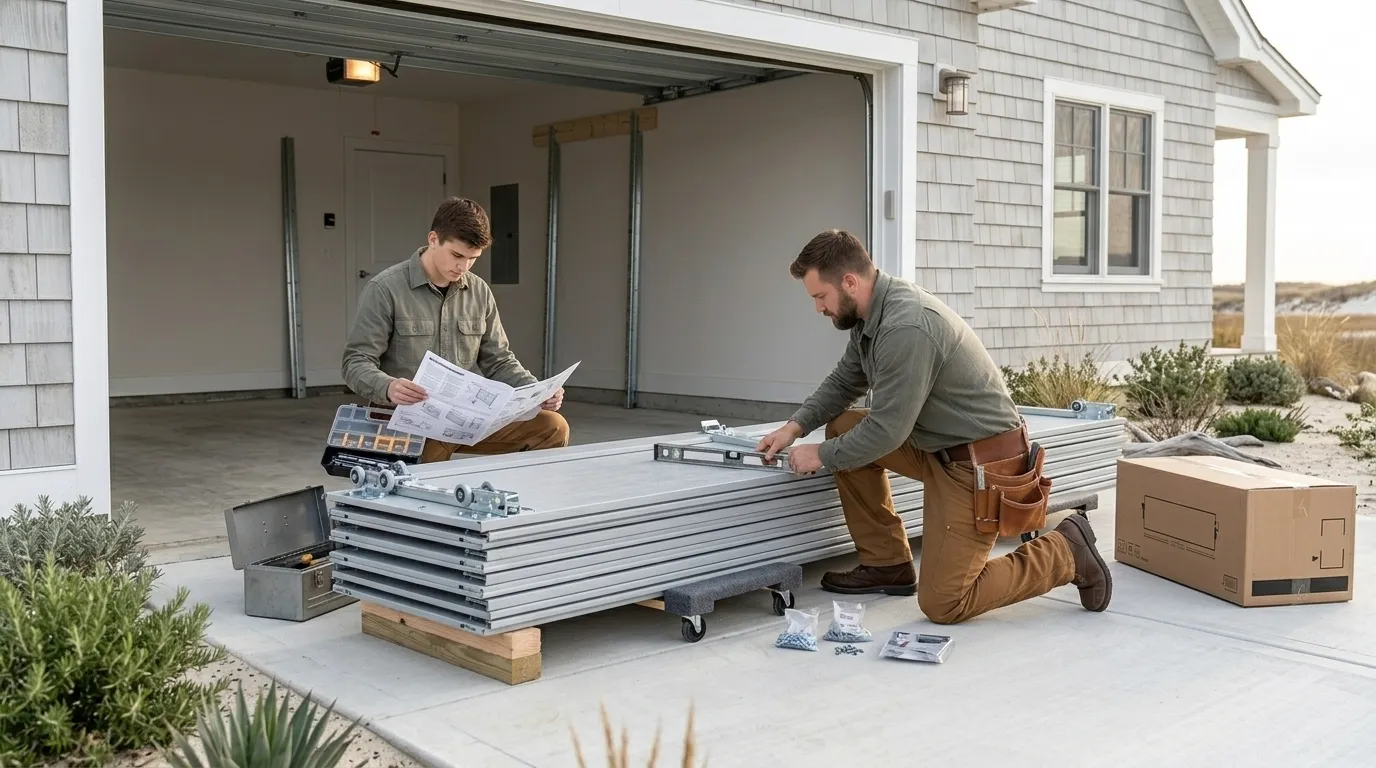
A new door install looks like a two-person job with a rental van and a Saturday, and on paper it is. Where it goes wrong on houses this age is the track alignment - a 1956 opening was framed by hand, not to a modern jamb spec, and it's common for the two sides to be off by enough that a new door binds on one roller and nobody notices until the cable frays. We're not going to tell you it can't be done. We are going to tell you that if your opening has never been re-squared since the house was built, checking that first saves you from installing a new door onto an old problem. That's the one part of this job that's genuinely worth paying someone to eyeball before you spend money on the door itself.
Where This Job Goes Sideways
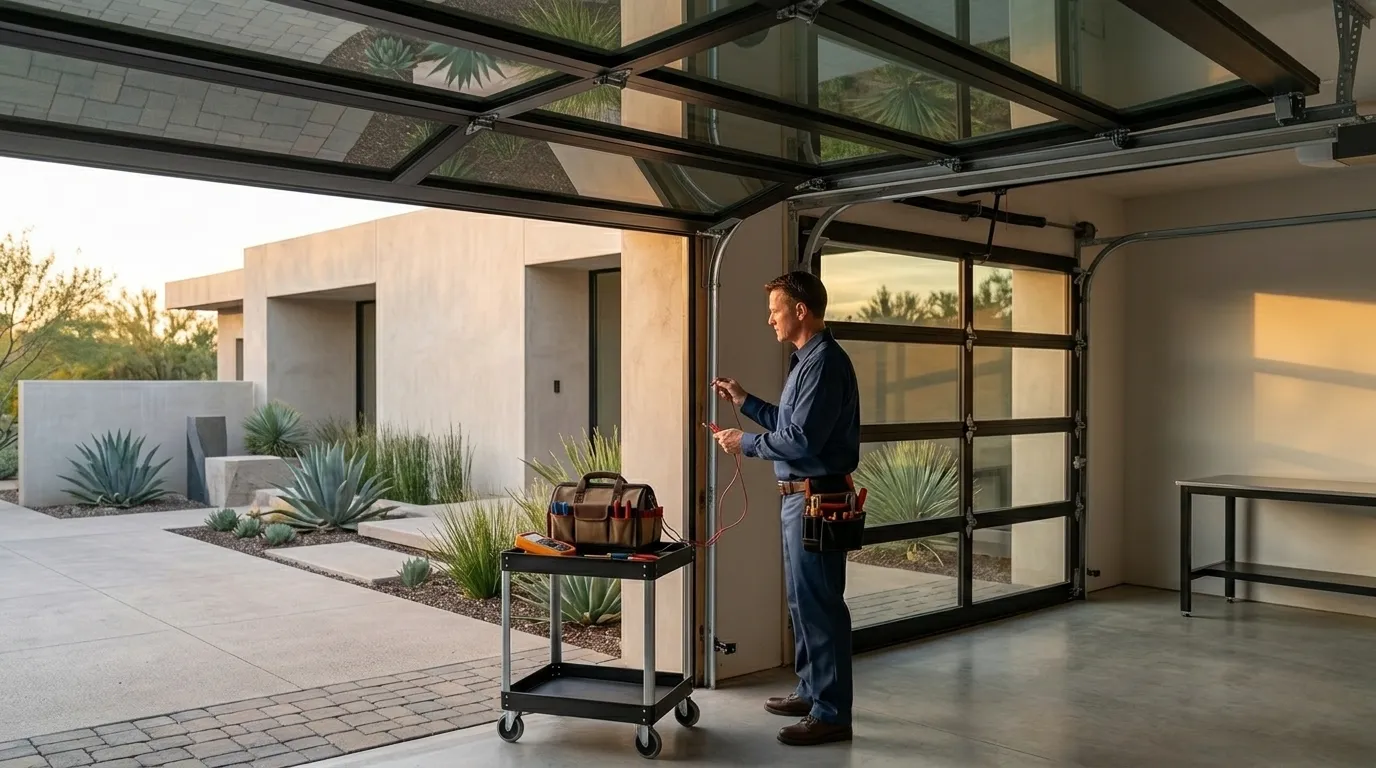
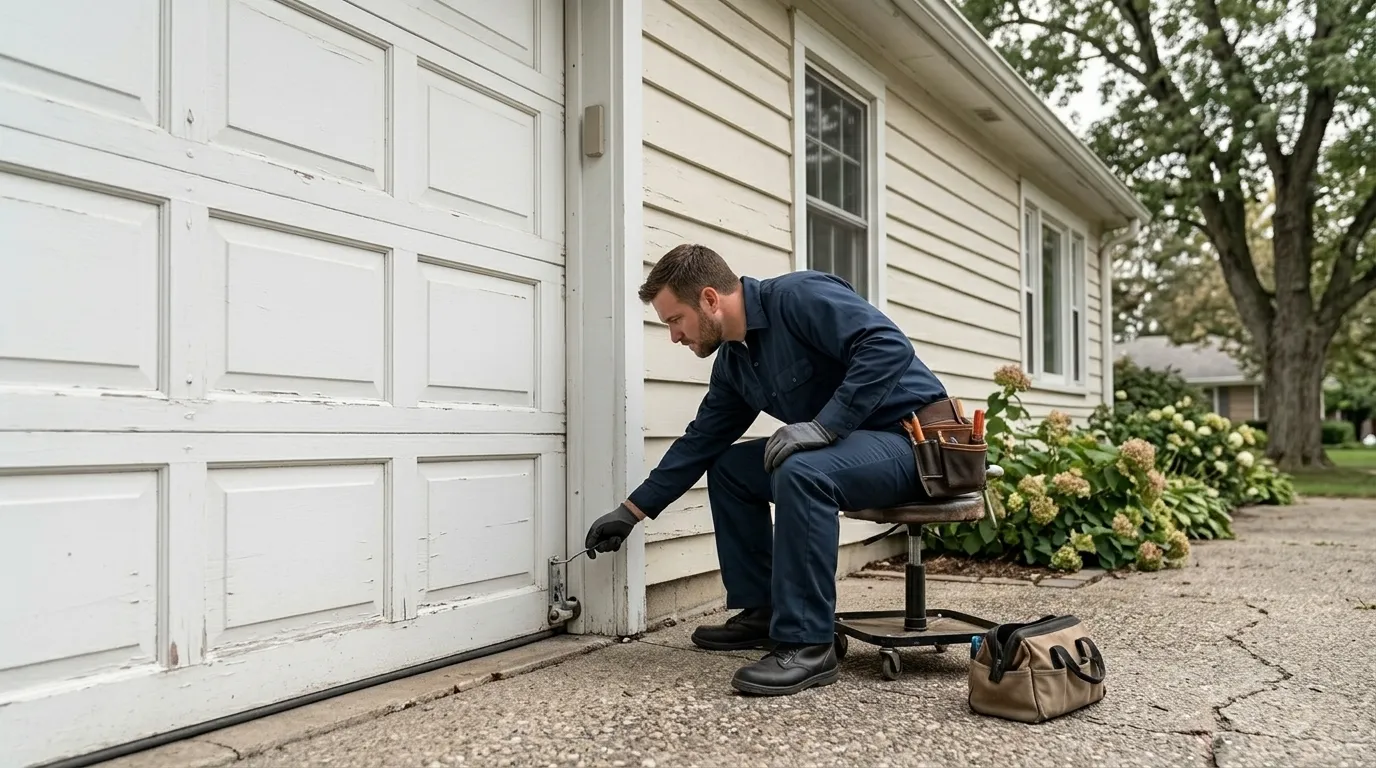
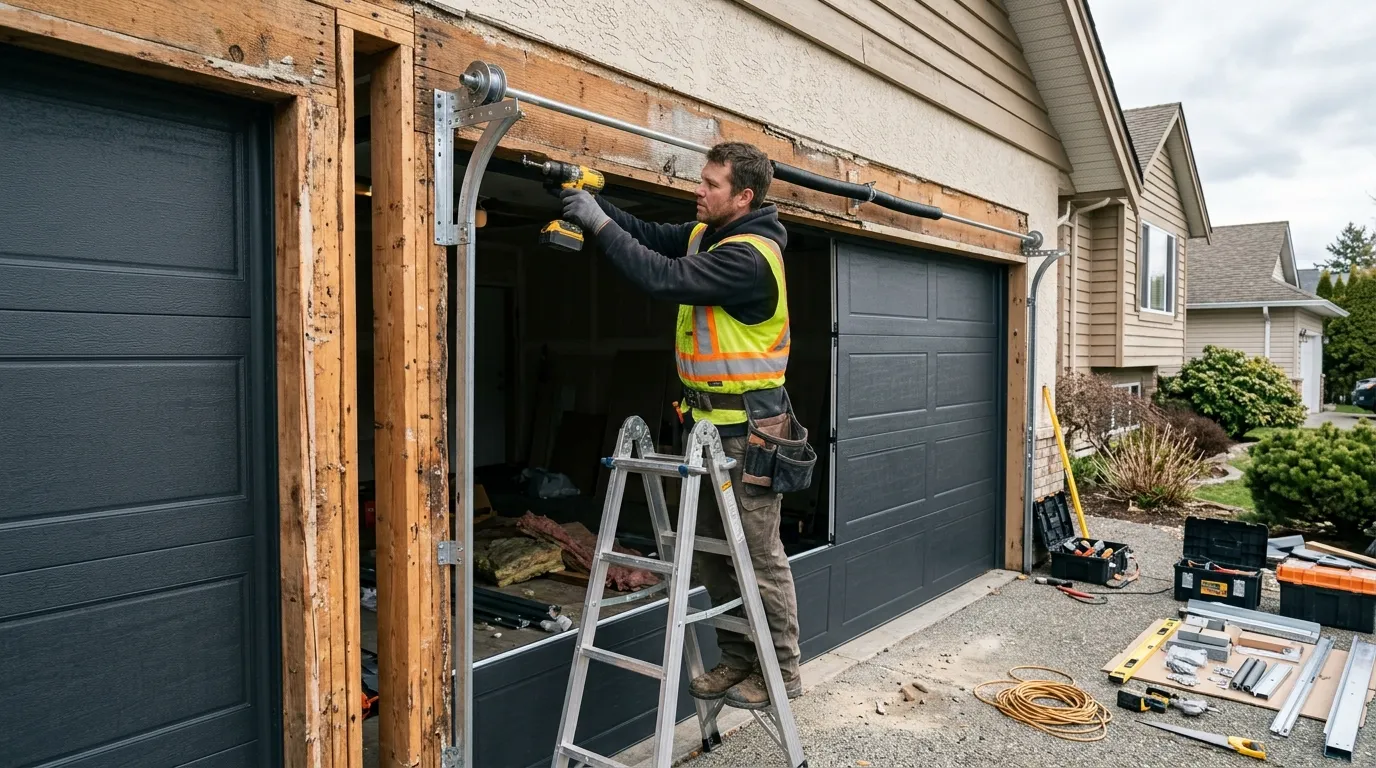
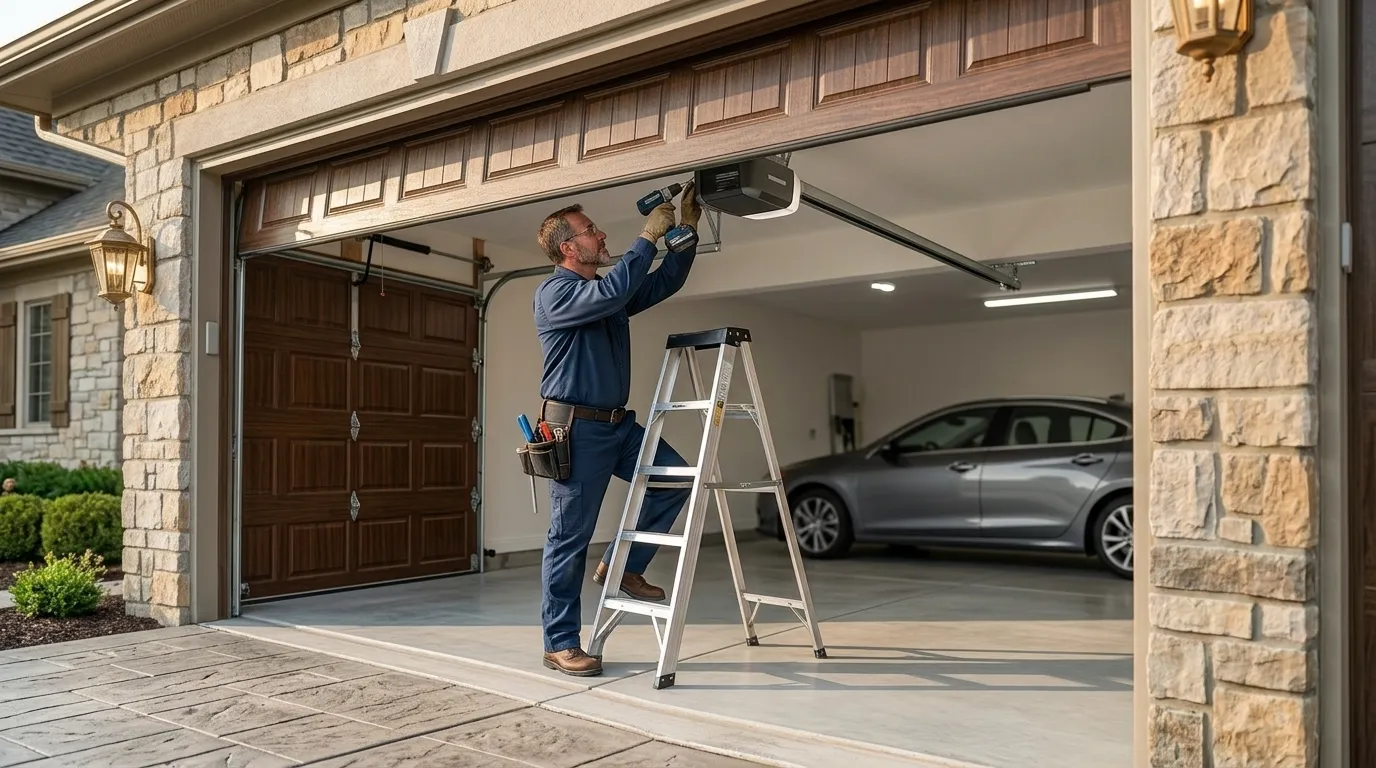
The failure we see most in Girard isn't the door itself, it's the track and header behind it. On a house built in 1956, there's a decent chance nobody has touched the framing since, which means the wood the new track bolts into has 70 years of moisture cycling in a cold-climate garage behind it. We test that wood before we hang anything - if it's soft, we say so, and that adds a step (and a cost) that isn't in the base quote. The other spot this goes sideways: openers. A new door on an old opener chain-driven unit sized for a lighter original panel can strain and burn out fast, so we check opener horsepower against the new door's weight before we call the job done.
How We Fix It
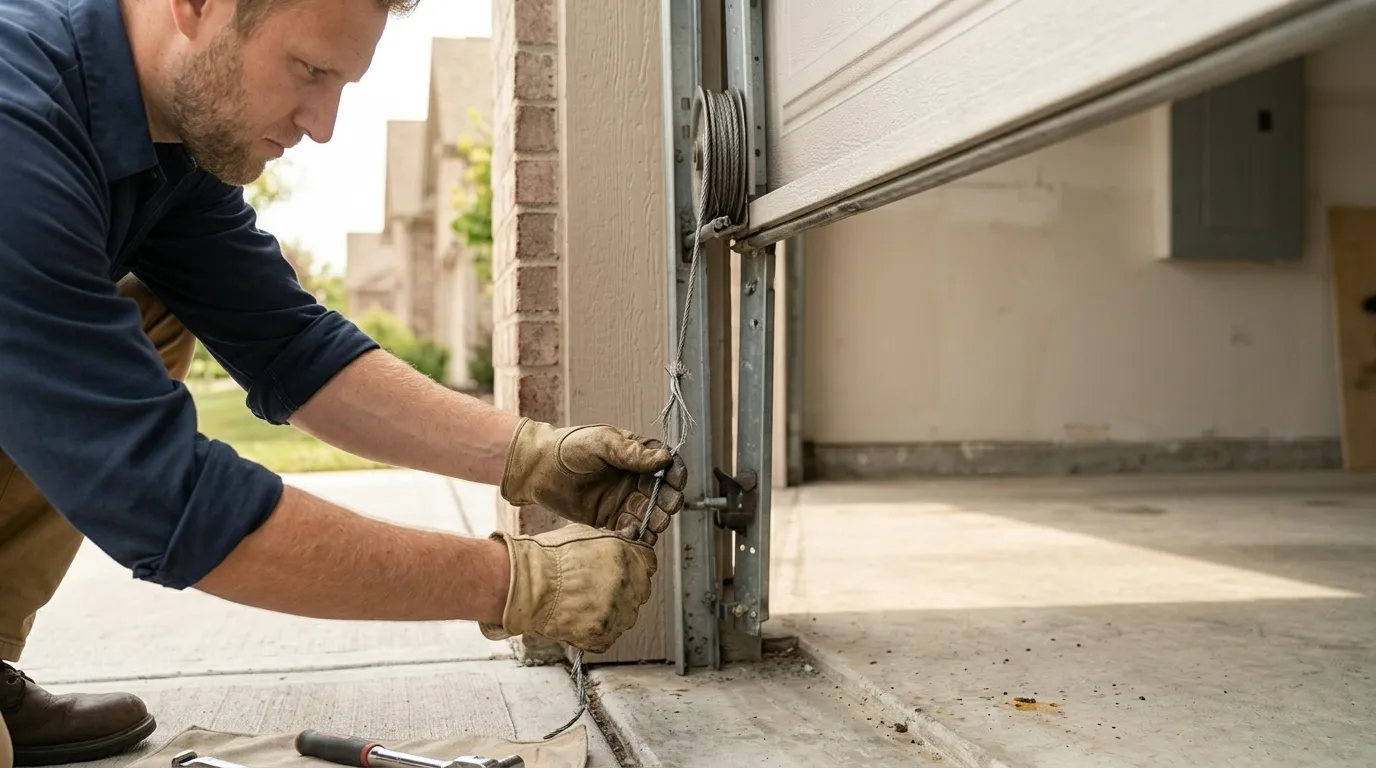
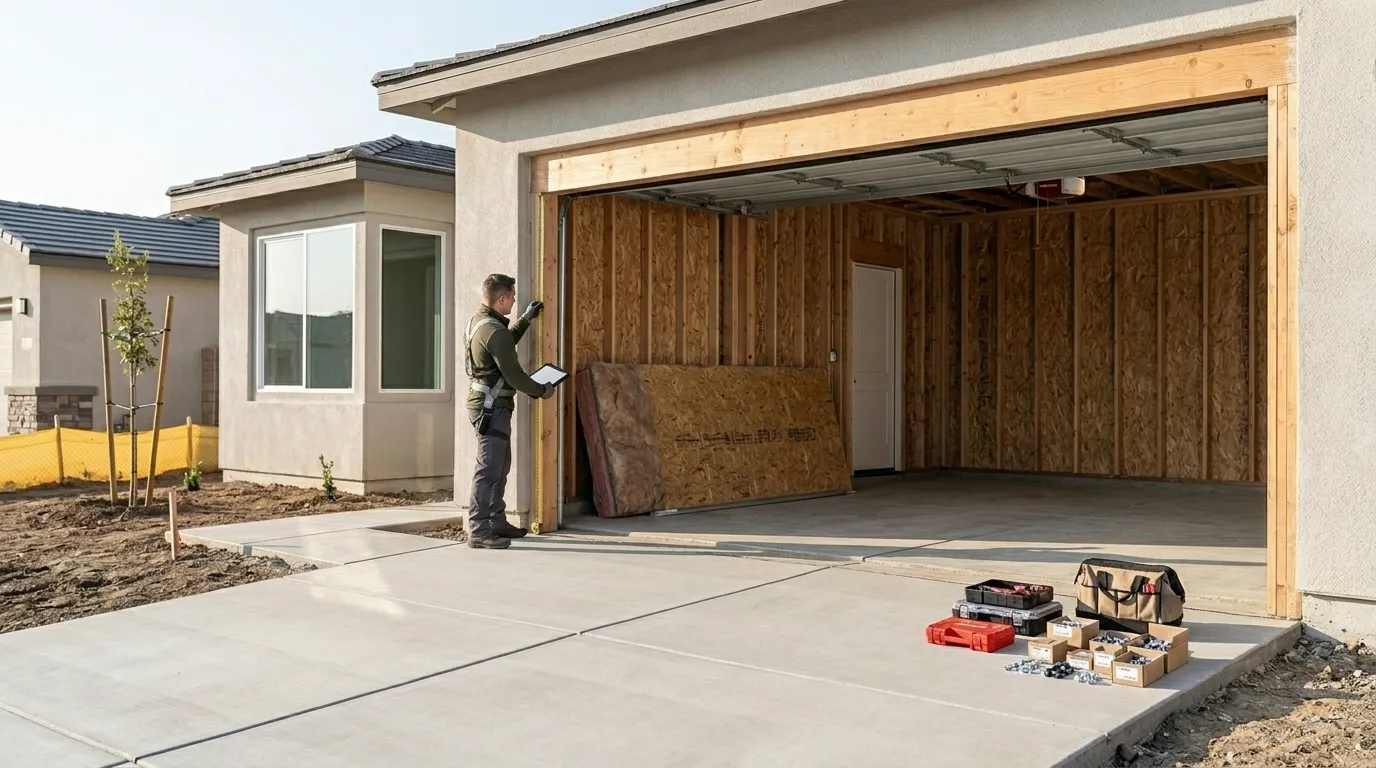
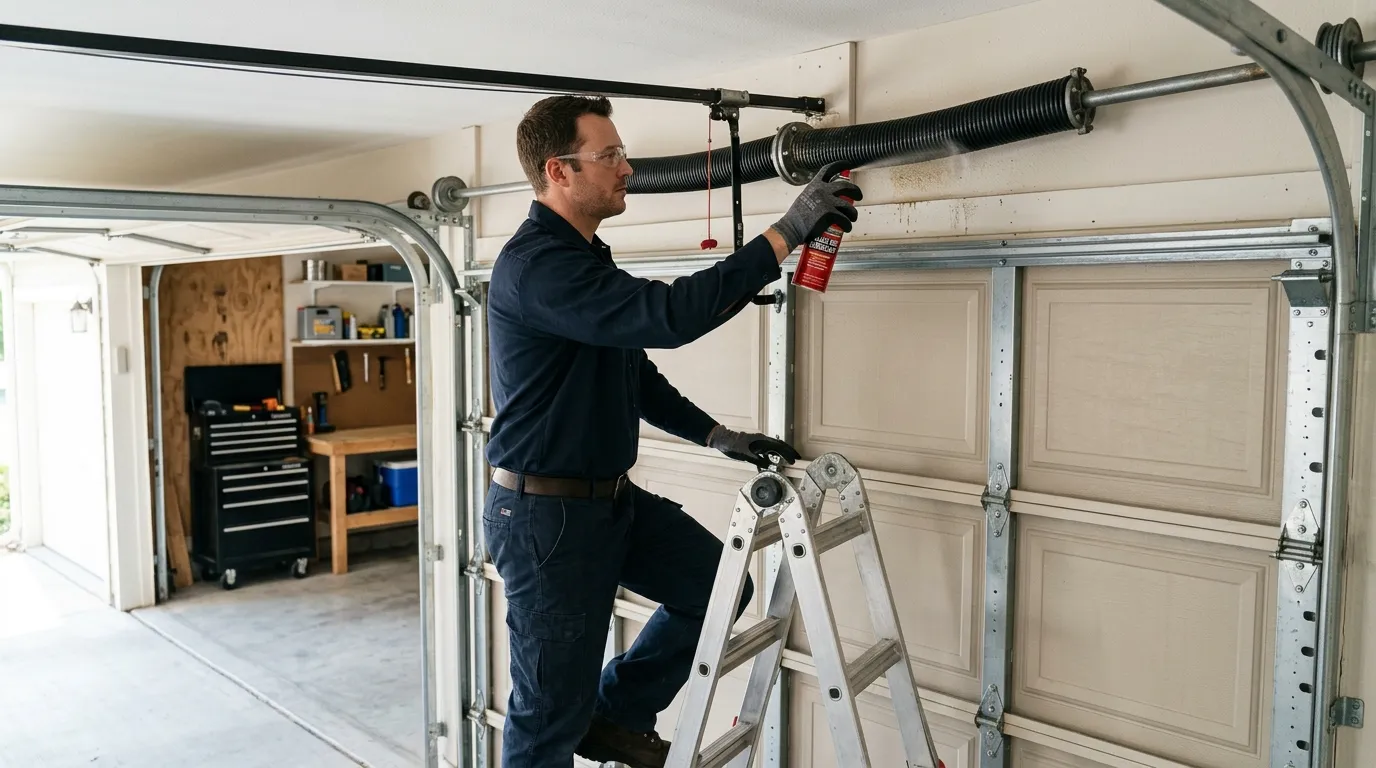
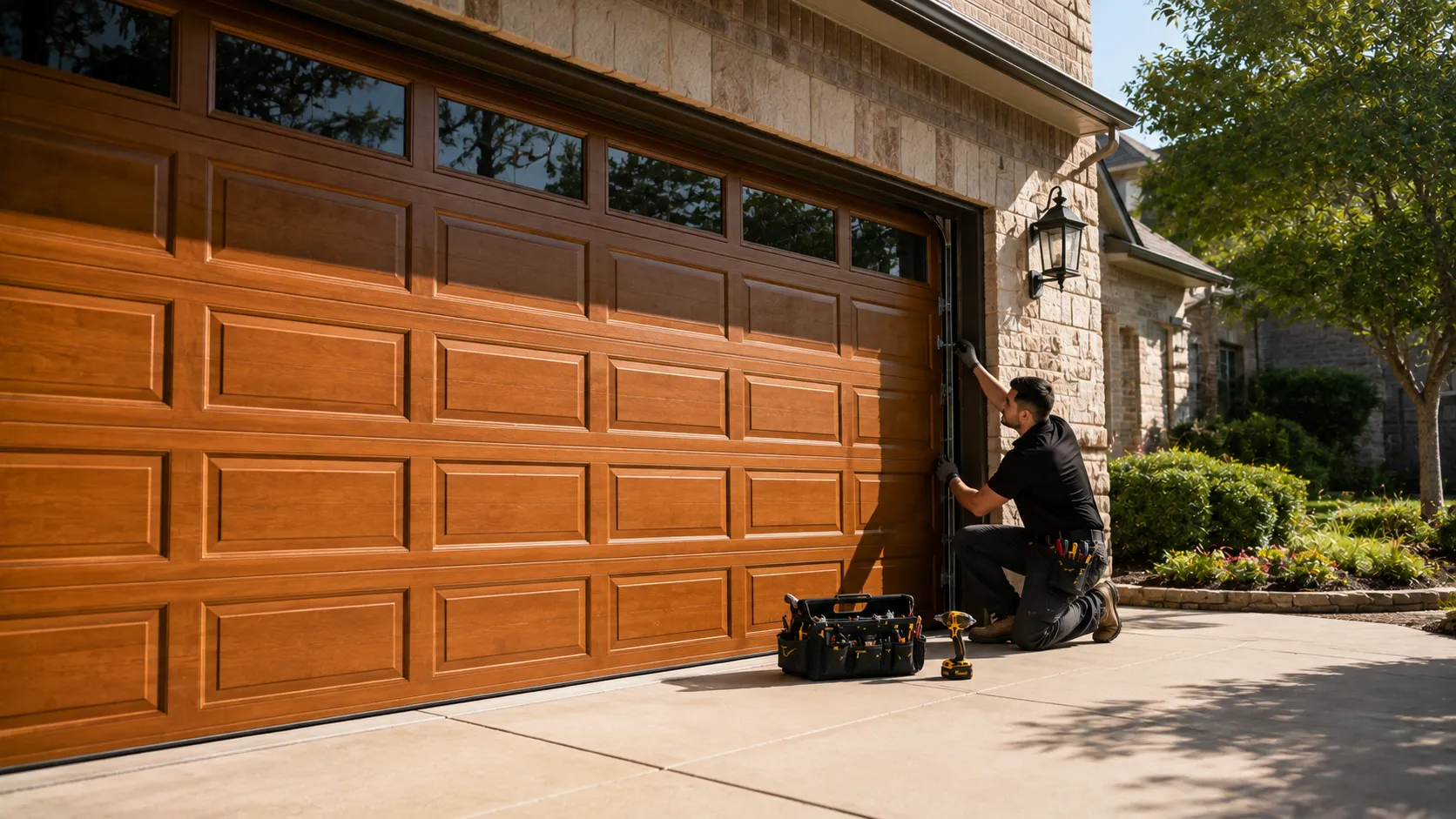
We start at the opening, not the showroom. We measure the actual frame, check square, and test the header wood, and only then do we walk through door options that fit what's really there rather than what a catalog page assumes. Given Girard's income figures, we lead with the steel non-insulated option for anyone with a detached or unheated garage, and reserve insulated doors for attached garages where the R-value actually does something. Springs, drums, and cable get replaced together and sized for cold-climate cycle counts, and if the opener can't handle the new door's weight, we say so before installing, not after. If you want the more general rundown of how we handle installs across the wider area, that lives on our main installation page, not repeated here.