
The DIY Question
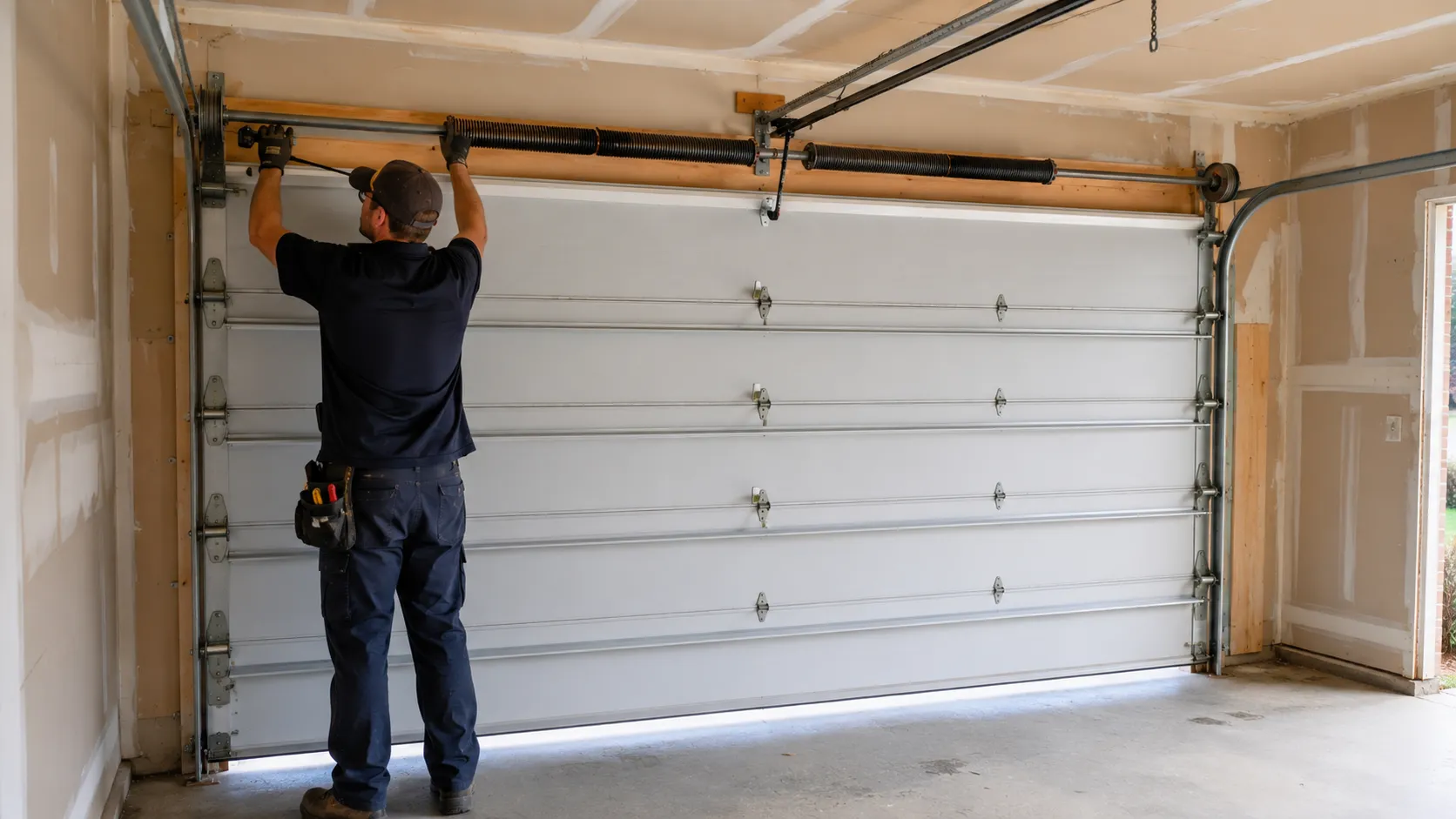
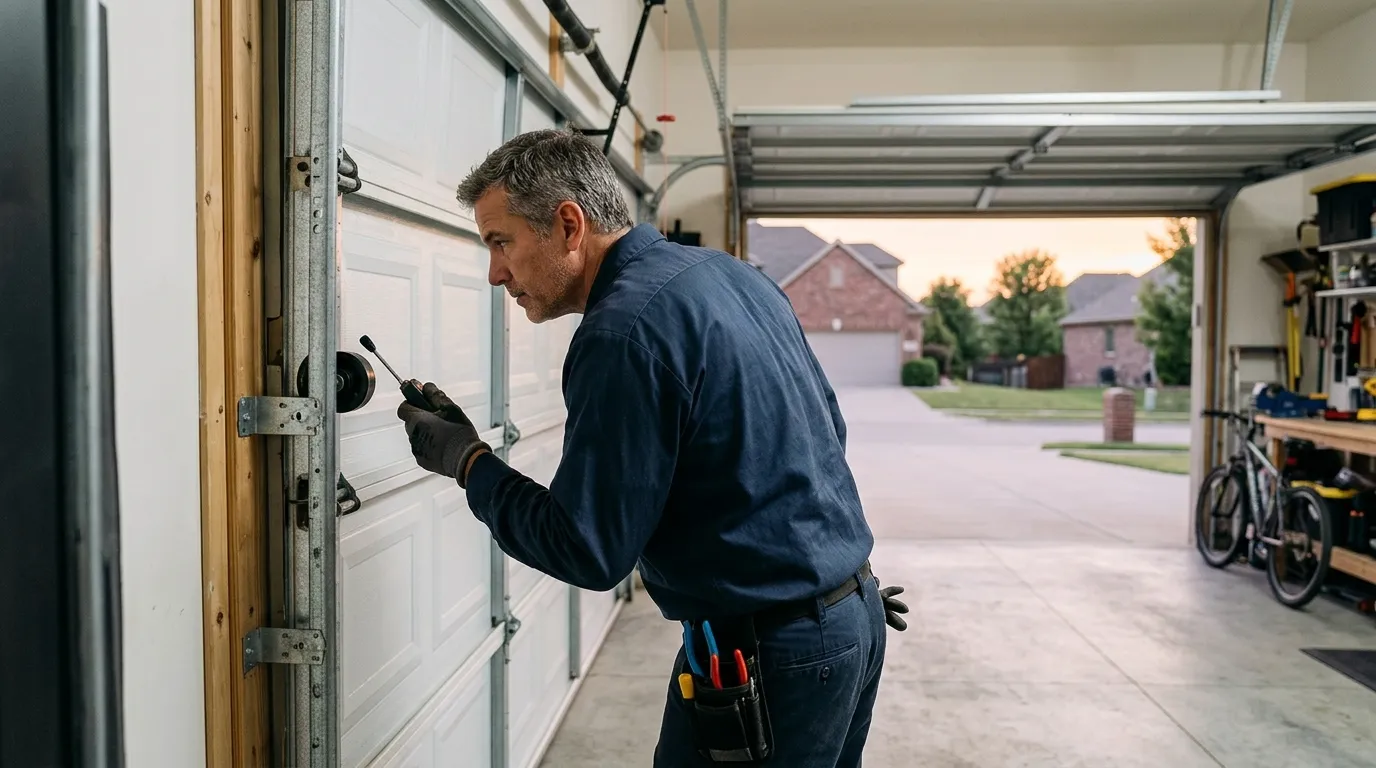
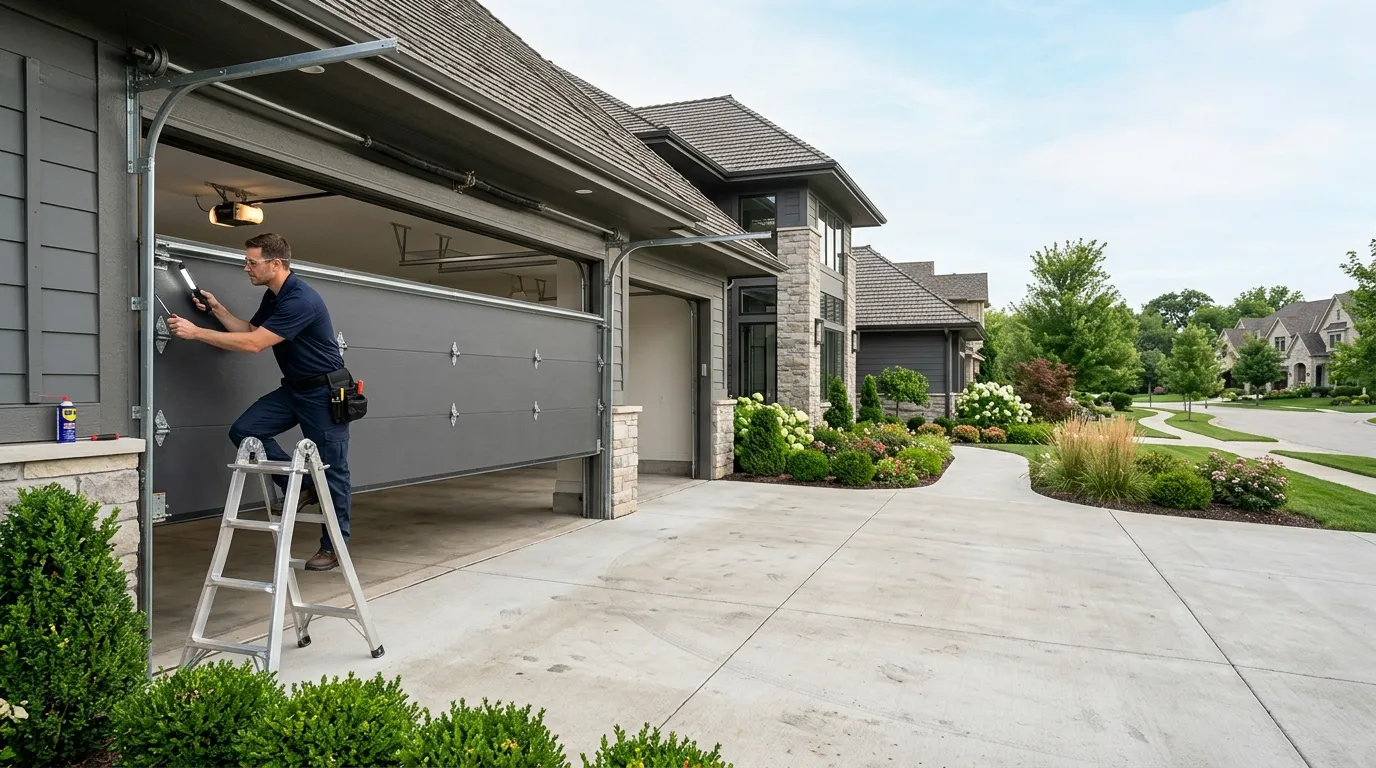
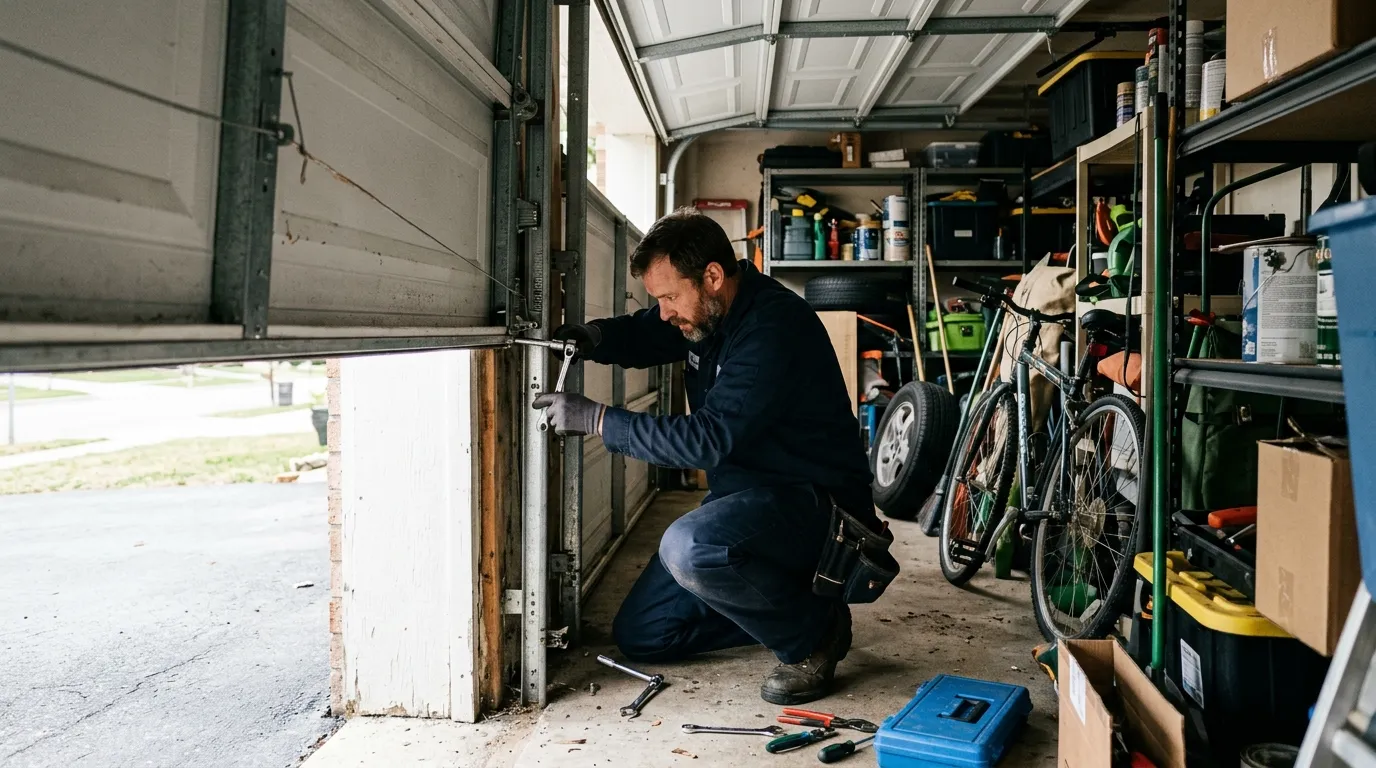
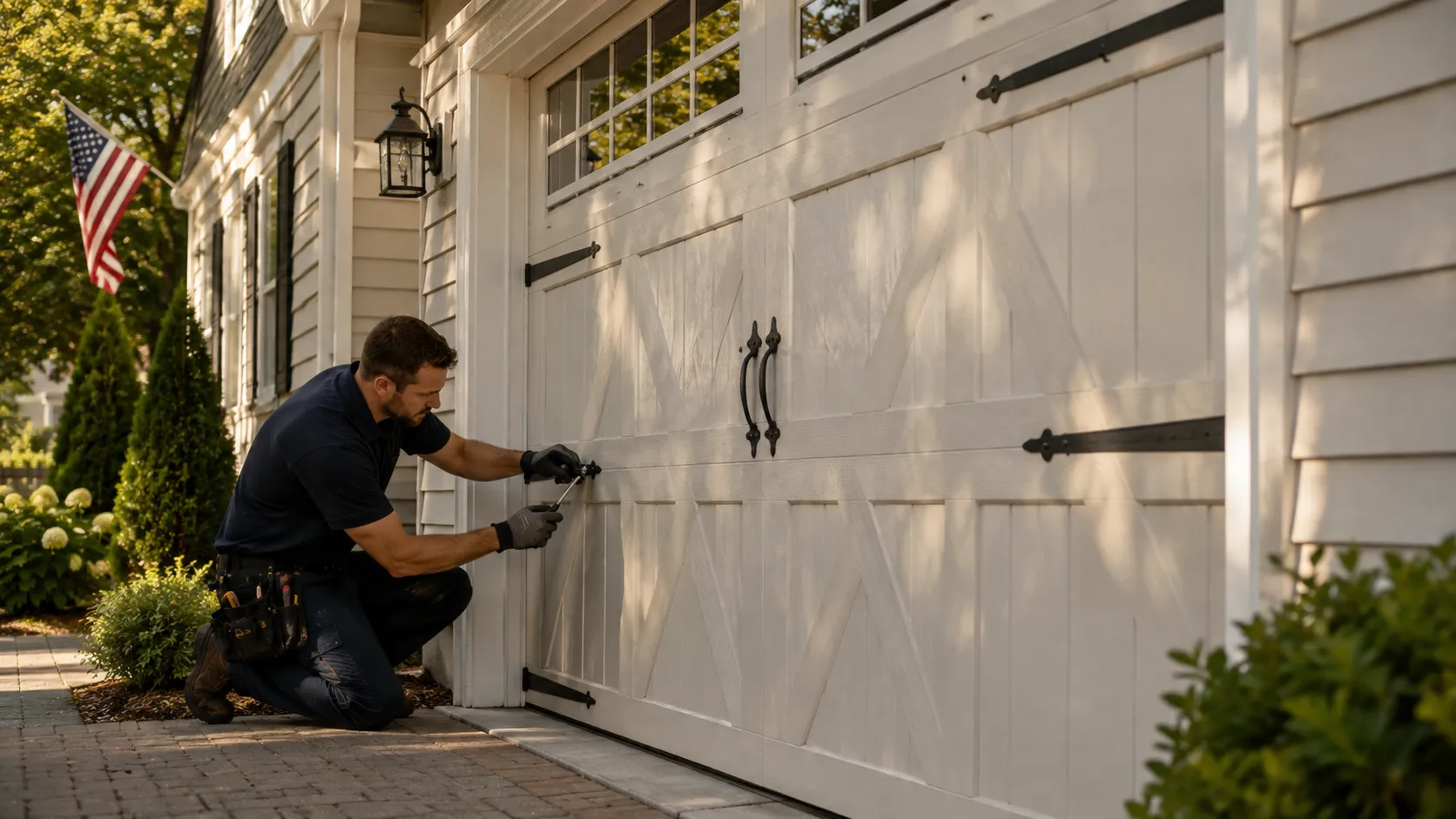
A homeowner can reset a keypad, tighten a loose hinge screw, or lubricate hinges and rollers without any risk. What you should not touch is a torsion spring, especially on a door from the 1967 construction era where the winding cone and bar are original and may be seized with fifty-plus years of rust and paint. Under tension, a spring like that can put someone in the hospital. Cable work is the same story - fraying at the bottom bracket looks minor and isn't. If your opener is the original 1960s-era chain drive and it's grinding or slipping, that's also not a tuning job; the gearing inside is usually shot and the housing isn't built for a repair kit. Where DIY genuinely works: replacing weatherstripping, cleaning track debris, and checking that photo-eye sensors are aligned and free of cobwebs. Past that, especially with hardware this old, the risk-to-savings ratio flips fast.
Stocked Parts
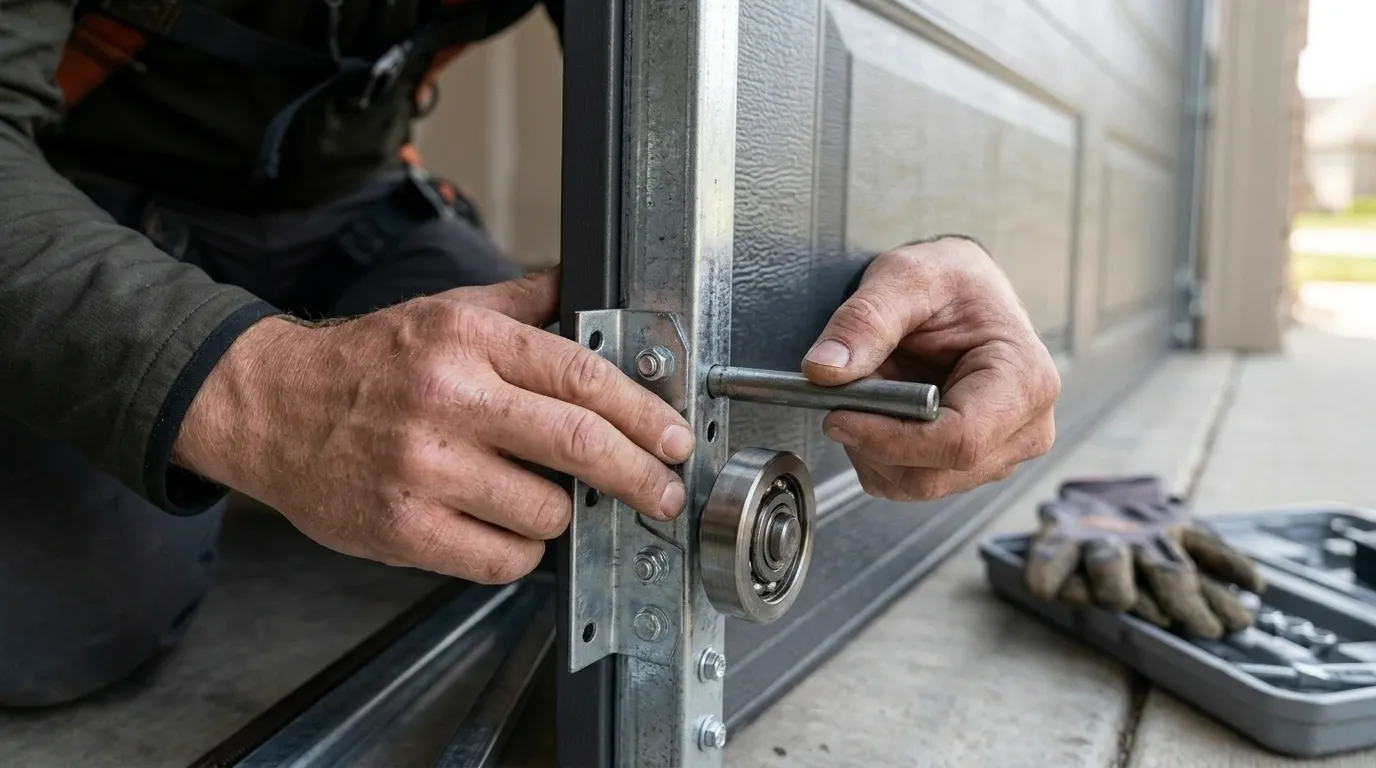
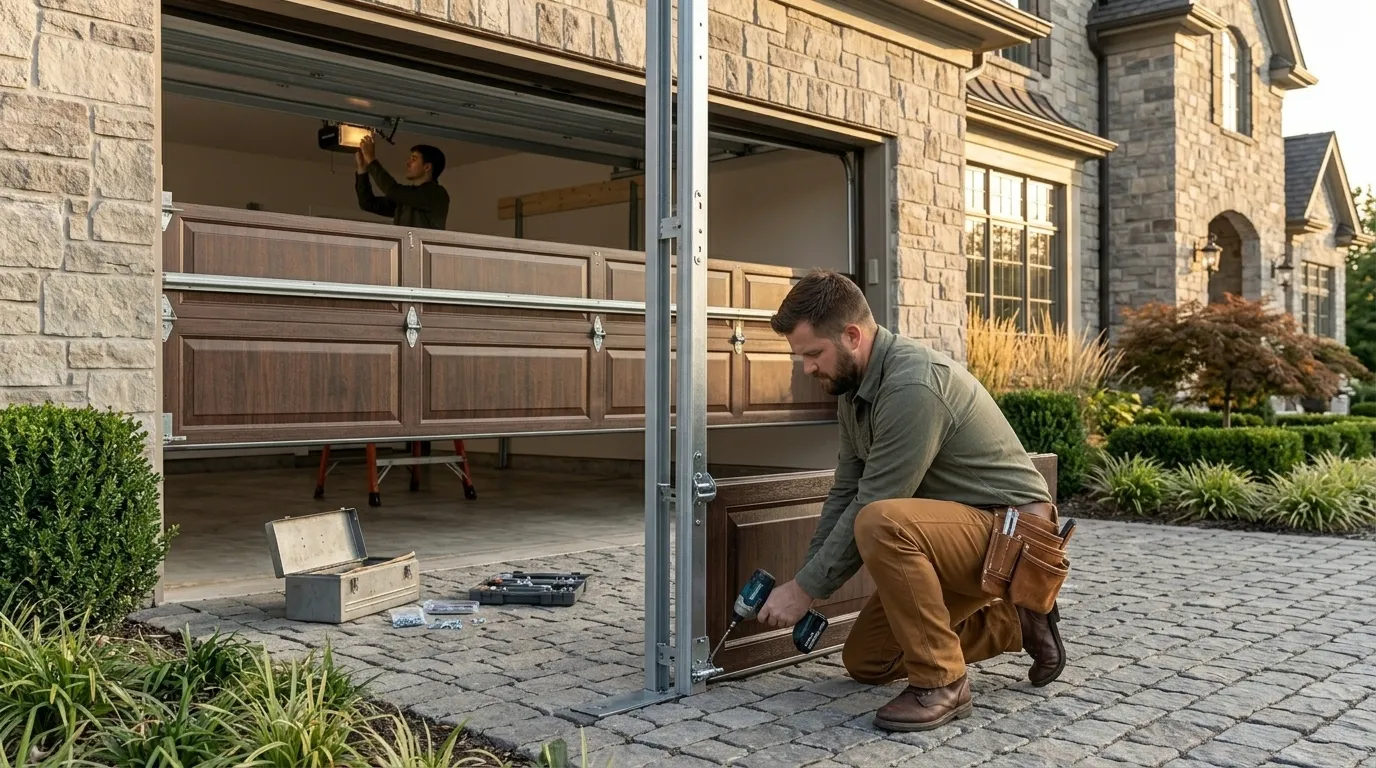
Because so much of Austintown's housing sits in that 1938-2000 window with a concentration around the mid-1960s, we carry torsion springs sized for the shorter, narrower door openings common to that era, along with extension spring sets for the two-spring garages still running original hardware. We also stock standard-lift track brackets that fit the older low-headroom framing found in houses built before garages were designed around taller SUVs. The Youngstown area's cold climate band means nylon rollers and cold-rated lubricant get used on nearly every job out here, since steel rollers seize and standard grease thickens in winter. One honest limit: some original openers from this construction period used proprietary rail systems that are no longer manufactured, and if a part for one of those isn't in stock, it has to be ordered rather than pulled off the truck same-day.