Getting It Booked In
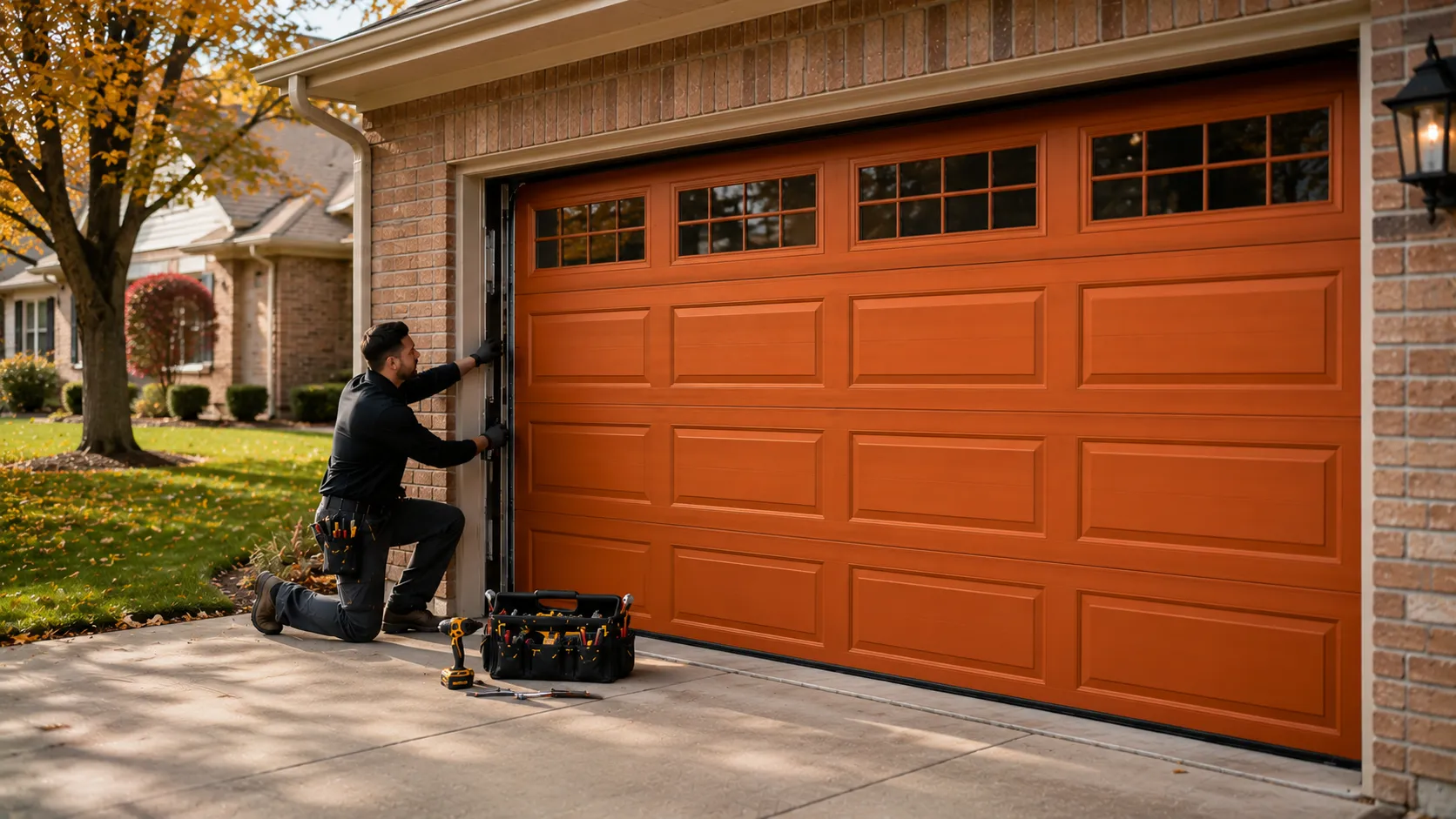
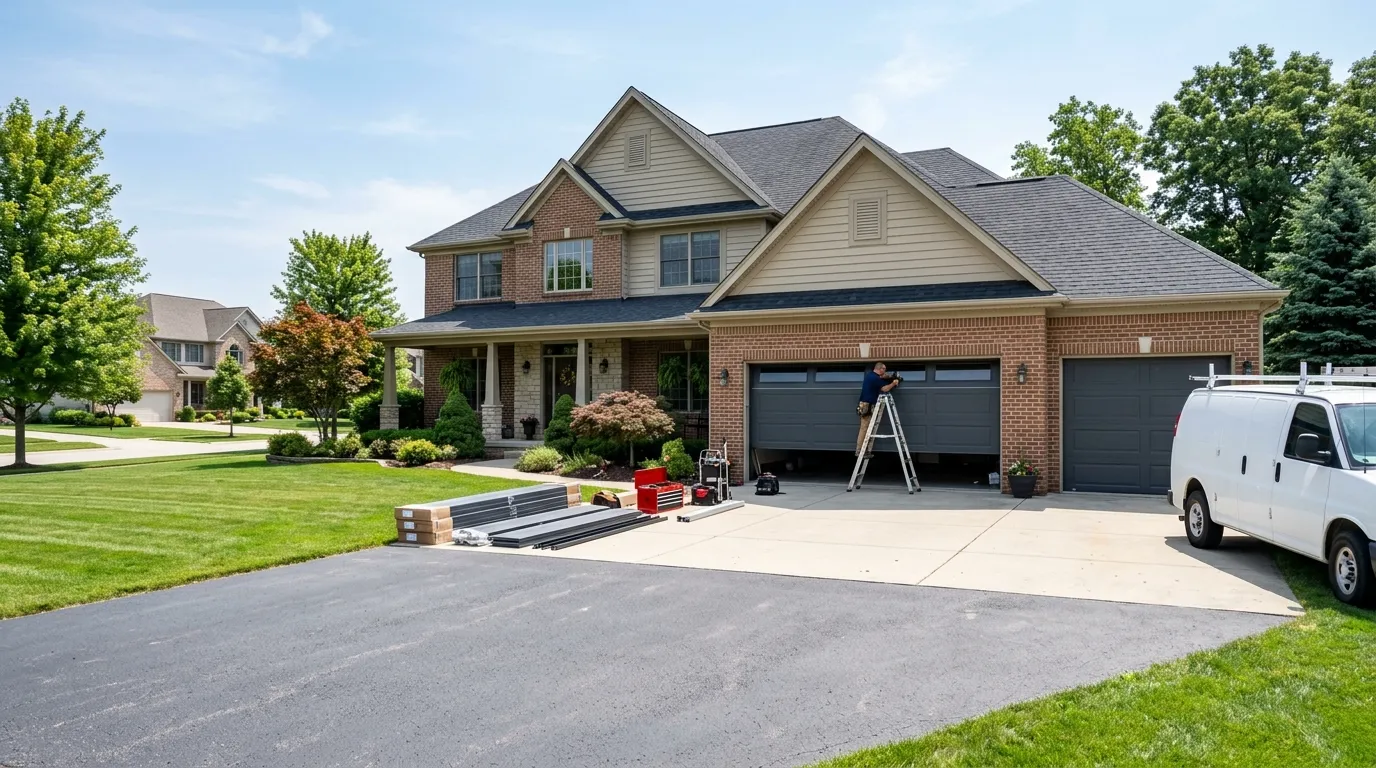
We run out of Youngstown, about 6 miles from Hubbard, so there's no local depot here - the truck comes to you. That distance is short enough that it doesn't change much about how a call gets scheduled, but it does mean we're not the guys who happen to be driving past. If your spring lets go on a Saturday morning, tell us that up front so we can route the day around it instead of stacking it behind jobs already on the board. Hubbard has 3,526 households on record, most owner-occupied, and plenty of those doors are original to houses built in the low-1960s window - which is useful to mention when you call, because it tells us what kind of torsion hardware to expect before we even load the truck. We don't promise a same-day slot on every call; if the parts your door needs aren't standard stock, that adds a day. Being upfront about that beats overpromising and showing up empty-handed.
Why It Happens Here
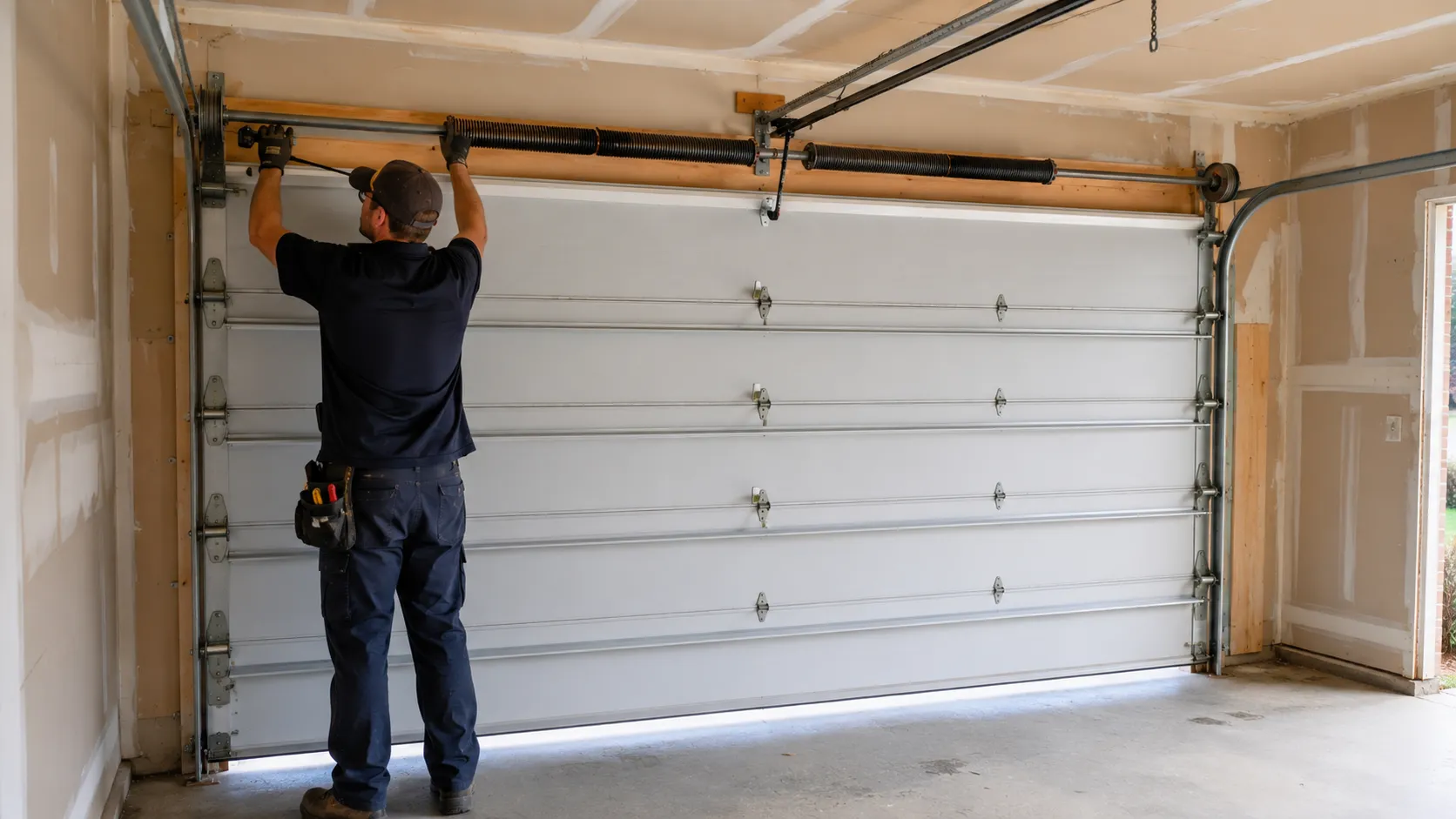
Hubbard sits in a cold-climate band with real winter severity, and that matters more for a door built around 1963 than it does for something installed last decade. Steel sections and hardware from that era weren't spec'd against the freeze-thaw cycling this region gets every winter - condensation gets into torsion bearings, cable ends corrode where they wrap the drum, and springs that were already near the end of their wind cycle snap on the first hard cold snap of the season. The area's median household income, $62,468, runs a bit above the wider Youngstown service area's $60,598, and what we see on the ground matches that: more owners maintaining and repairing an aging door instead of just letting it fail and replacing wholesale. That's a reasonable call on a door from 1963 with sound panels - spring and opener work stretches the life of hardware that's still structurally fine, even if it's showing its age at the moving parts.
Where This Job Goes Sideways
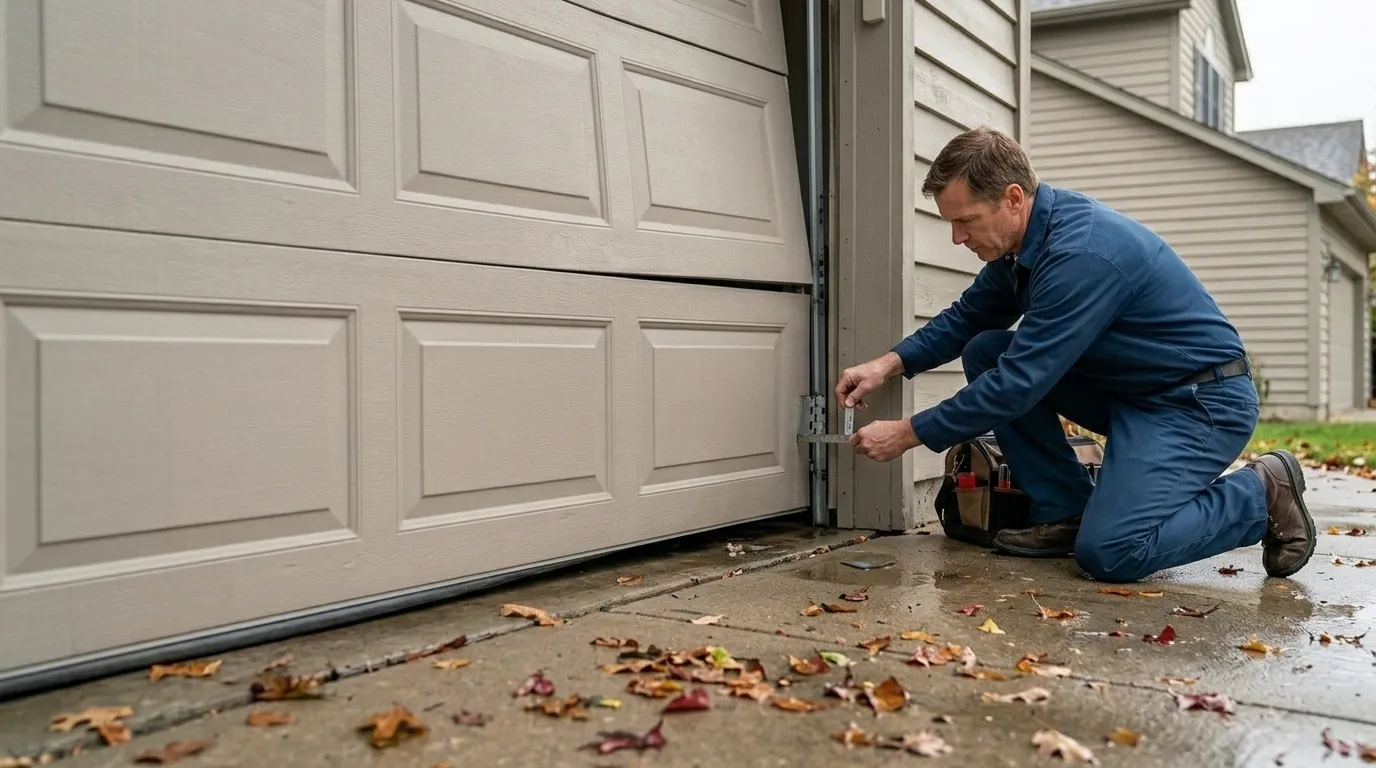
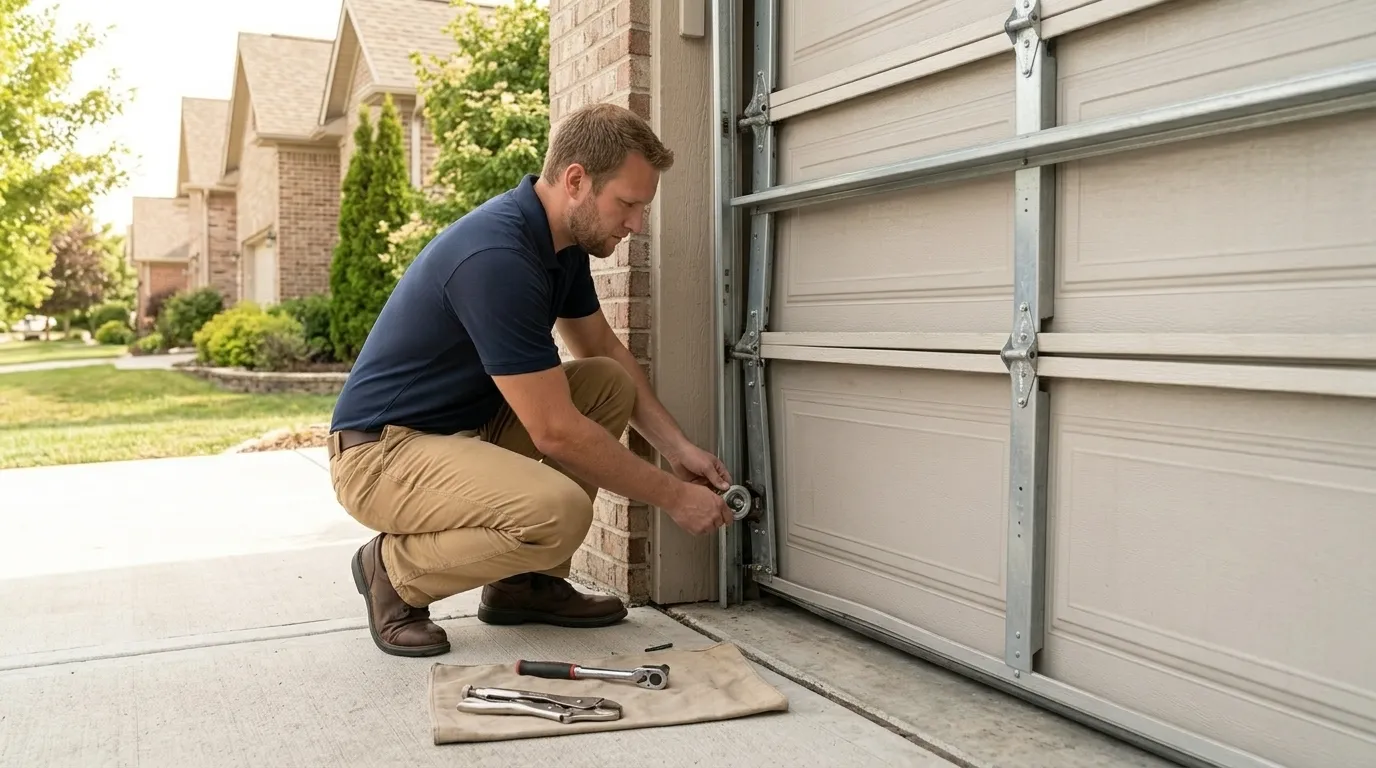
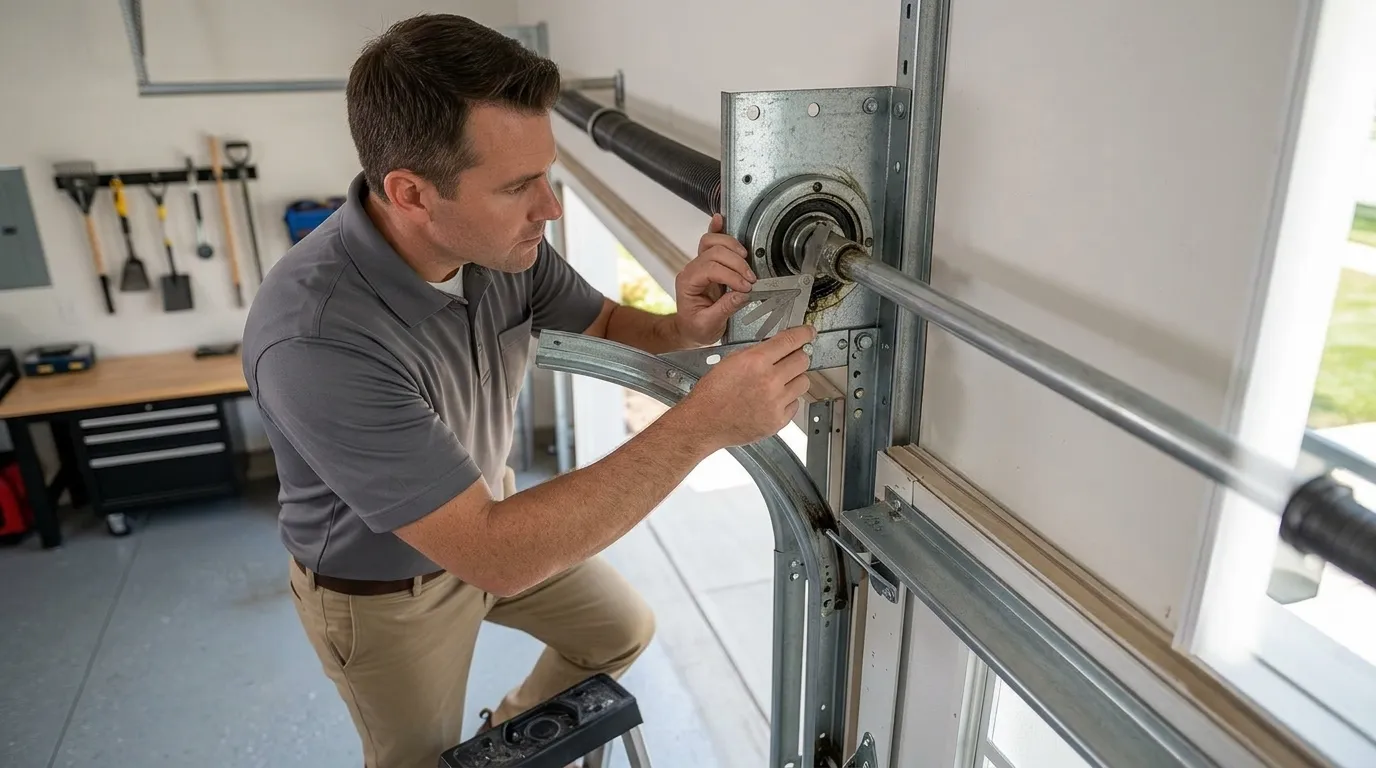
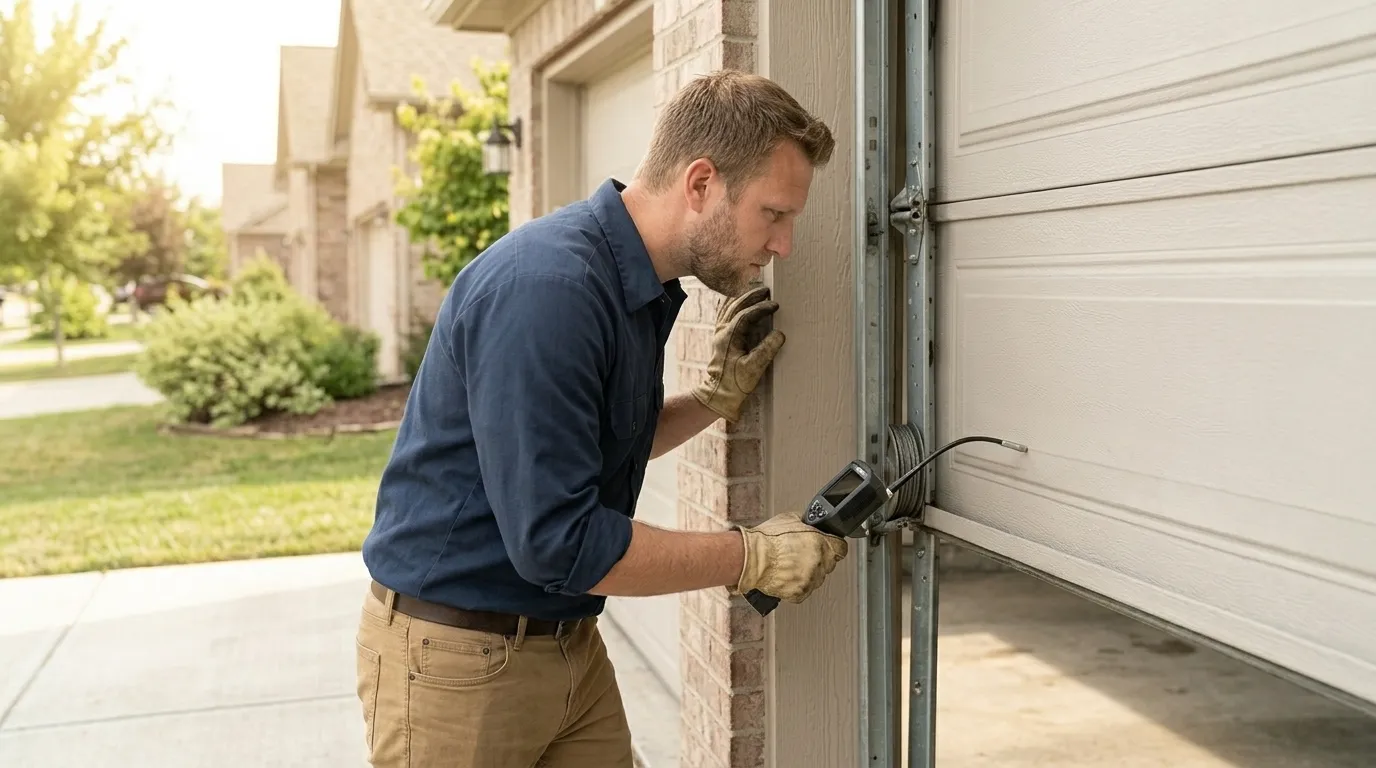
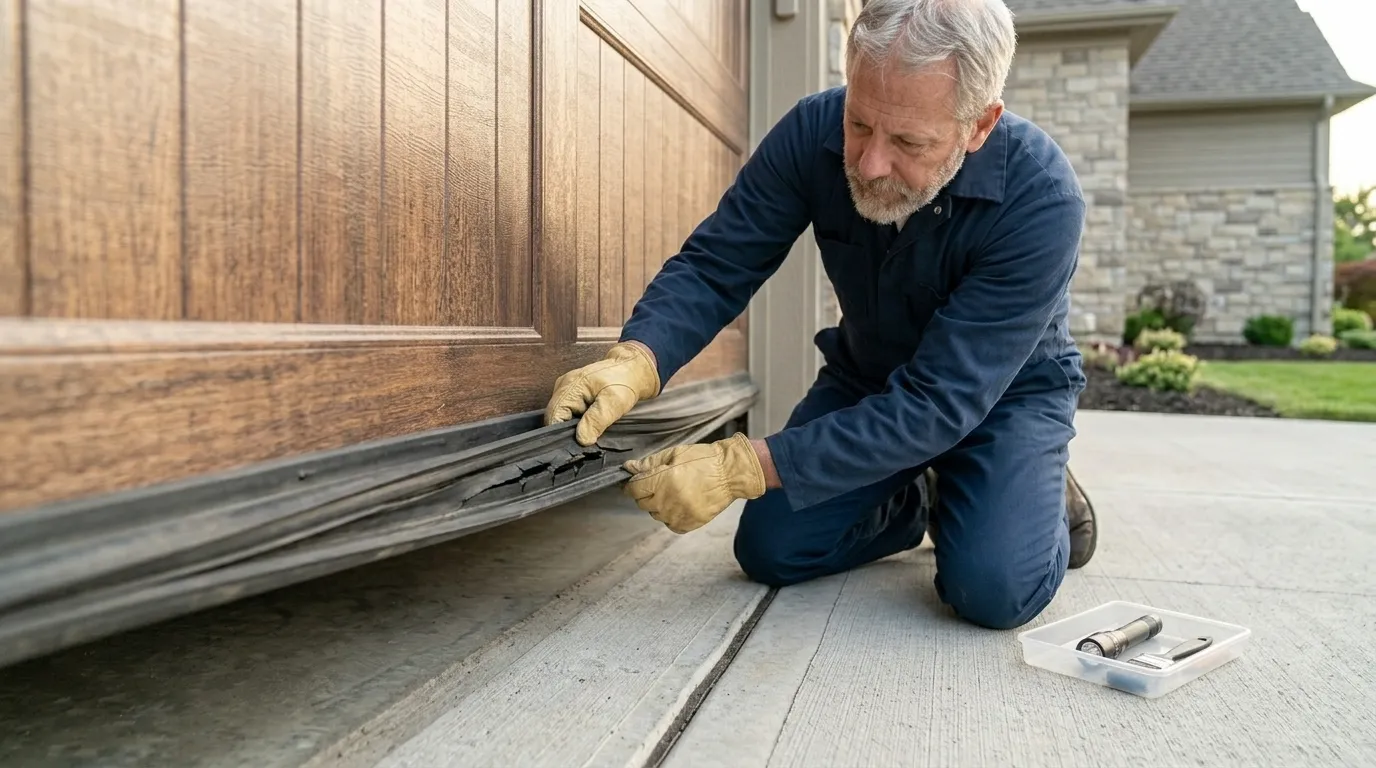
The most common misfire on a 1960s-era door is guessing the spring size instead of measuring it. Wire diameter, coil length, and wind direction all matter, and getting one wrong means a door that either slams down too hard or won't stay up under its own weight - both of which are dangerous, not just annoying. Rust is the other one: cold-climate moisture works into a track's mounting brackets over sixty years, and a track that looks straight can be pulling loose from the jamb under load. We've also seen owners replace an opener thinking that solved a hard-close or slow-open problem, when the real cause was a weak spring making the opener do work it was never built to do. Fixing the motor without fixing the spring just wears out the new opener faster. Not every door is worth saving - if the panels have rusted through at the bottom section, a spring and cable job is a stopgap, not a fix, and we'll say so.
Stocked Parts
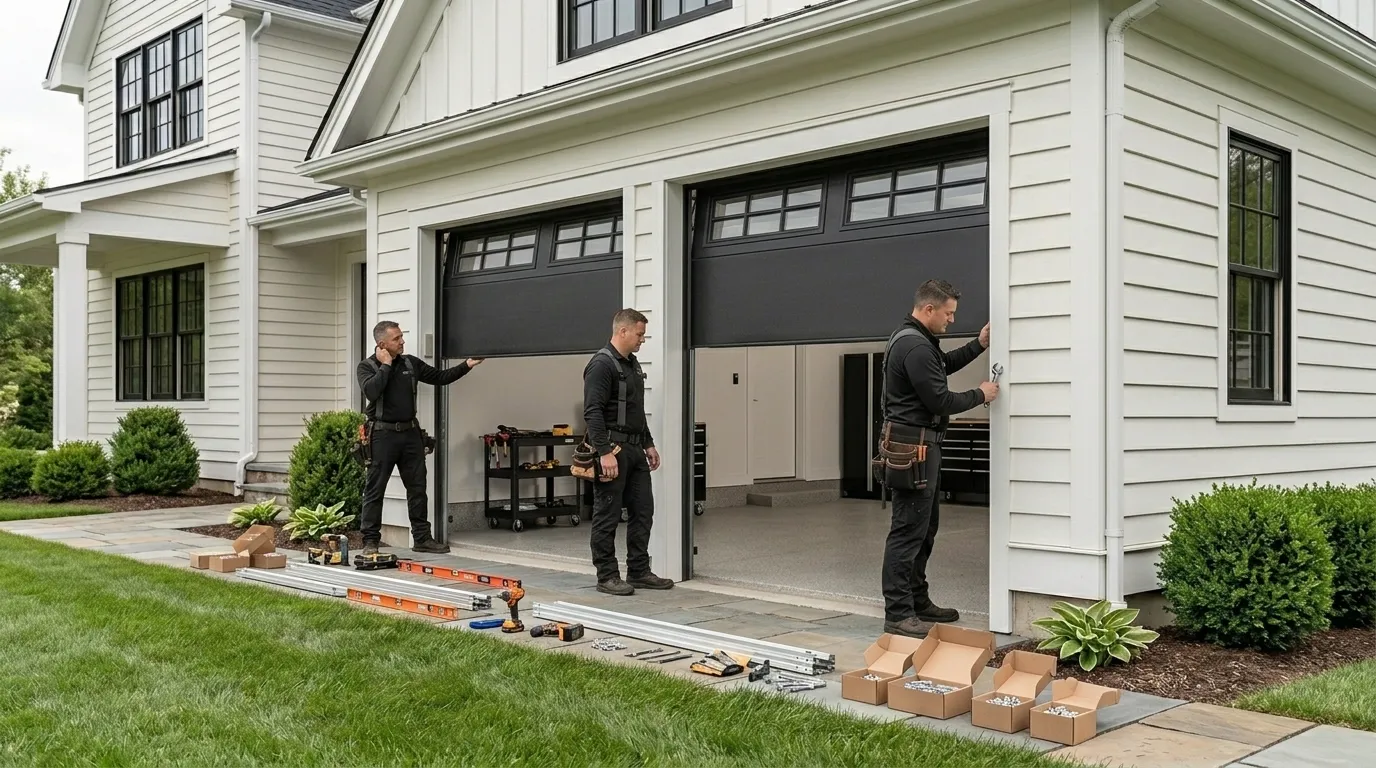
The truck carries torsion springs across the range of wire gauges and wind lengths common to doors from Hubbard's build era, along with standard extension springs for the older lift-style setups still out there. Cables, rollers, and hinges in the sizes that match 1960s-era steel doors are stock items, as are the sensor pairs and limit switches for the openers most commonly retrofitted onto these houses. Where we run short is anything genuinely original to a door from the earlier end of the area's 1938-to-2000 build range - low-headroom track hardware or a spring size that predates the more standardized post-war manufacturing runs. That's not common in Hubbard given how tightly the housing clusters around the early 1960s, but when it comes up, it means a special order rather than a same-visit fix, and we'll tell you that before we start rather than after.