Getting It Booked In
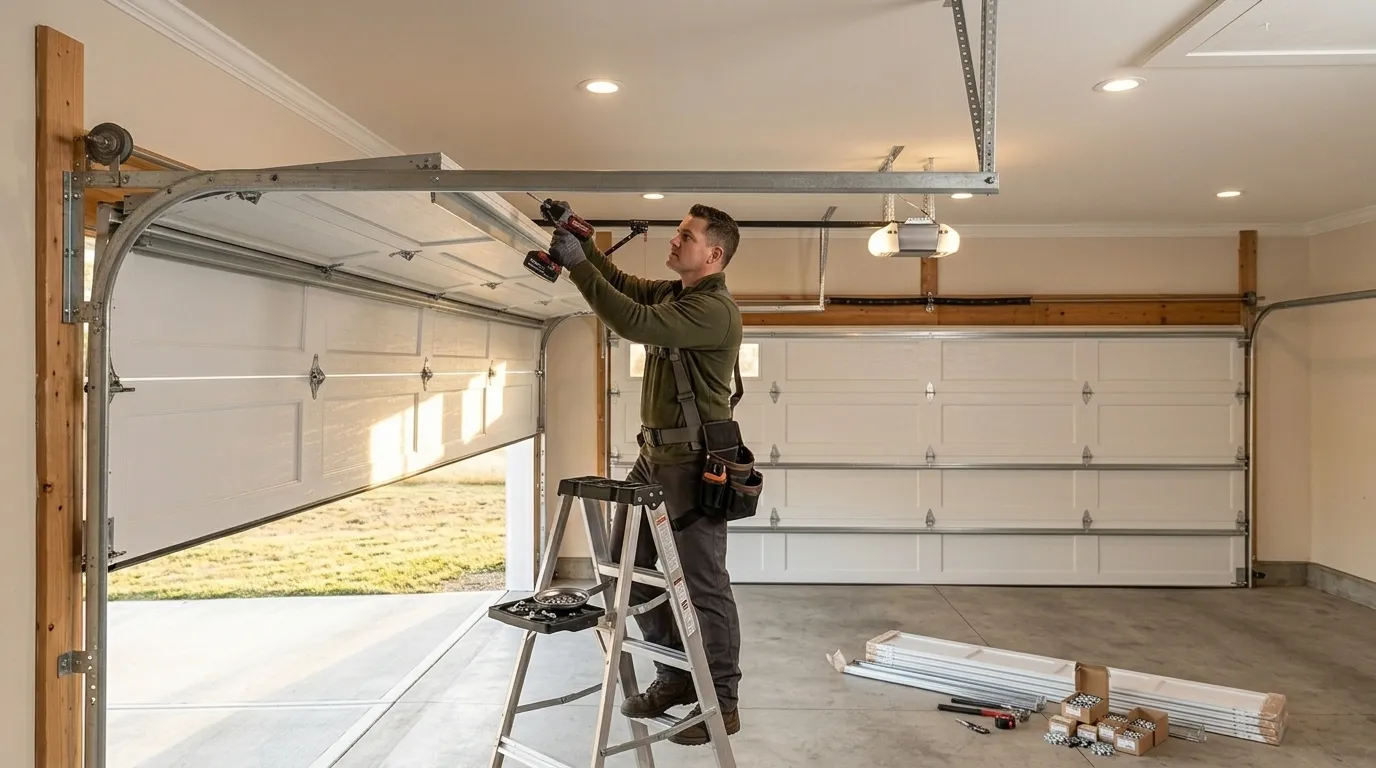
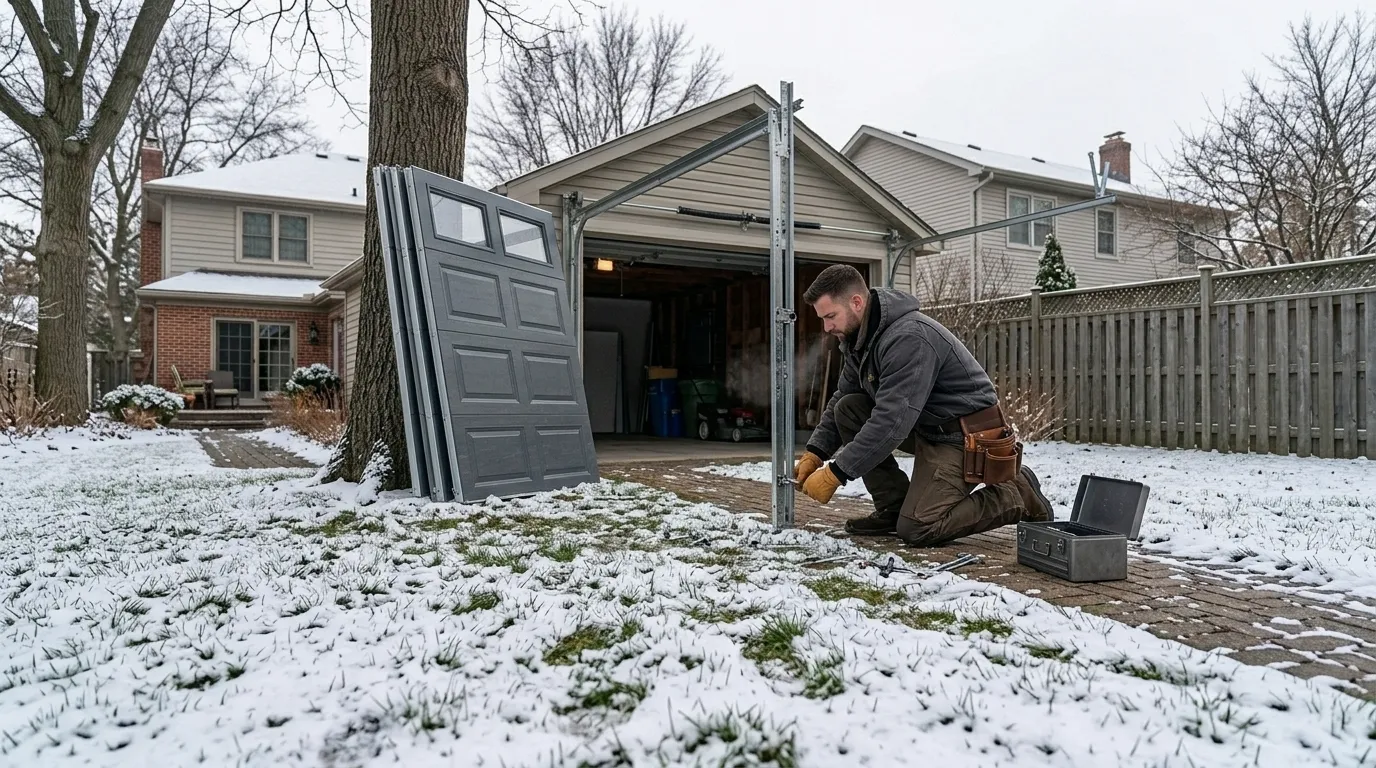
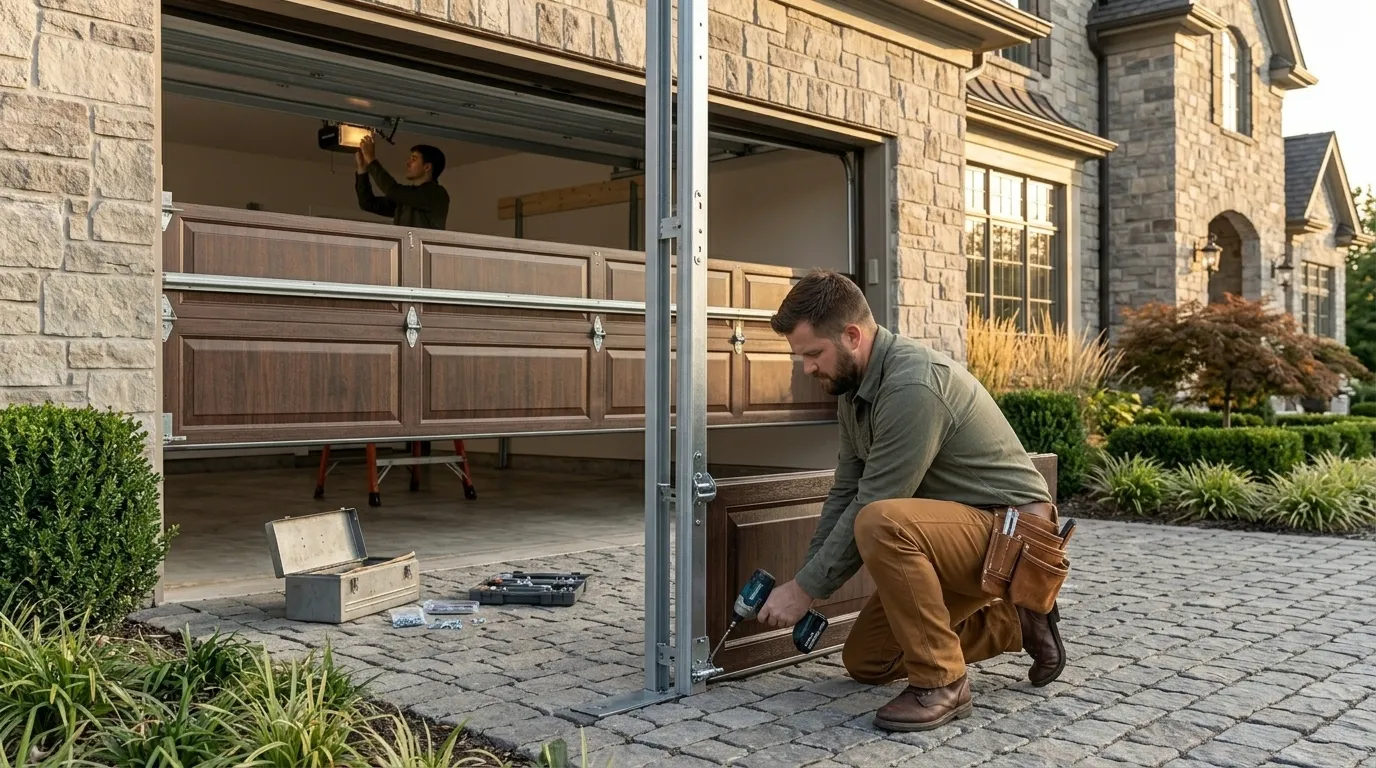
We run this job out of Youngstown, about 6 miles from Hubbard, so scheduling an install here is a matter of a phone call and a look at your opening - not a dispatch from some other branch. We ask for the door's rough width and height, whether the current door is one-piece or sectional, and roughly how old the house is, since that last detail tells us a lot about what's behind the trim before we ever show up.
We don't quote a same-day install sight unseen. A door that looks straightforward over the phone can turn into a jamb rebuild once we're standing in front of it, and we'd rather measure once than reschedule. If your opening is a standard 1960s-era size and the framing's solid, we can usually get a new door on order and installed within the same trip window we'd use anywhere else in the service area.
Why It Happens Here
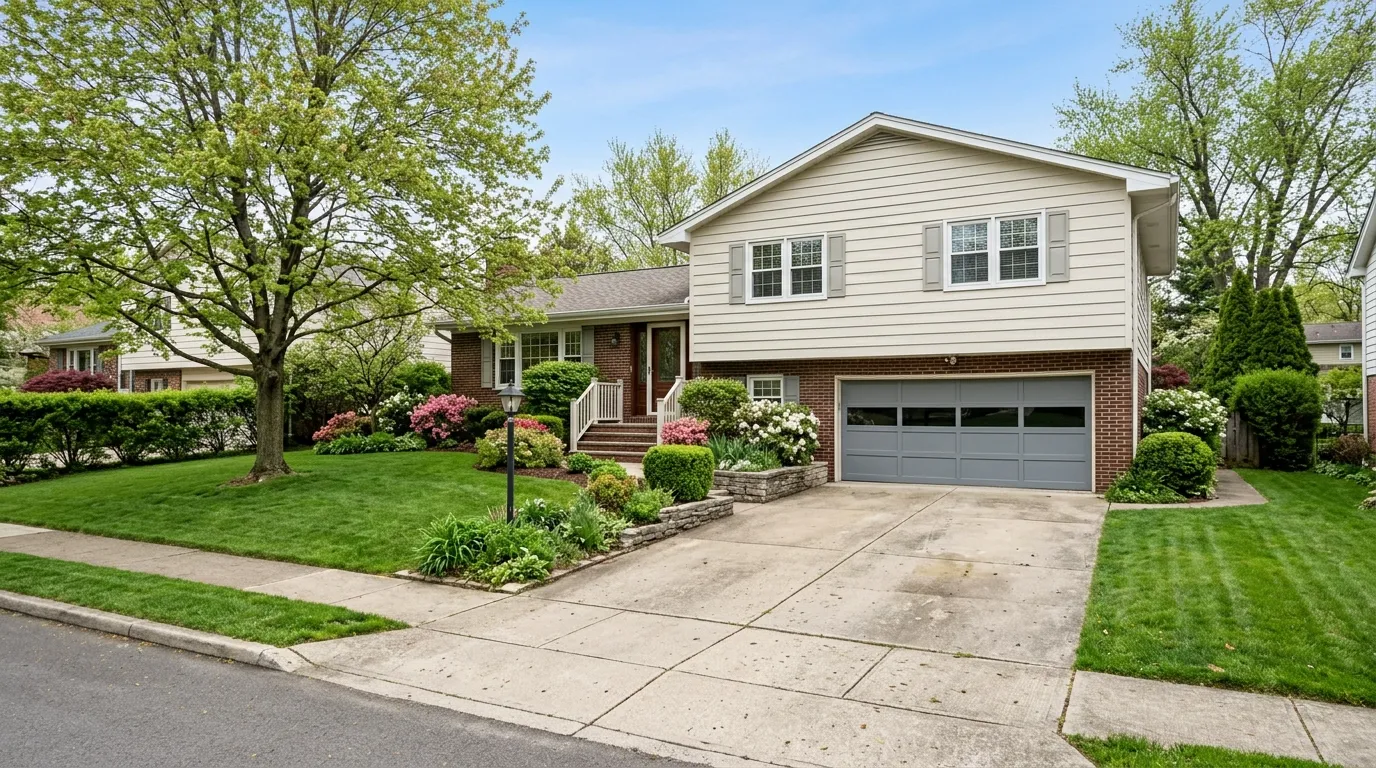
Hubbard's housing stock skews old enough that a lot of garages were built around a single door style - the narrow, heavier one-piece wood or early steel door that was standard when these houses went up. Across the wider service area, housing runs from 1938 to 2000 with a median around 1964, and Hubbard tracks close to that median rather than the newer end. That means openings built to a size and swing pattern that most manufacturers stopped making decades ago.
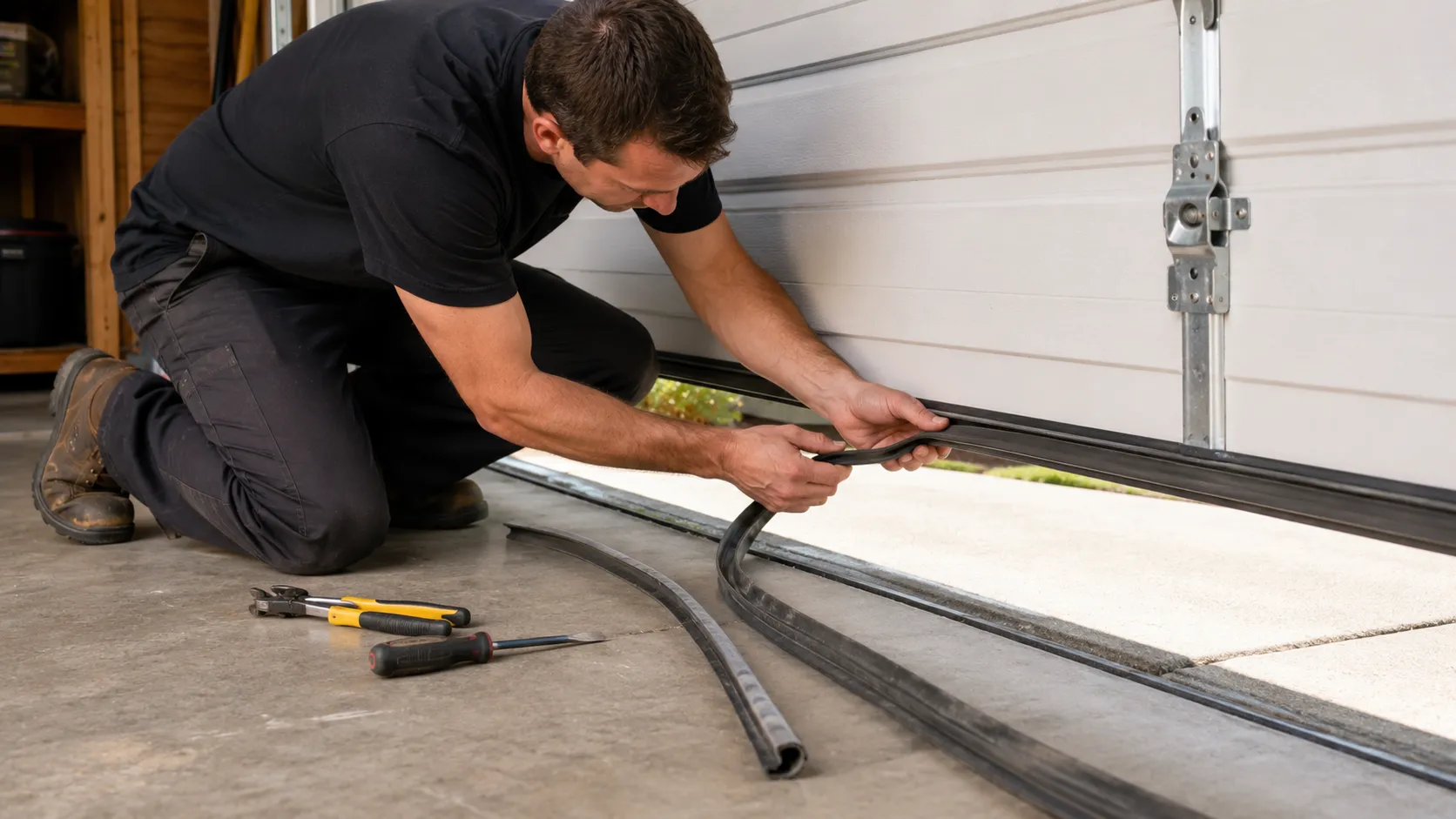
The climate matters too. This area sits in a cold band with real winter severity, and a lot of these original openings were never insulated or weatherstripped to a standard that holds up to it. When a homeowner calls about a new install, it's rarely because the old door failed outright - it's because the door's been dragging, the header's uninsulated, and the cold's been getting in around the edges for years. The install fixes the leak as much as it fixes the door.
Where This Job Goes Sideways
The most common problem: the customer wants a same-day install and the header above the opening isn't load-rated for a heavier insulated door - a real risk on houses from this build era where the original header was sized for a lighter single-panel door. That's not a job we'll rush. Reinforcing or replacing a header adds a day, sometimes more if lumber has to be ordered to match an odd rough opening.
The other spot this goes sideways is expectations on cost. We don't install a door blind to what's behind the wall, and we won't quote a fixed price before we've seen the opening in a house this old. Here's the honest limitation: if your garage was never insulated and the header's undersized, a new door alone won't fix the cold air coming through around it - that's a separate carpentry and insulation job, and we'll say so rather than sell you a door that won't solve what you called about.
Stocked Parts
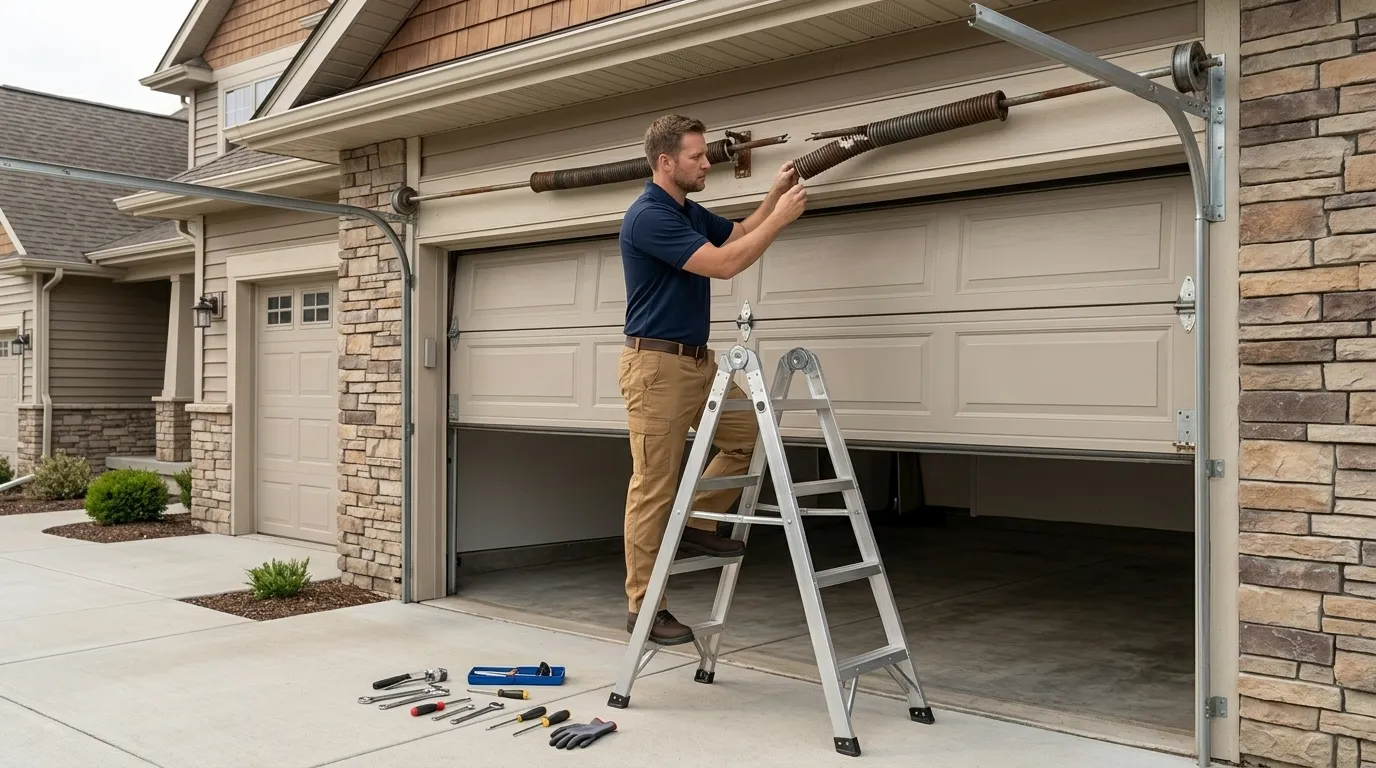
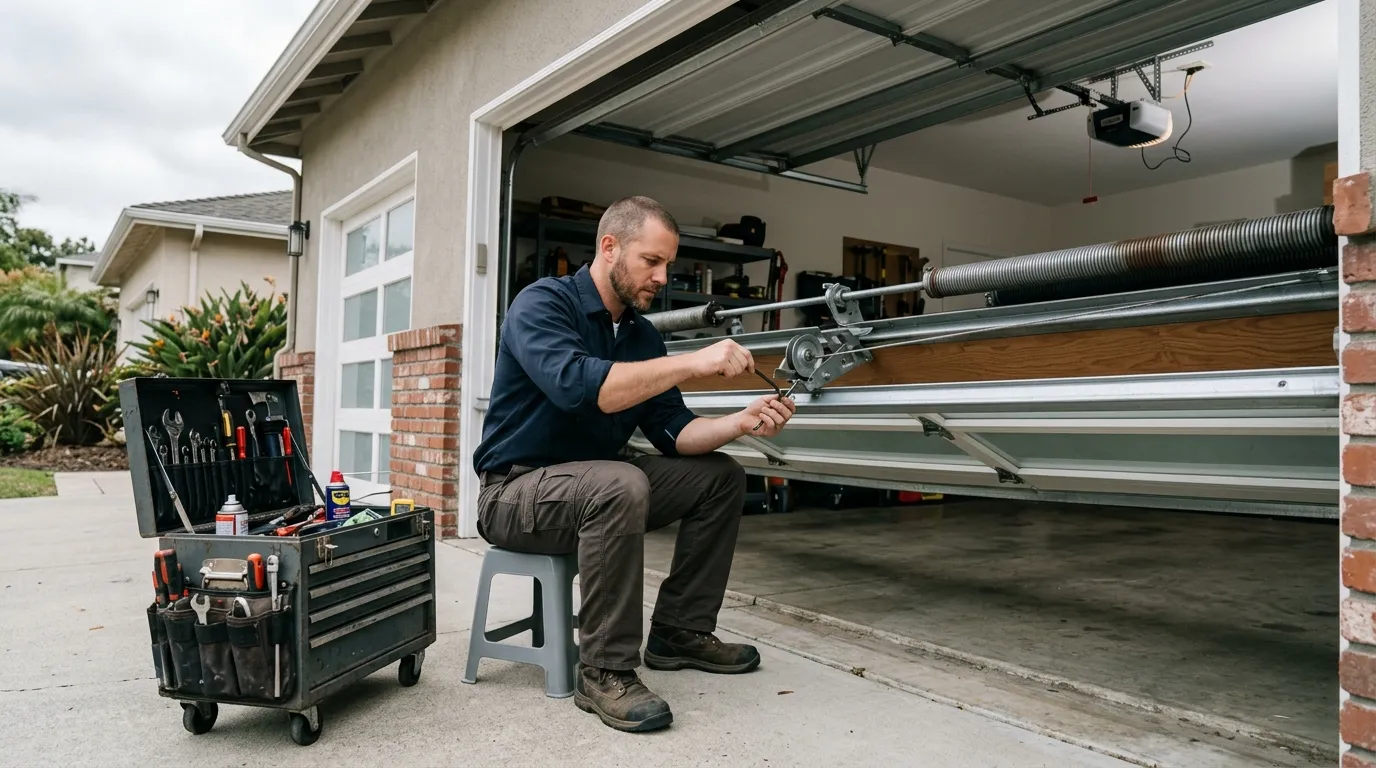
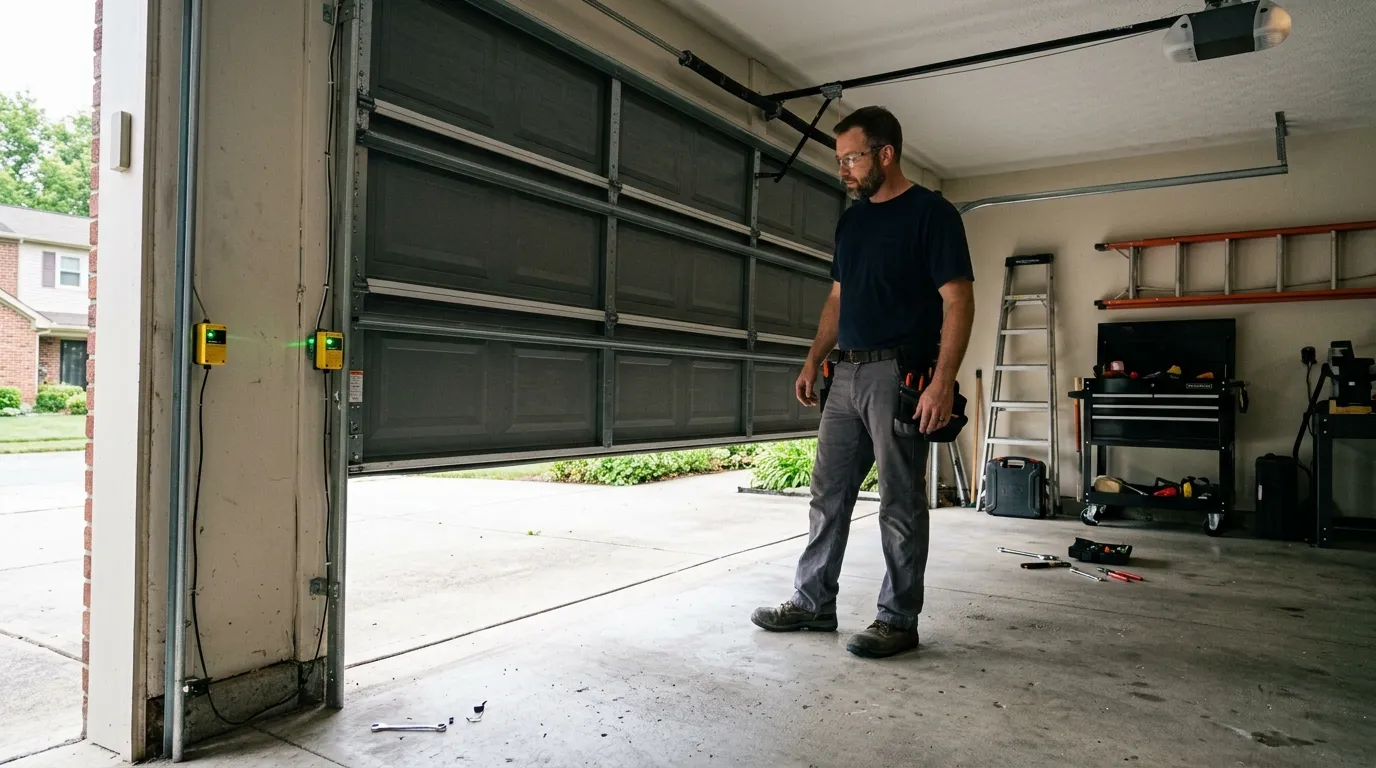
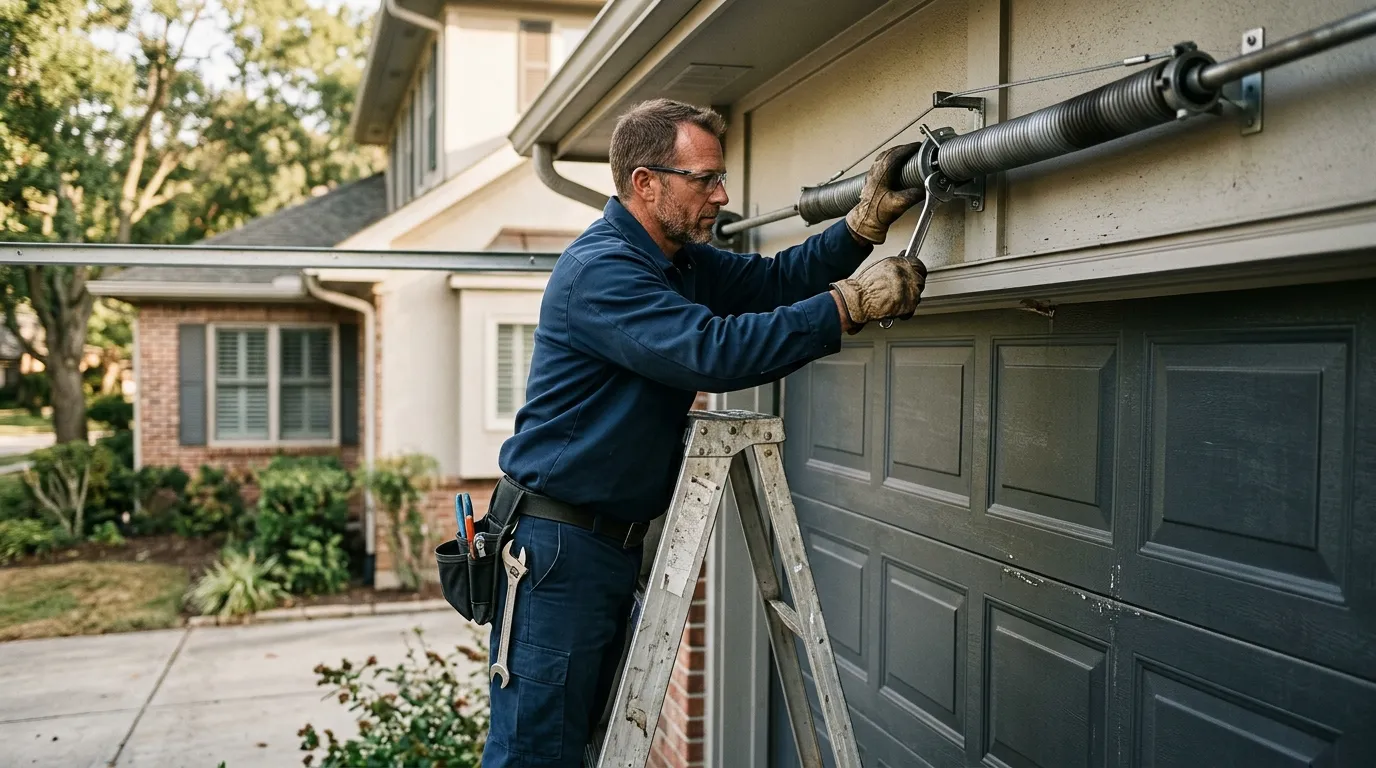
We keep standard sectional door sizes, torsion springs rated for typical residential door weights, and steel track sections on the truck, since those cover most of what a house from this era needs once the opening's confirmed square. What we don't stock is custom-width doors sized to a nonstandard 1960s rough opening - those get ordered once we've measured, and lead time depends on the manufacturer.
If your house still has its original narrow opening and you want a wider standard door instead, that's a framing job before it's a door job, and we'll tell you that cost separately rather than bundle it into a number that looks like a simple install. Given how many homes on this side of the service area share that same era and that same framing quirk, it's worth asking about before you pick a door width off a showroom sheet.