The DIY Question
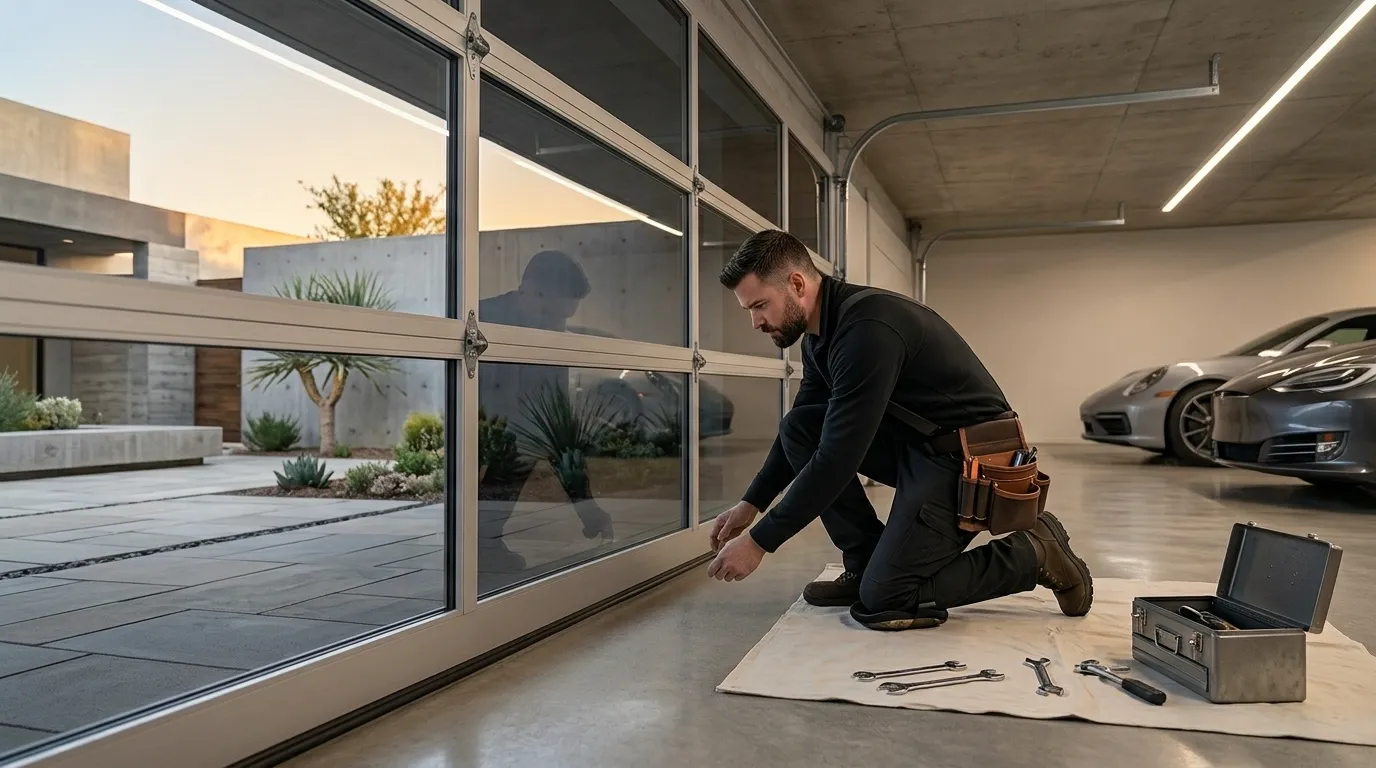
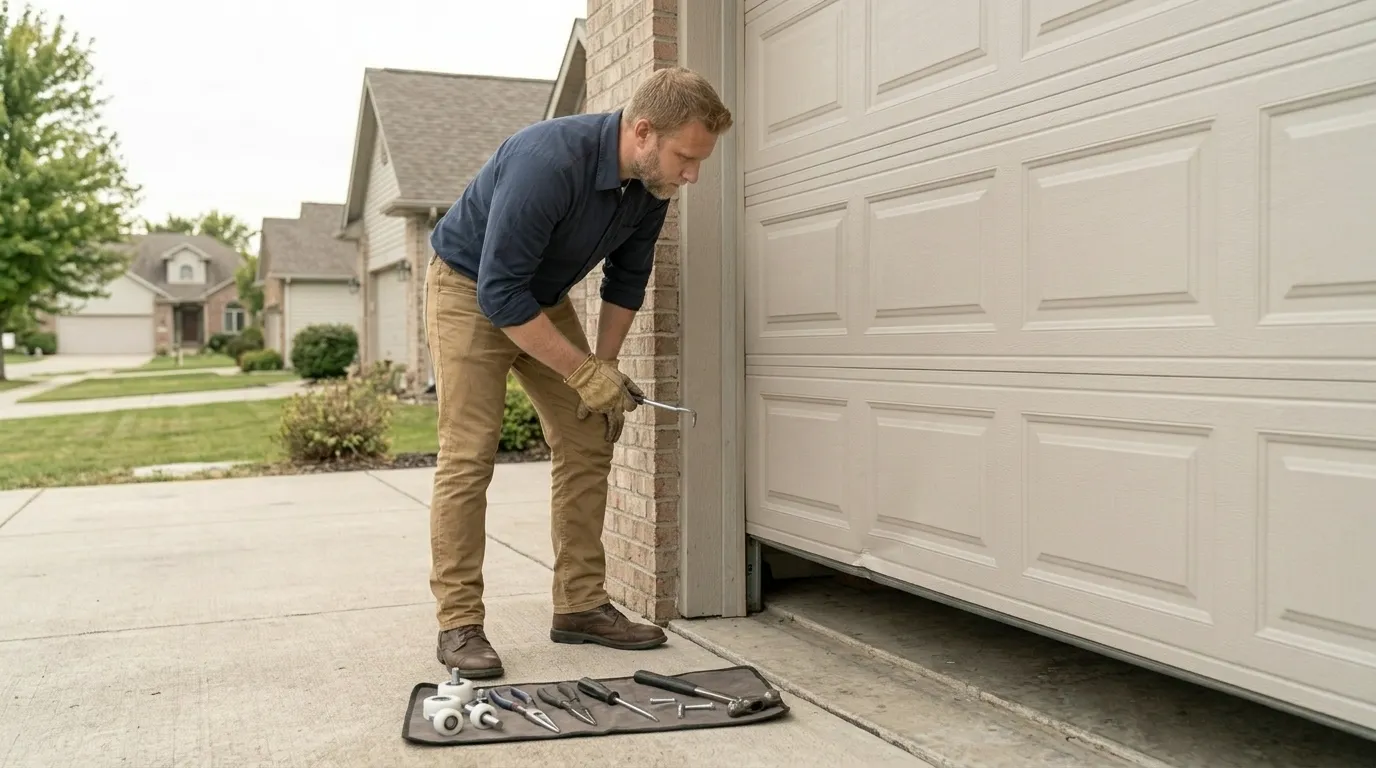
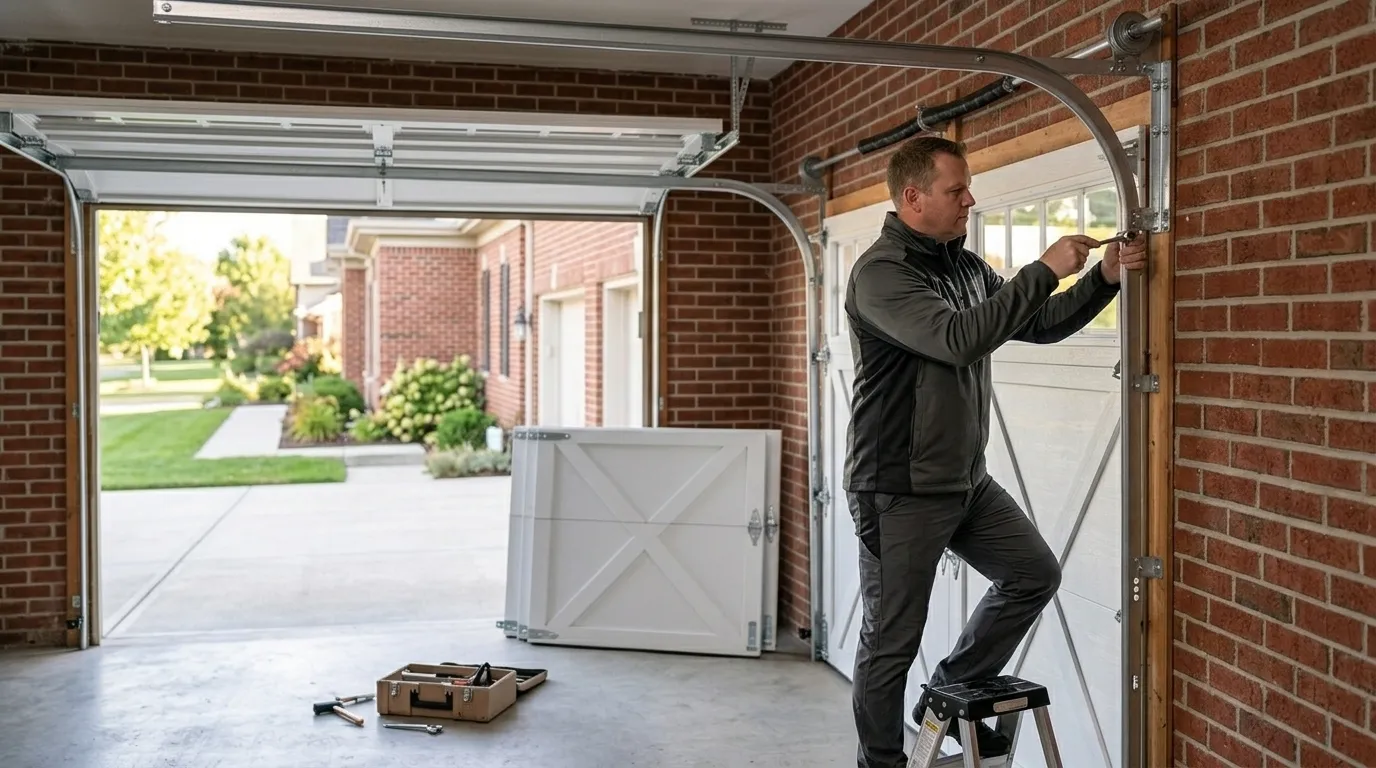
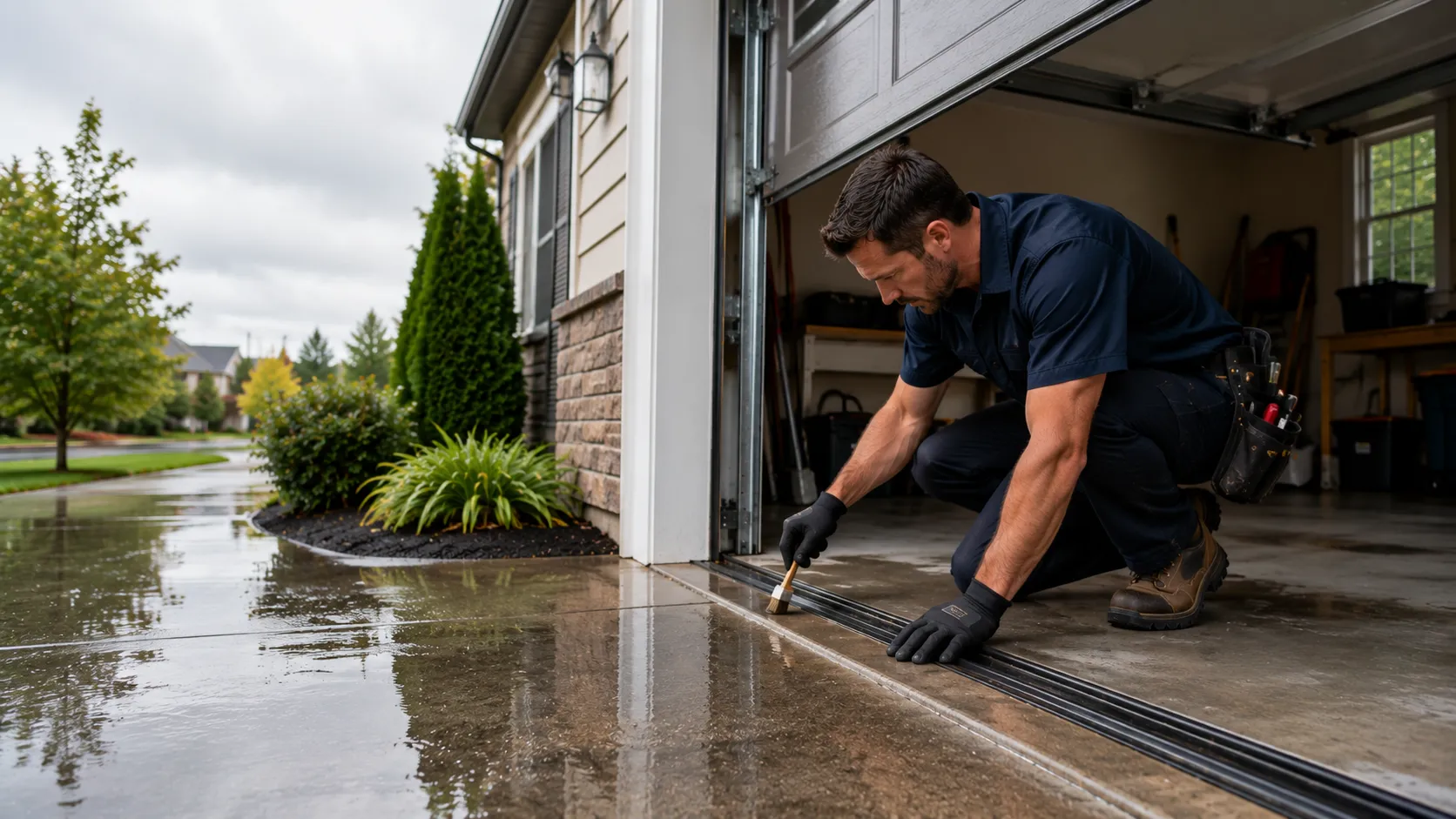
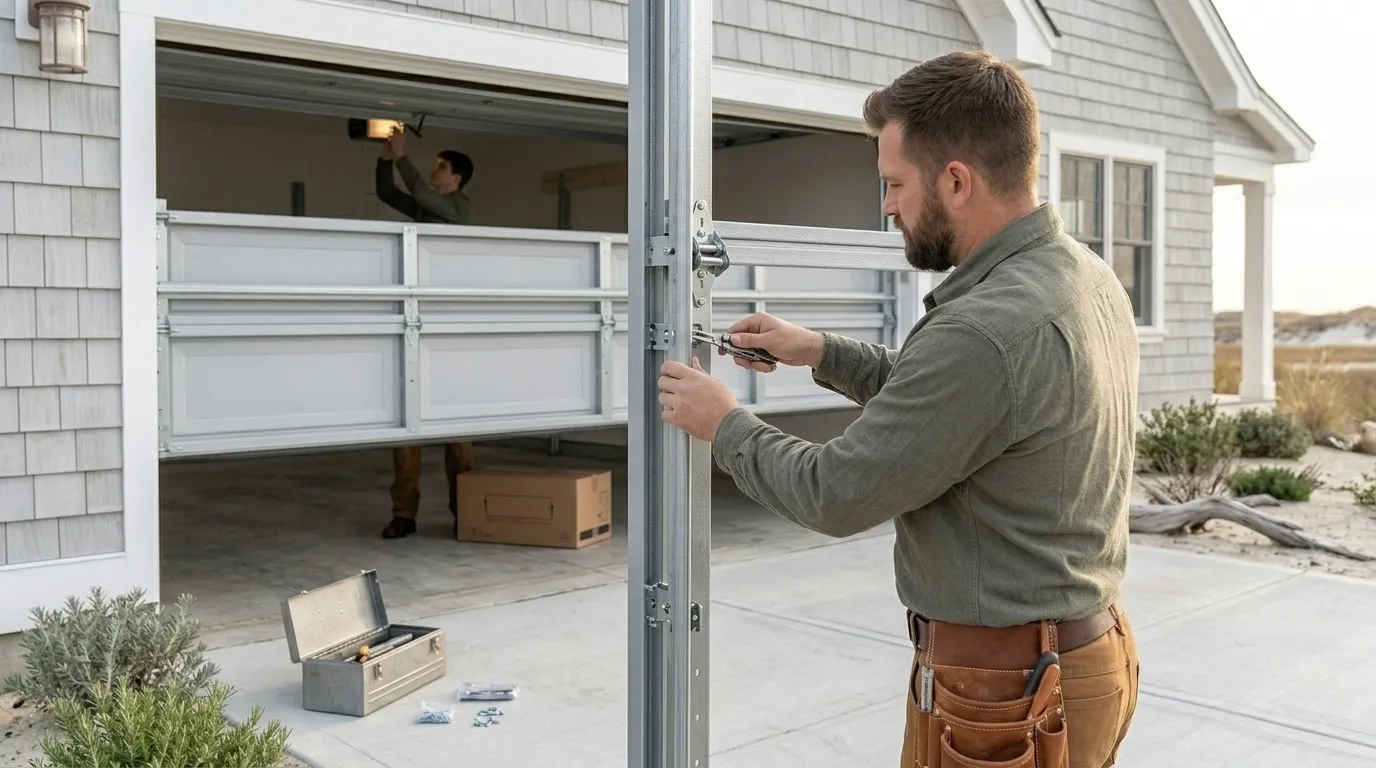
A homeowner can safely handle a few things on a door this age: lubricating hinges and rollers, tightening loose bolts on the track brackets, replacing worn weatherstripping. What we don't recommend touching yourself is anything involving the torsion spring or the cables under tension - on a door built to 1950s-60s spec, the spring is often original or a mismatched replacement, and the wind tension needed to lift a door of that era's weight can cause real injury if the winding bars slip. If your opener is straining, groaning, or reversing on its own, that's also not a DIY fix - it usually means the spring is already compensating poorly and the opener is taking load it wasn't built to carry. We'll tell you plainly when a job is a twenty-minute fix you could've done yourself, and we'd rather say that than run up a bill.
Stocked Parts
Because so much of the housing stock in this part of the service area dates to the early 1950s through the 1970s, we carry torsion springs sized for that era's standard door weights and track hardware, along with rollers and cables that fit older track spacing rather than only current big-box dimensions. That's a direct result of the housing age here - a shop stocked only for modern doors would be ordering parts for half the calls it takes in a neighborhood built this early. We also carry weatherstripping rated for the region's cold-climate severity, since a door that seals well in a mild winter still lets frost in here. One honest limit: if your door uses a specialty panel or a discontinued opener model, that part isn't on the truck, and we'll tell you the lead time before we start rather than after.
Where This Job Goes Sideways
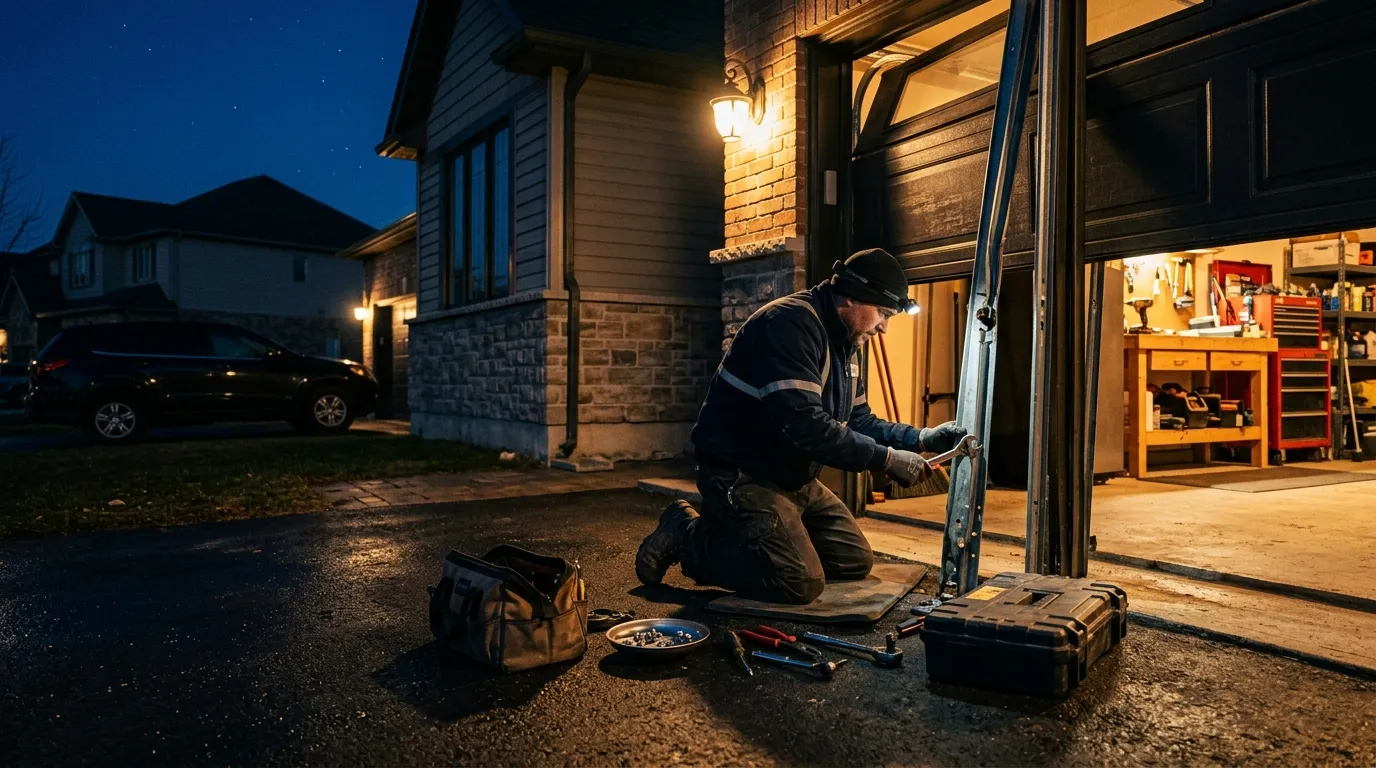
The job goes sideways when a door this age has had a partial repair done years ago - a spring swapped without matching the door weight, or a cable replaced with the wrong gauge - and that mismatch doesn't show up until we're mid-repair and find hardware that doesn't match anything on the door. It also goes sideways when cold has done more damage than expected: a track that looked slightly bent from the driveway turns out to be seized solid, and what should've been a one-hour job becomes a track replacement. We'd rather find that before we quote a price than after, which is why we look at the whole door, not just the obvious fault, before we start.