The DIY Question
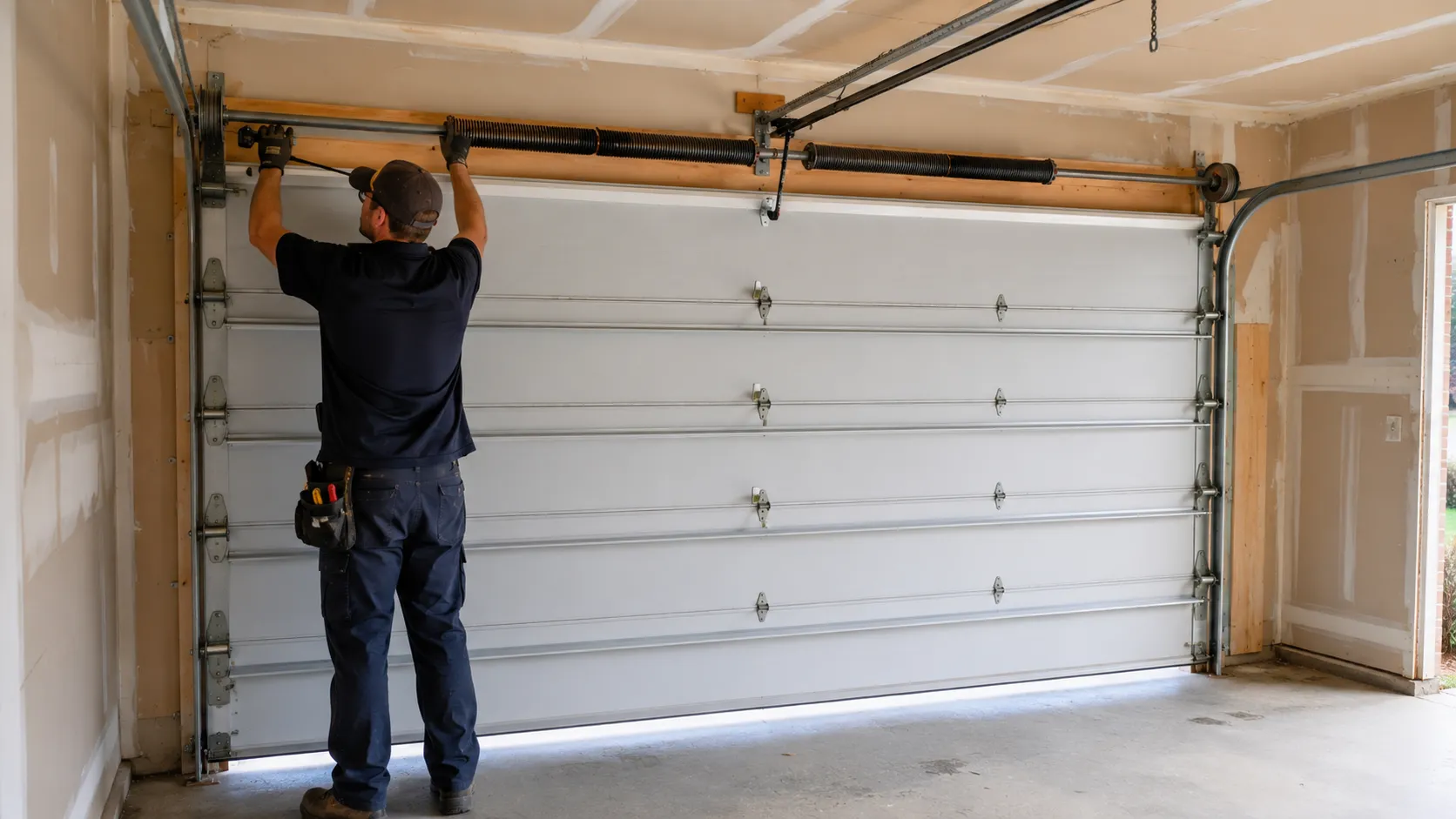
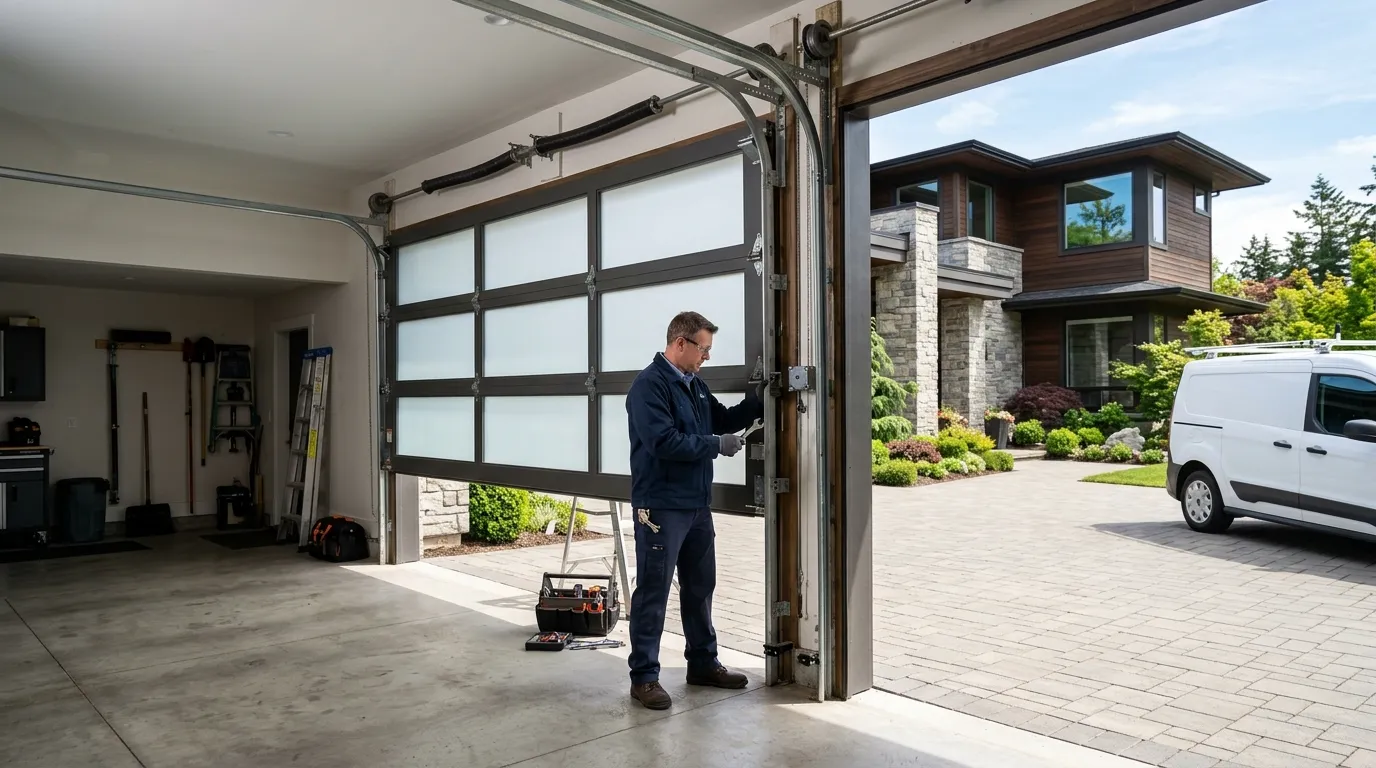
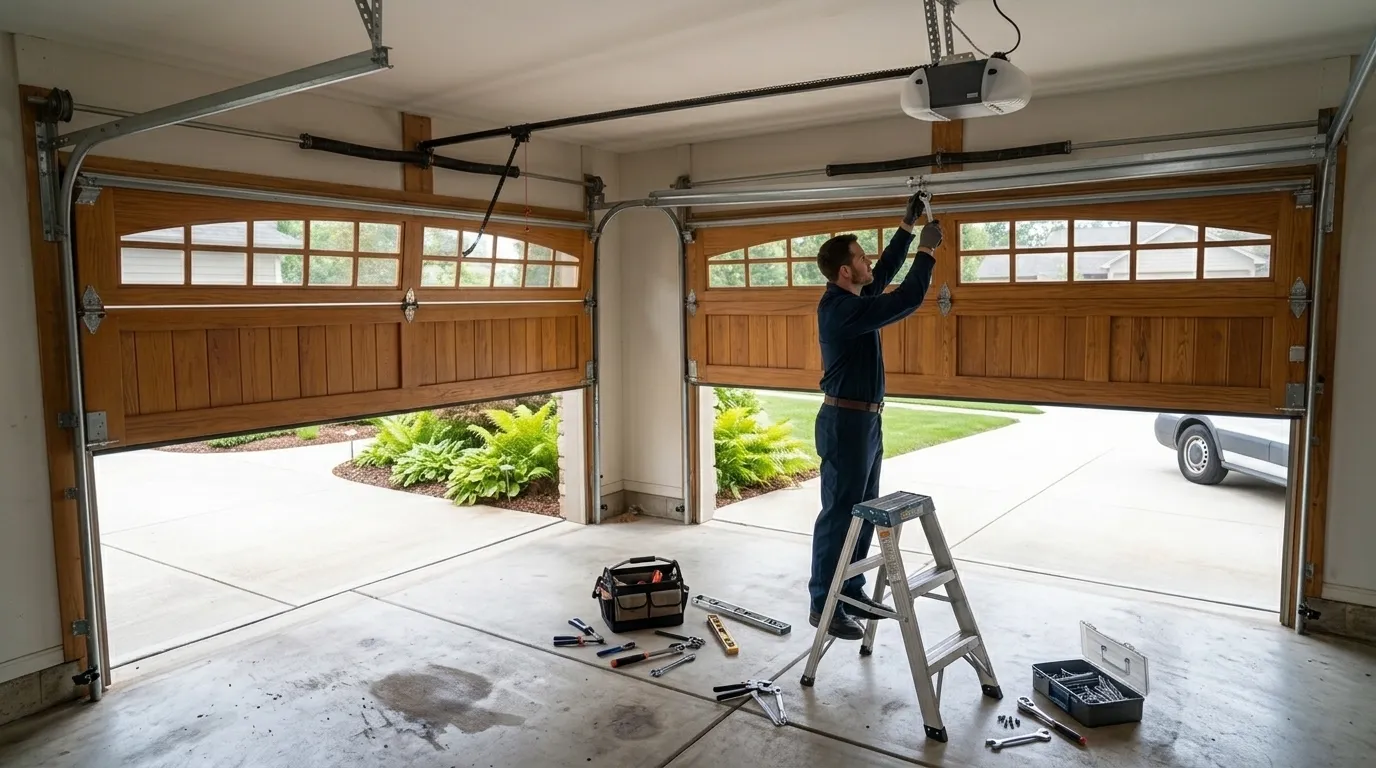
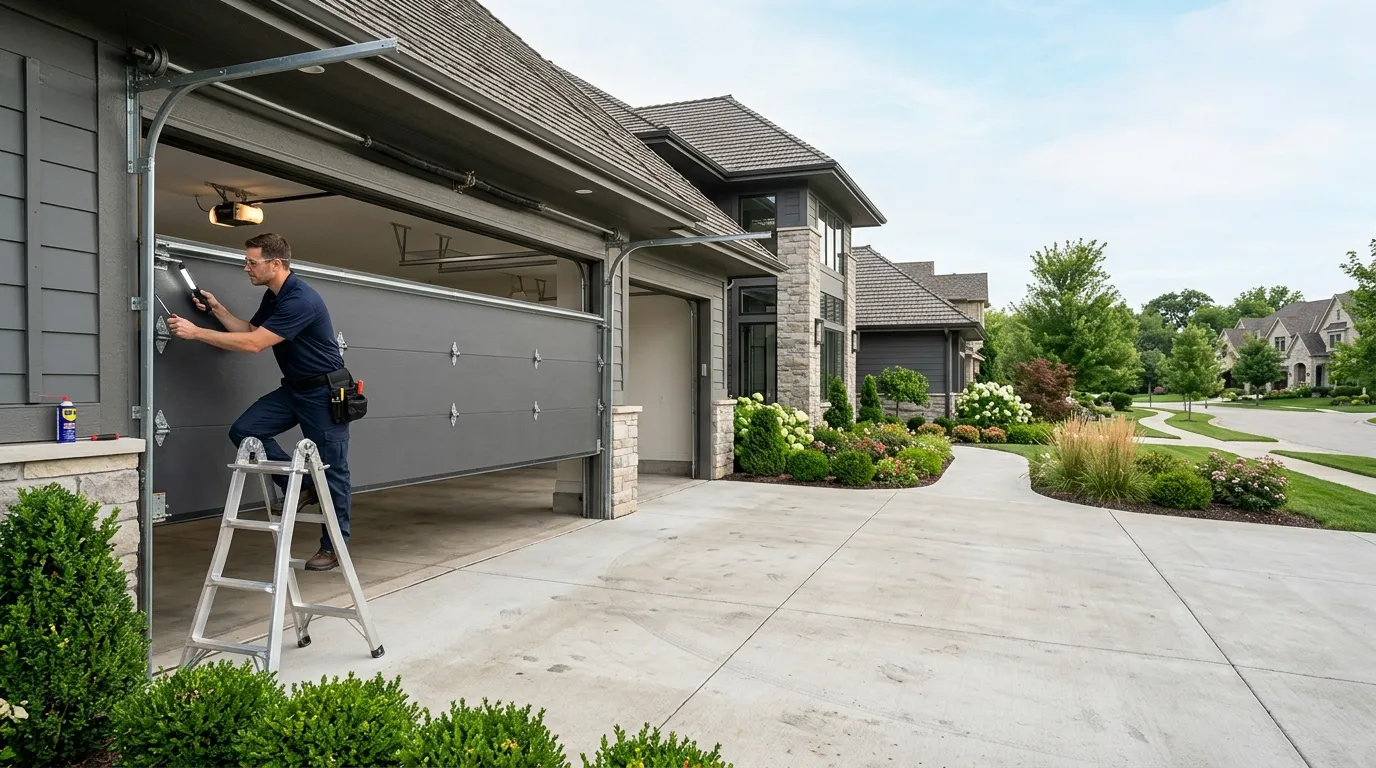
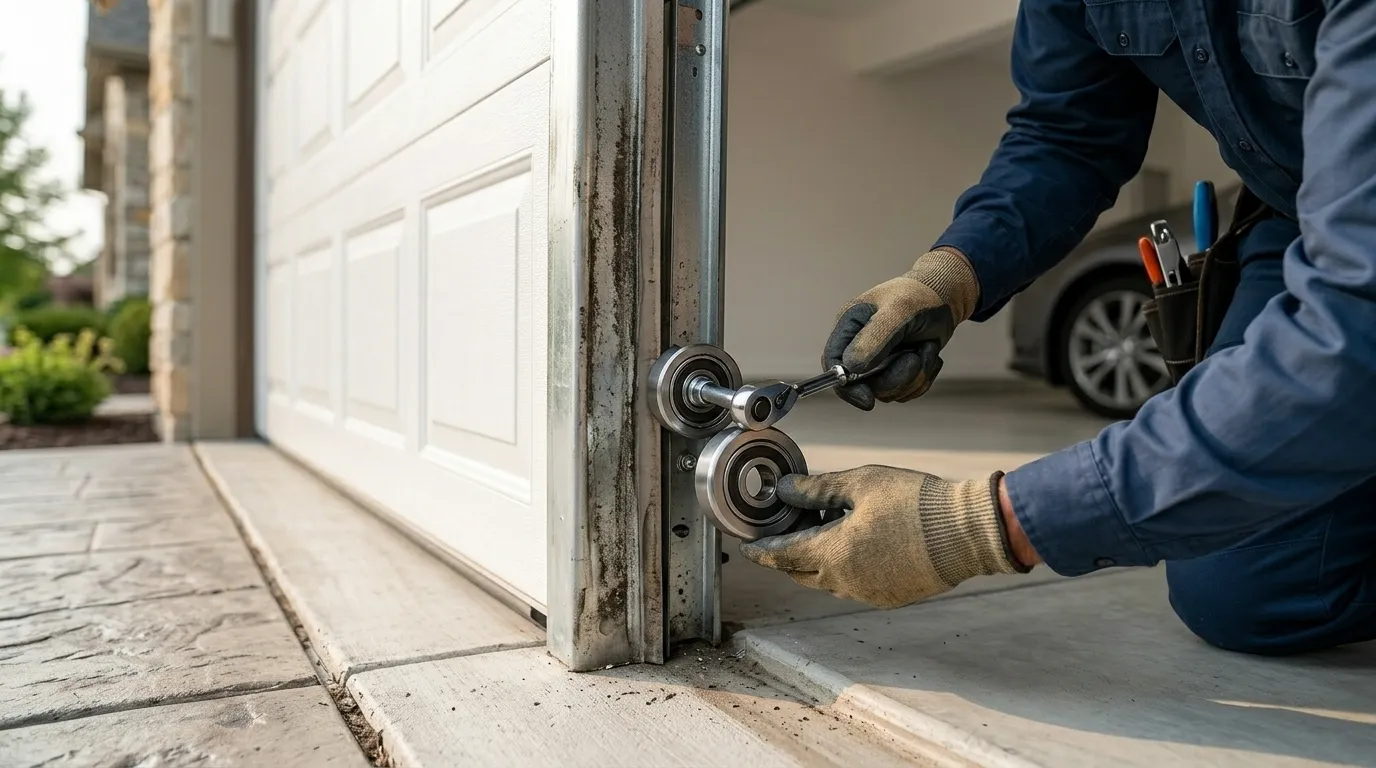
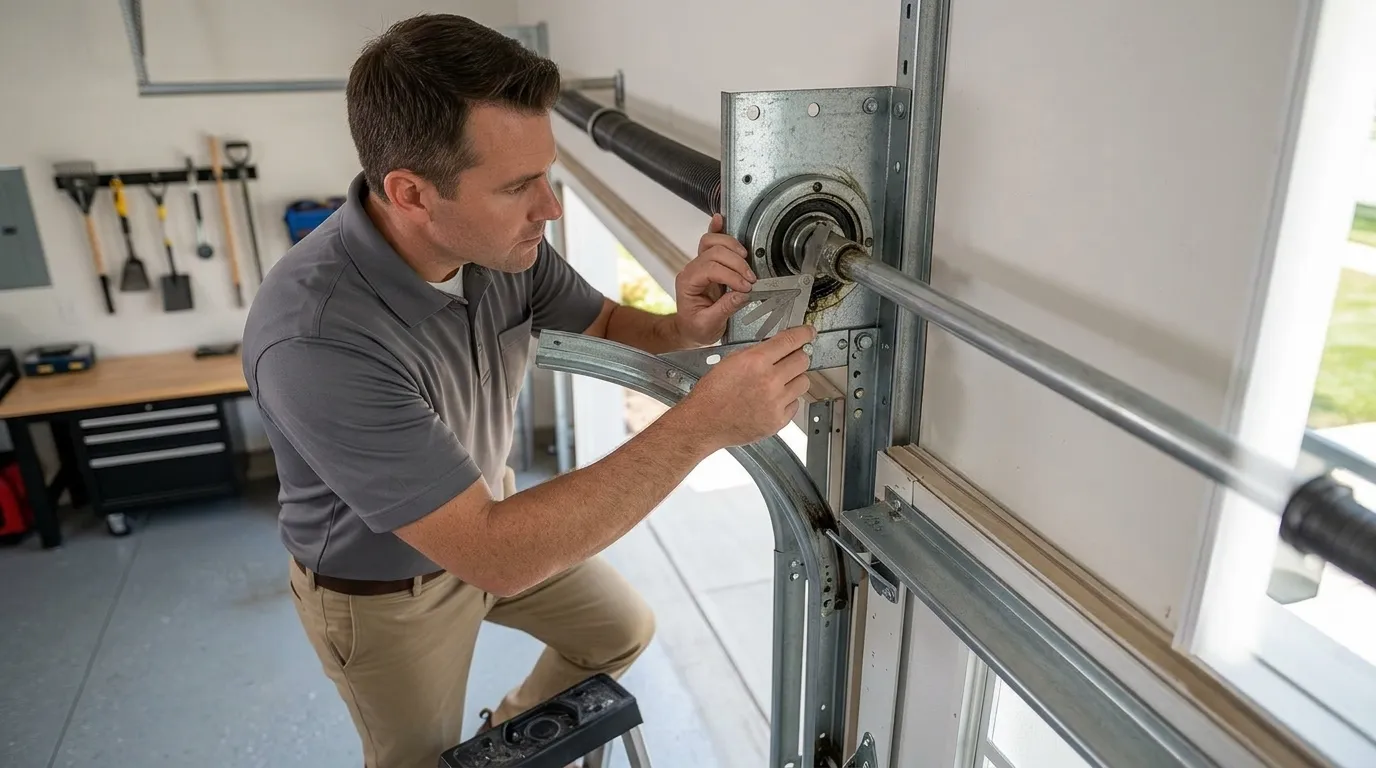
Lubricating hinges and rollers, checking the auto-reverse safety feature, and tightening visible bolts - a homeowner can do all of that safely, and it's worth doing twice a year regardless of who does the rest. What we don't recommend touching yourself is anything involving the torsion spring or the cables under tension. On a house from this era, the spring and drum setup is often original or a mismatched replacement from a prior repair, and the two don't always play well together.
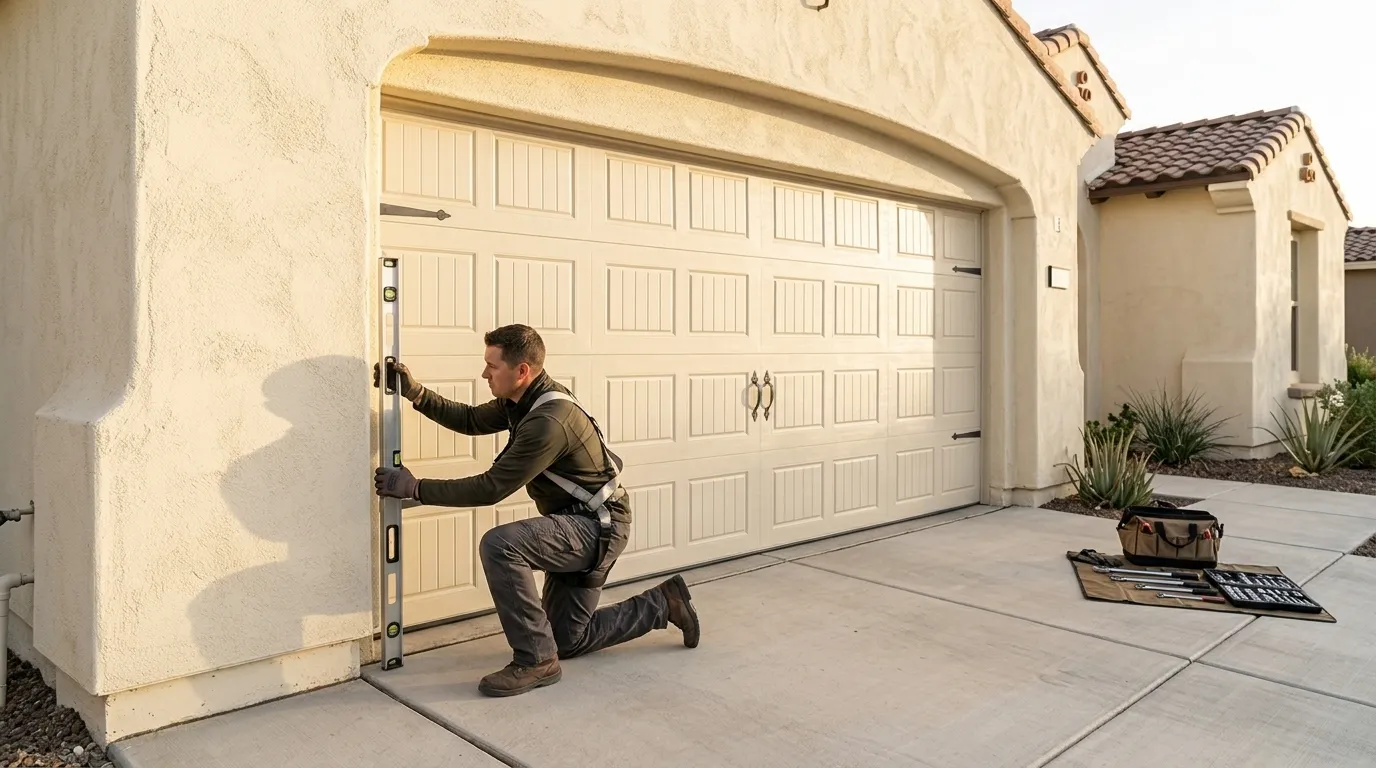
We also won't tell you to DIY a track alignment on a door where the jamb has settled - which is common enough in housing from 1951 that we check for it as a matter of course. If the track is fighting the frame, tightening bolts just moves the bind somewhere else. That's a call, not a weekend project.
Honest limit: we don't do same-day emergency service in Struthers. We work this area from Youngstown, about 4 miles out, and maintenance visits get scheduled, not walked in on.
Stocked Parts
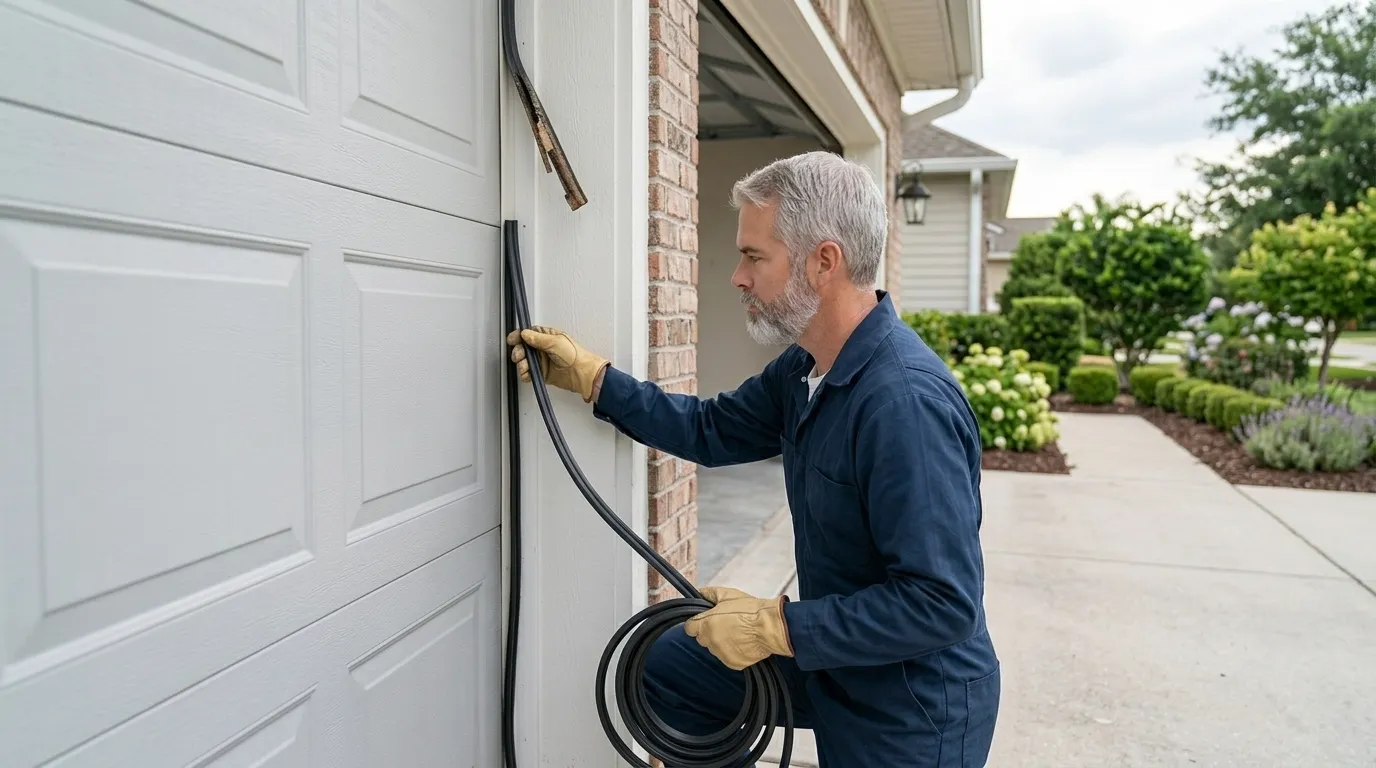
For a service area with median household income around $51,894 here in Struthers - lower than the wider territory's $60,598 - we stock parts sized for repair over replacement where the door itself is still sound. That means standard torsion springs in common sizes, 1-3/8 and 1-3/4 inch shafting, nylon and steel rollers, and cable sets rated for the door weights typical of a single-car or standard double on a house this age.
What we don't carry on the truck are the odd sizes - torsion springs wound for oversized commercial doors or oddball track widths from a custom install. If your door falls into that category, we'll tell you up front instead of guessing at a fix. Across the roughly 41,076 owner-occupied houses in the wider service territory, the parts we stock cover the large majority of what shows up, but not everything.
Where This Job Goes Sideways
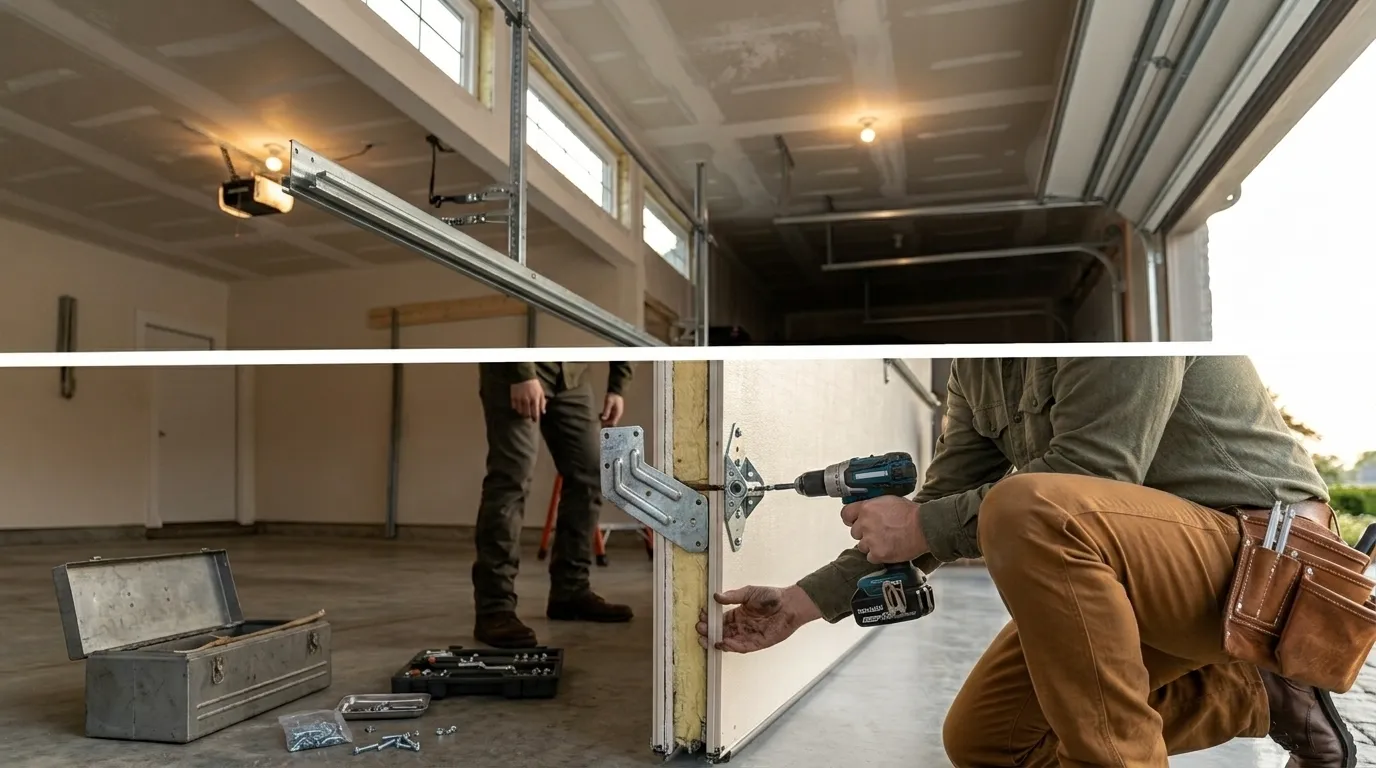
The job goes sideways when what looked like a simple tune-up turns into a header rebuild. On a house built in 1951, we sometimes find that the wood framing around the door opening has degraded enough that no amount of bracket tightening holds - the track needs a new mounting surface, which is carpentry, not garage door work, and we'll say so rather than force a fix that won't last the winter.
It also goes sideways when a homeowner has had a mismatched spring installed by a prior repair - wrong wire gauge for the door weight - and the opener has been compensating for years. Replacing that spring correctly sometimes reveals a chain drive or gear set that's been overworked and is next in line to fail. We'll flag it, but we won't replace it unless it's actually failing; that's not a fix worth paying for early.