The DIY Question
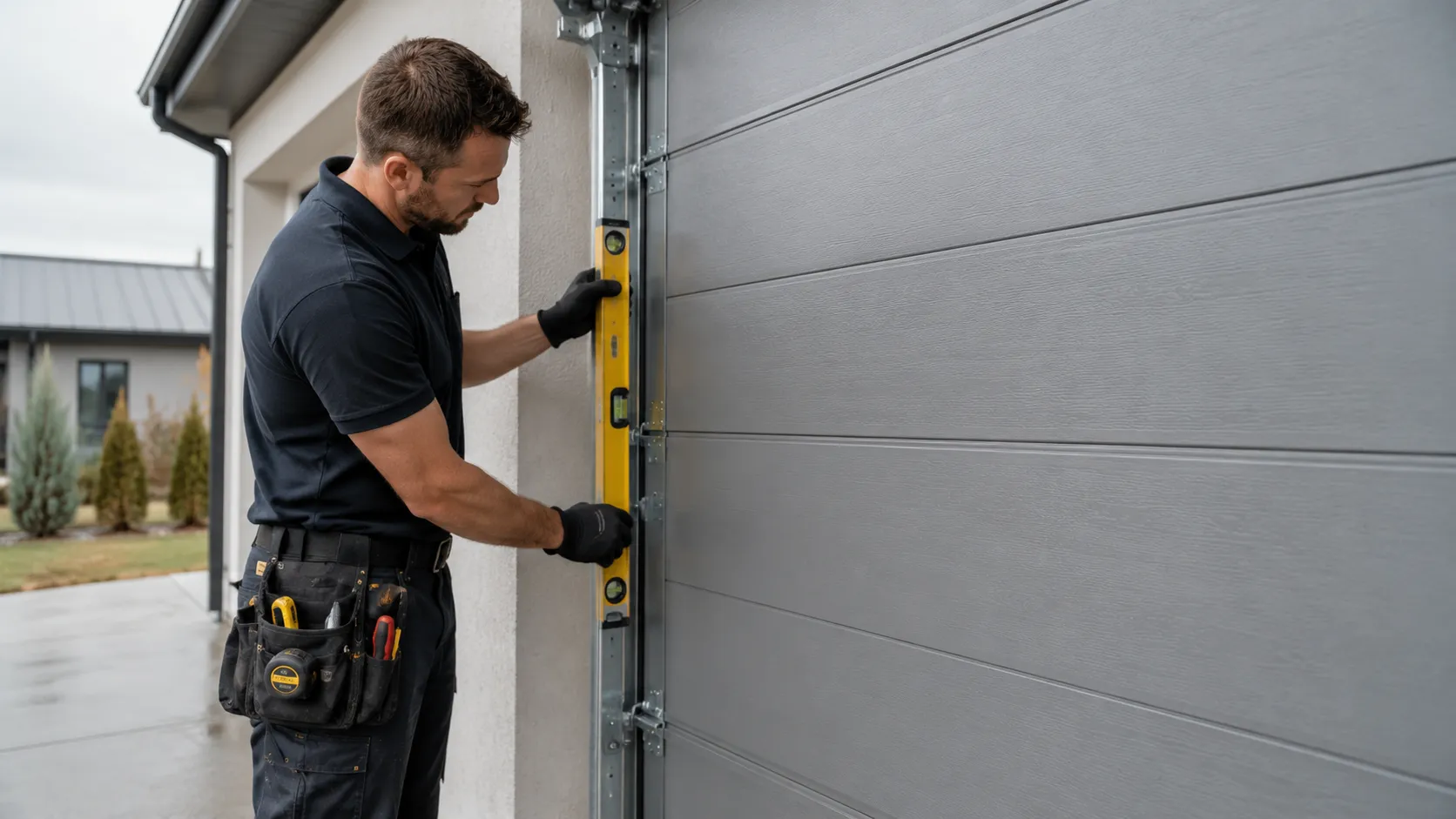
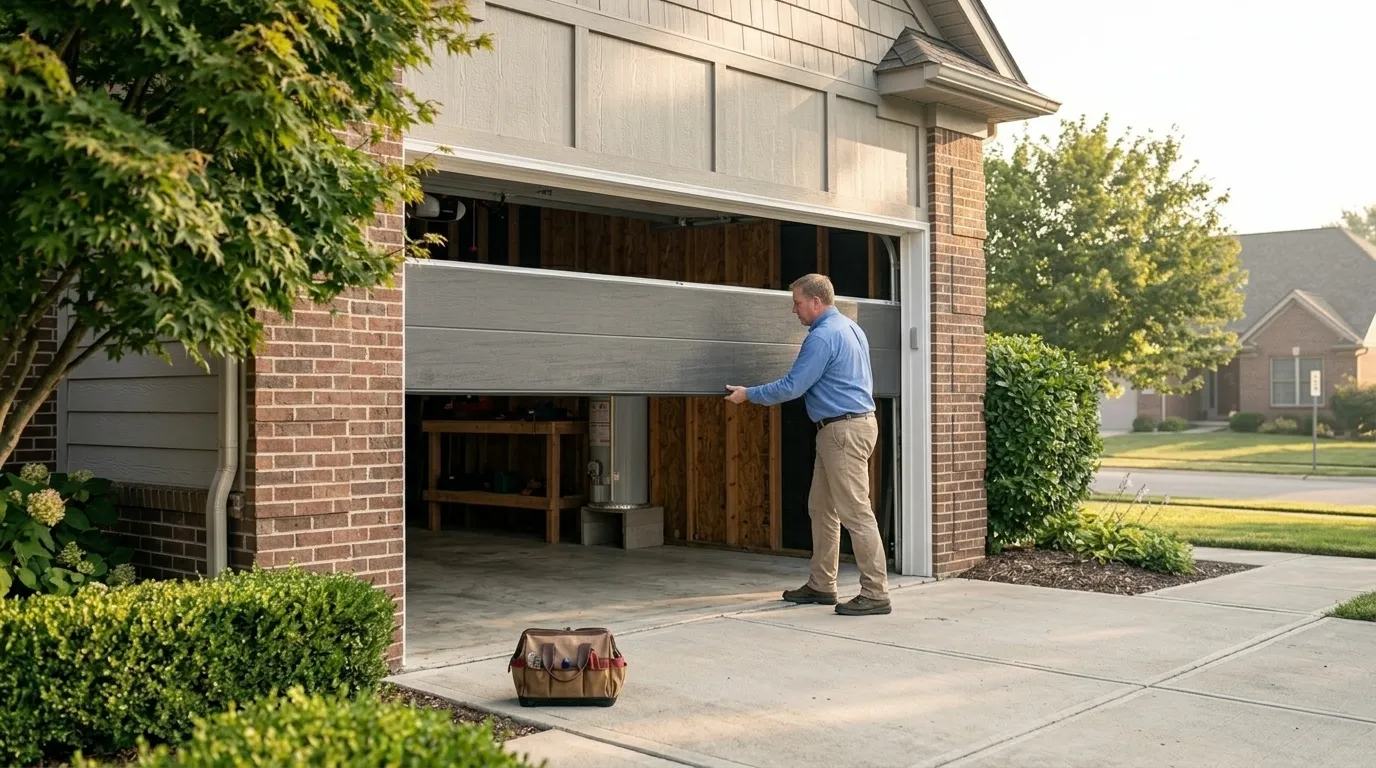
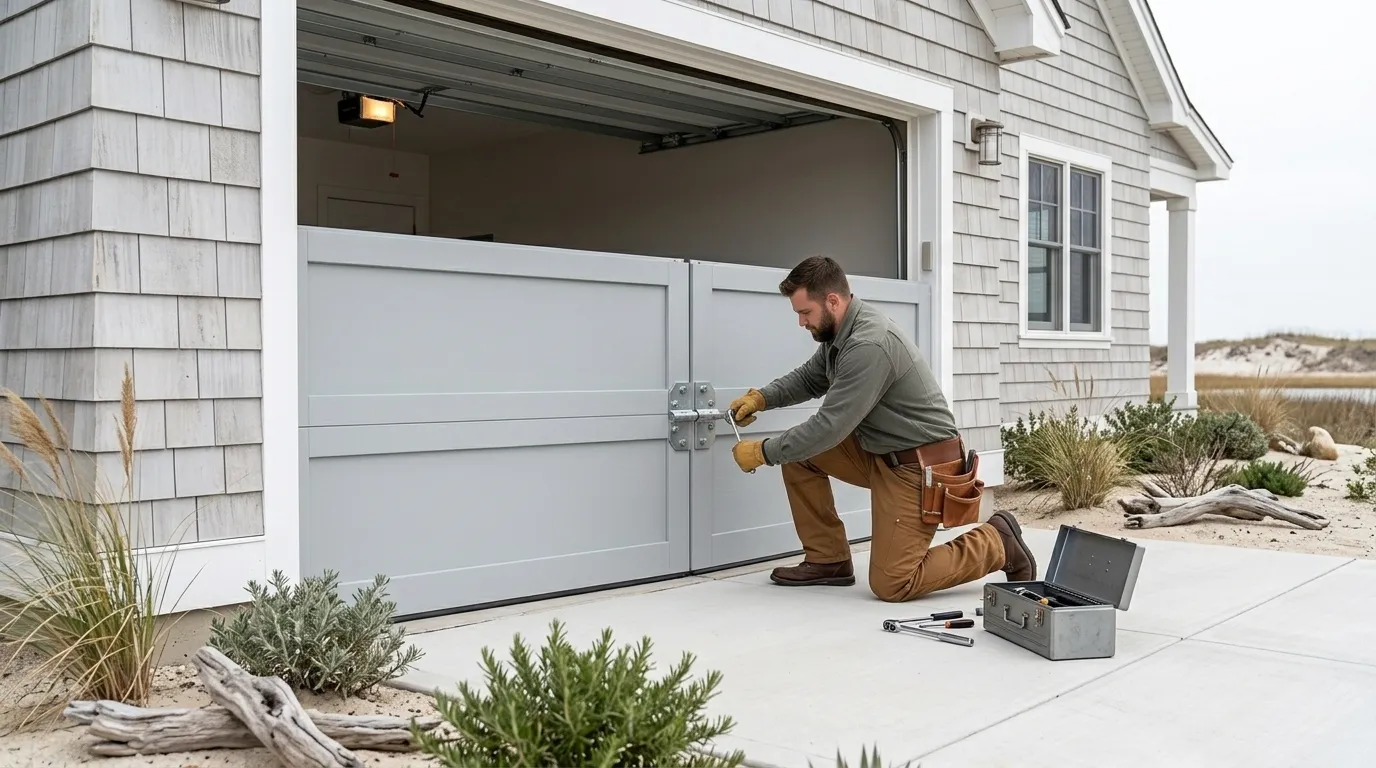
A prehung new garage door kit assumes a square, standard-width opening. Houses from the early 1950s in Struthers frequently aren't square anymore, and the rough opening may not match current standard sizes at all. That's the first place a DIY install goes wrong - the door looks right in the box and doesn't sit right in the frame.
The second issue is weight. New insulated doors, which you'll want given the severe cold band this area sits in, weigh more than the single-layer doors they're replacing. Old jamb hardware and header framing built for a lighter door in 1951 isn't always rated for the new load without reinforcement.
We're not going to tell you it can't be done solo - some homeowners manage it. But if your opening is out of square by more than a small margin, or the header framing looks original, that's a job where getting it wrong means a door that binds, an opener that strains, or a seal that never closes flat. That's the honest limit: measuring the opening correctly before you order is the part most DIY installs skip, and it's the part that decides whether the job goes smoothly.
Stocked Parts
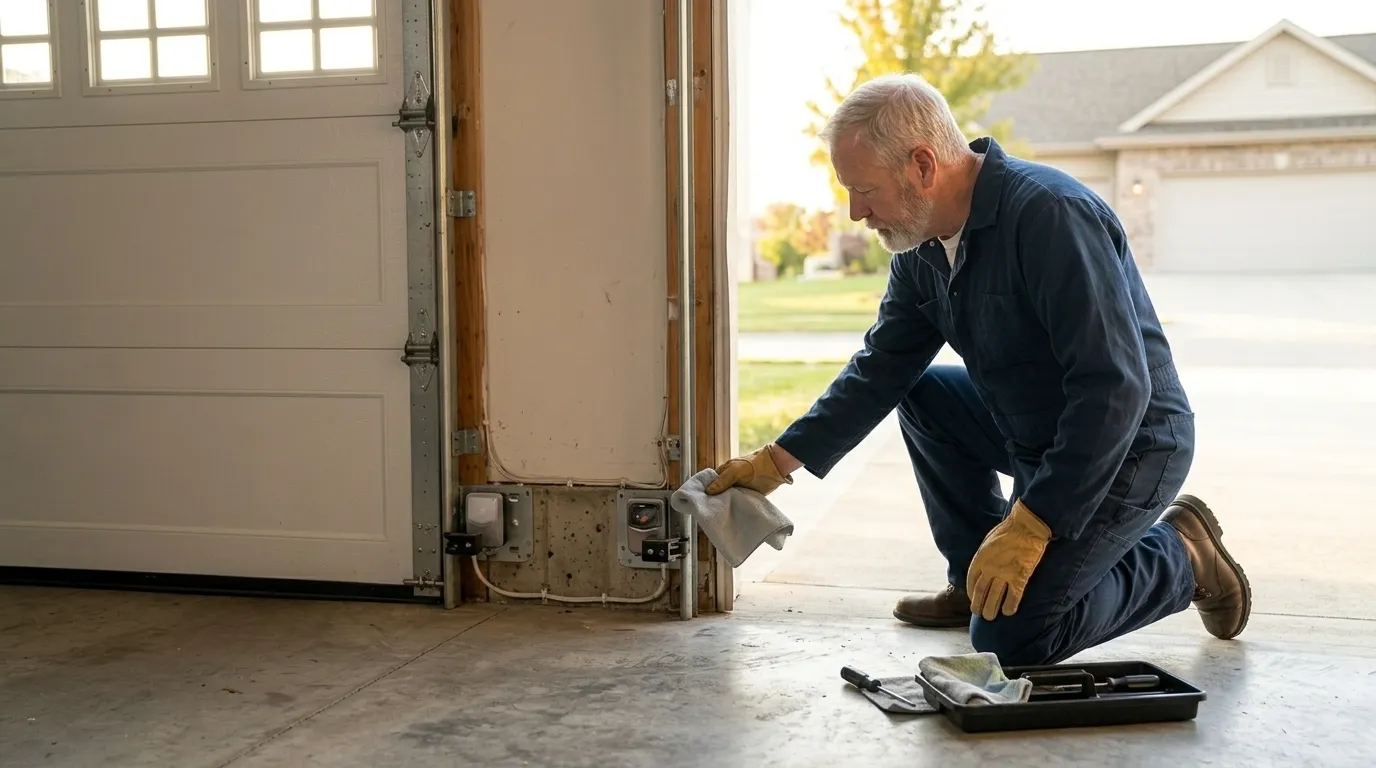
Because so much of Struthers' housing sits in that 1951-era band, we carry insulated doors sized for narrower, older openings, not just today's standard widths. That includes hardware for jamb conditions where the original framing is slightly out of true - something newer subdivisions rarely need.
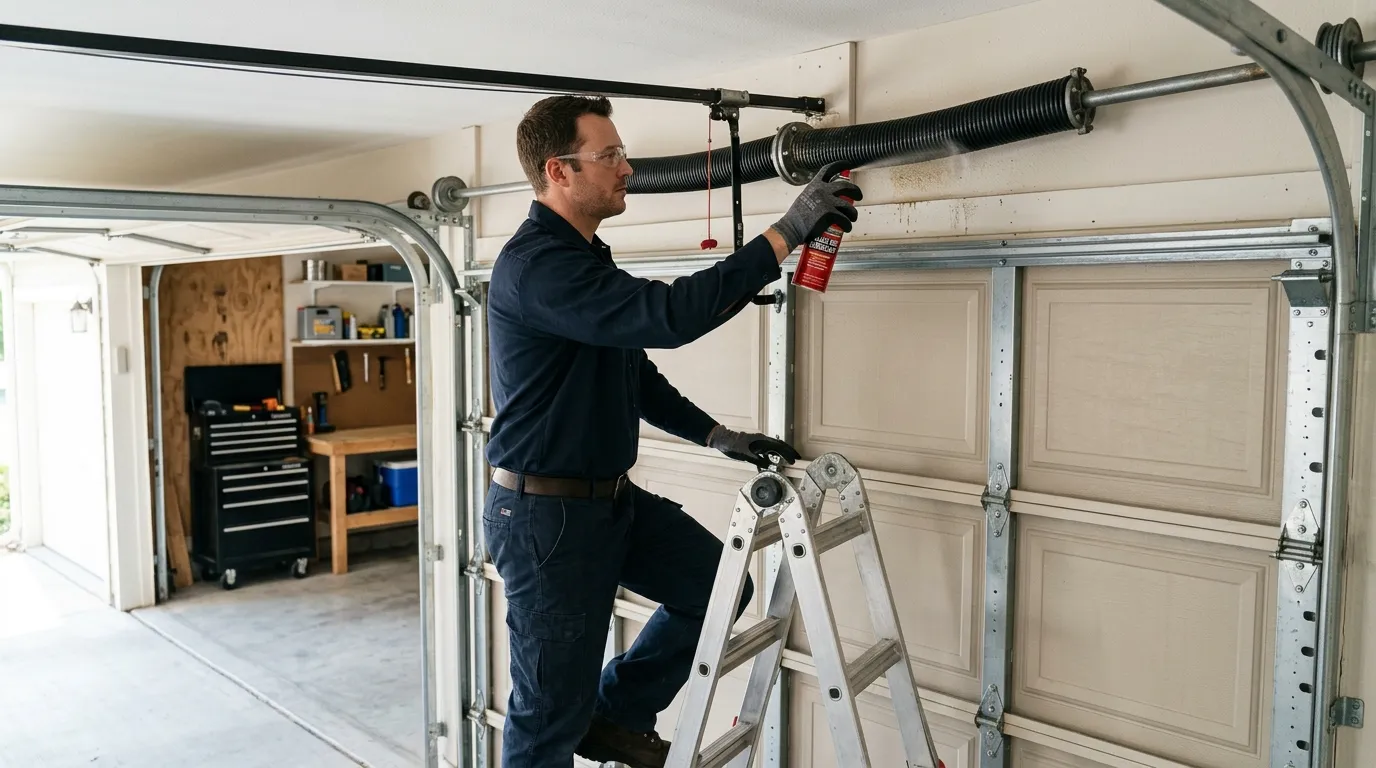
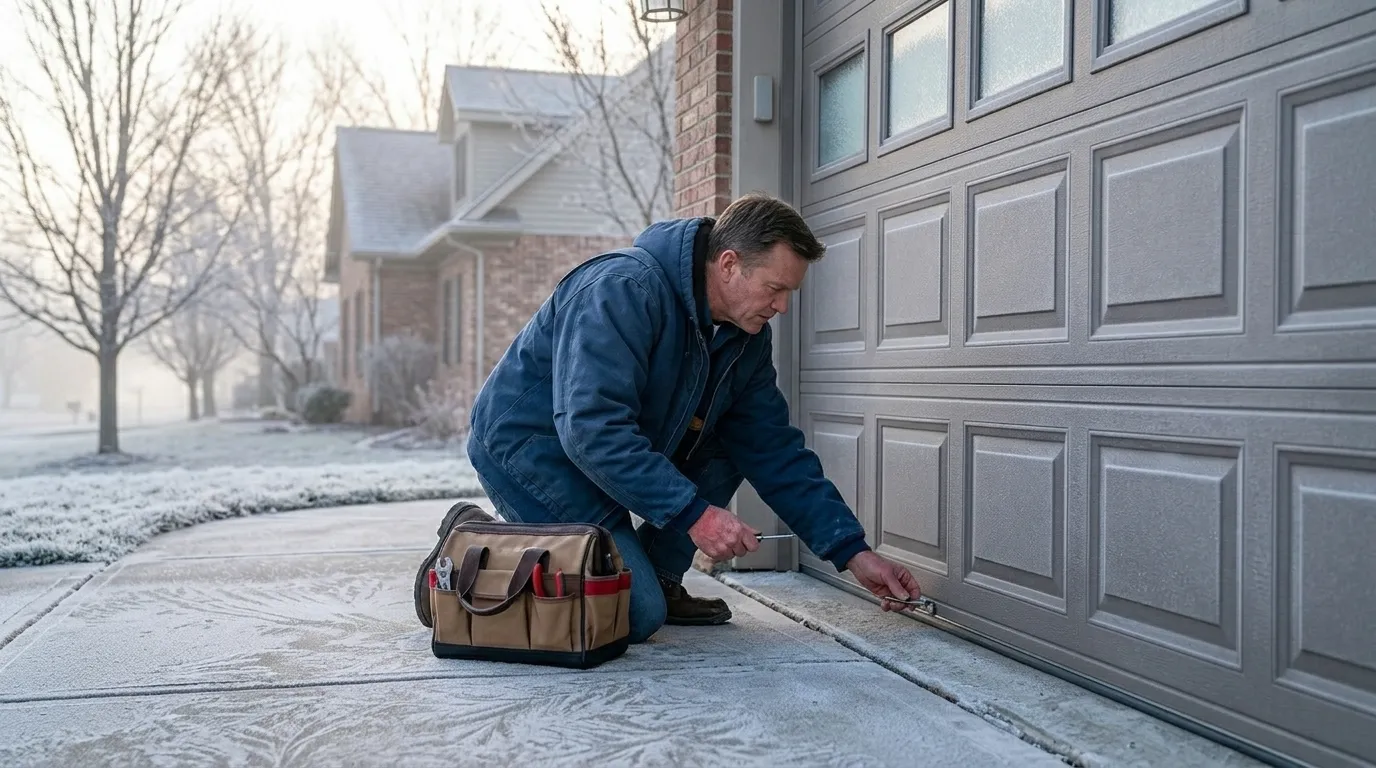
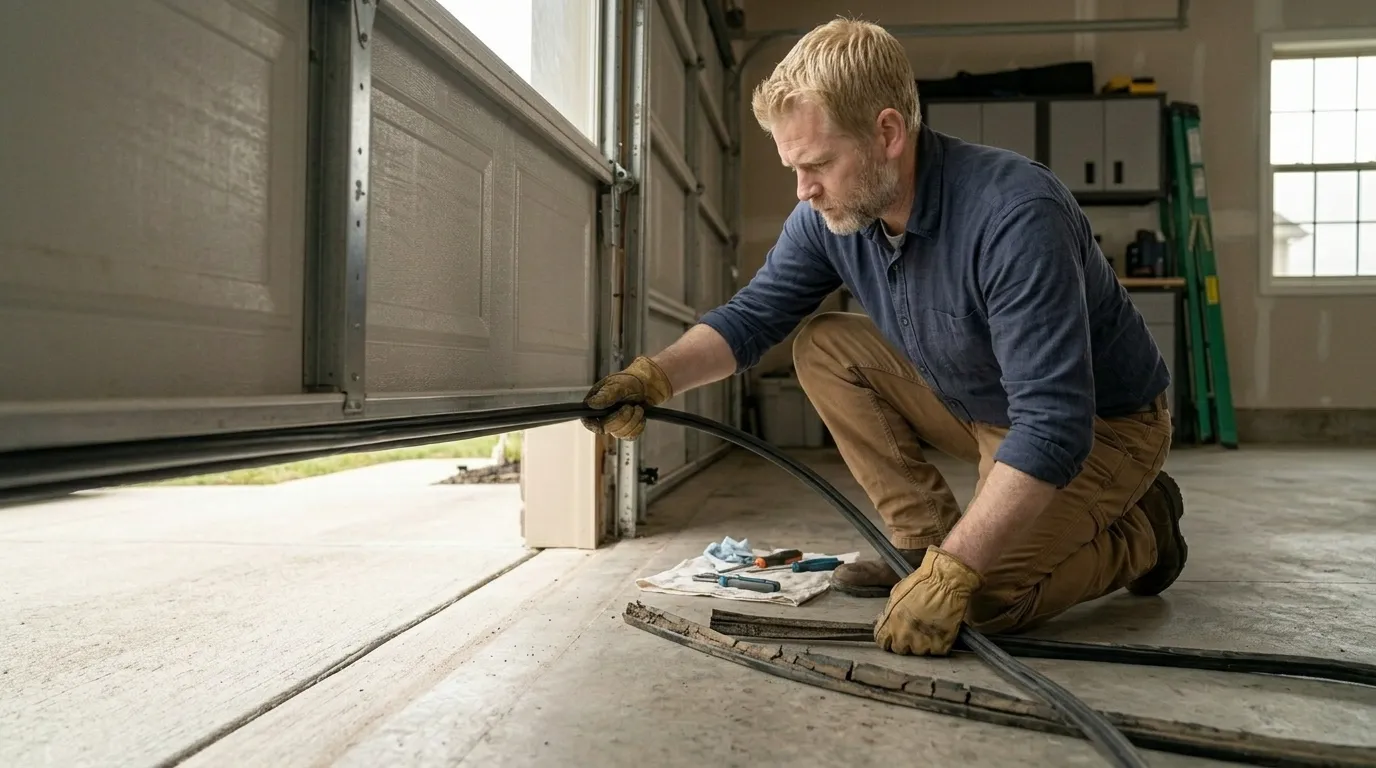
Given the severe cold classification here, we stock doors with higher insulation ratings and weatherstripping built for wide temperature swings, rather than the lighter trim packages that work fine in milder climates. Torsion spring systems sized for heavier insulated panels are part of that stock too, since swapping a light old door for a modern insulated one changes the spring math, not just the door.
What we don't stock on the truck: custom or oversized doors outside standard residential widths, and specialty finishes that have to be special-ordered. Those add lead time no matter which town we're working in, and we'll tell you that up front rather than promise a same-day fit that isn't realistic.
Where This Job Goes Sideways
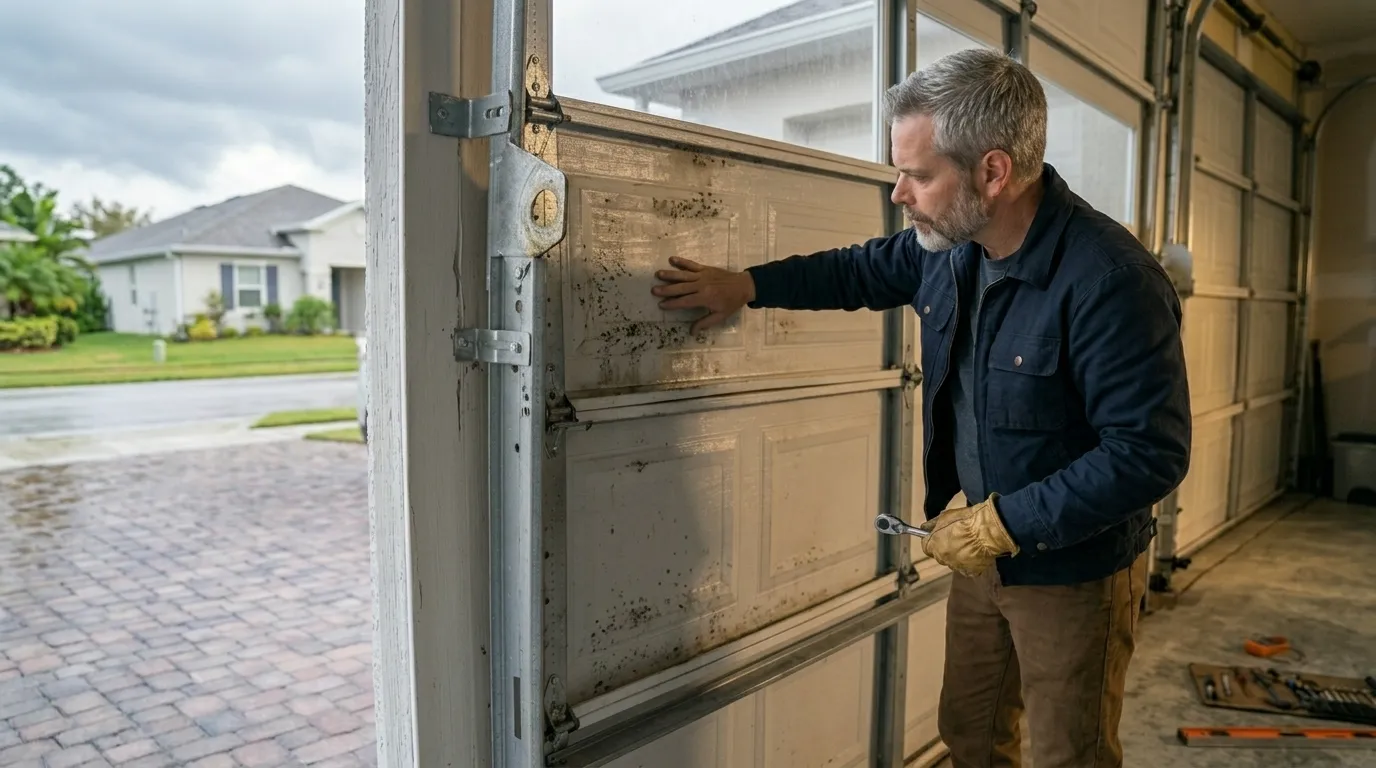
The most common surprise on a Struthers install is what's behind the trim once the old door comes down. On houses built around 1951, header framing sometimes shows past water damage or rot that wasn't visible until the opening's exposed. That's not something we can quote over the phone - it gets addressed once we're on site and can see the actual wood.
The second place things slow down is oversized or custom-width doors. Those aren't stocked and have to be ordered, which adds lead time regardless of the reason for the replacement.
We travel to Struthers from Youngstown, about 4 miles away, and we're upfront that we're not a branch located in town - no on-site depot here, just a job we come out to complete like we do across the wider area covering Struthers, Austintown, and the other communities near Youngstown.