24/7 Emergency Service Open 7 days · 7am–8pm Serving Youngstown, OH & nearby
(234) 297-4828
Youngstown, OH

What Homeowners in Youngstown Need to Know Before Replacing a Garage Door

Most Youngstown houses date from 1938 to 2000, median 1964, which shapes garage door sizing and insulation choices when it's time to replace one here.

What Homeowners in Youngstown Need to Know Before Replacing a Garage Door

When to Call Someone

If your house went up anywhere near the median build year for this area - 1964 - the door hanging in your opening right now is either the original or a first-generation replacement from decades back. That matters because a door that old wasn't built to current spring or track standards, and parts for it may not exist anymore.

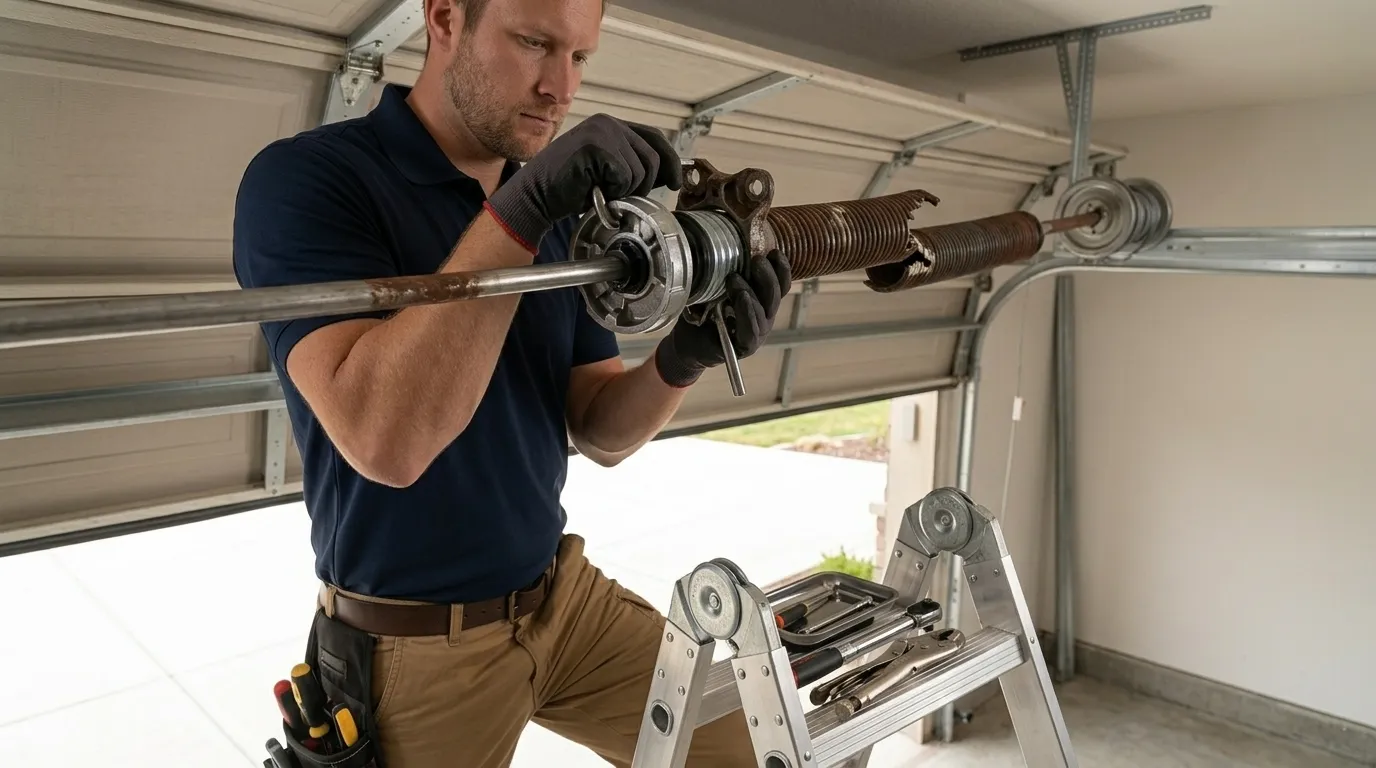
Call someone when a panel has rusted through at the bottom (common on doors old enough to predate factory galvanizing improvements), when the opener grinds but the door barely moves, or when a torsion spring snaps outright - you'll hear it, a loud bang, and the door won't budge either direction. Don't call for a door that's just noisy on one roller; that's usually a lubrication or roller swap, not a replacement.

One honest limit here: if the door still opens and closes fully and the panels are sound, replacing it for cosmetic reasons alone is a personal call, not a repair need. We won't tell you it's broken when it isn't.

What Is Going On

The housing stock across this service area - Youngstown and the 28 named communities around it, from Campbell three miles out to East Palestine at nineteen - mostly went up between 1938 and 2000, with the bulk of it 1960s and '70s construction. That era of building means a lot of openings were framed to dimensions that don't line up with the standard 16-by-7 or 9-by-7 sizes most manufacturers stock today.

What that means practically: a straight swap isn't always straightforward. Older garages sometimes have headroom too tight for a modern torsion spring assembly, or jamb widths that need shimming or reframing to take a new door section cleanly. It's not a defect in your house - it's just what building to a different era's code and material stock looked like.

This is also why measuring twice before ordering matters more here than in a newer subdivision. A door ordered to a generic size sheet can end up needing field modification that a correctly measured order wouldn't.

What the Weather Here Does to It

This area sits in a climate band the federal data classifies as cold, severe. That's not marketing language - it describes what steel, springs, and seals actually go through here every winter.

A torsion spring under tension behaves differently at 15 degrees than it does at 60. Cold steel is less forgiving; a spring that's been fraying for months can go from working to snapped on the first hard freeze, usually early in the morning when you're trying to leave for work. Bottom seals on older uninsulated doors - common in a housing stock this old - harden and crack in cold, letting in the draft and the meltwater that pools right where your car sits.

If you're replacing a door here, insulation isn't optional in the way it might be in a milder climate. An uninsulated steel slab will telegraph every temperature swing straight into the garage, and if that garage shares a wall with living space, you'll feel it inside too. This is one place where spending a little more on the door spec pays back directly.
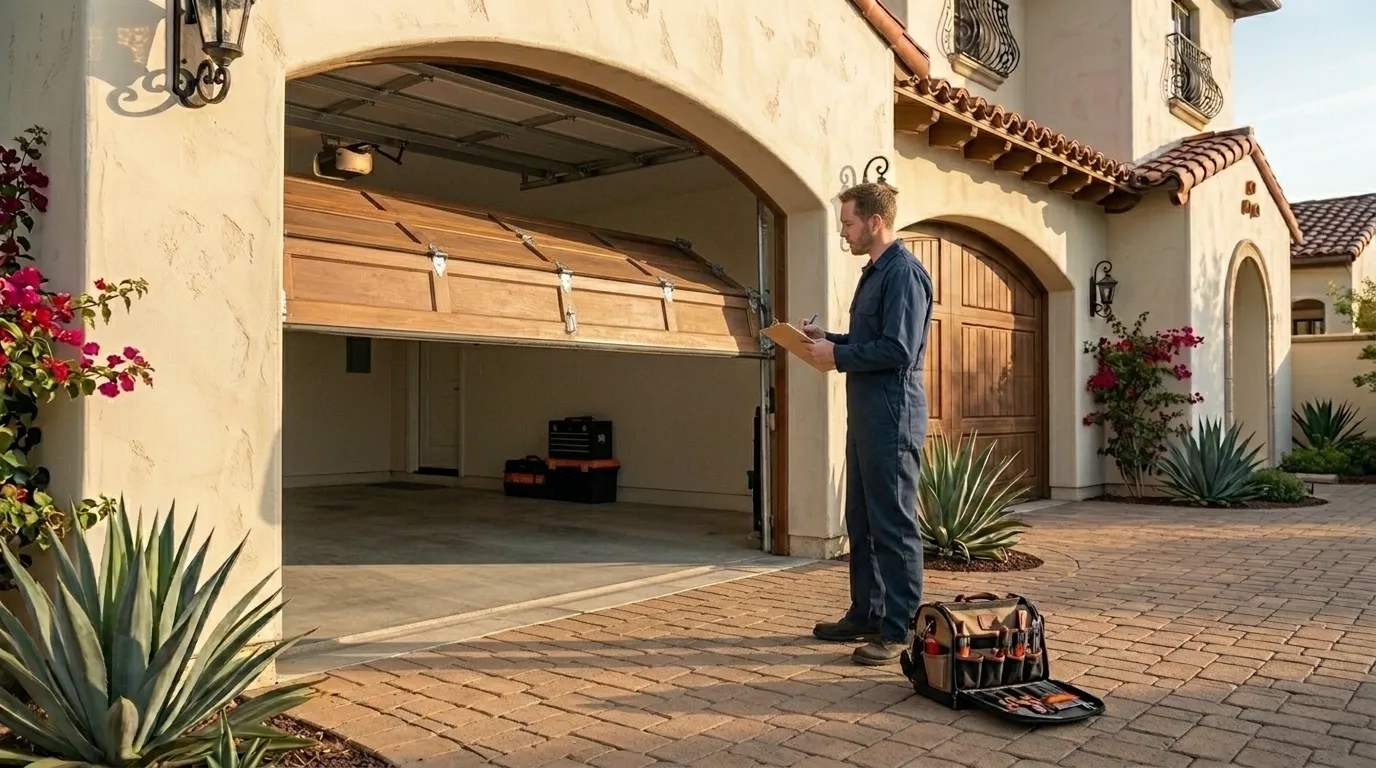
Doing Nothing For Now

Waiting is a legitimate choice, not a failure to act. With 41,076 owner-occupied houses across this service area and a median household income of $60,598, most people here plan a door replacement around a real budget rather than treating it as an emergency purchase - and that's the right instinct if the door is still functioning.

What you shouldn't wait on: a cracked panel that's letting water in, or a spring that's already showing frayed strands. Those don't improve with another winter. What you can reasonably sit on: cosmetic wear, a slightly outdated opener that still works, or a door that's merely uninsulated but sealing fine.

One limitation worth naming - custom sizes for older, non-standard openings can carry longer lead times than an off-the-shelf 16-by-7, since they're often special-ordered rather than pulled from stock. If you're on a timeline, that's worth asking about early rather than after you've committed to a size. More at Youngstown Garage Door Pros.

How it works

From “it’s stuck” to “it’s fixed”

Tell us what’s wrong - Youngstown garage door service

Tell us what’s wrong

Describe the symptom - won’t open, loud bang, opener runs but the door won’t move.

On-site diagnosis - Youngstown garage door service

On-site diagnosis

A technician tests the door under power and by hand and finds what actually failed.

Clear, up-front plan - Youngstown garage door service

Clear, up-front plan

You get the fix that’s needed and what drives the cost - before any work starts.

Repaired & tested - Youngstown garage door service

Repaired & tested

The repair is done, the door is set true and tested, and the work area left clean.

Serving Youngstown, OH - tell us what your door’s doing and we’ll take it from there.

How we work

What to expect

Diagnosis firstEvery visit starts by finding what actually failed - not a pre-written parts list.
The right part for the doorSprings and openers matched to the door’s weight and age, so the fix holds up.
Straight answersWhen a repair makes more sense than a replacement - or the reverse - you hear it plainly.
Clean, careful workTension released safely, hardware set true, the door tested under power before we leave.
Questions

Frequently asked

Straight answers about garage door repair in Youngstown. Still unsure? Ask us directly.

How do I know if my door needs replacing instead of repair?

If the panels are structurally sound and the opener still runs the door fully open and closed, a repair usually makes sense. Replacement becomes the better call when panels have rusted through, the frame is bent, or you're dealing with an opening old enough that parts for the original hardware are no longer made.

Will a new door fit my older garage opening?

Often yes, but houses in this area built in the 1960s and '70s sometimes have openings sized differently than today's standard 16-by-7 or 9-by-7 doors. A measured visit before ordering avoids surprises like tight headroom for a torsion spring assembly.

Does the cold here actually affect garage doors, or is that overstated?

It's real. This area sits in a climate band classified as cold and severe, and steel springs and door seals behave differently in hard freezes. Springs are more likely to snap in cold weather, and uninsulated door seals crack and let in draft and water.

Is it worth paying for an insulated door here?

Given how many houses in this area sit in an uninsulated or poorly sealed garage attached to living space, insulation tends to pay off through the winter months. It's not required, but in a climate this cold it's rarely wasted money.

Ready to get your garage door sorted?

Request a QuoteCall