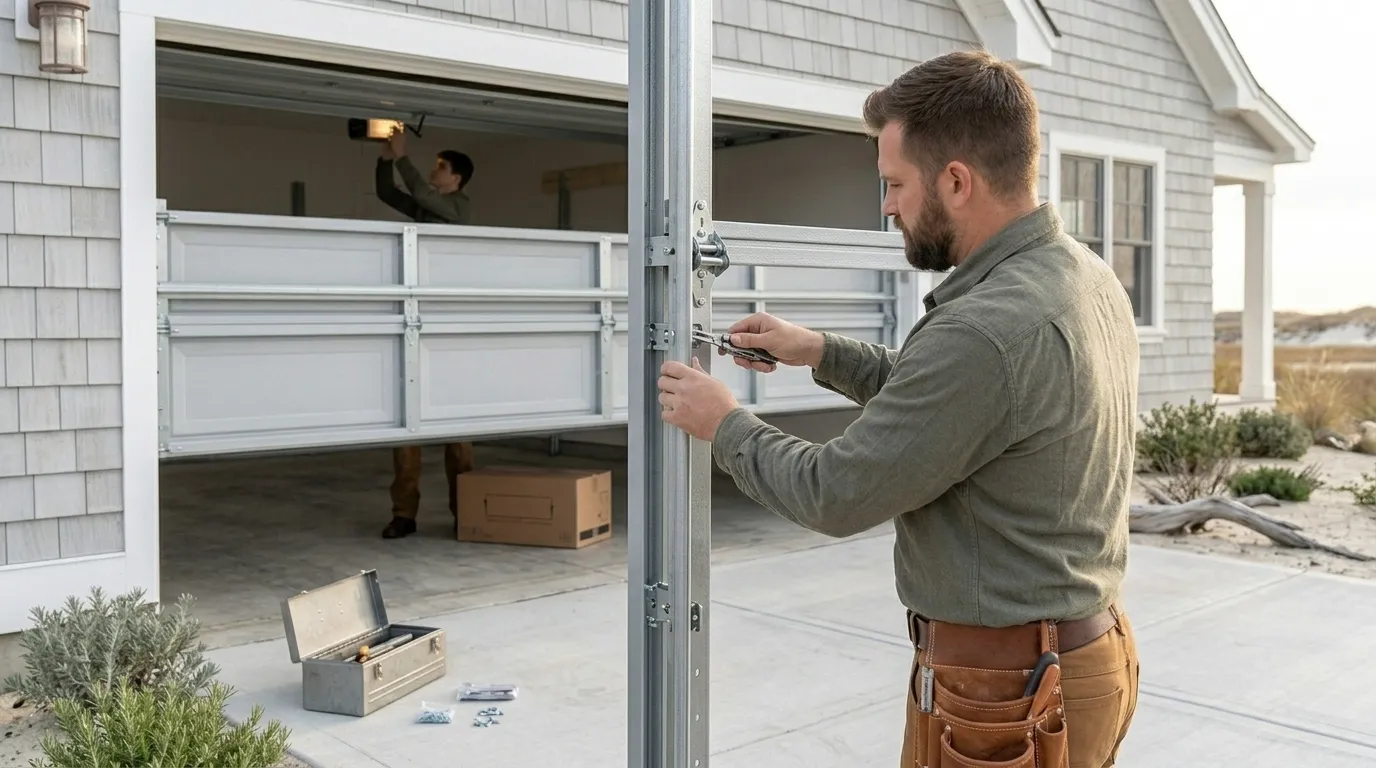
Serving Girard's 1950s housing stock from Youngstown, 5 miles out. We know the torsion hardware and steel doors that came with homes built around 1956.
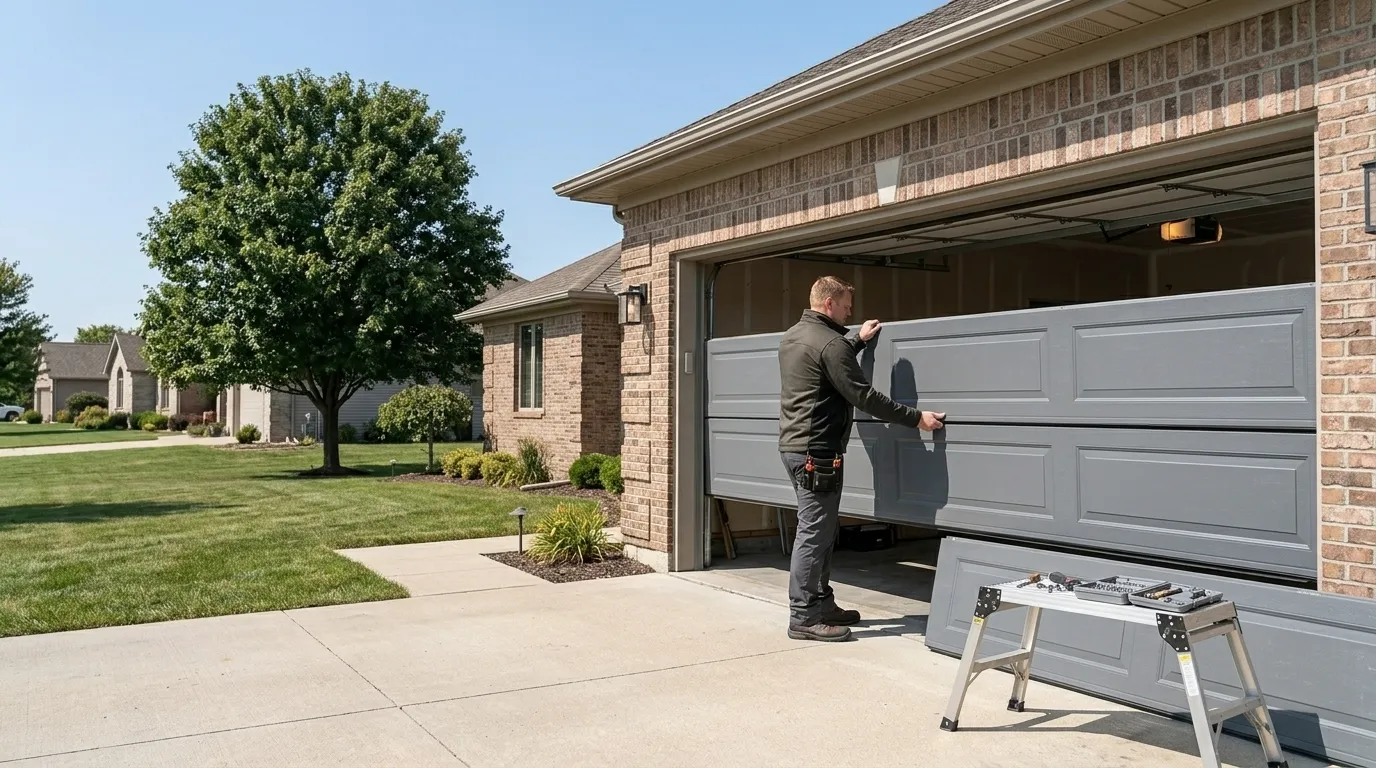
Girard's homes mostly went up around 1956, a good eight years ahead of the median build year across the wider Youngstown service area. That matters more than it sounds. A house built in the mid-1950s got a garage door sized and hung for the cars and habits of that decade - often a single-car opening, sometimes a detached garage added later, with hardware that predates the steel roll-formed doors that became standard by the 1970s. With 4,359 households in Girard, you've got a tight, consistent pocket of that older build era rather than the mixed bag you'd find somewhere with more new construction. We see original wood-panel doors still hanging on here, next to replacement steel doors put in decades later on the same original track width. That mismatch between old opening and newer door is the thing to watch for.
What That Means for Doors
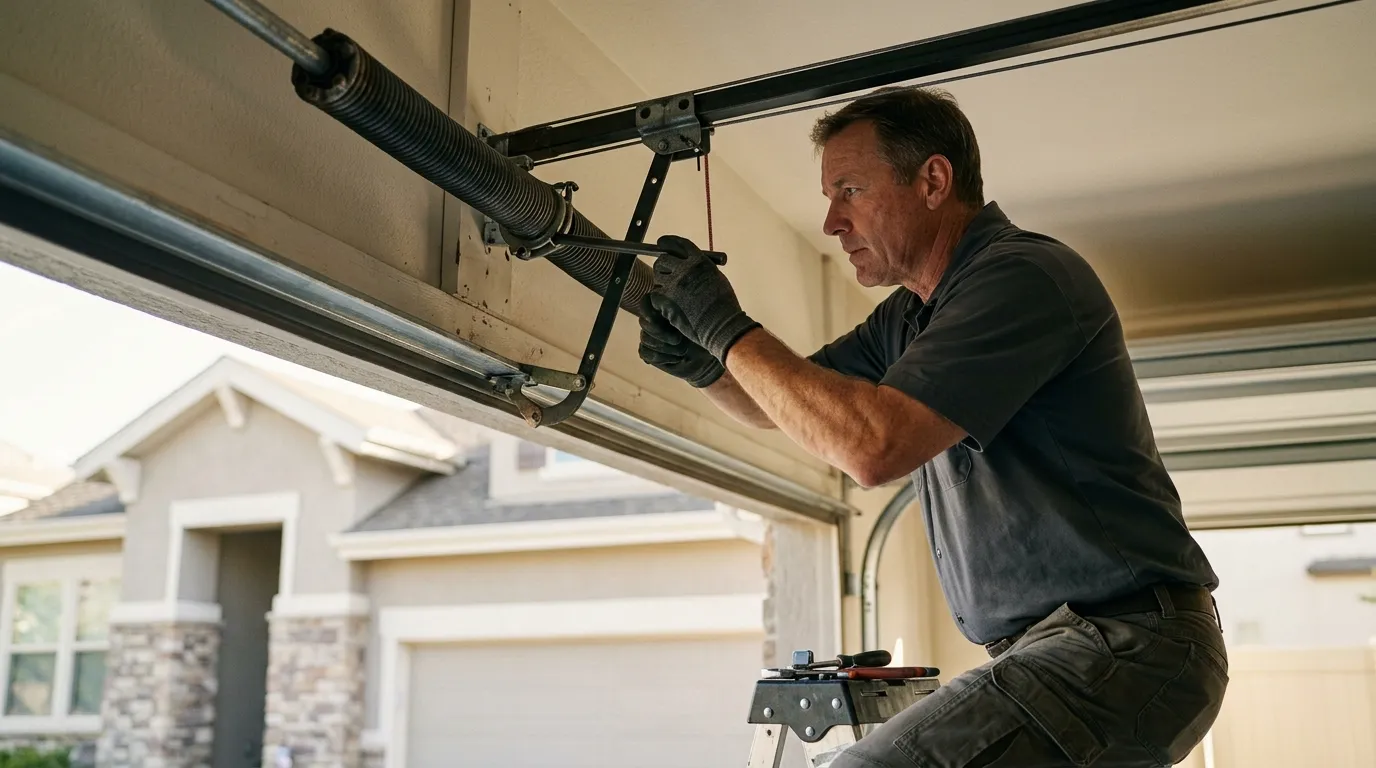
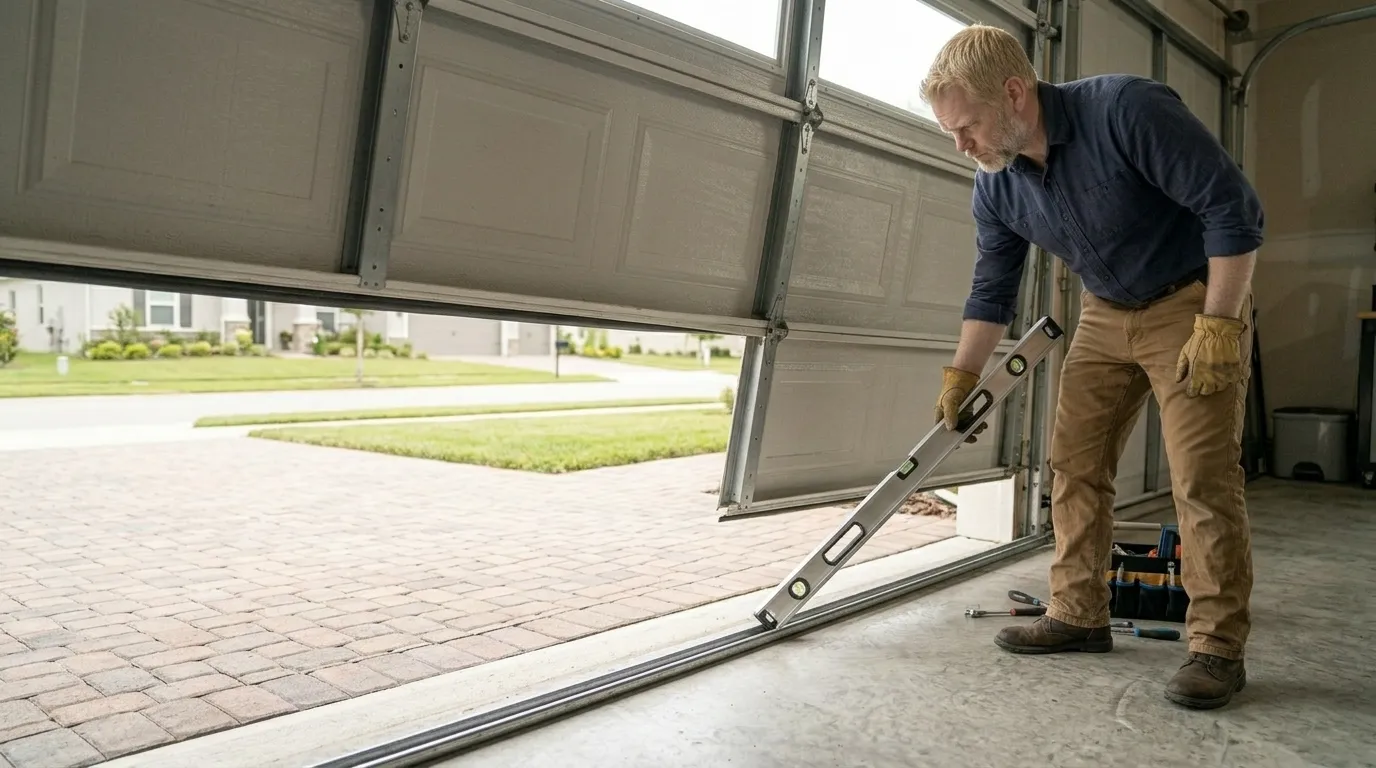
A door hung in a 1956-era opening is usually narrower than what gets installed today, and the jamb and header framing around it wasn't built with a modern insulated door's weight in mind. If your door's ever been swapped since the original construction, check whether the track and springs actually match the door's true weight - a common mistake is hanging a heavier replacement panel on hardware sized for the lighter original. Girard sits in a cold, severe winter climate zone, and older single-layer steel or wood doors from this era have no thermal break at all, which shows up as frost on the inside panel and a stiff, sluggish roll on the coldest mornings. Torsion springs installed 20-plus years ago on a house this age are past the point where we'd recommend anything but replacement - a spring that old snapping under tension is not a small repair, it's a safety call.
When We Can Get There
We run out of Youngstown, and Girard is about 5 miles from our base, which puts it near the short end of our drive times. We don't keep a depot in Girard and we're not going to claim a set response window we can't back up - what we can tell you is the drive itself is short, not the whole story of how fast we get to your door, which also depends on the day's schedule. If you're weighing whether to wait for us or call whoever's closest, the honest answer is the distance alone isn't a reason to go elsewhere. Girard's income and household numbers put it in line with a lot of the older-stock towns we already work in throughout the area, and the door problems are familiar ones, not unusual ones.
The Calls We Get From Here
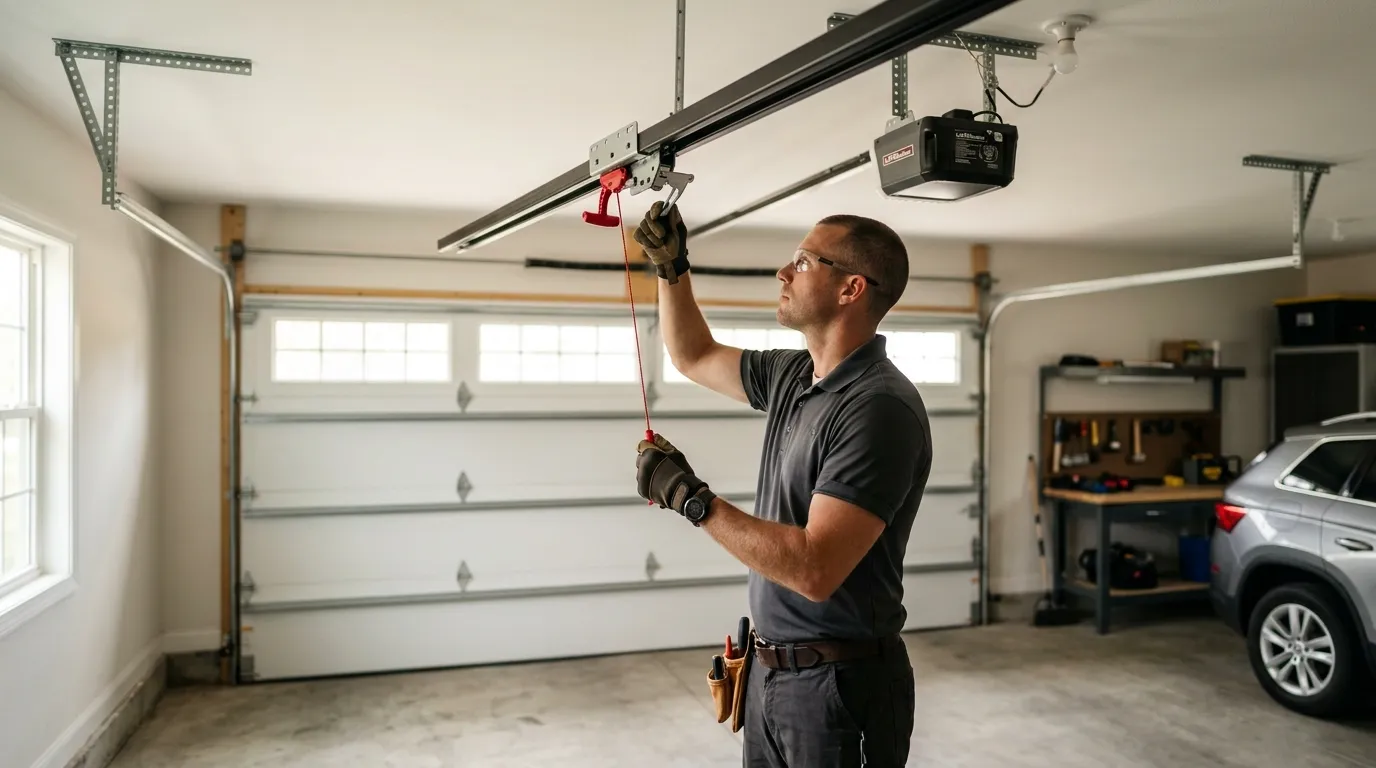
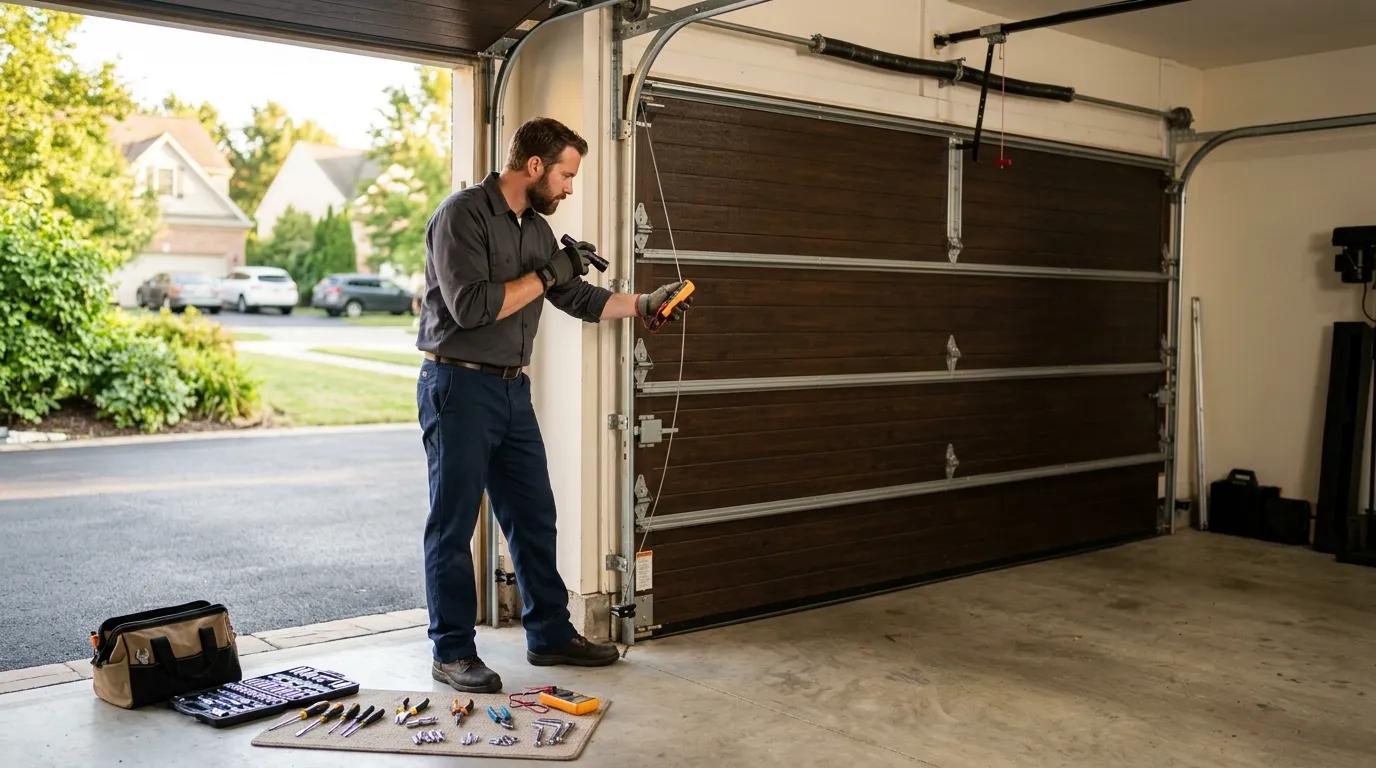
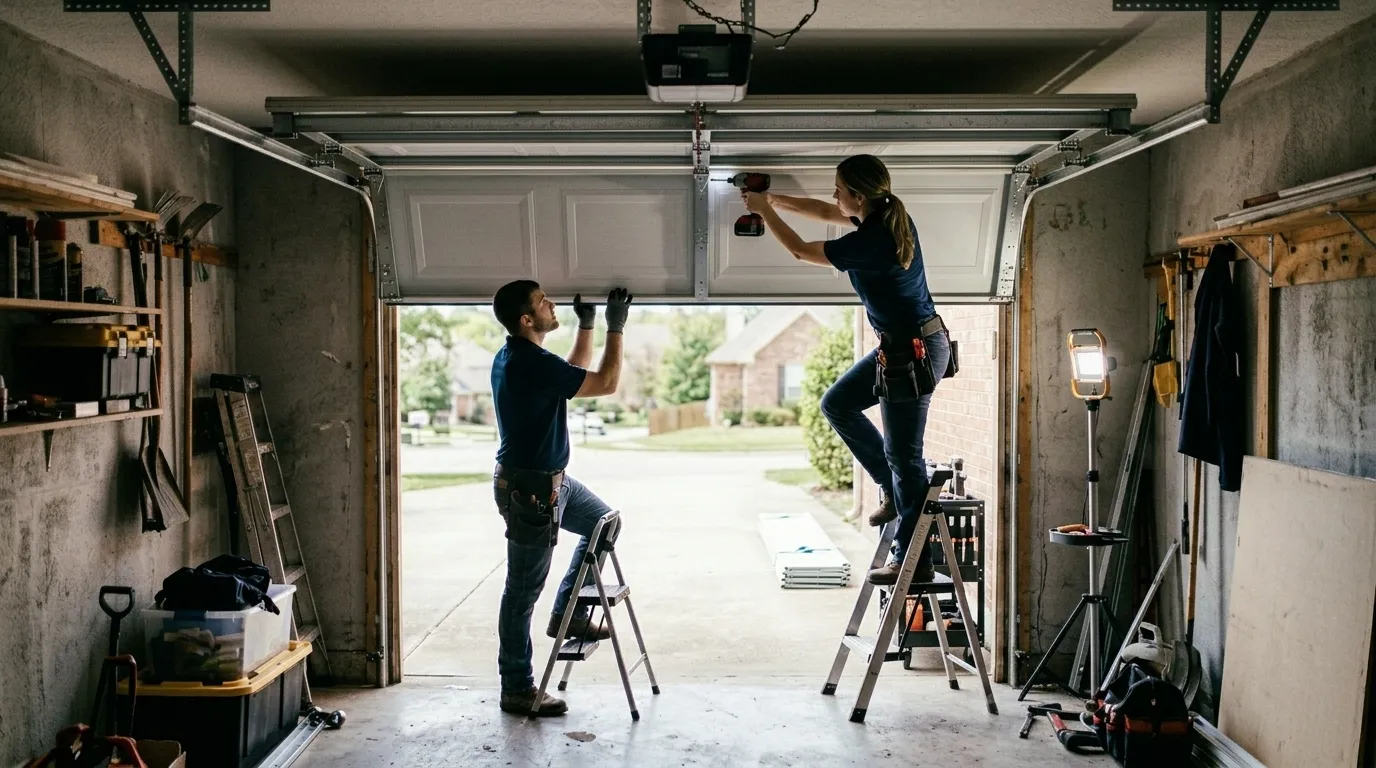
From Girard, the calls skew toward two things: broken torsion springs on doors that have never been touched since the original install, and openers that are simply worn out rather than broken outright - chain-drive units from the 80s and 90s grinding through their last few months. With a median household income of $42,861 here, a lot of homeowners ask us straight out whether a repair or a full replacement makes more sense, and honestly it depends on the door's age and the panel condition, not just the spring. We'll say plainly when a repair isn't worth it - a steel door with rust-through at the bottom panel usually isn't worth patching, even if the springs are fine. One limit worth knowing: some original hardware from this era is no longer made, so a repair on a true original door can mean sourcing used parts or moving to replacement, and we'll tell you which before we start.
How it works
From “it’s stuck” to “it’s fixed”
01
Tell us what’s wrong
Describe the symptom - won’t open, loud bang, opener runs but the door won’t move.
02
On-site diagnosis
A technician tests the door under power and by hand and finds what actually failed.
03
Clear, up-front plan
You get the fix that’s needed and what drives the cost - before any work starts.
04
Repaired & tested
The repair is done, the door is set true and tested, and the work area left clean.
Serving Youngstown, OH - tell us what your door’s doing and we’ll take it from there.
No, we run out of Youngstown and drive to Girard, about 5 miles away. We don't keep a depot or crew stationed here, so we won't promise a fixed response time - just that the drive itself is short.
Why does my garage door feel stiff every winter?
Girard sits in a cold, severe-winter climate zone, and a lot of the doors here date to around 1956 with no thermal break or insulation. Cold steel or wood contracts and the rollers and track tighten up, which shows up as a slow, stiff roll on the coldest days.
Is it worth replacing an original 1950s garage door?
Depends on the panel condition more than the age. If the steel or wood is sound and it's just hardware wearing out, a repair often makes sense. If there's rust-through or rot, replacement usually costs less over time than patching it again.
My opener is from the 1980s and still runs, should I replace it?
An opener that old is near the end of its practical life even if it still works. We'll look at the gears and drive before recommending replacement, but chain-drive units from that era are common candidates for failure without warning.