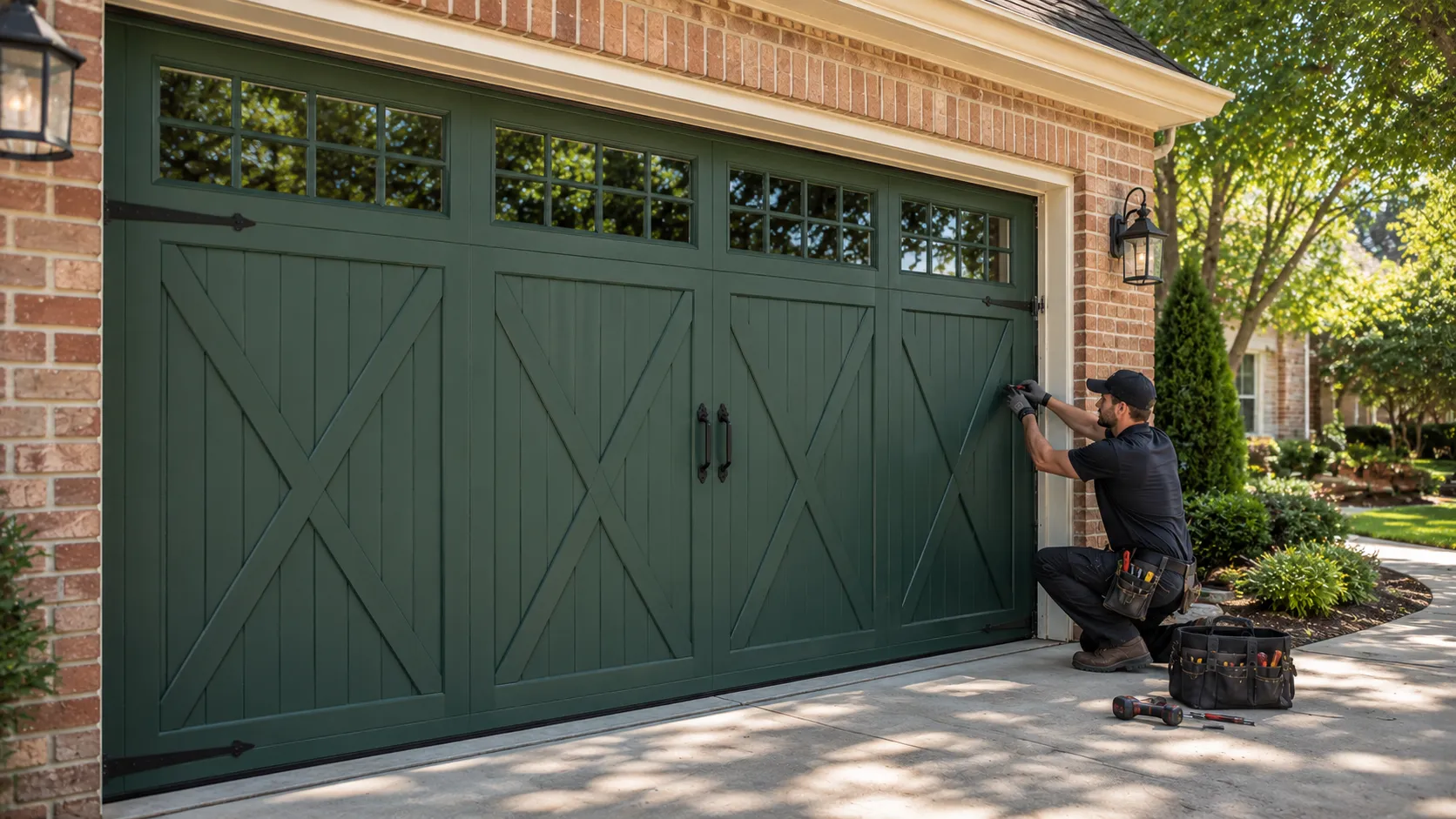
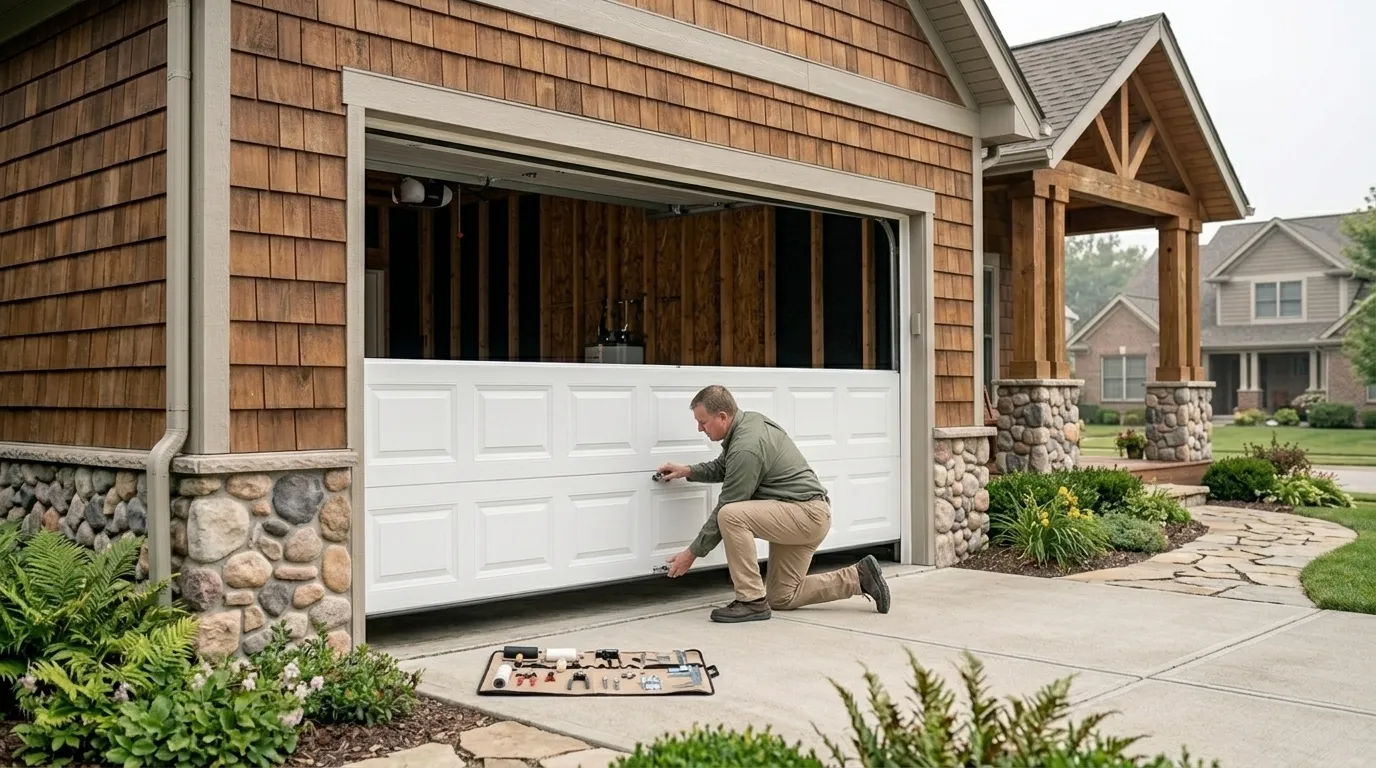
Campbell's houses skew older than the rest of the service territory we cover out of Youngstown. The median home here went up around 1957, a few years ahead of the broader area's 1938-2000 range with a median near 1964. That gap matters more than it sounds: a house built in 1957 was framed before torsion-spring garage doors were standard equipment on most tract housing, and a lot of these openings were retrofitted later with hardware that doesn't match what a 1975 build would have. With about 3,322 households packed into a tight footprint just 3 miles from Youngstown, Campbell is dense, older, and mostly single-car or narrow double openings rather than the wider three-car layouts you see further out toward Canfield or Poland. Median household income here runs around $41,368, noticeably below the roughly $60,598 median across the wider 28-area territory we serve - which shapes what kind of repair call we actually get versus a straight replacement sale. This isn't a neighborhood of new construction. It's a neighborhood of doors that have been patched, painted over, and kept running longer than they were built to run.
What That Means for Doors
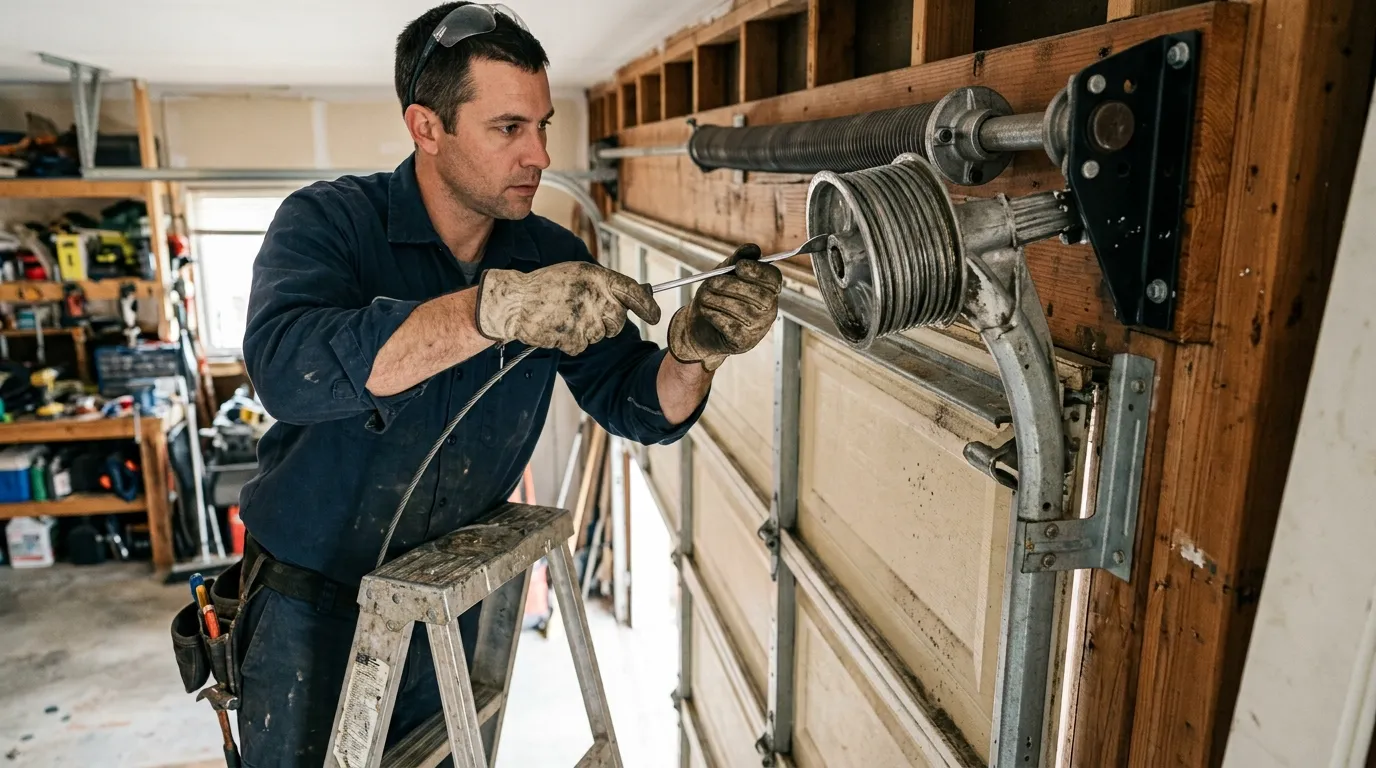
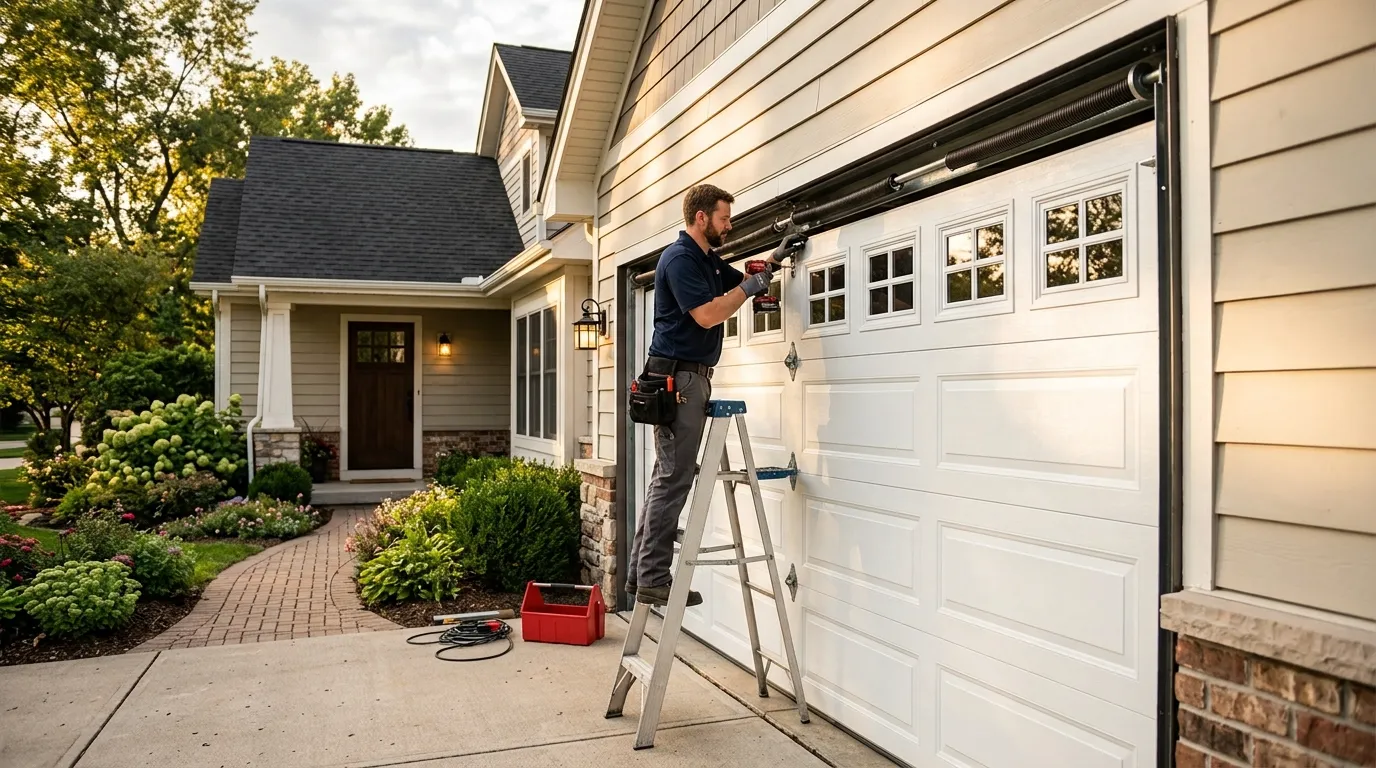
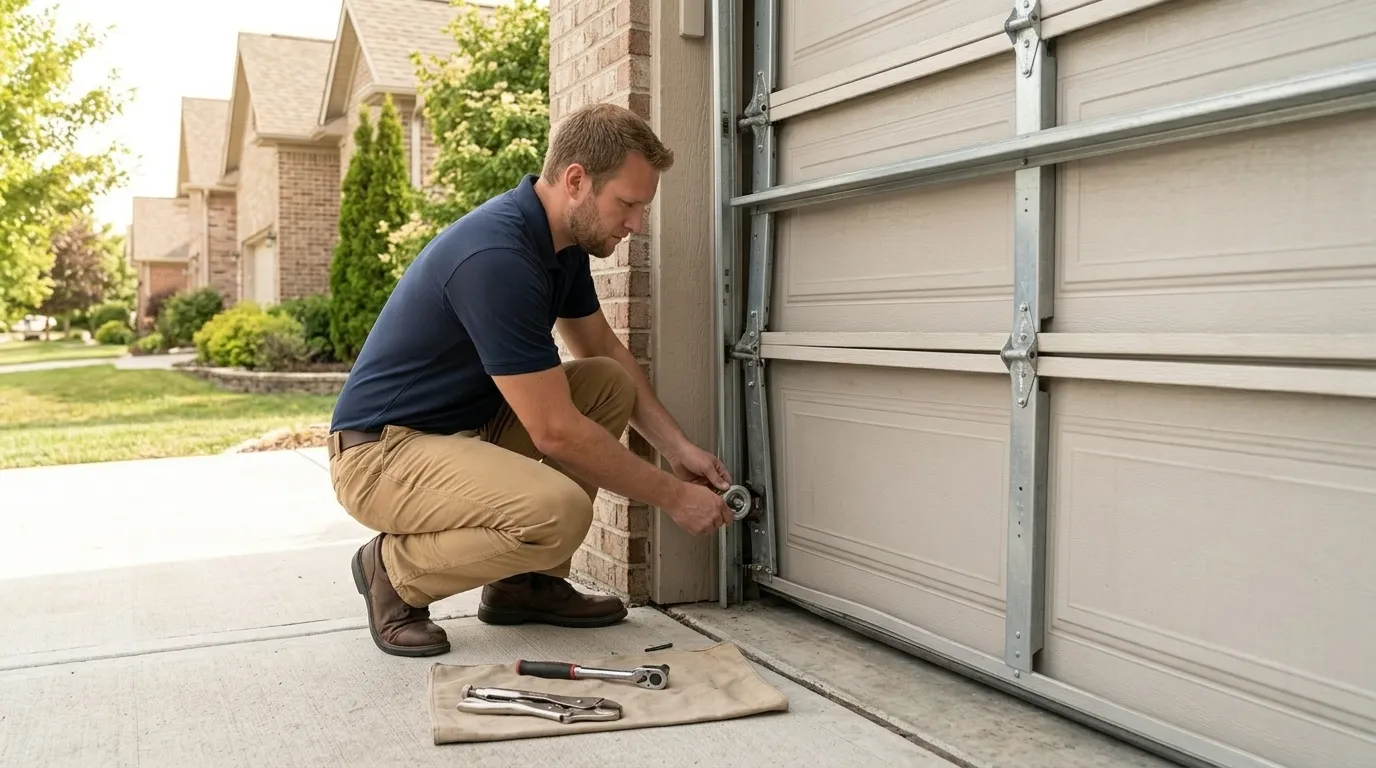
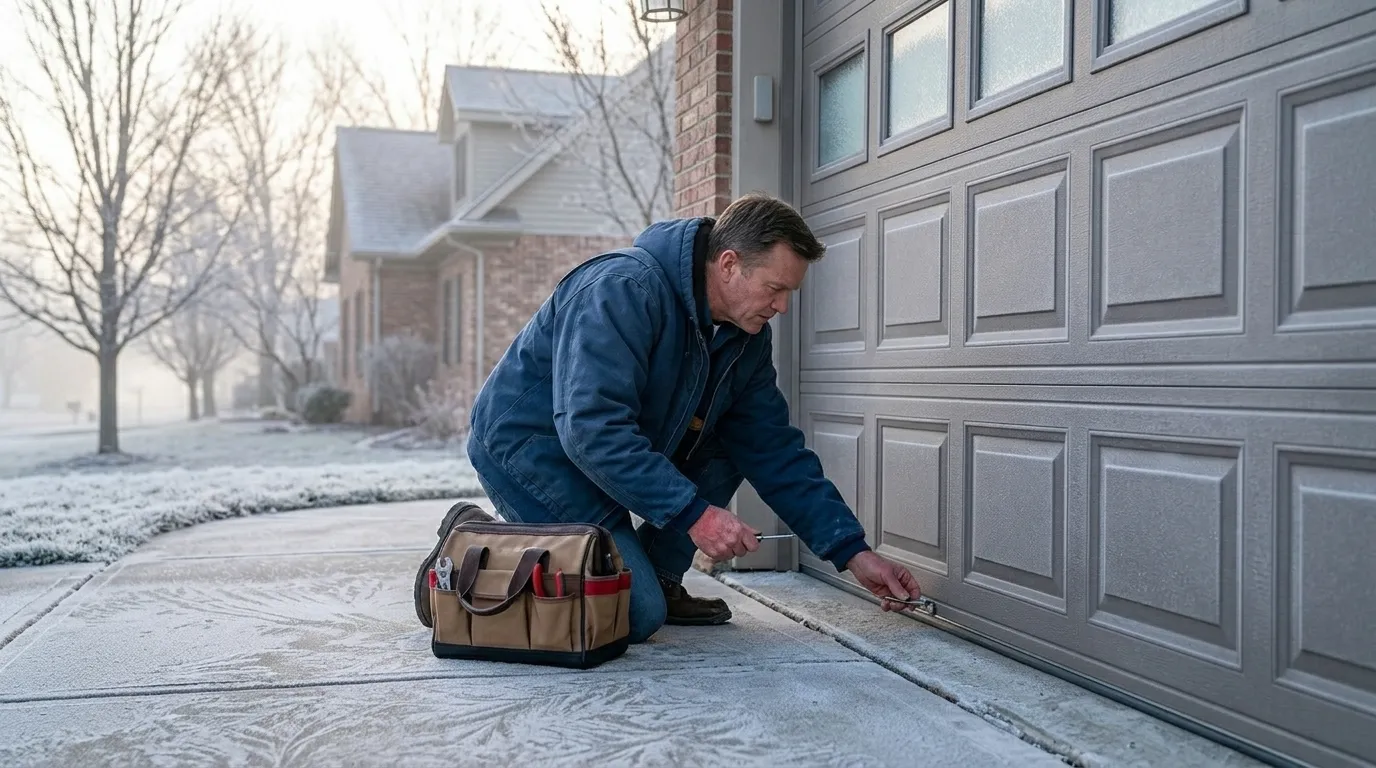
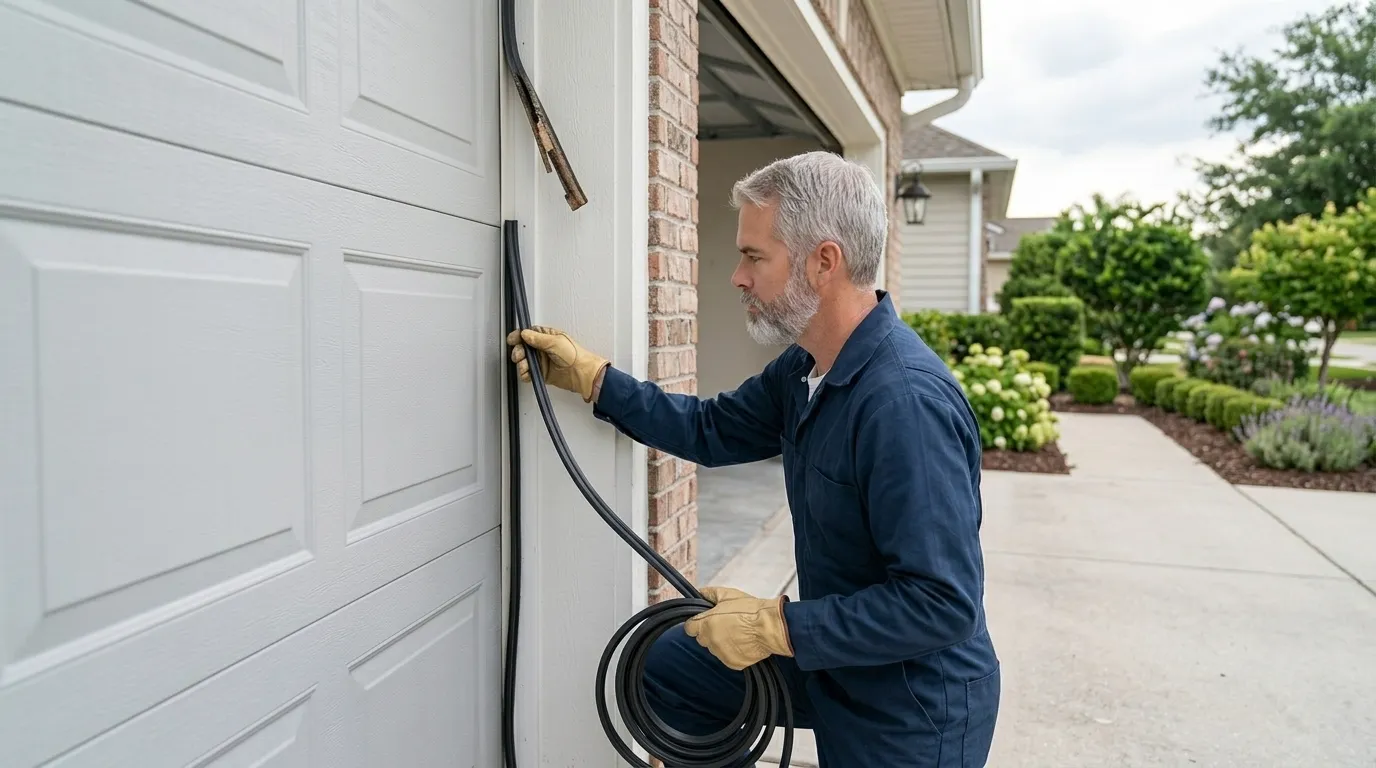
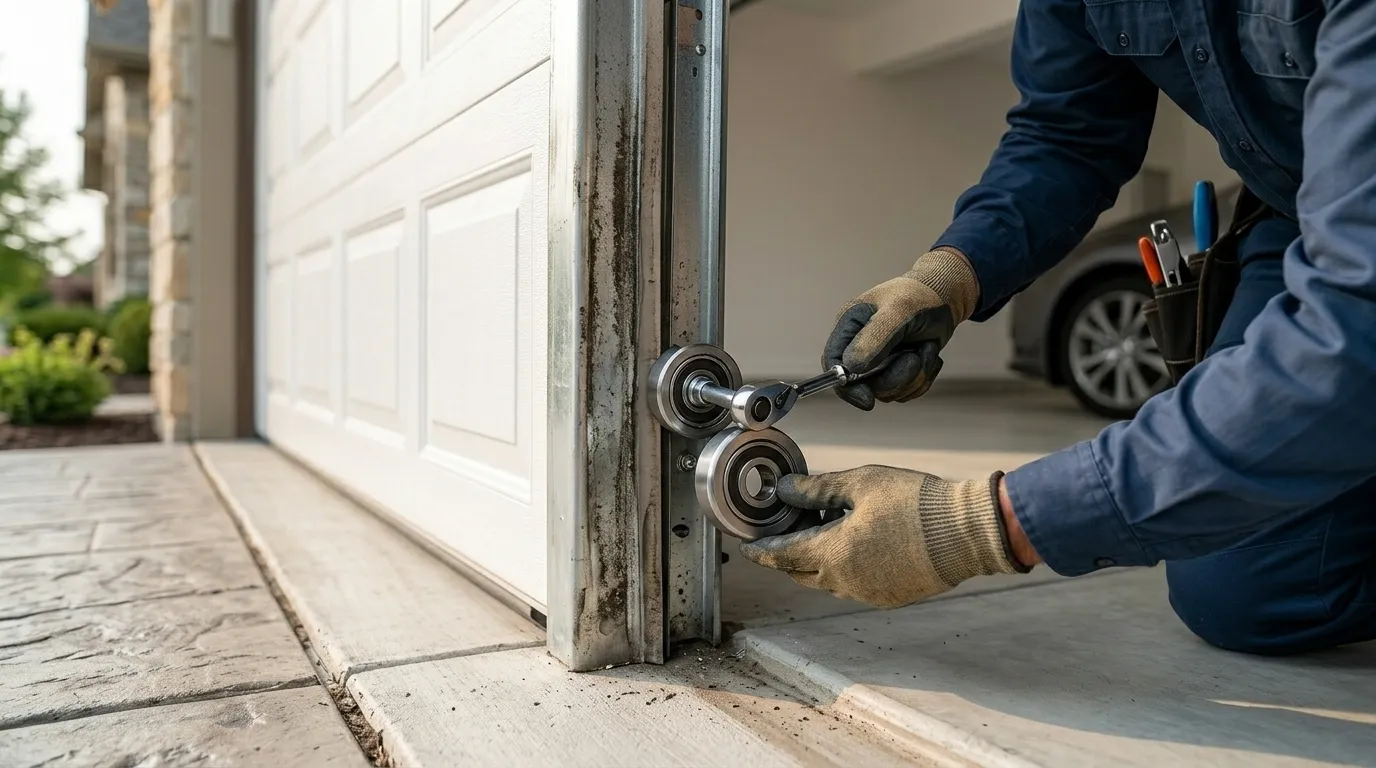
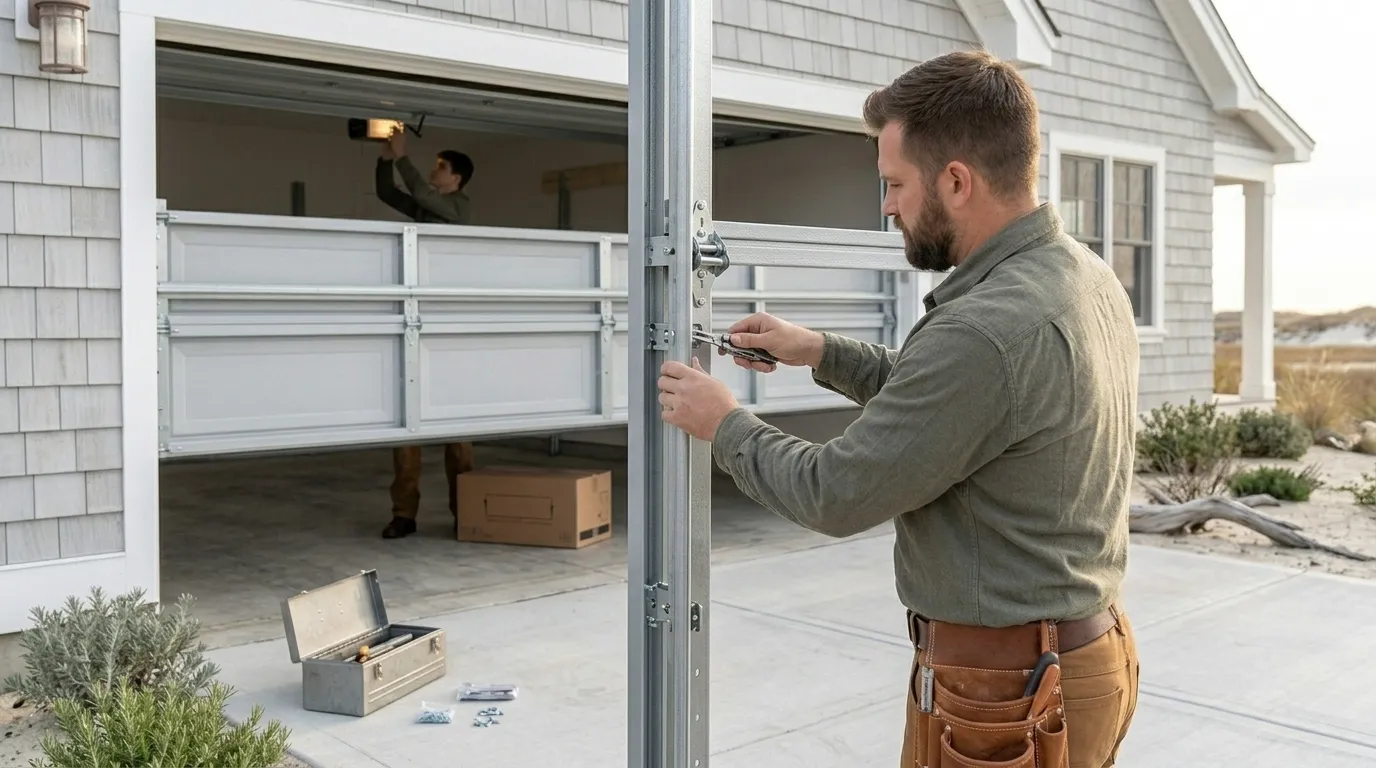
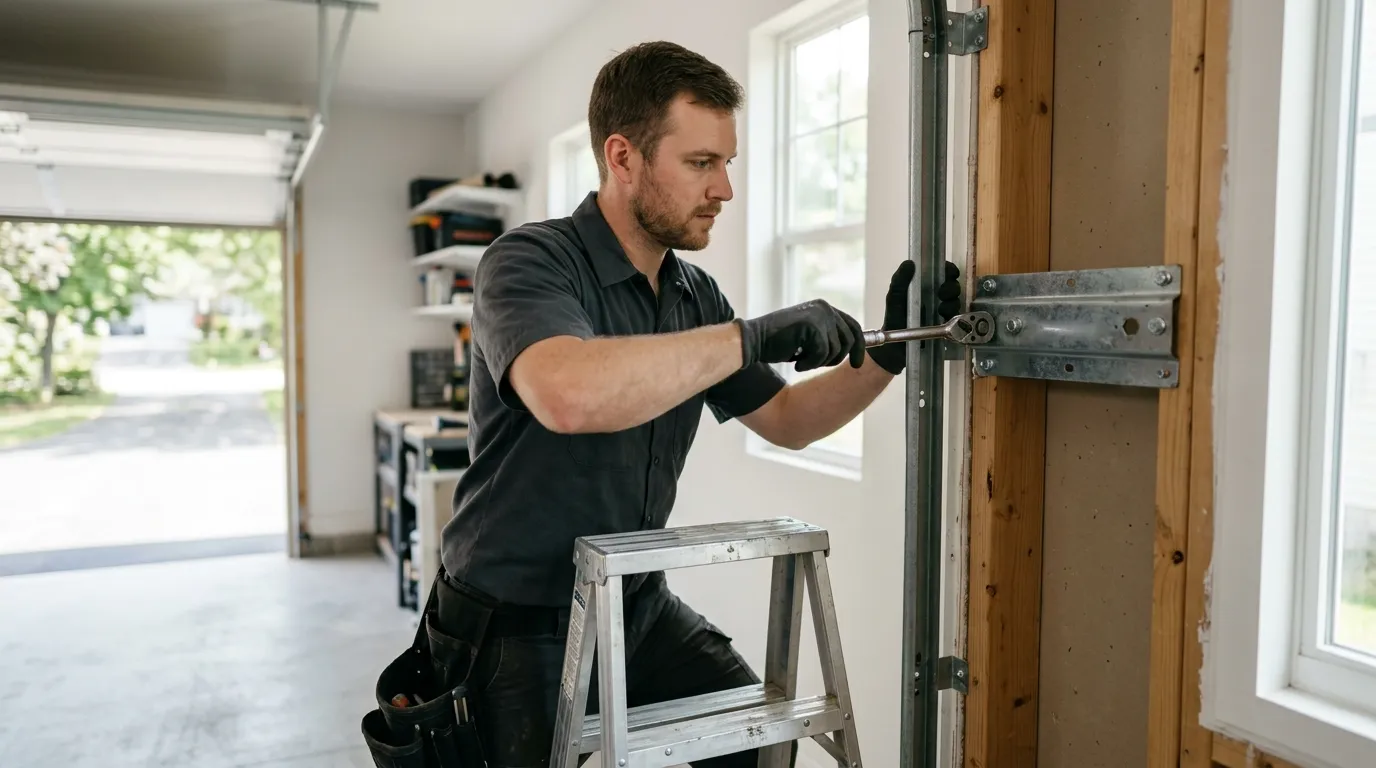
Older openings mean older hardware, and older hardware means parts that don't show up on a standard truck stock list. Side-mounted torsion springs, single-panel steel doors from before insulated sections were common, and openers that predate modern safety reversal sensors are all more common here than in the newer pockets of the service area. When a spring goes on a door installed in the Eisenhower years, the track spacing and drum size often don't match what's sold today off the shelf, so a repair can take a return trip once we've confirmed the exact hardware on site. Combine that housing age with the region's cold, severe winter climate and you get a specific failure pattern: steel that's already fatigued from decades of temperature swings, cracking faster once a hard freeze hits it. We don't guess at what's behind a Campbell door - we look at the build era first, because it tells us more than the symptom does.
When We Can Get There
We run out of Youngstown, and Campbell sits about 3 miles out, one of the closer stops on our route alongside South Side at 2 miles southwest and Struthers at 4. We don't have a depot in Campbell itself, and we're not going to claim a response window we can't back up. What we can say is that the distance is short enough that a truck already working the Youngstown side of the territory can usually swing through without a special trip. If you're calling from further out - Salem, Columbiana, East Palestine - the routing looks different. Here, it doesn't take a detour.
The Calls We Get From Here
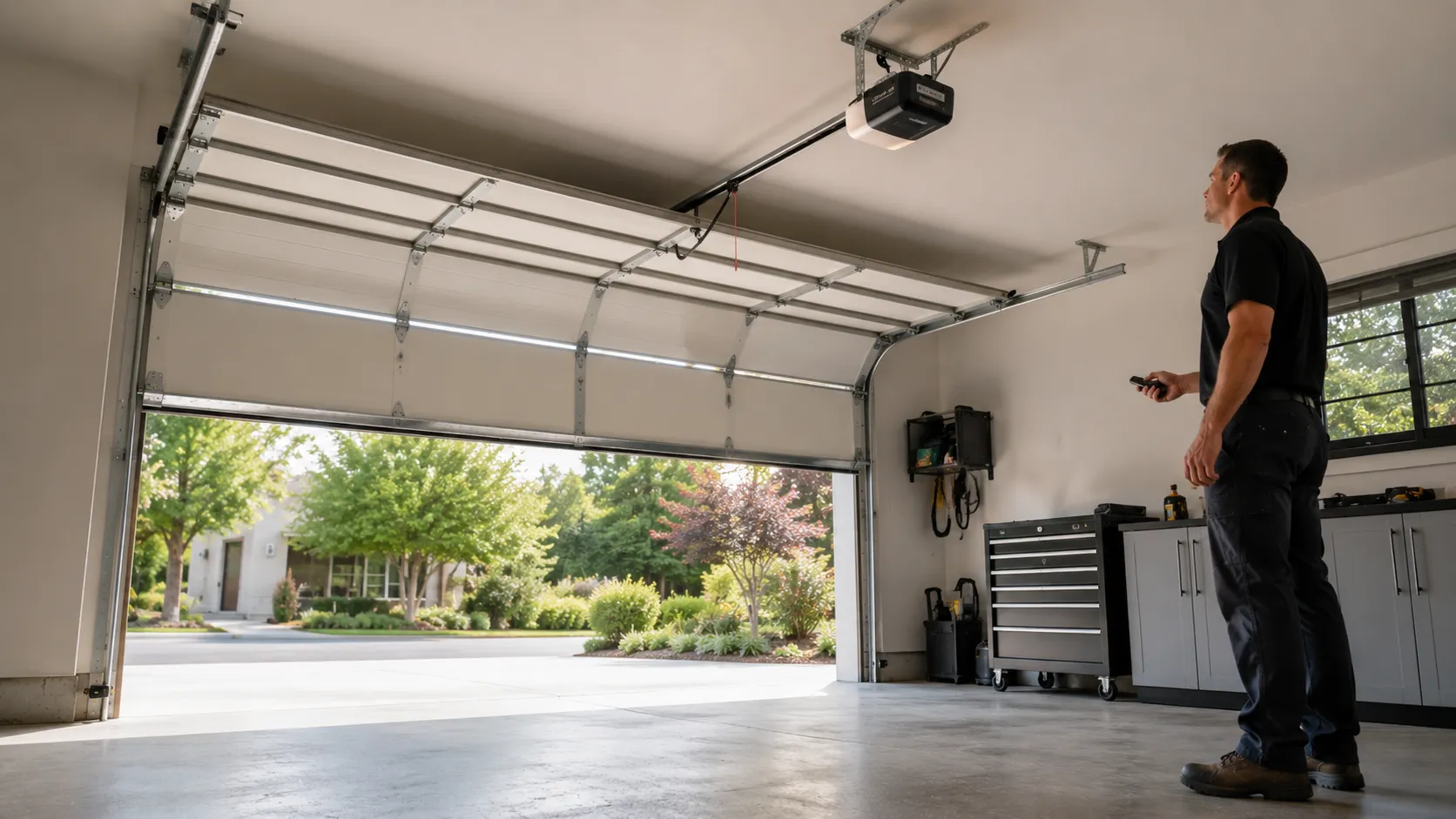
Given the housing age, the calls out of Campbell lean toward spring failure on original or early-replacement torsion setups, worn rollers on tracks that were never upgraded to nylon, and openers old enough that a chain drive is louder than it should be. We also see more full-door replacement here than in newer areas, not because the doors are worse maintained, but because a steel single-layer door from the 1960s eventually reaches a point where patching the bottom panel again isn't worth it against the price of a new insulated section. That's the honest limitation: if your door is that old and the track and springs are original, we'll tell you when a repair is throwing money at something that's due for replacement anyway, rather than stack another fix on top of the last one.
How it works
From “it’s stuck” to “it’s fixed”
01
Tell us what’s wrong
Describe the symptom - won’t open, loud bang, opener runs but the door won’t move.
02
On-site diagnosis
A technician tests the door under power and by hand and finds what actually failed.
03
Clear, up-front plan
You get the fix that’s needed and what drives the cost - before any work starts.
04
Repaired & tested
The repair is done, the door is set true and tested, and the work area left clean.
Serving Youngstown, OH - tell us what your door’s doing and we’ll take it from there.
No. We run out of Youngstown and cover Campbell as part of that route, about 3 miles out. We won't claim a local depot or a specific response window we can't guarantee - what we can say is that Campbell's short distance from our base means it's rarely a special trip.
Why does my Campbell garage door keep breaking when my cousin's newer house never has issues?
Campbell's median home was built around 1957, older than most of the wider service area. Original or early-replacement torsion hardware on a house that age often uses track spacing and drum sizes that don't match current stock, so failures happen more often and repairs sometimes need a return trip to match the part.
Is it worth replacing an old steel door instead of fixing it again?
Sometimes. A lot of Campbell's housing stock still has original single-layer steel doors from the 1960s or earlier. Once a door's been patched more than once, another repair on the same panel usually costs more over time than swapping to an insulated section. We'll tell you straight when a repair isn't worth it.