What Is Going On
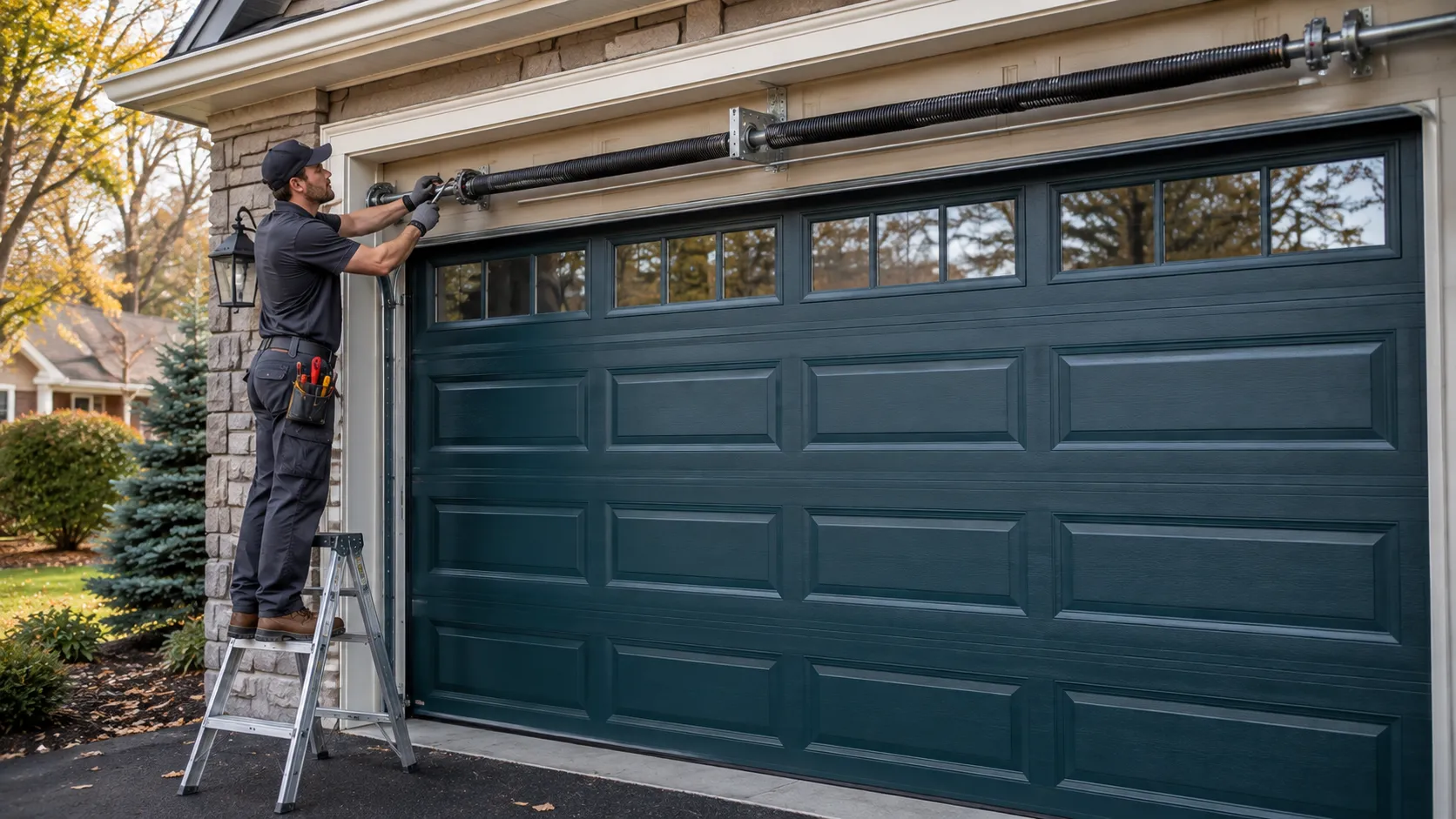
Across the 28 named neighborhoods and towns in this service area, the housing stock runs mostly 1960s and 70s, with the overall build years stretching from 1938 to a median around 1964. That matters for garage doors specifically because insulation requirements for residential doors didn't exist when these houses were framed. Builders hung a single steel panel, sometimes wood, on tracks sized for that era's springs and rollers - functional, but with no thermal break and no weather seal beyond a rubber strip at the bottom. Forty years on, a lot of those original doors are still in place, especially on houses that haven't been through a major renovation. The steel has usually held up fine structurally. What hasn't held up is the fact that the door does nothing to stop cold air from moving straight into the garage, and if the garage shares a wall with living space - a lot of these older Youngstown-area layouts do - that cold moves further than the garage. This isn't a defect. It's just what a door built to a 1964 standard was designed to do, or not do.
What the Weather Here Does to It
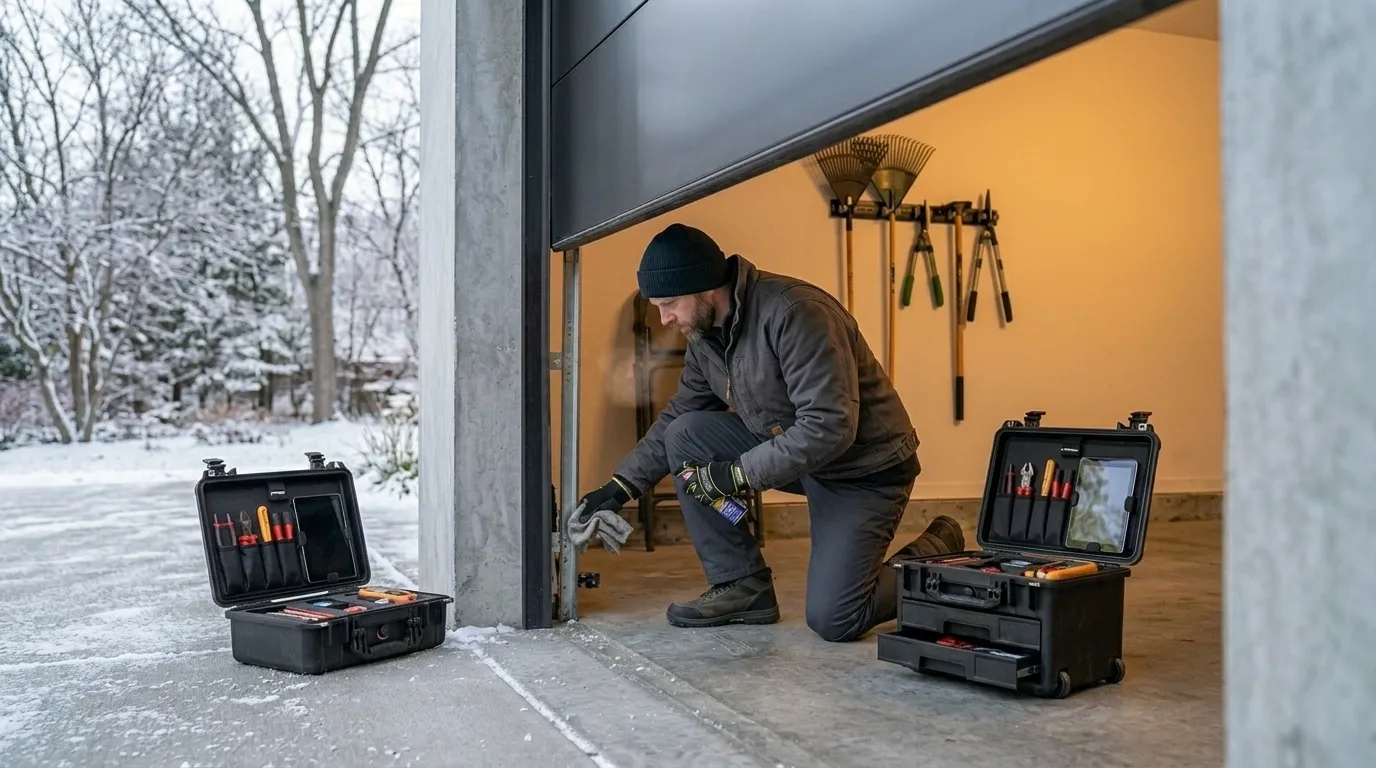
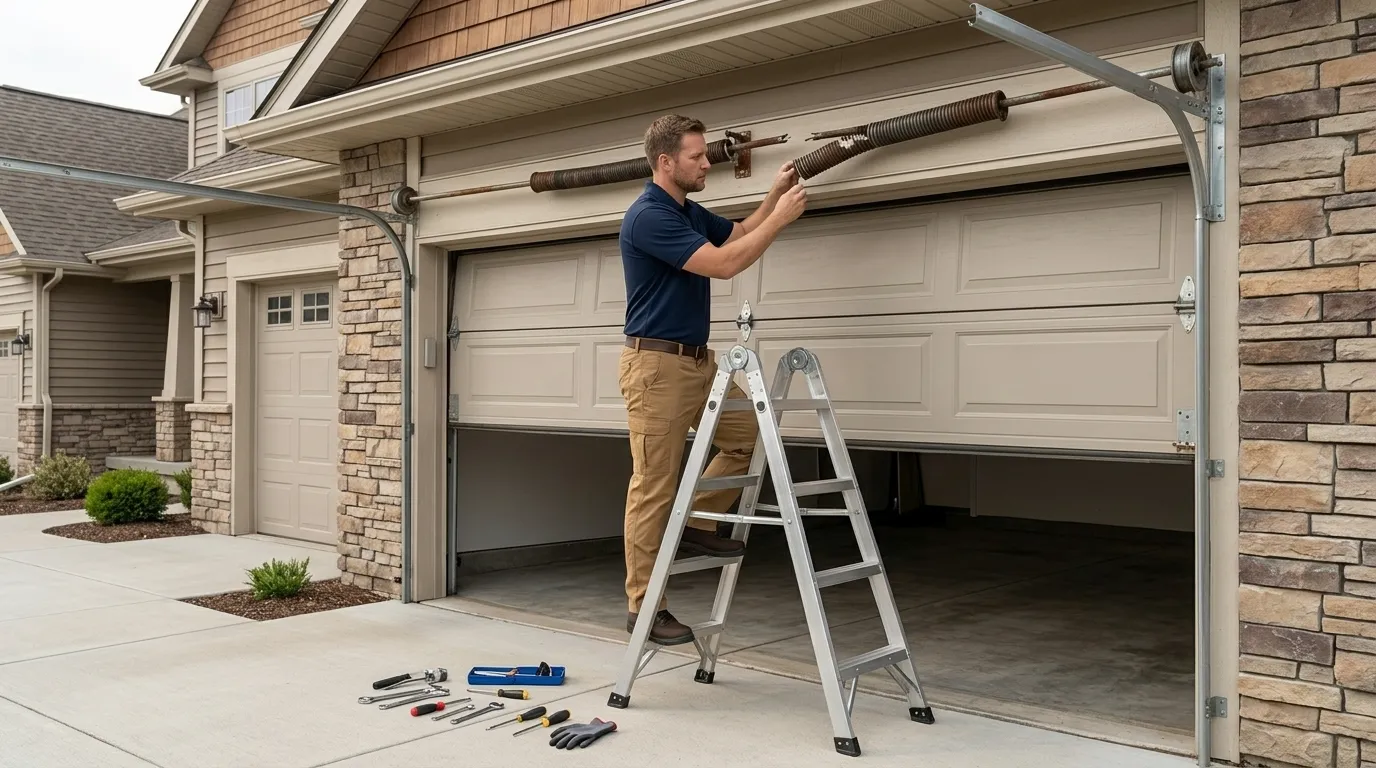
This is a severe cold climate, and an uninsulated steel door reacts to that in specific ways. Steel contracts in the cold, which is why an old panel that fit its track fine in July can bind or rattle in January - the tolerances built into 1960s hardware weren't set up for the swings we get. Condensation is the other issue: warm air off a car or a furnace flue meets a cold steel skin and beads up, and over enough winters that moisture works into the seams and the bottom panel starts to rust from the inside out. Torsion springs also see more cycles of contraction and expansion on an uninsulated door because the metal itself is exposed to the full outdoor swing, not buffered by a foam core. None of this means the door is unsafe on day one. It means the parts wear on a faster clock than they would on an insulated door, and in a climate this cold, that clock runs all winter, not just during a few cold snaps.