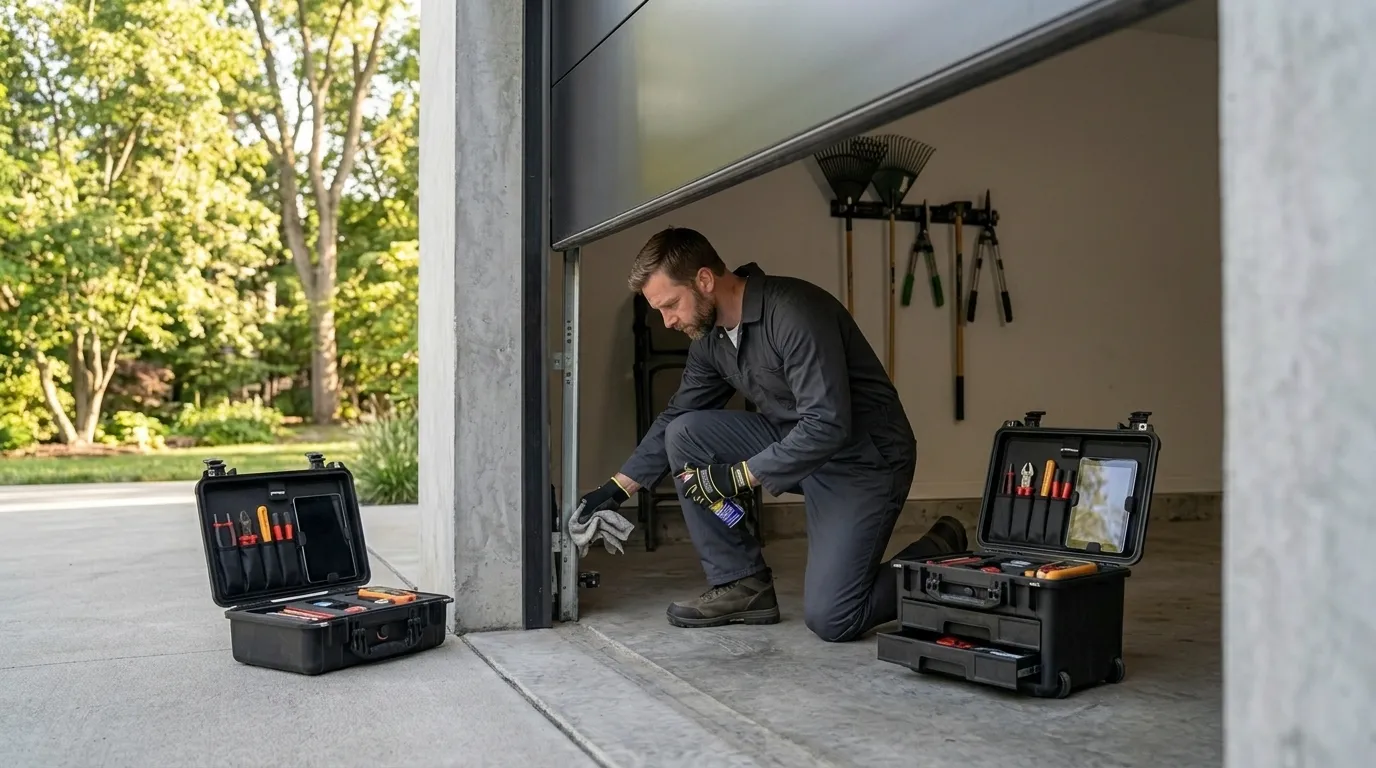
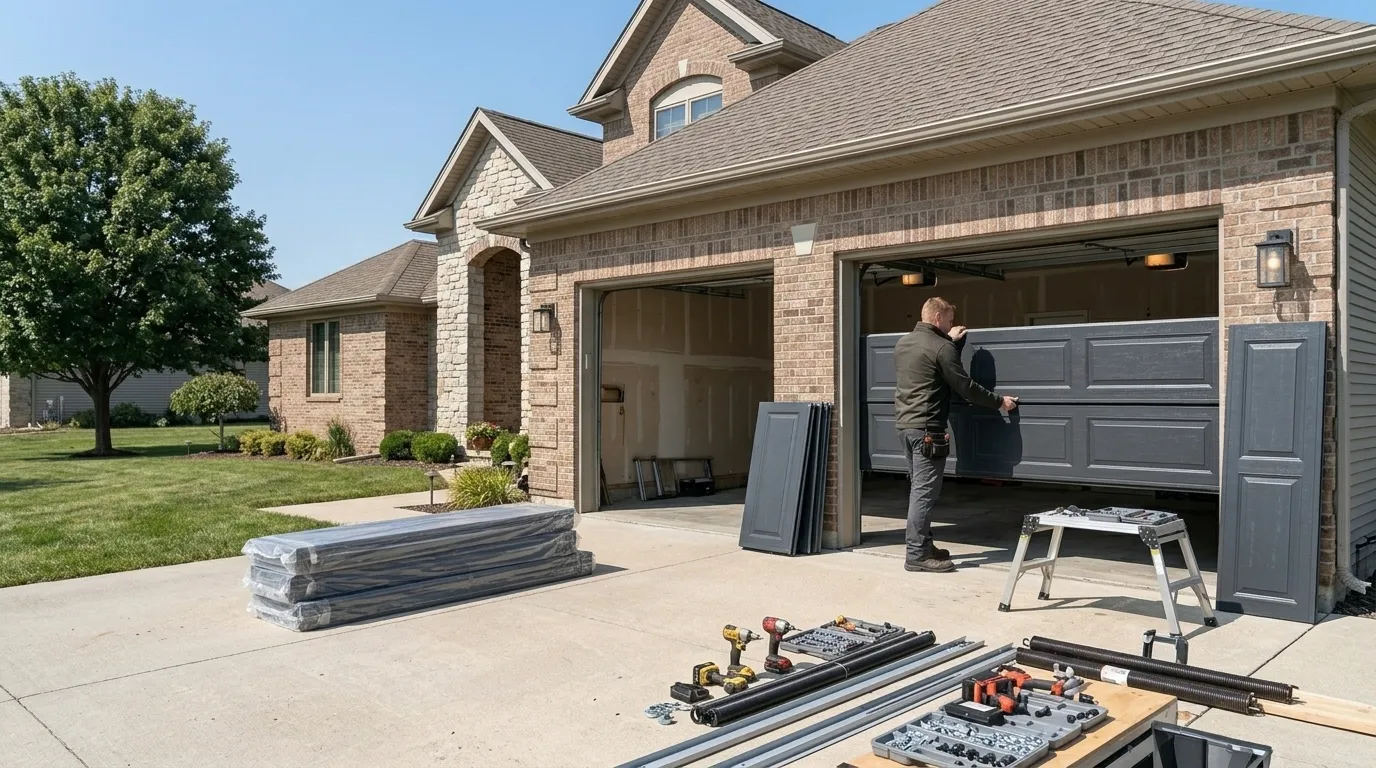
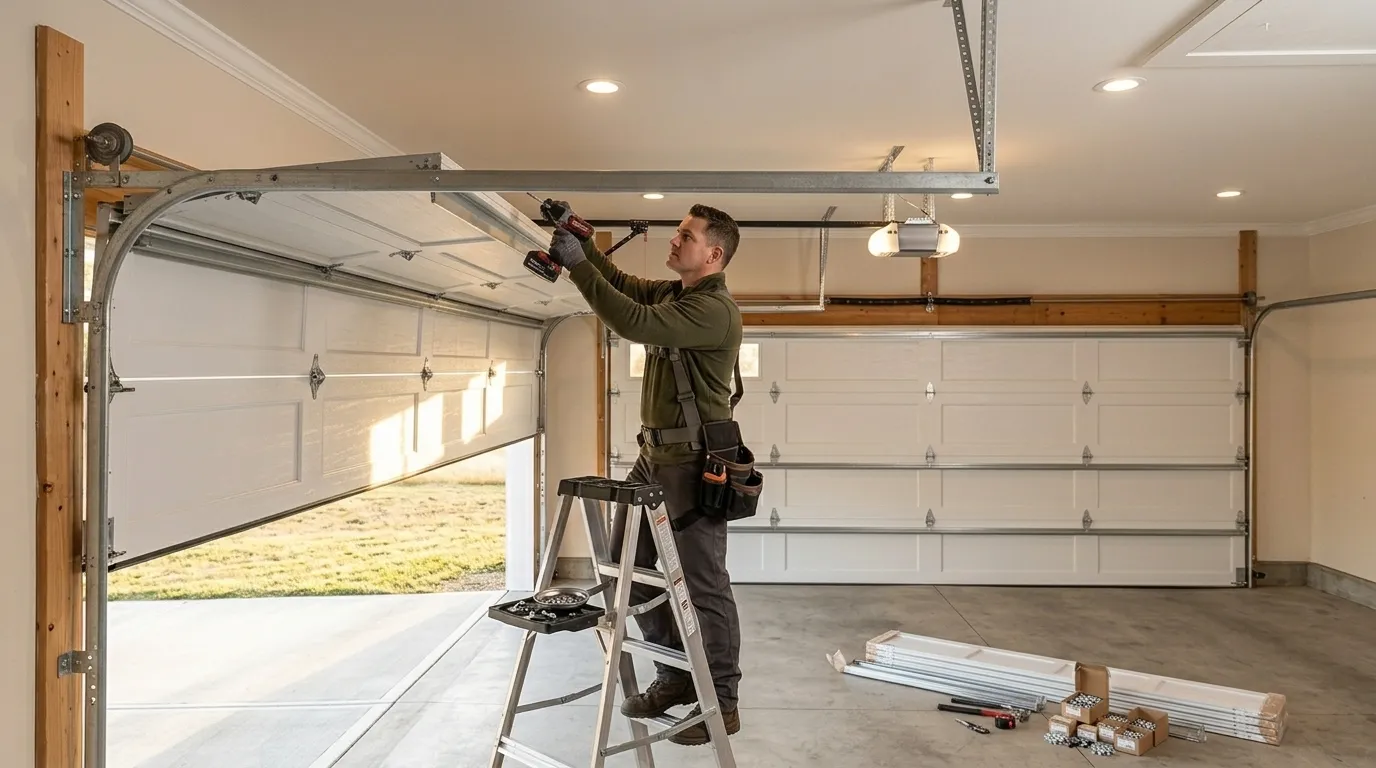
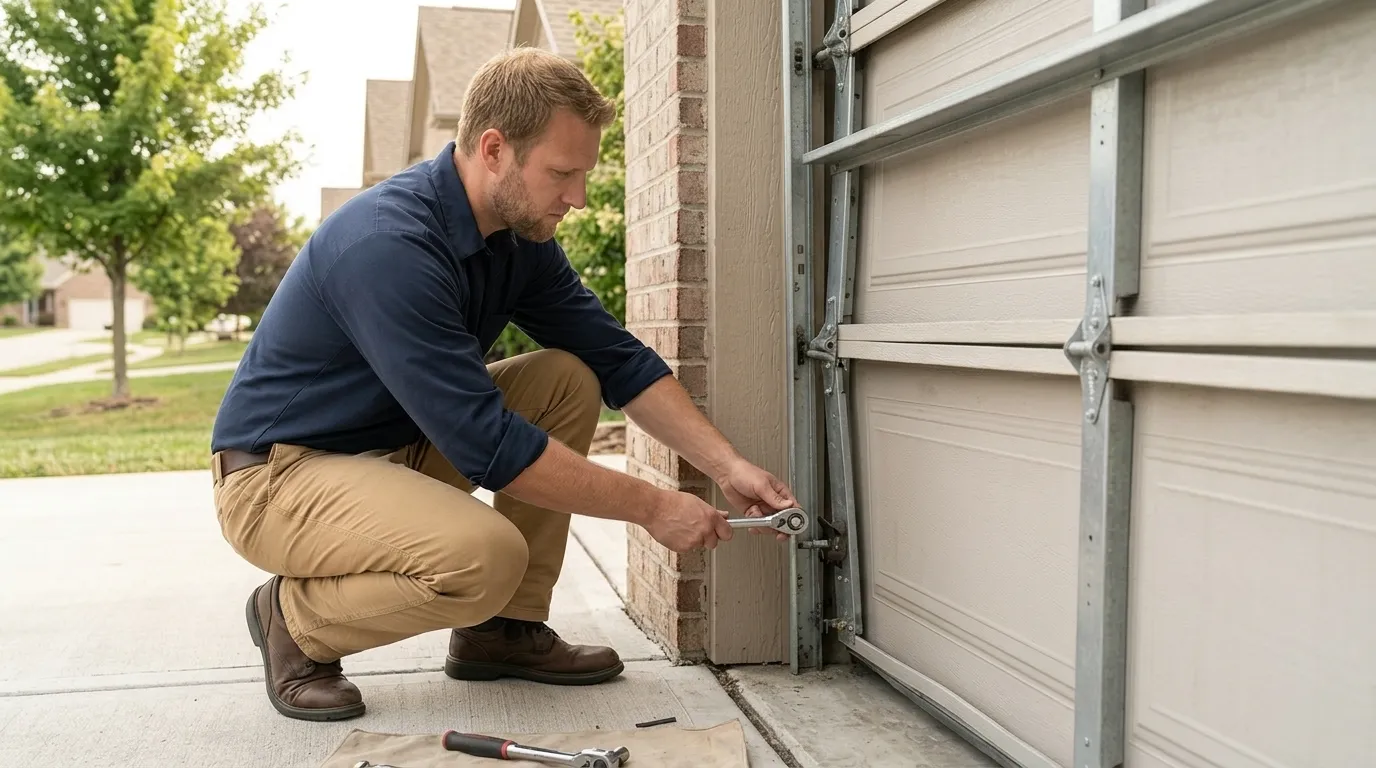
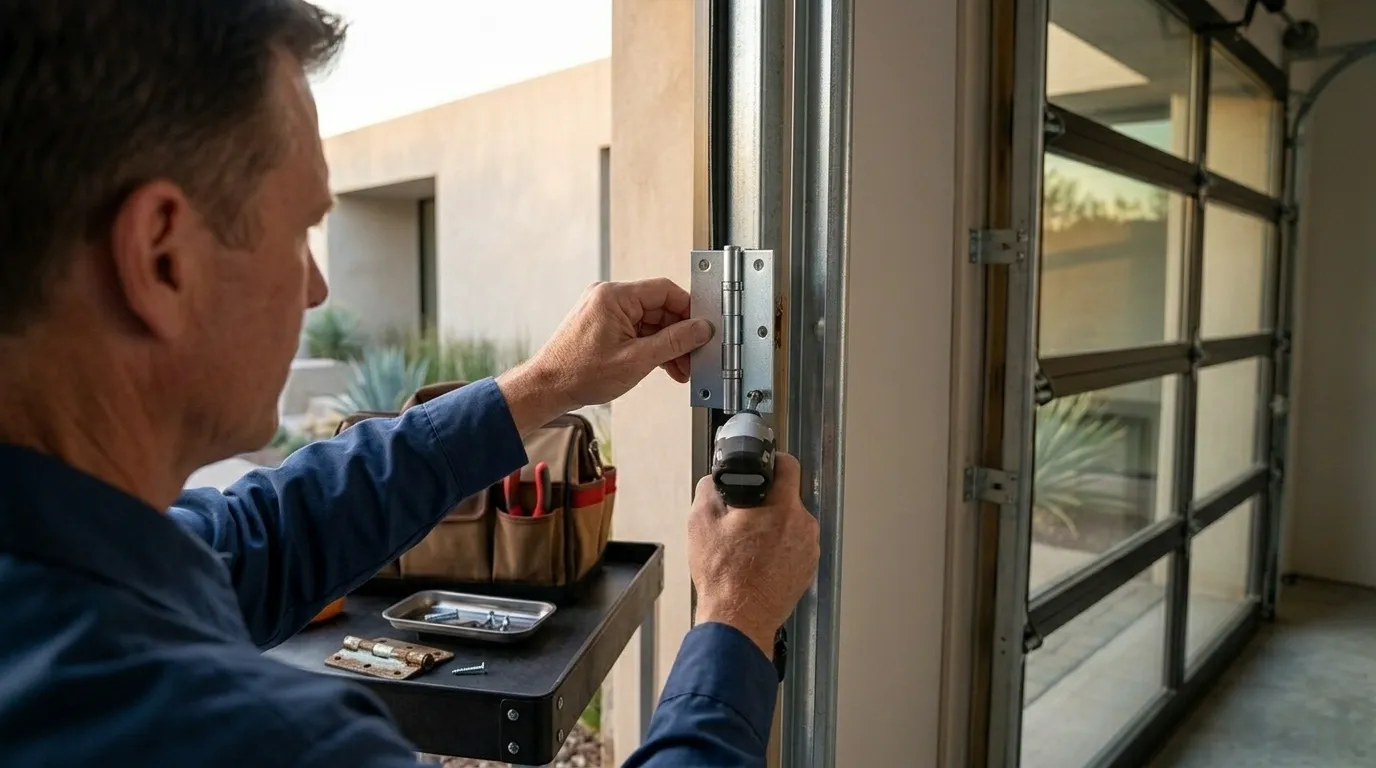
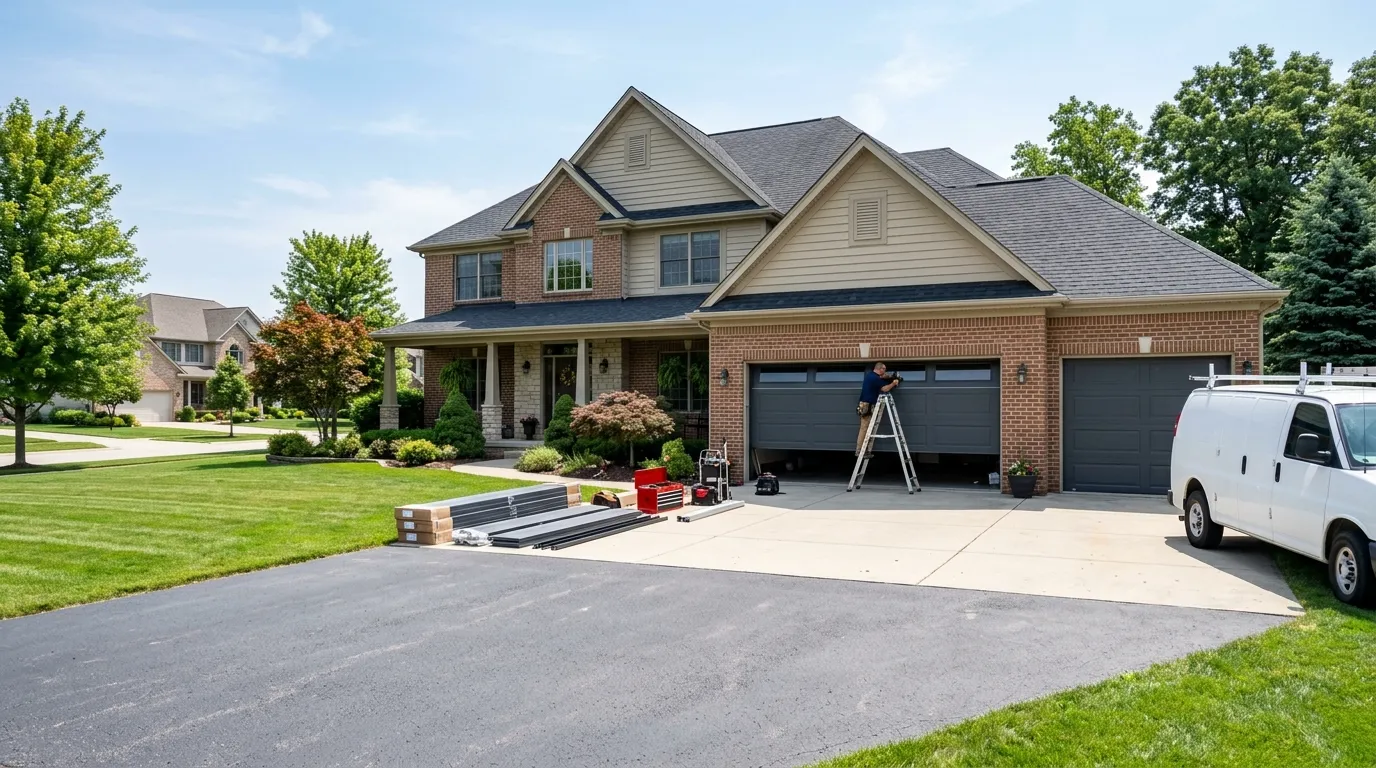
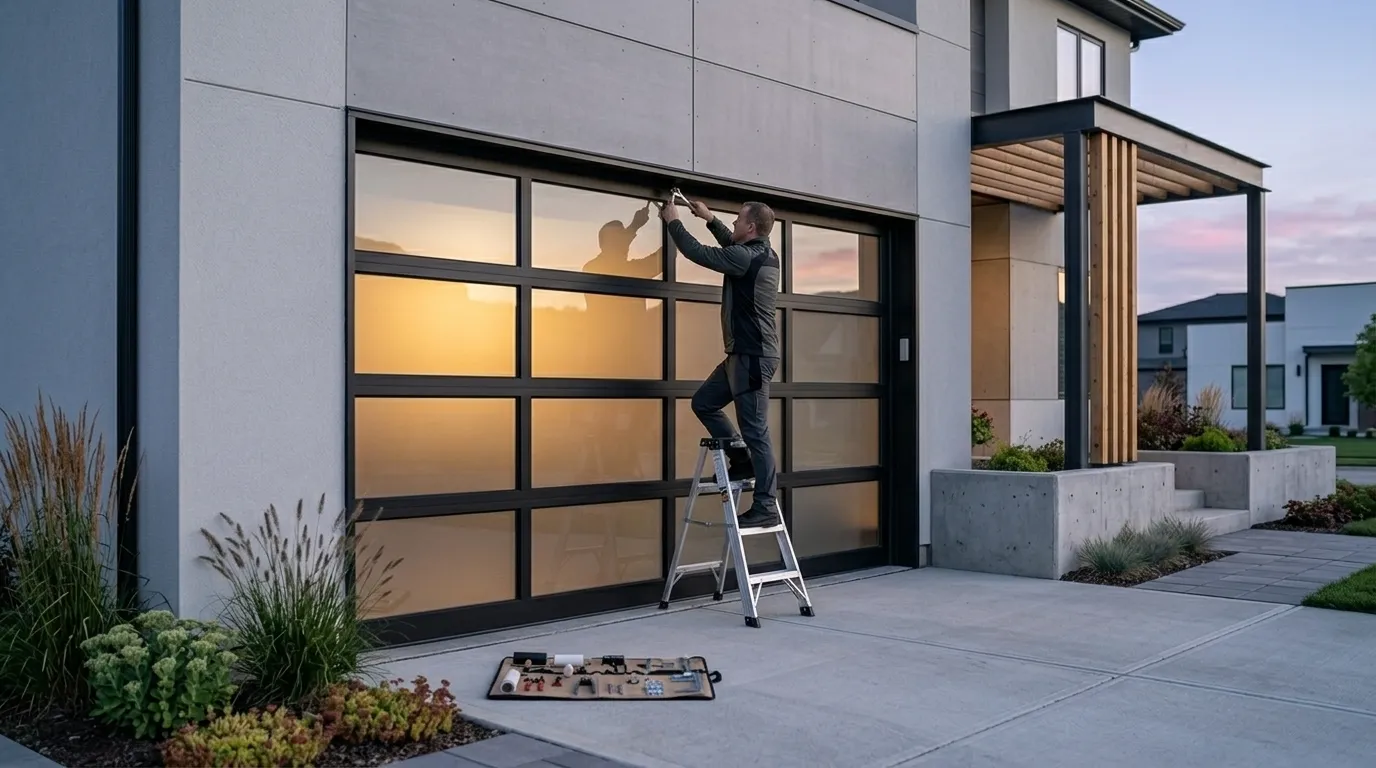
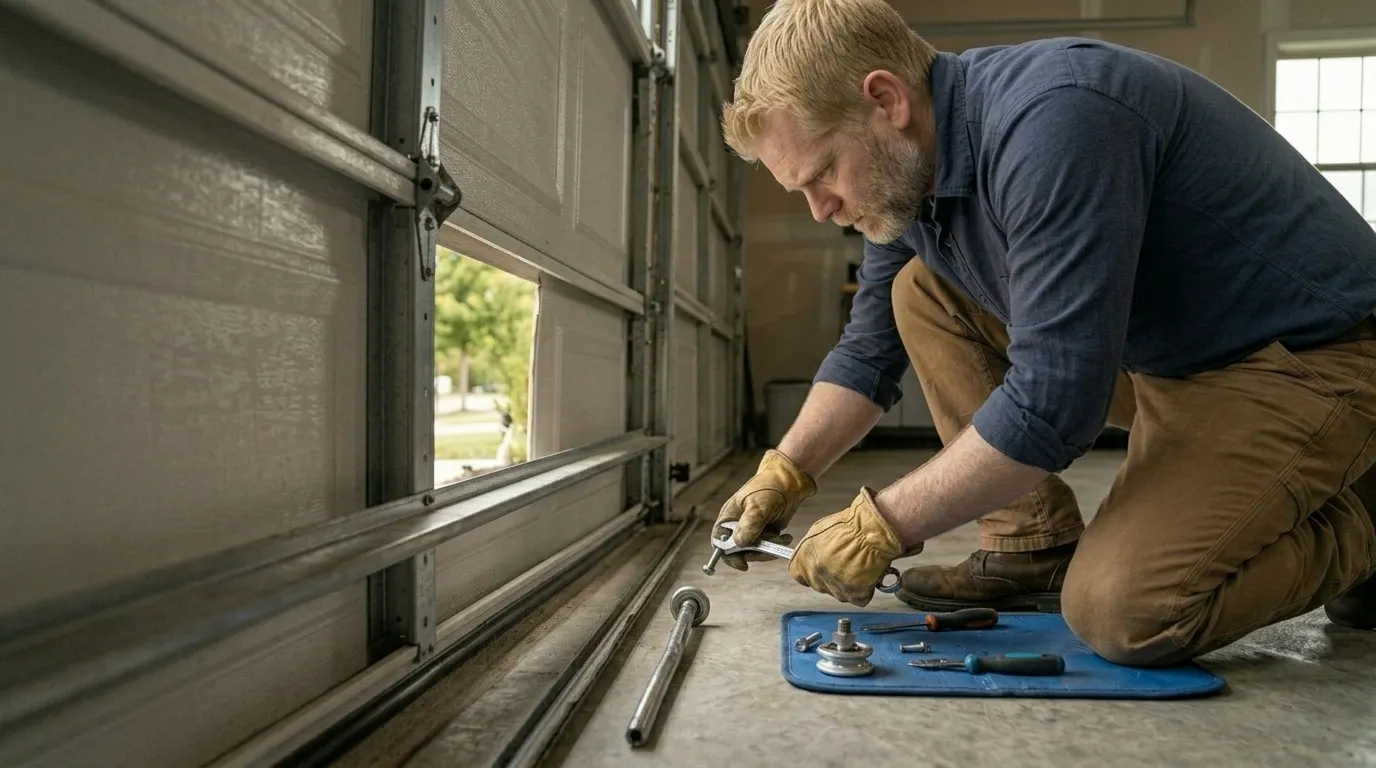
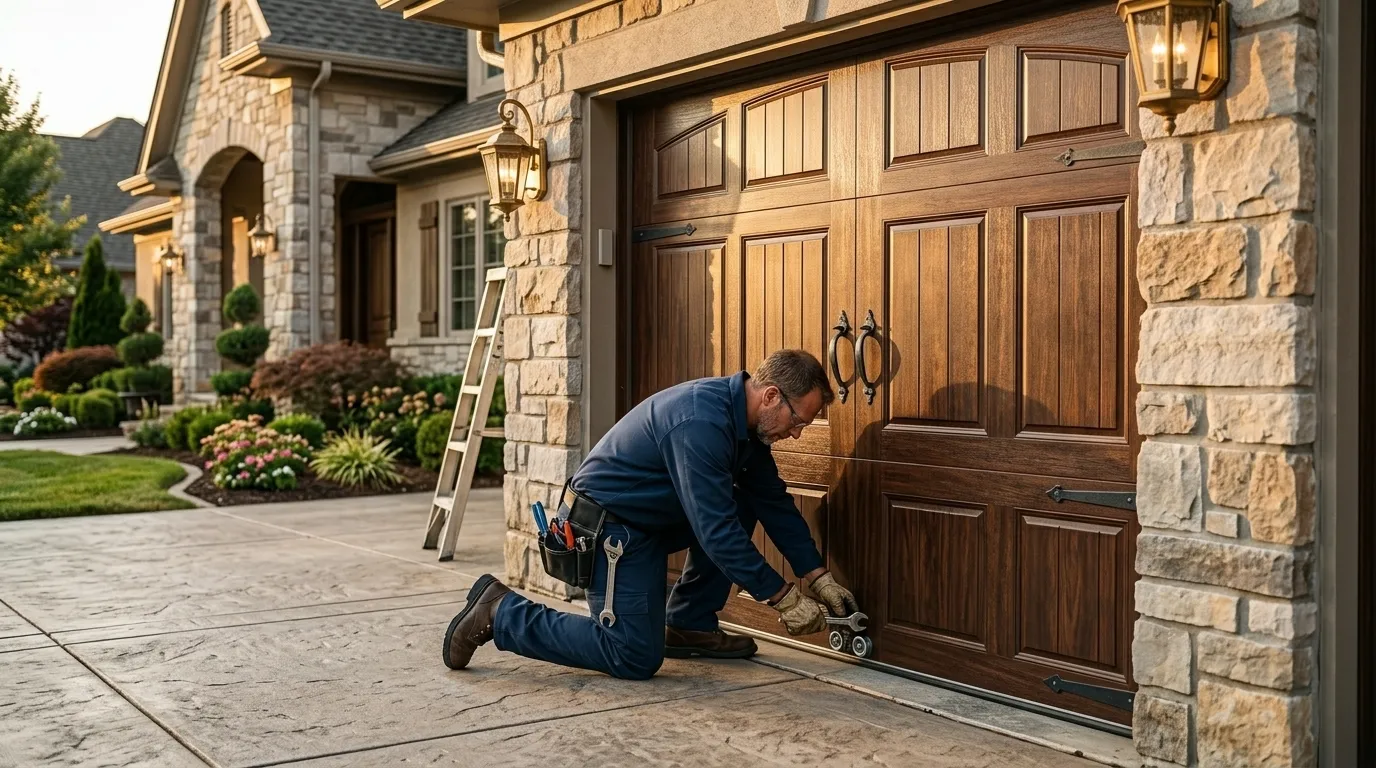
Cortland homes mostly date to the early 1980s, later than much of the Youngstown area. We travel the 16 miles out to work on the doors and openers that era actually has.
Cortland's housing stock centers on 1981, a good fifteen years newer than the median across the wider Youngstown service area, where most of the 28 named communities cluster in 1960s and 70s construction. That later build date matters here more than almost anywhere else on our route. A house going up in the early 80s came with a different garage door package than one built in the Kennedy years - chain-drive openers with early logic boards instead of pure mechanical timers, and sectional steel doors on extension or torsion spring setups that were already standardized rather than improvised on site. With 3,258 households in Cortland, this isn't a huge market, but it's a fairly consistent one: a lot of these garages were built to the same code cycle, within a few years of each other, which means when one type of hardware starts failing, we tend to see a run of similar calls out here rather than a grab bag of eras.
What That Means for Doors
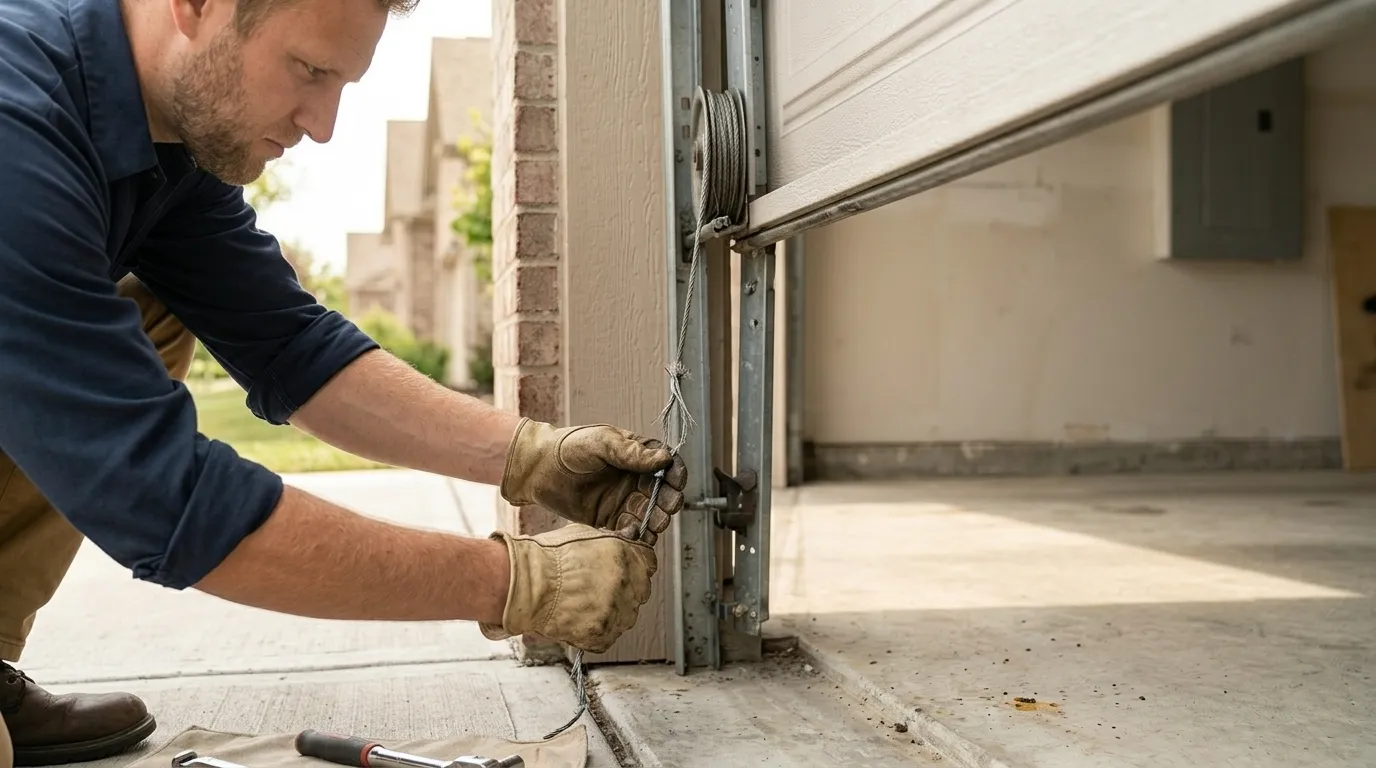
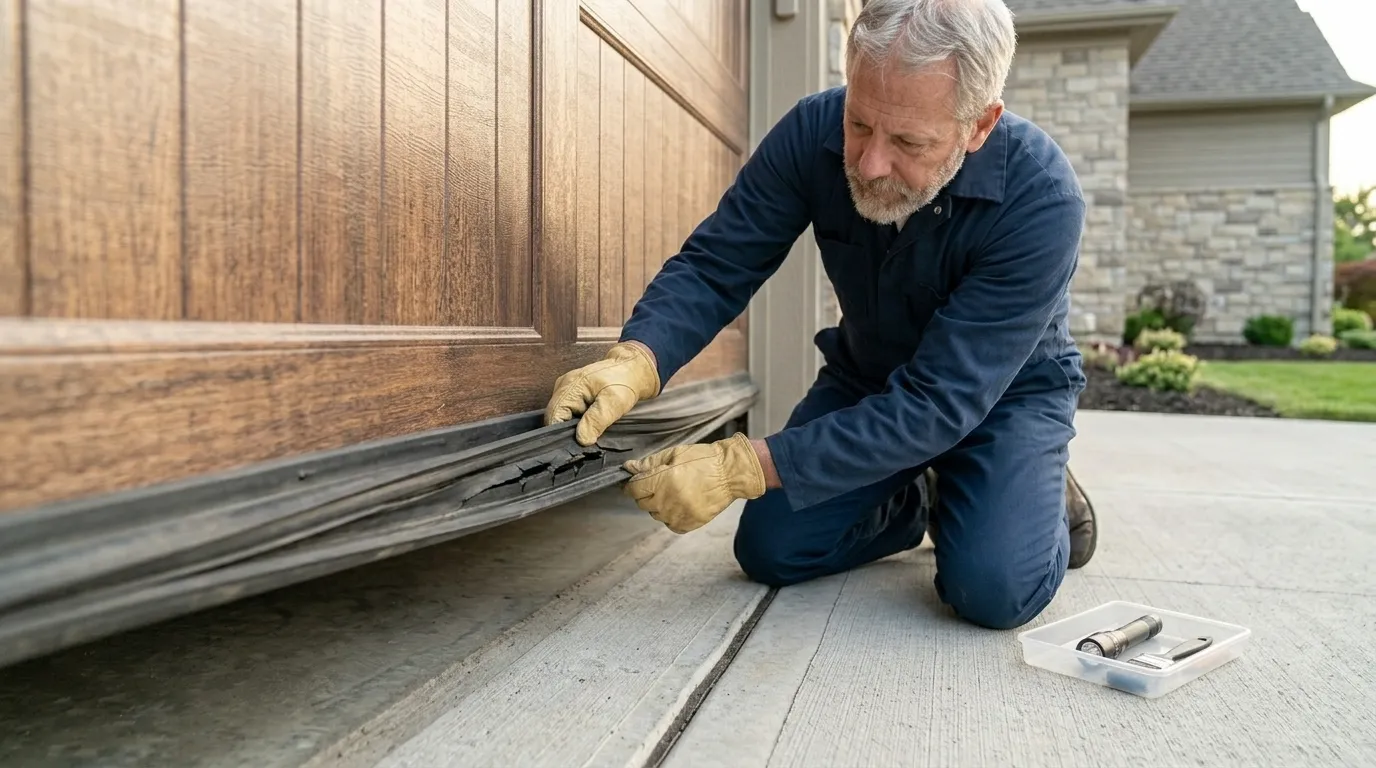
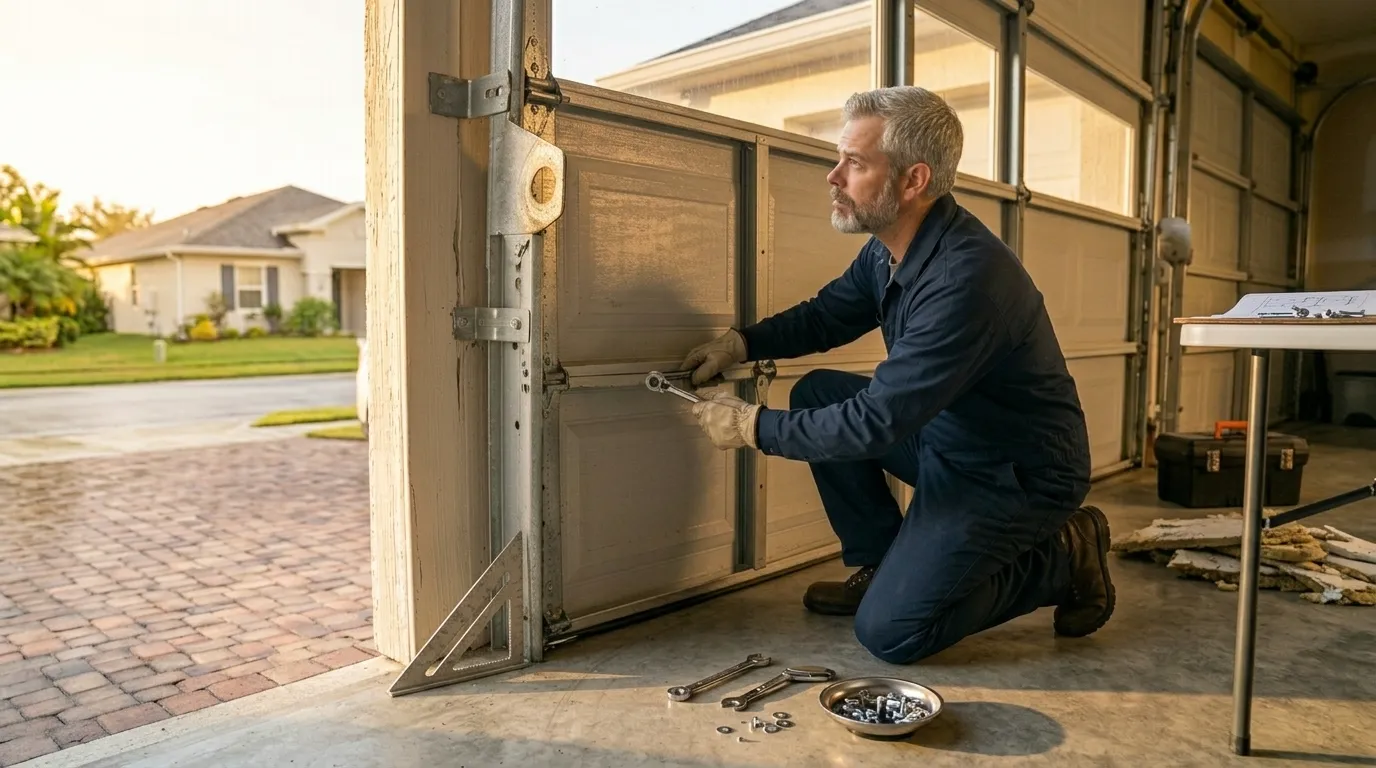
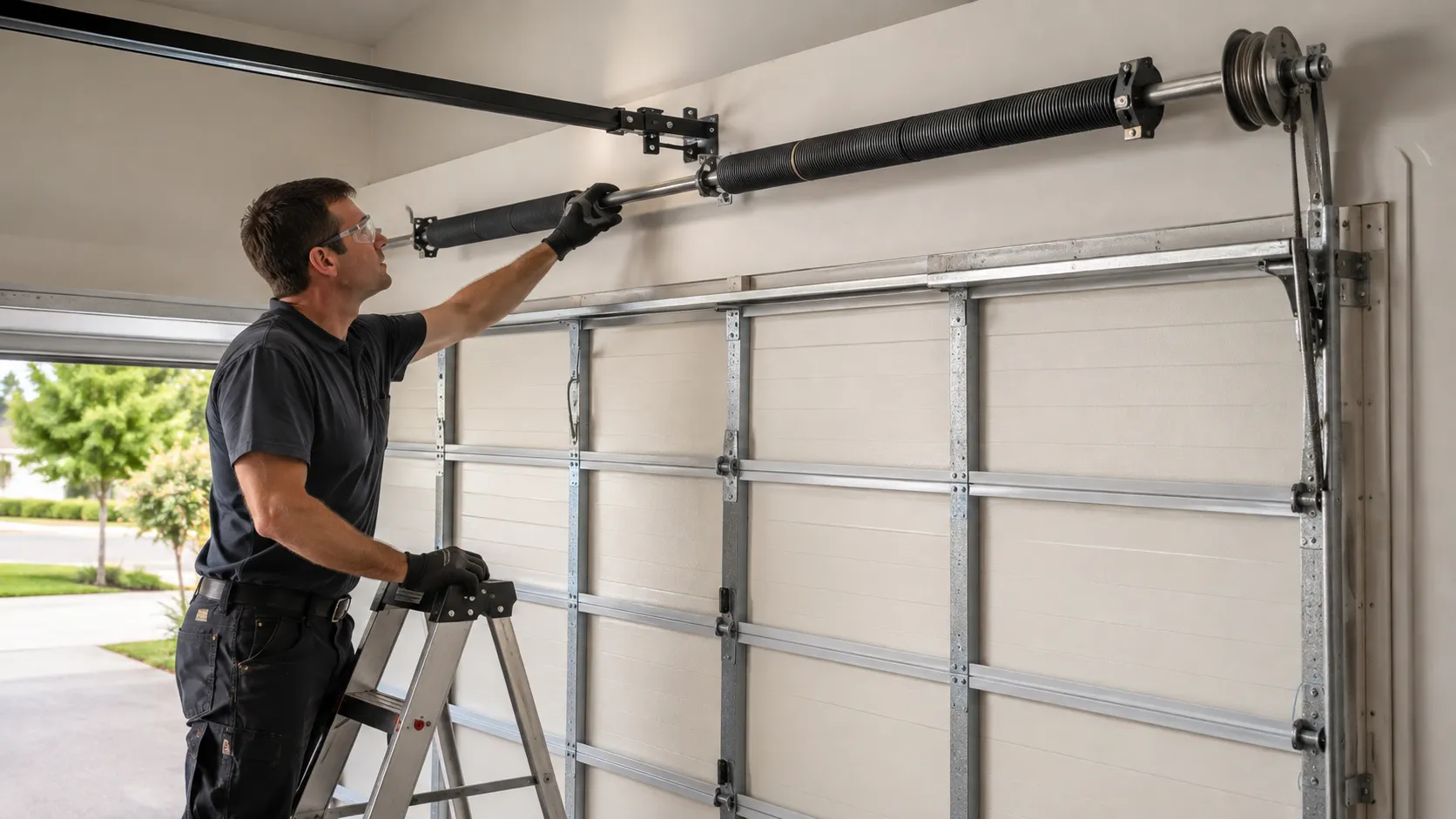
Because Cortland skews newer than most of the area, we're less likely to find the odd side-mounted torsion setups or one-piece doors that still turn up on older streets closer to Youngstown. What we do find is early-generation opener electronics reaching the end of their service life - circuit boards and drive gears that were fine for twenty-plus years and are now the actual point of failure, not the door itself. Springs on early-80s doors are usually standard torsion, which is good news for parts availability. The climate band here is classed as cold and severe, and that stress doesn't care what decade the door was built in - steel still contracts, seals still crack, and rollers still seize in the cold regardless of the install date. So the fixes split two ways: hardware failures tied to the door's age, and weather-driven failures tied to the winters, layered on top of each other.
When We Can Get There
We run out of Youngstown, and Cortland sits about 16 miles out, which is on the farther edge of our regular coverage rather than the close-in stops. We don't keep a truck stationed in Cortland and we won't promise a same-hour arrival - that's not how the route works from here. What we can tell you honestly is that we do work this area regularly enough to carry the common parts for the door types this town actually has, so a job doesn't usually turn into a second trip for a part we didn't bring. If your job is time-sensitive, say so when you call, and we'll tell you straight where you fall on the day's route rather than guess.
The Calls We Get From Here
Median household income in Cortland runs around $61,740, close to the wider area's $60,598, and the calls reflect that - most people want a solid repair, not a full replacement, unless the door's genuinely past it. Openers from the early 80s failing outright is a common one, along with broken torsion springs and rollers that have gone stiff or cracked from repeated cold snaps. One honest limit: if a board on an older opener has failed and the manufacturer doesn't make that model's parts anymore, replacement is the real answer, not a patch repair, and we'll tell you that up front instead of billing you for a fix that won't hold.
How it works
From “it’s stuck” to “it’s fixed”
01
Tell us what’s wrong
Describe the symptom - won’t open, loud bang, opener runs but the door won’t move.
02
On-site diagnosis
A technician tests the door under power and by hand and finds what actually failed.
03
Clear, up-front plan
You get the fix that’s needed and what drives the cost - before any work starts.
04
Repaired & tested
The repair is done, the door is set true and tested, and the work area left clean.
Serving Youngstown, OH - tell us what your door’s doing and we’ll take it from there.
Are Cortland garage doors different from ones closer to Youngstown?
Often, yes. Cortland's housing runs newer on average - median build year around 1981 versus the 1960s-70s stock common closer in. That means more early opener electronics failing from age and fewer of the older one-piece doors and side-mounted torsion setups you find on older blocks.
Do you have a truck based in Cortland?
No. We work out of Youngstown, and Cortland is about 16 miles from there. We travel out for jobs regularly, but we don't keep a depot in town or promise a fixed response window - ask when you call and we'll tell you where you land on the route.
Why did my opener fail with no warning?
If your house was built around the early 1980s, your opener may be original or close to it. Circuit boards and drive gears in that generation of unit reach end-of-life gradually, then fail all at once. If parts for that model aren't made anymore, replacement is usually the better call than a repair.
Does the cold affect doors here more than newer parts of town?
The area sits in a cold, severe climate band, and that affects every door regardless of age - seals crack, rollers stiffen, steel contracts. On top of that, an early-80s opener nearing the end of its life can fail faster under cold stress than a newer unit would.