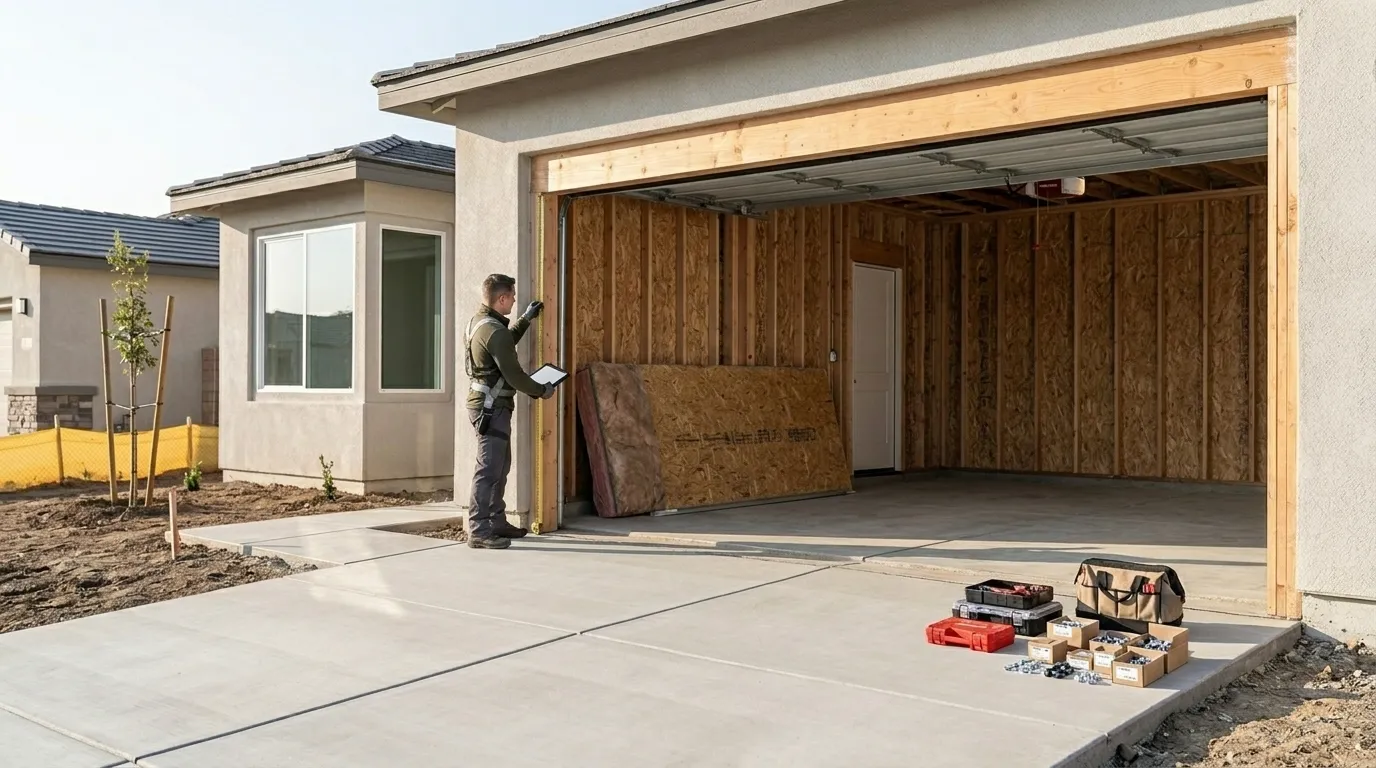
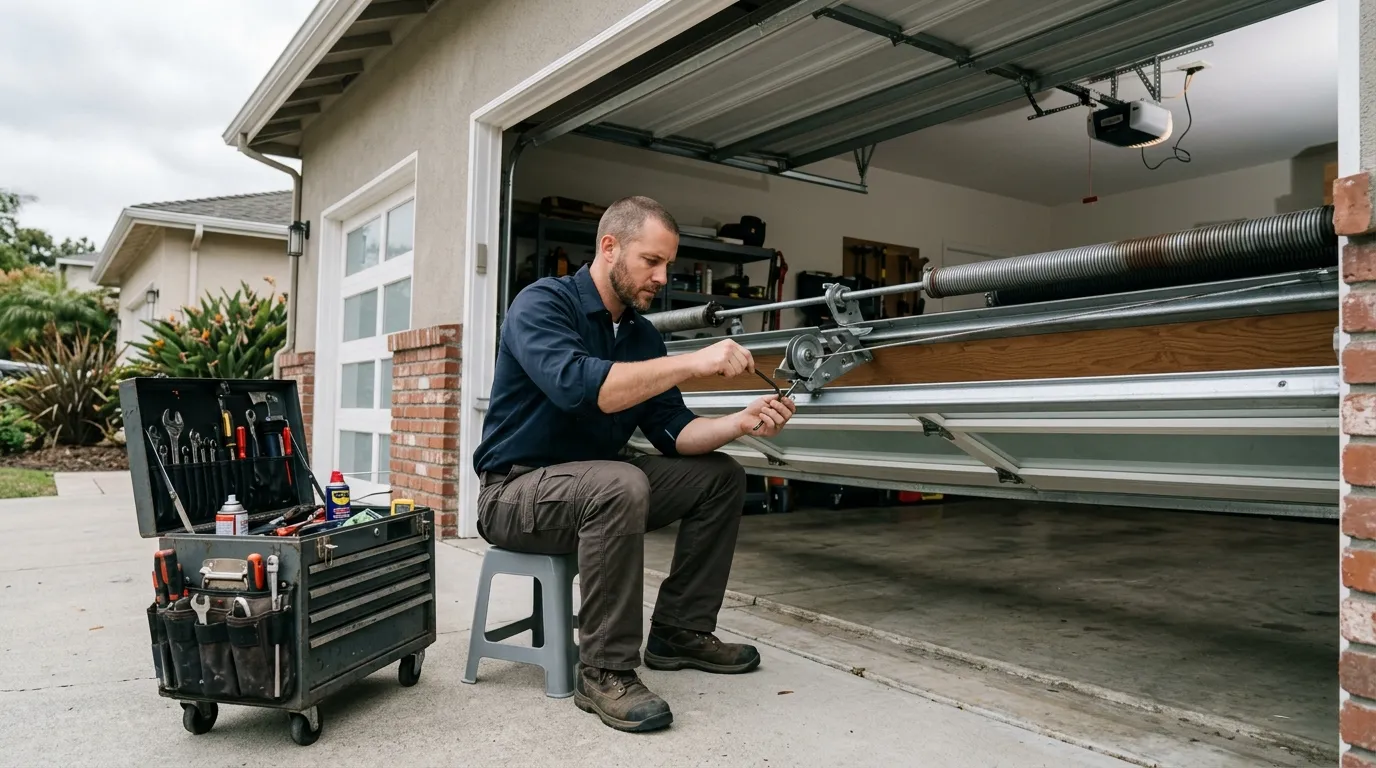
Most Youngstown houses date to 1938-2000, built for older hardware. See what garage door installation takes in this cold, severe climate on older openings.
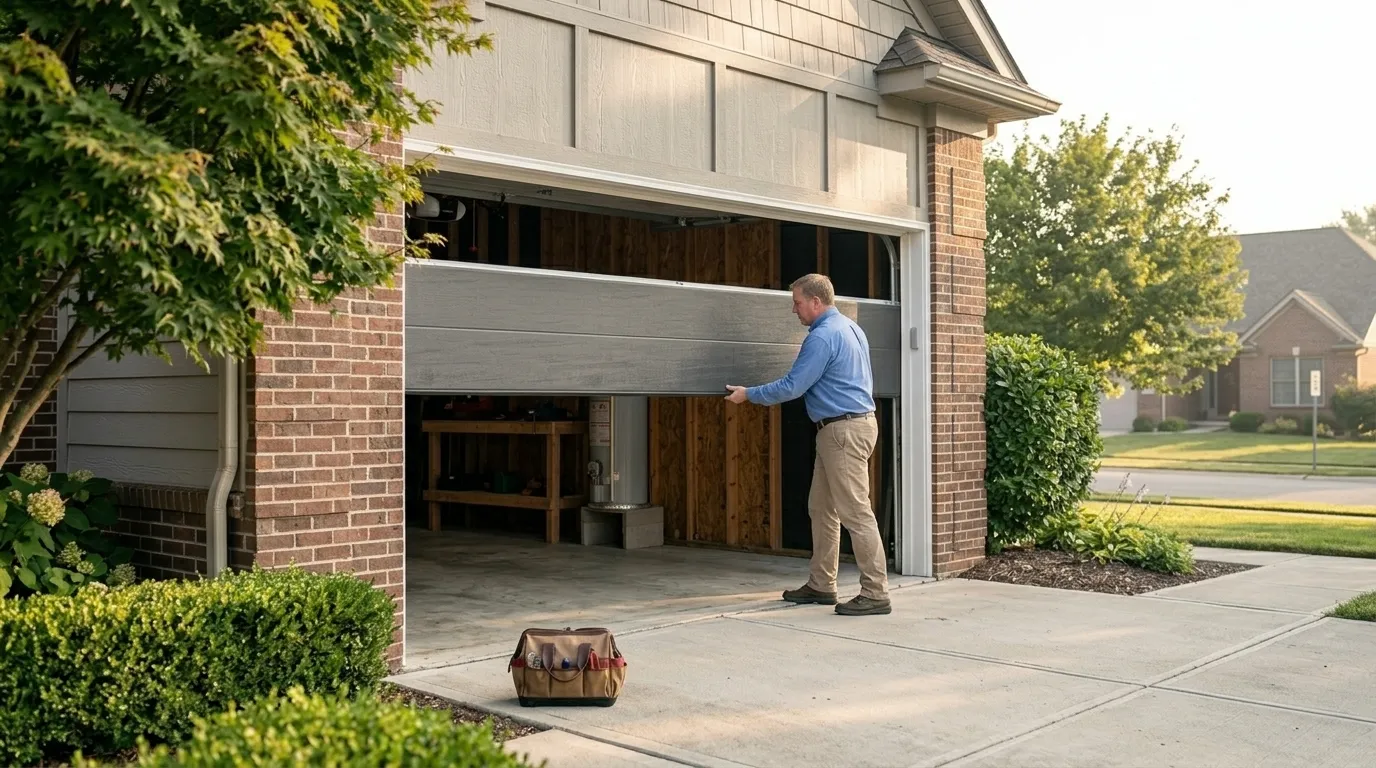
Most houses on this side of Youngstown went up between 1938 and 2000, with the median build year sitting right around 1964, and a big chunk of that stock dating to the 1960s and 70s across the area's older neighborhoods. That means a lot of original single-layer steel or wood doors, hardware sized to openings that were framed before insulation codes tightened up, and tracks that were never meant to carry a heavier, better-sealed replacement. If your door sags at the bottom corners, the panels have started to separate at the seams, or the bottom seal is cracked and letting daylight through, you're looking at a door that's simply aged out, not one damaged by a single event. Some owners notice it first as a spike in the heating bill once the door stops sealing tight against the slab. Others notice it when the opener starts straining on every cycle because the door itself has gotten heavier with rust and warped panels. Either way, on housing this old, a full installation is usually a better call than another patch repair, because the old track and jamb hardware are rarely worth reusing once the door itself is done.
The DIY Question
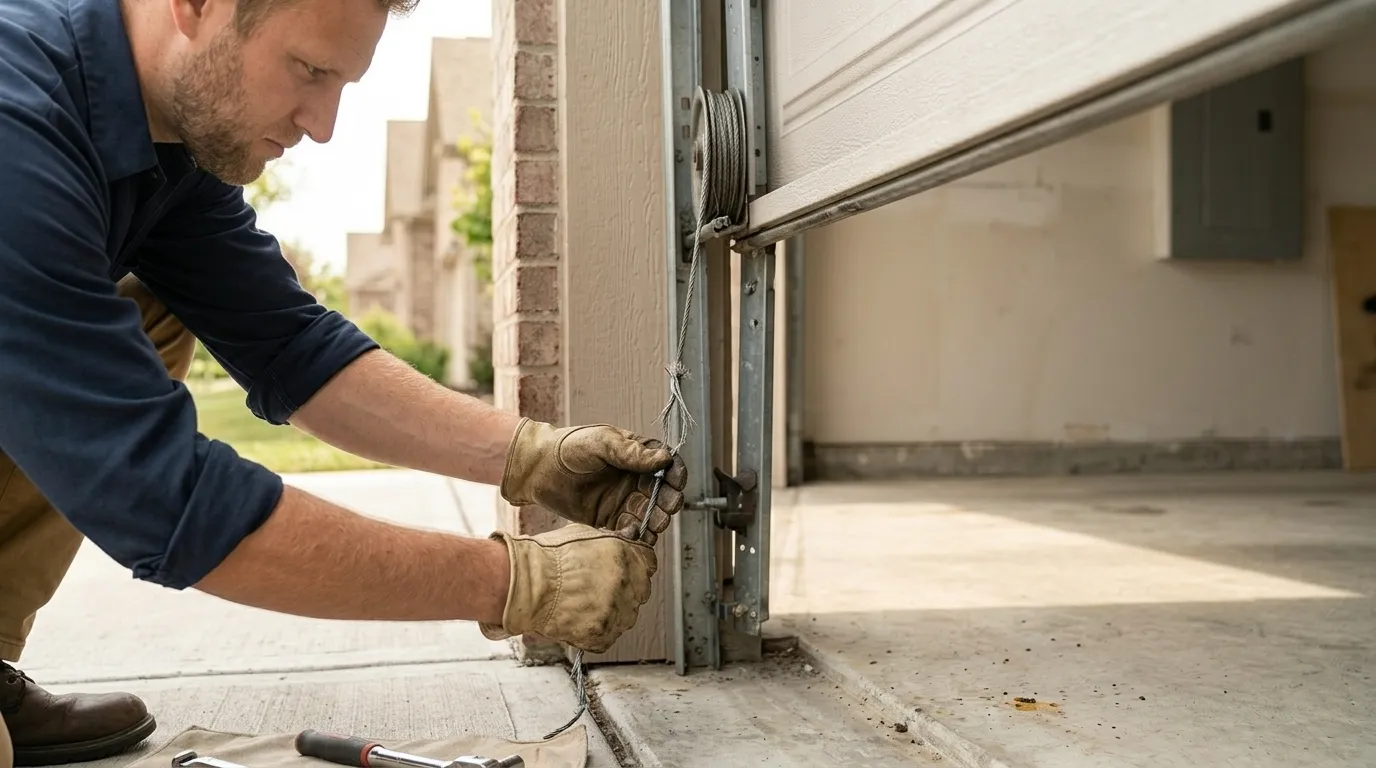
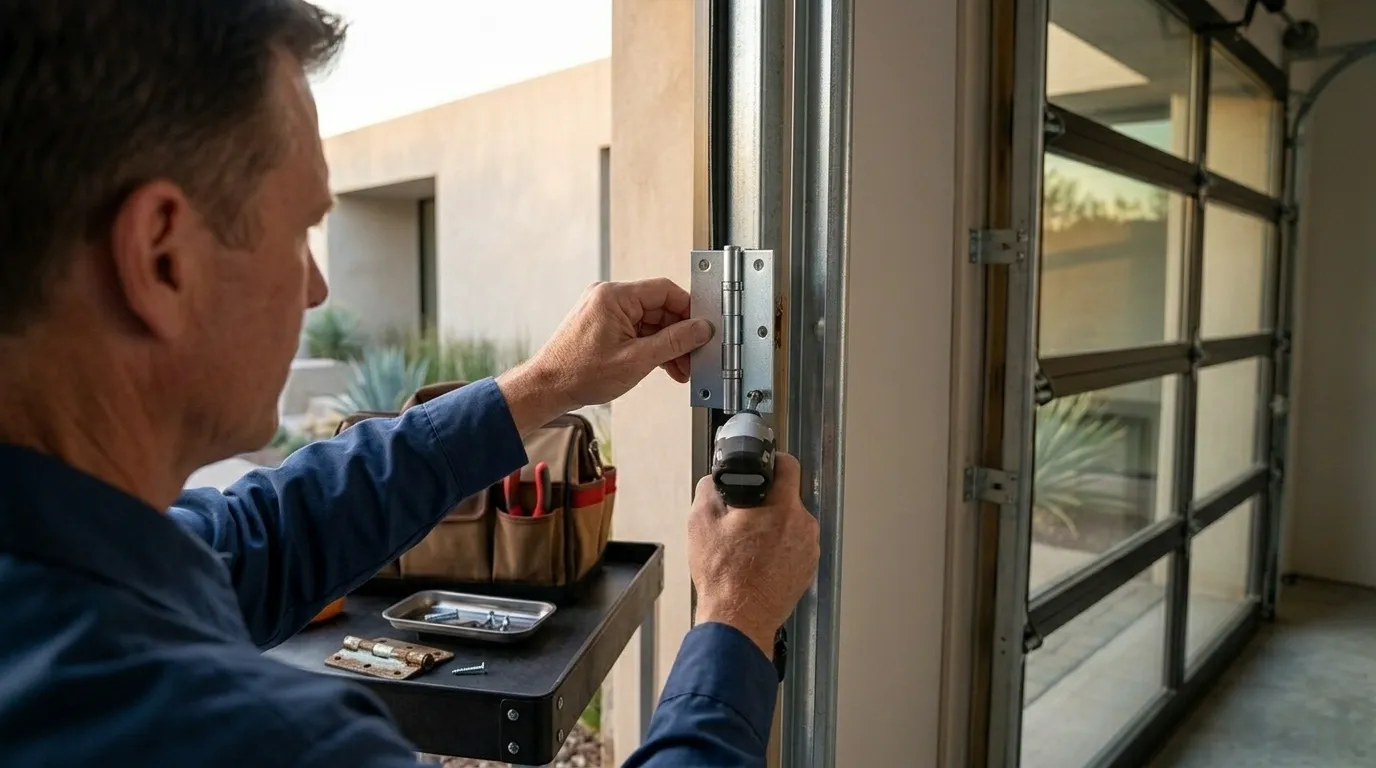
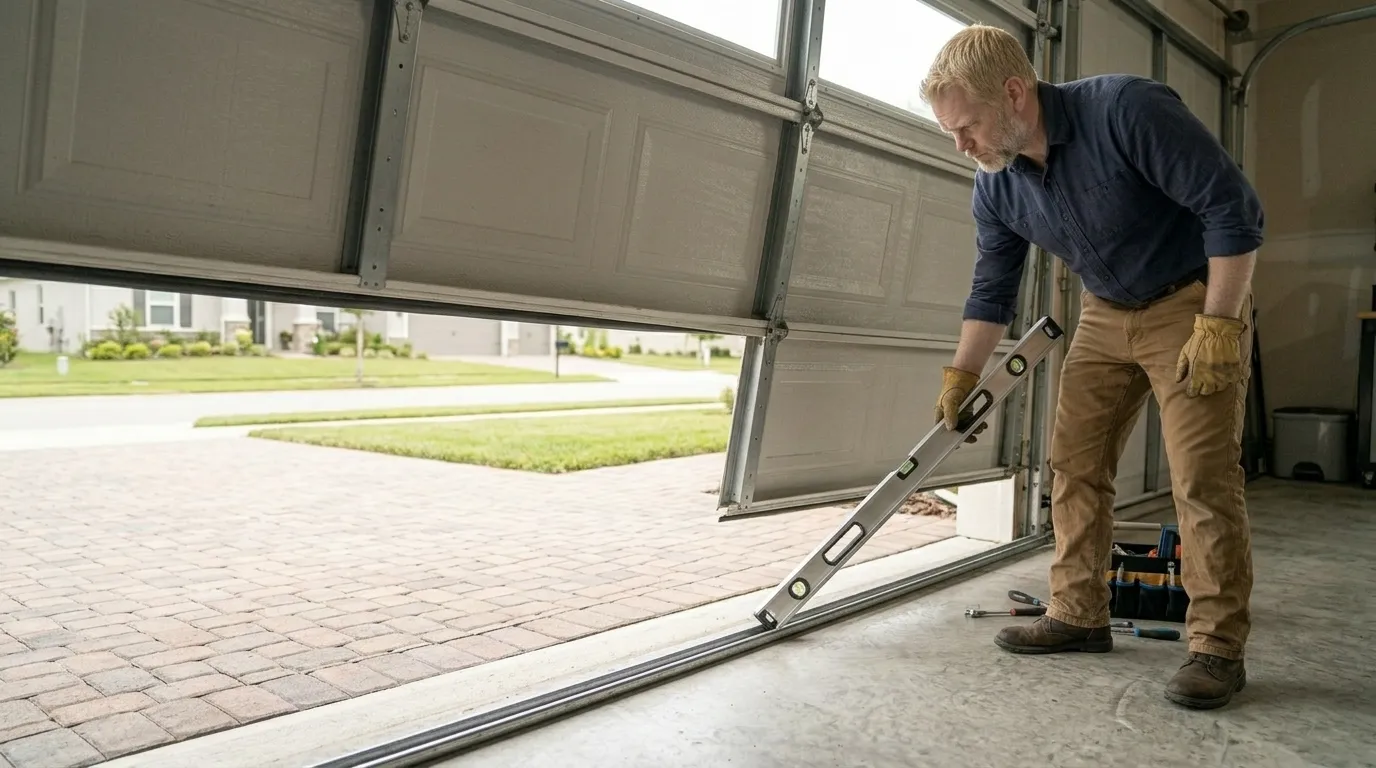
A lot of homeowners can handle swapping weatherstripping or tightening a hinge. Installing a full door is a different job. On houses built before 1970, the framing has often settled or shifted slightly over the decades, which means the opening isn't perfectly square anymore, and a new door has to be shimmed and leveled to match that reality rather than to a factory spec sheet. Get that wrong and the door binds on the track within a season. There's also the spring system: high-cycle torsion springs on a double door are wound under enough tension to cause real injury if you don't have the right bars and don't know the wind count for your door weight. That part we won't talk anyone through over the phone, and we won't sell a spring-only kit to a homeowner planning to do it themselves. Where we draw the line: if your opening is out of square by more than a small amount, or the jamb wood has gone soft from years of moisture, that's a carpentry fix first, and we'll say so rather than force a door into a frame that isn't ready for it.
Why It Happens Here
The failure pattern here is tied directly to the age of the housing stock and the winters. With most homes dating to 1938 through 2000 and a heavy concentration in the 1960s and 70s build years, a large share of doors in use were installed or replaced decades ago on hardware and openings sized to older standards. Layer on a cold, severe winter climate, and steel panels that flex with temperature swings, foam seals that harden and crack in single-digit cold, and torsion springs that lose tension faster in unheated garages all fail sooner than they would in a milder region. Freeze-thaw cycles also work on the concrete slab under the threshold, so the seal that fit fine in October can be catching on a lip of heaved concrete by February. None of this is unique to one street or one subdivision; it's a function of when this area was built and what the winters do to that generation of hardware year after year. It's why installation calls here cluster heavily around doors original to houses from that same build window, rather than newer construction.
How Long It Takes
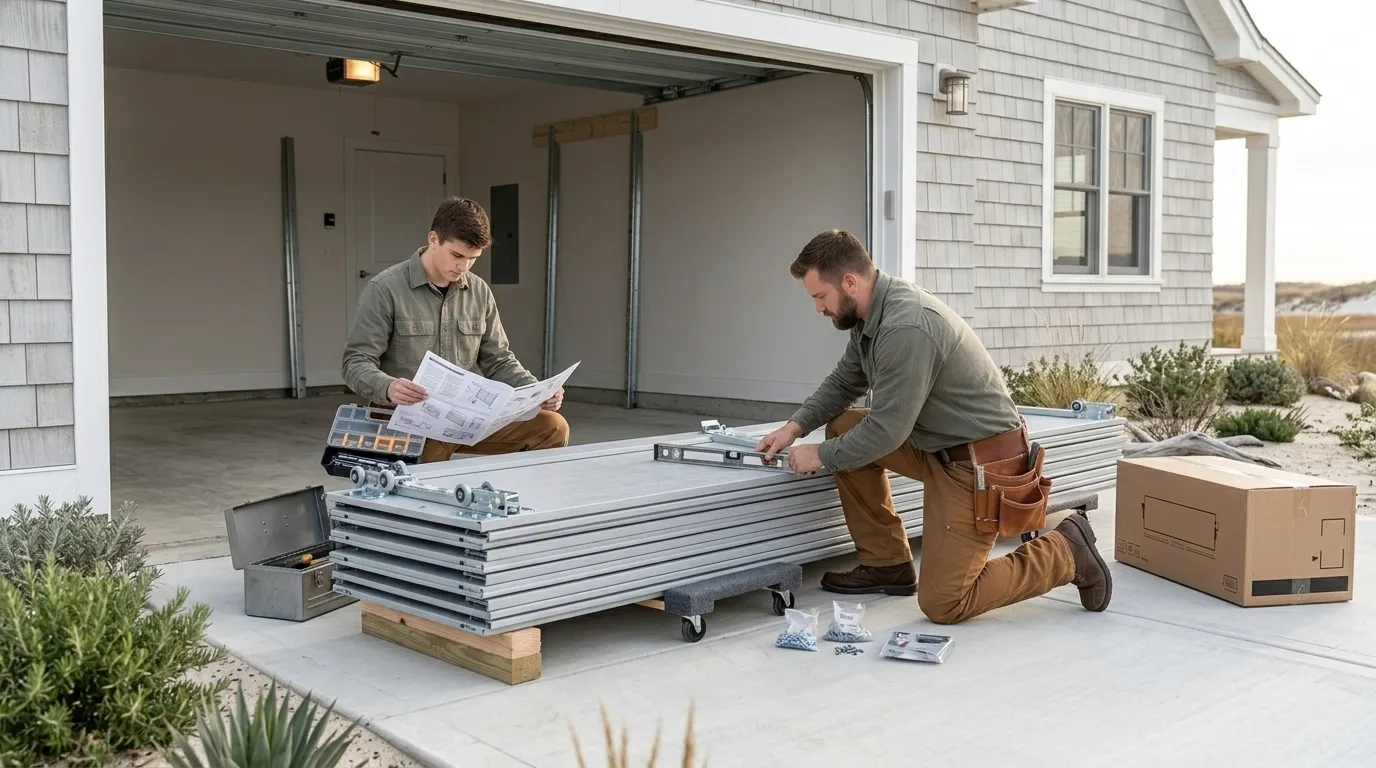
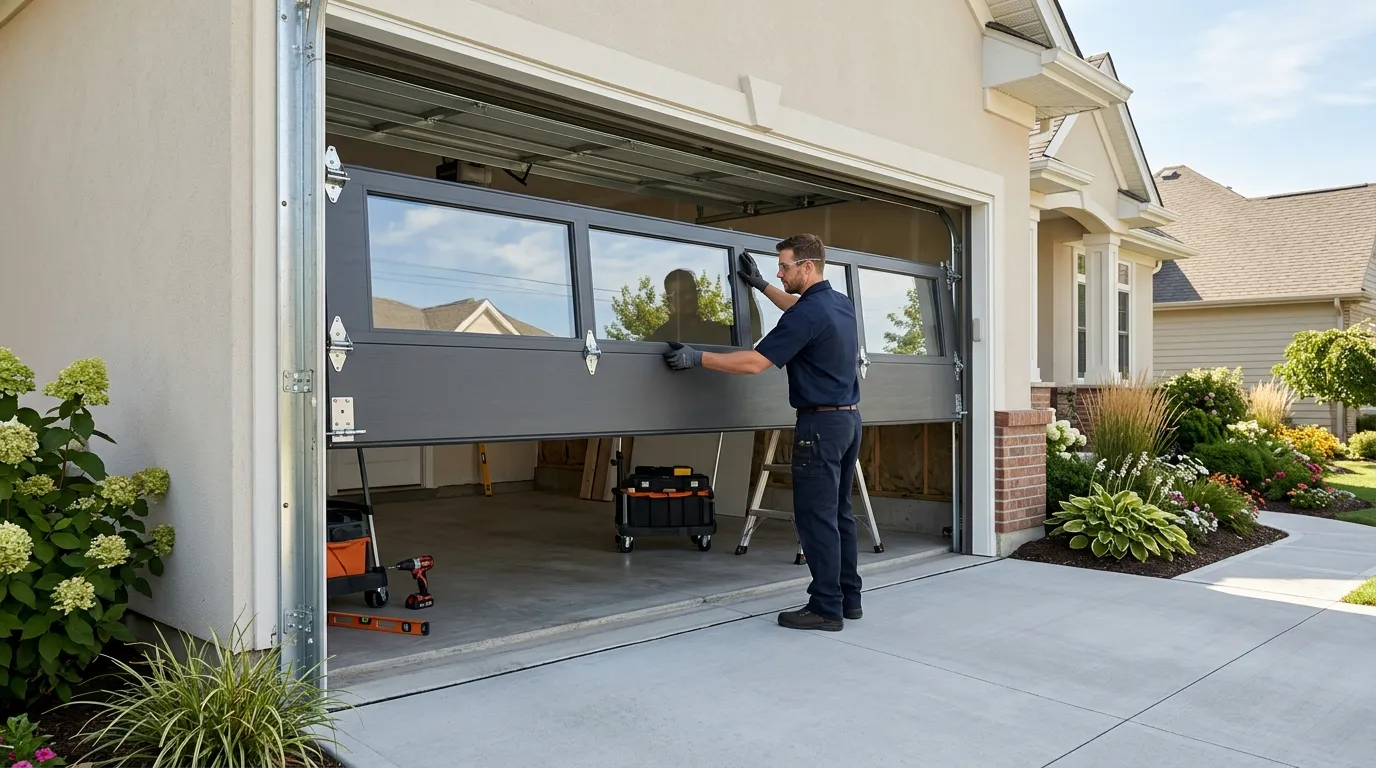
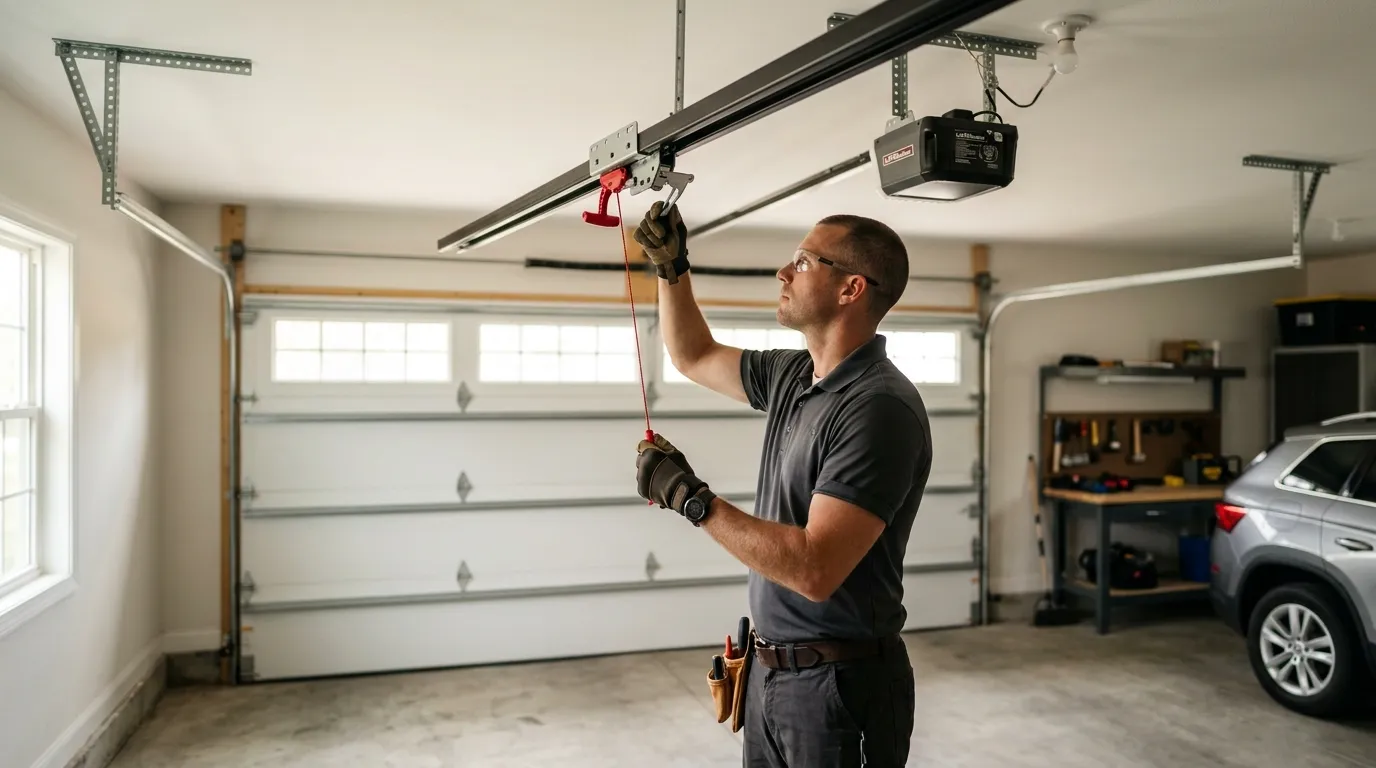
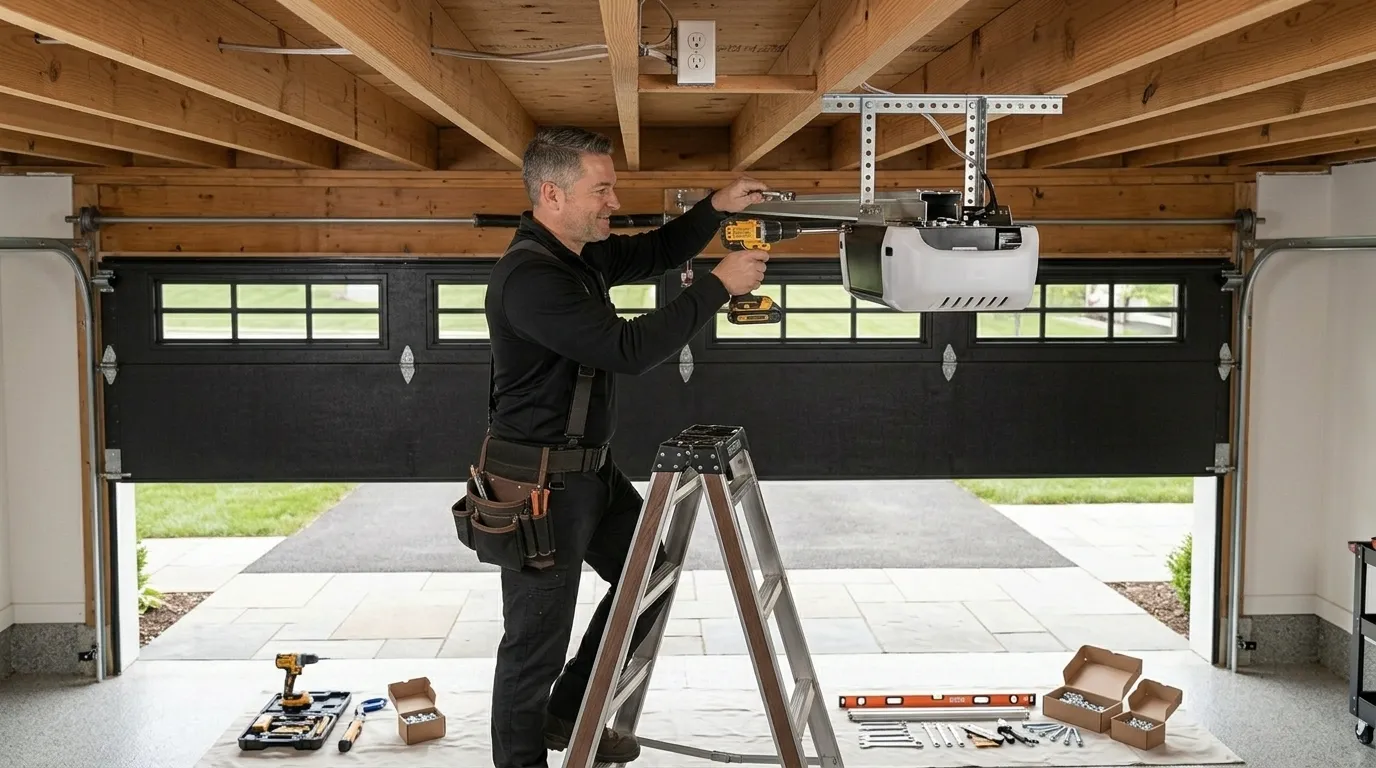
A straightforward swap on a single door, where the opening is square and the track anchors are sound, usually runs a few hours from removal of the old door to a working new one. Where the older housing stock in this area adds time is at the framing: if the jamb has shifted with the house settling, or the header needs new anchor points because the original wood has dried and cracked, that adds real time before the new door ever gets hung, since it has to be corrected first, not worked around. Double doors take longer than singles regardless of age, mostly because of the extra track alignment and the heavier spring set. If an opener is being reused rather than replaced, we also have to confirm the old safety sensors and travel limits still work with the new door's weight and thickness, which can add another step. We're not going to give you a number that ignores what's actually in the wall - on a house from the 1960s or 70s, the honest answer is usually a same-day job, but not always a quick one.
How it works
From “it’s stuck” to “it’s fixed”
01
Tell us what’s wrong
Describe the symptom - won’t open, loud bang, opener runs but the door won’t move.
02
On-site diagnosis
A technician tests the door under power and by hand and finds what actually failed.
03
Clear, up-front plan
You get the fix that’s needed and what drives the cost - before any work starts.
04
Repaired & tested
The repair is done, the door is set true and tested, and the work area left clean.
Serving Youngstown, OH - tell us what your door’s doing and we’ll take it from there.
Is my garage door too old to repair instead of replace?
On houses from the 1938 to 2000 build era common in this area, doors that have reached original hardware age usually cost more to keep patching than to replace, especially once the track, springs, and panels are all wearing out at the same time. We'll look at the specific door before saying either way.
Will a new door fit my old opening without changes?
Often yes, but not always. Homes from the 1960s and 70s here have sometimes settled enough that the opening is slightly out of square. We check that before install, and if the jamb needs correcting first, we tell you rather than force a door into a frame that isn't ready.
Does the cold affect installation timing?
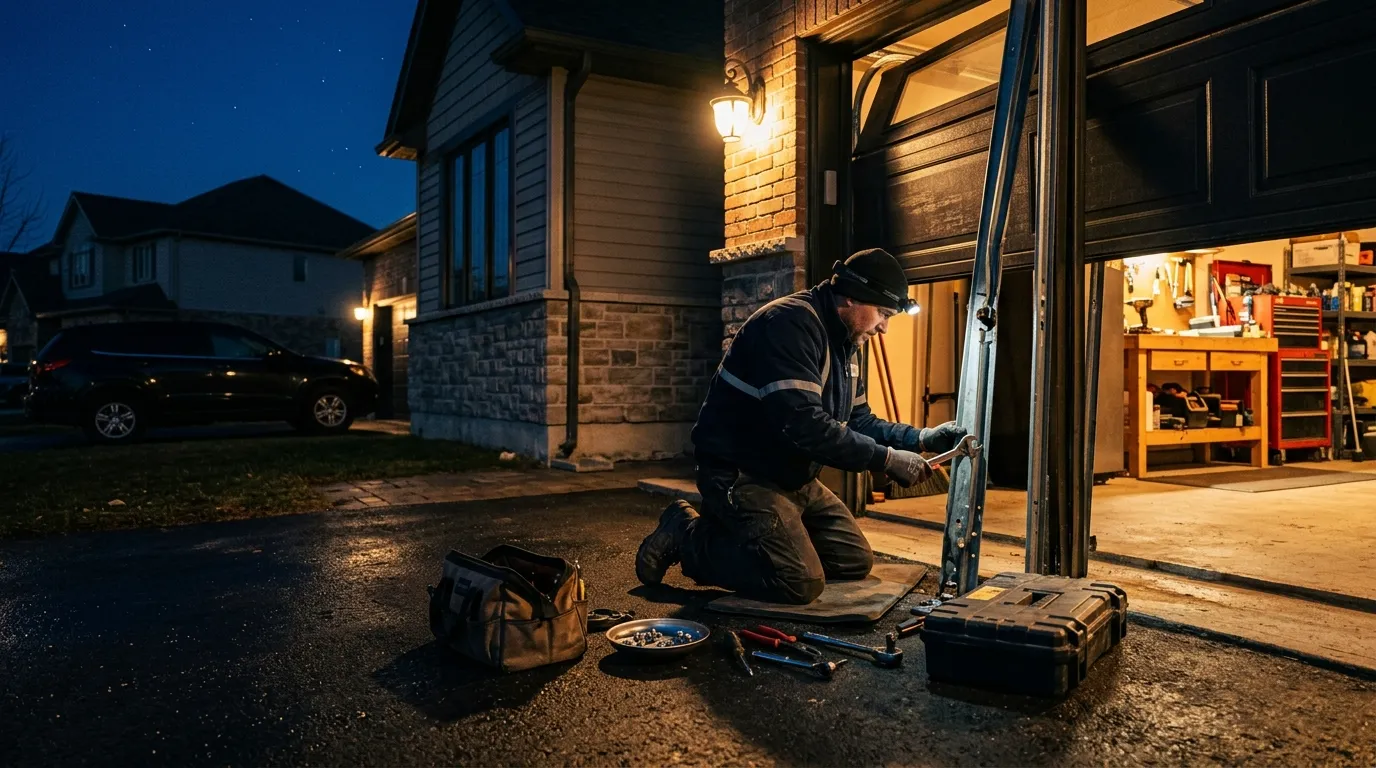
It can. Severe cold makes seals stiffer to seat correctly and concrete thresholds harder to work with if there's ice or heaving at the slab edge. We still install through winter, but we plan around it rather than rush a seal that won't hold.
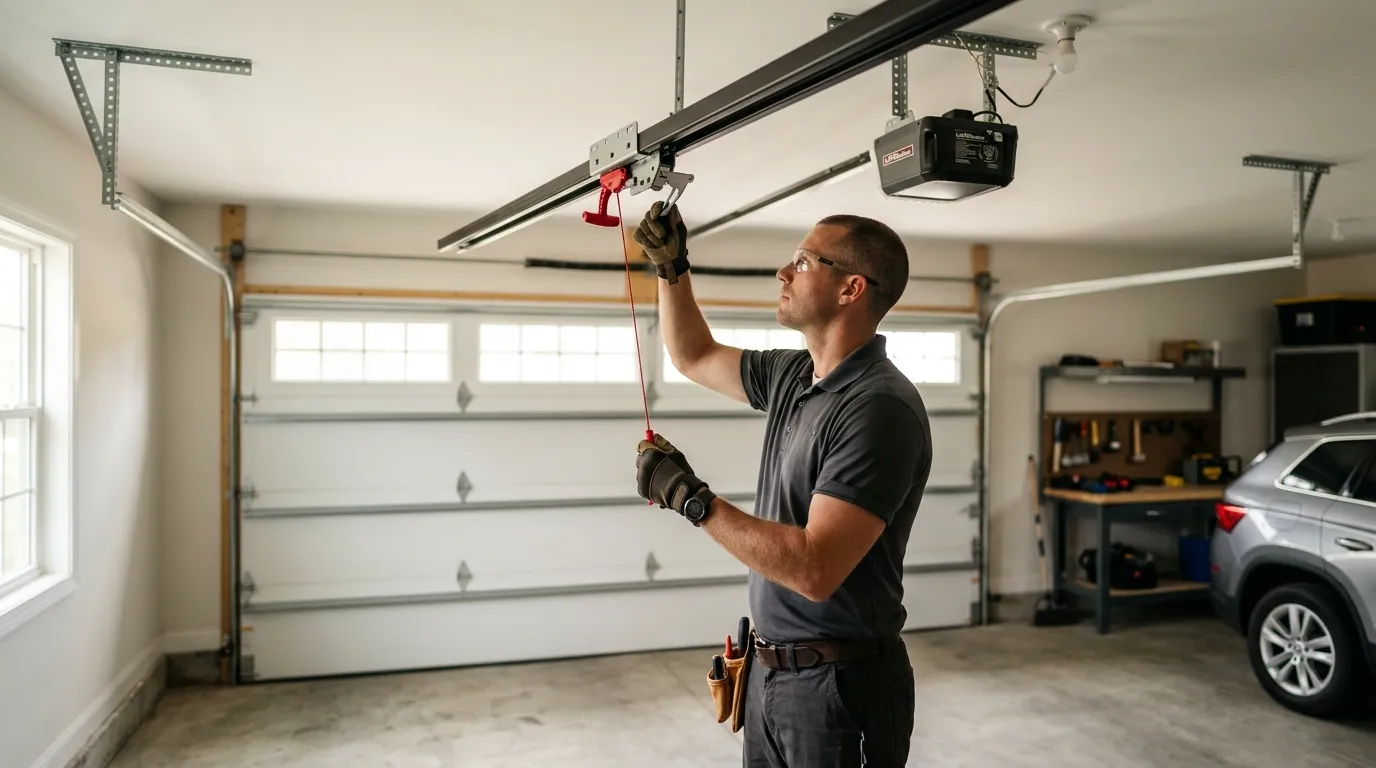
Can I keep my old opener with a new door?
Sometimes. We check whether the existing opener's travel limits and force settings work safely with the new door's weight before reusing it. If it doesn't match up, we'll say so instead of installing a mismatch.