What Is Going On
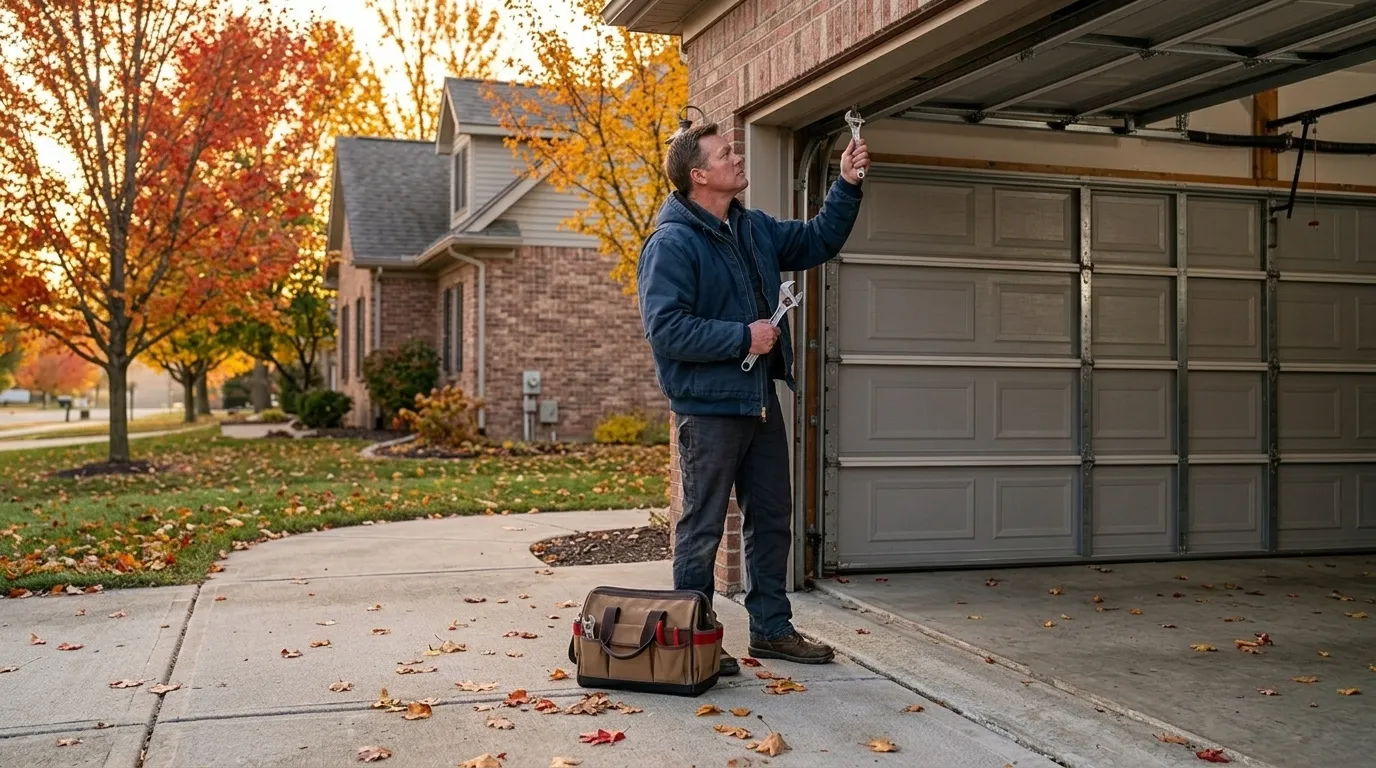
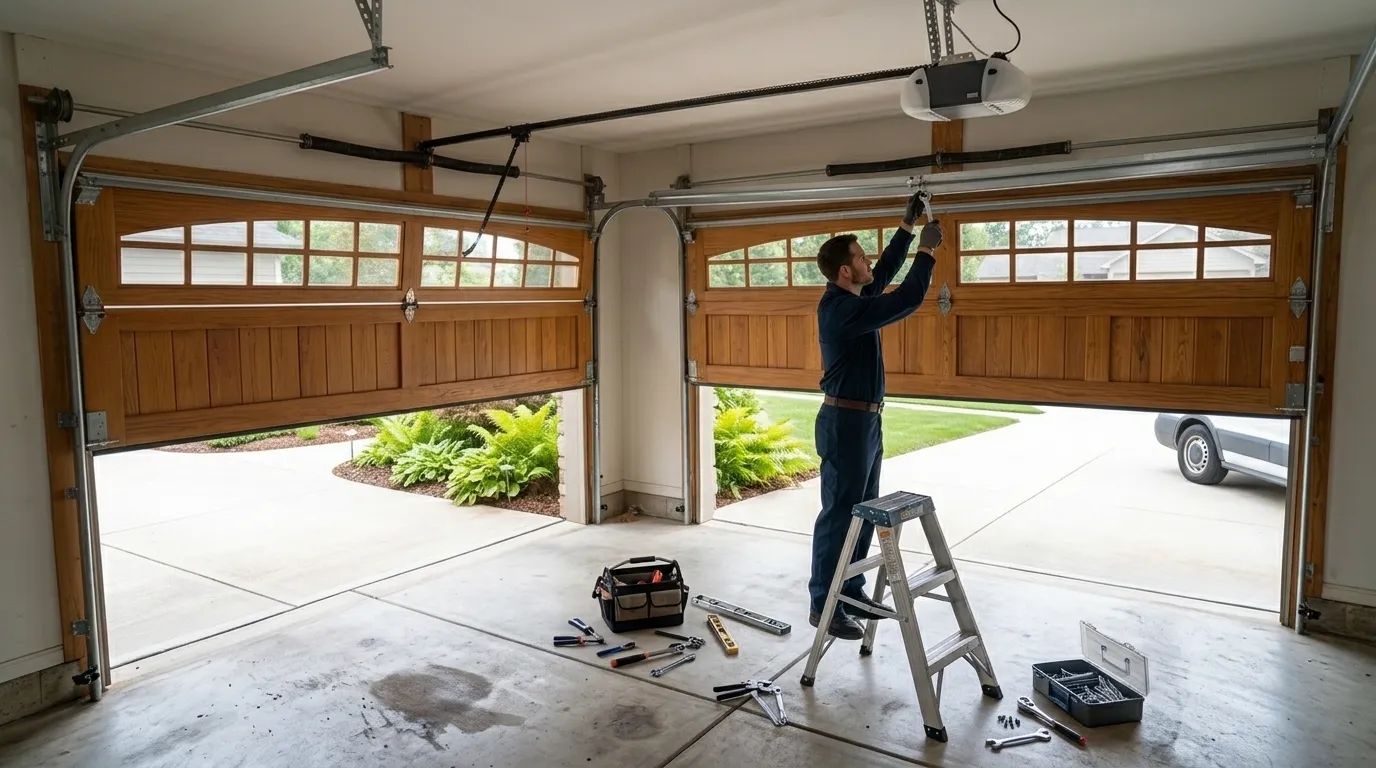
A service call starts with figuring out which of three systems failed: the spring assembly, the opener, or the track and rollers. On a lot of the houses in this area, built mostly through the 1960s and 70s with a median around 1964, that means older torsion or extension spring setups that were never upgraded when the opener was replaced somewhere along the way. Mismatched generations of hardware are common here, not rare.
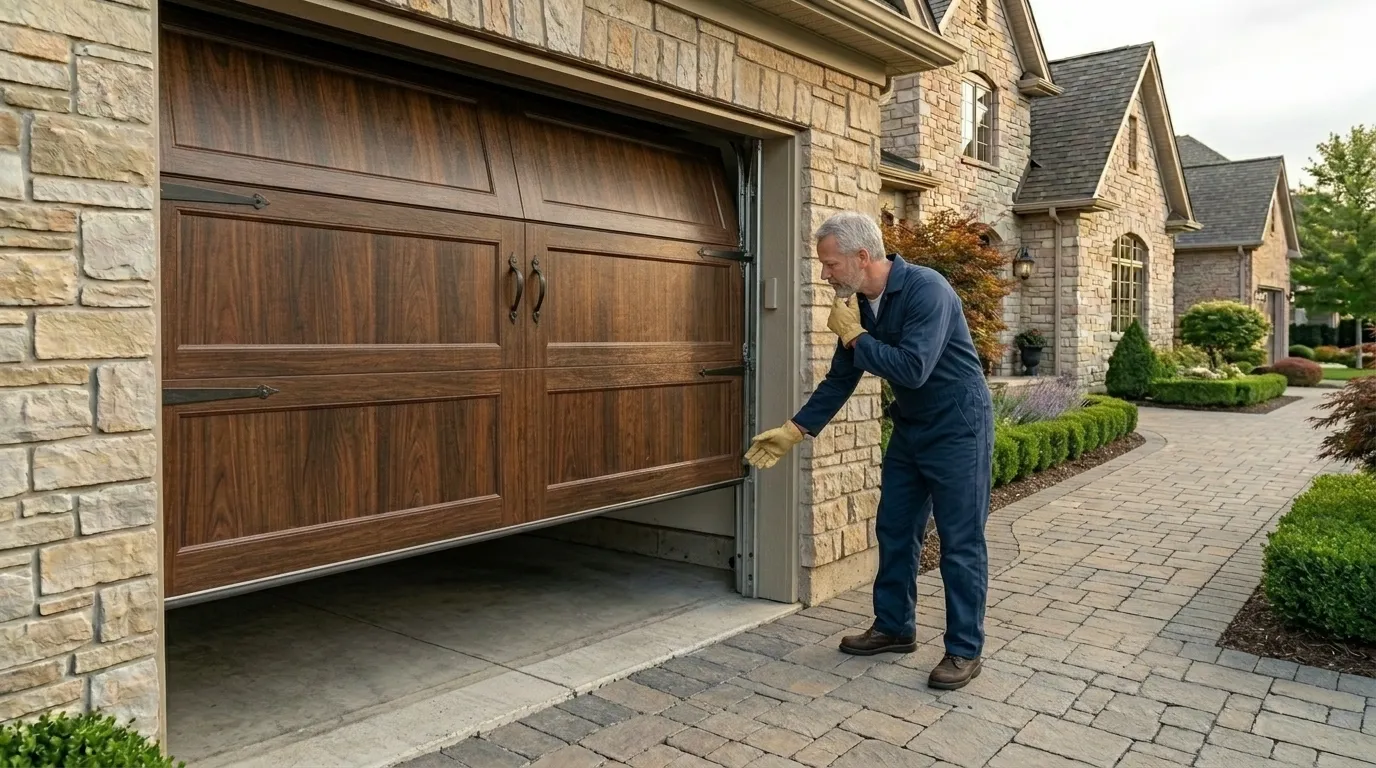
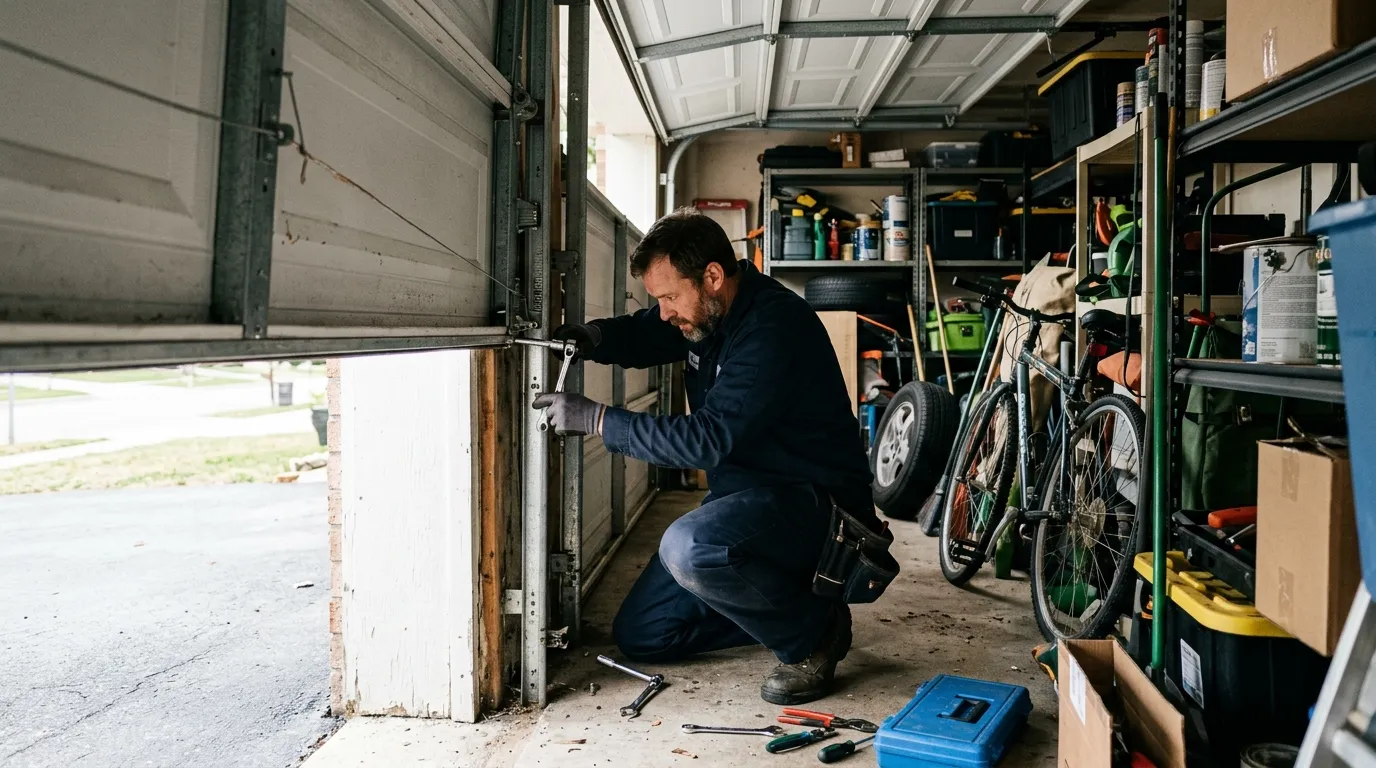
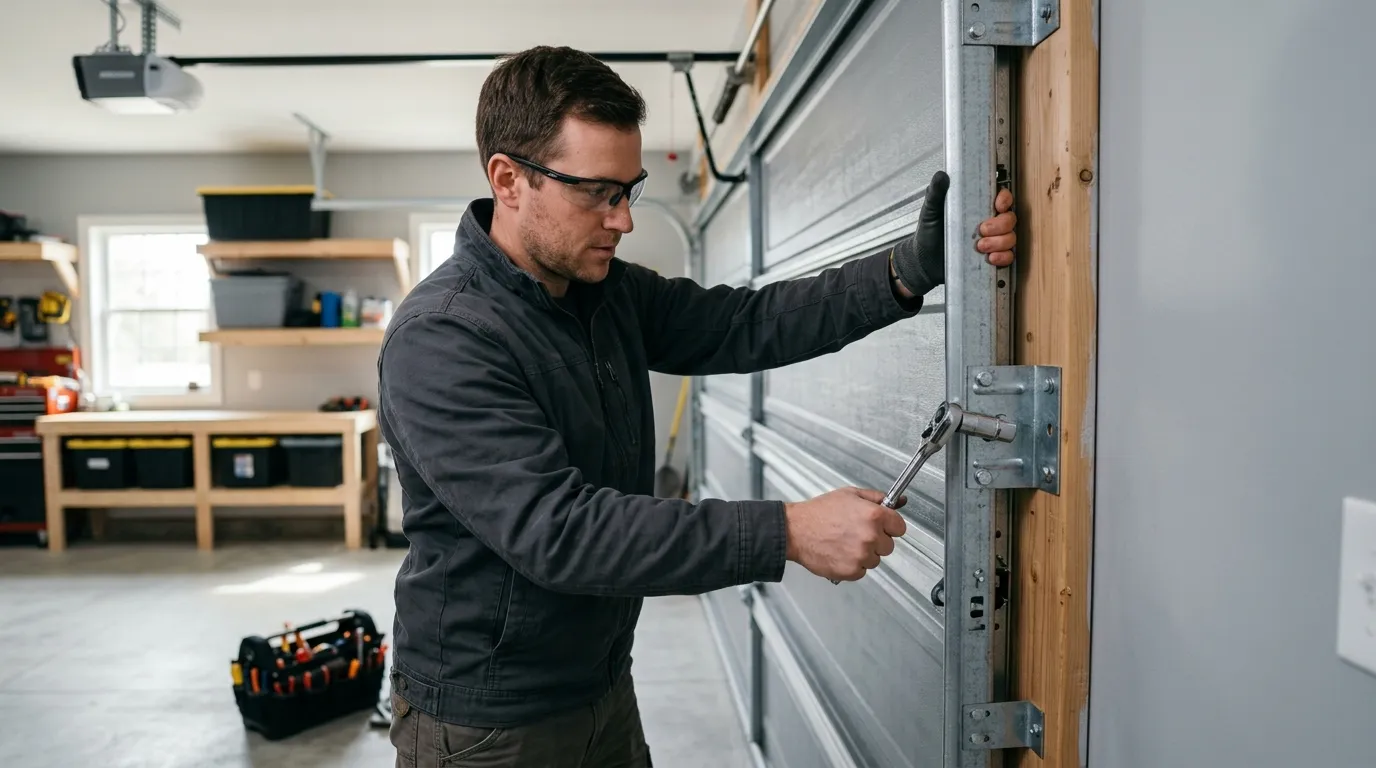
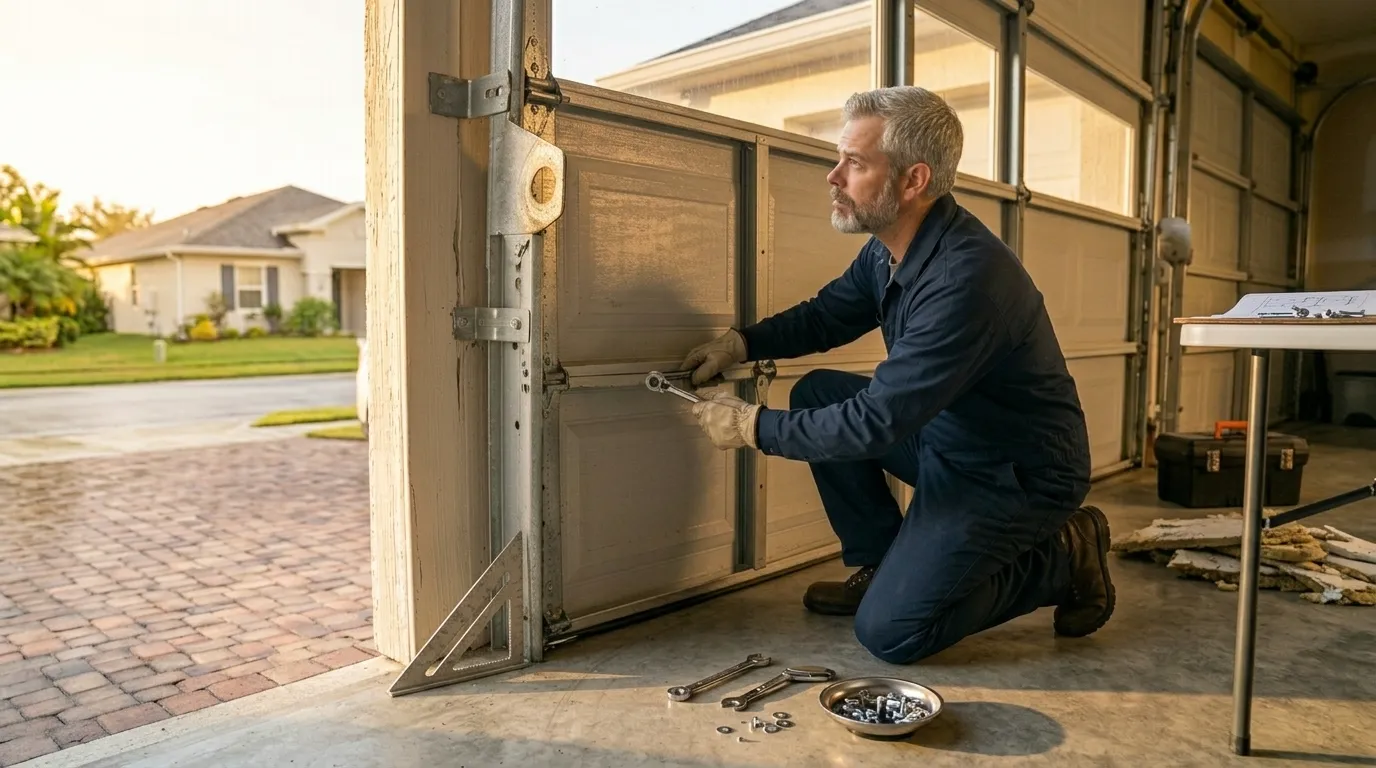
We check spring tension, look at cable wear where it wraps the drum, and check whether the track is still square to the frame. On houses this old, a track can be slightly out of alignment for years without anyone noticing until a cold snap makes it worse. We also look at the bottom seal and weatherstripping, since a lot of original doors in this housing stock were never fitted with anything beyond the bare minimum.
Across the 41,076 owner-occupied houses in this service area, the pattern repeats: the door itself is often fine, but the spring or the seal has quietly failed and the opener has been compensating for months. Once we know which piece failed, we tell you the actual fix, not a guess.
What the Weather Here Does to It
This area sits in a cold, severe climate band, and that matters more for garage doors than most owners expect. Steel track contracts in deep cold enough to change its fit against the rollers, which is why a door that ran quiet in October can start grinding or jumping the track in January. Torsion springs also lose a little tension as temperatures drop, so a spring that was borderline in fall can fail outright on the first hard freeze.
Houses here built in the 1960s and 70s, before insulated steel doors were standard, take the brunt of this. A single-layer door flexes more in cold air, which stresses the panel seams and the hinges between sections faster than it would in a milder climate. If your door has started sagging slightly at the corners in winter, that flex is usually the cause.
We don't recommend spray lubricant as a fix for cold-weather stiffness, since it thickens and gums up in low temperatures. A proper winter-rated lithium grease on the rollers and hinges holds up through a severe cold season here in a way household oil products don't.