The DIY Question
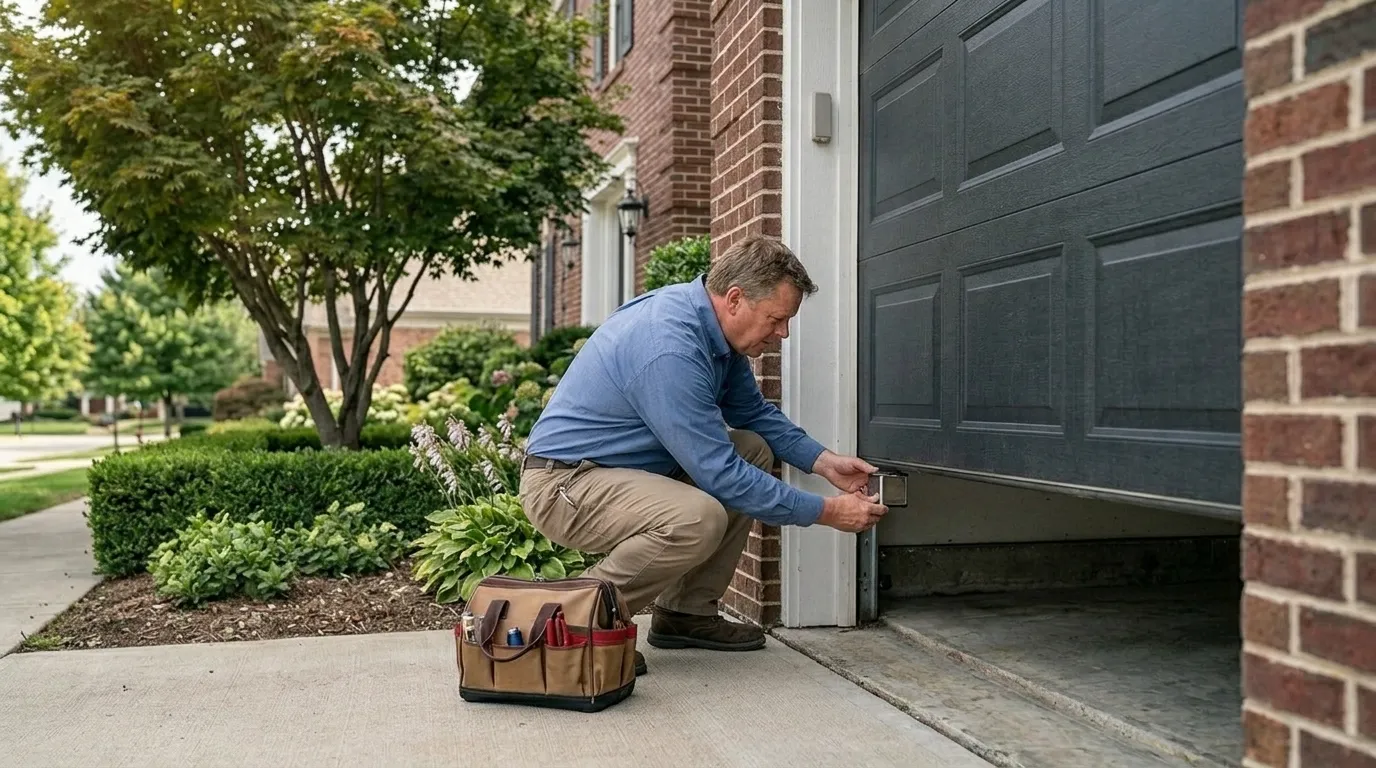
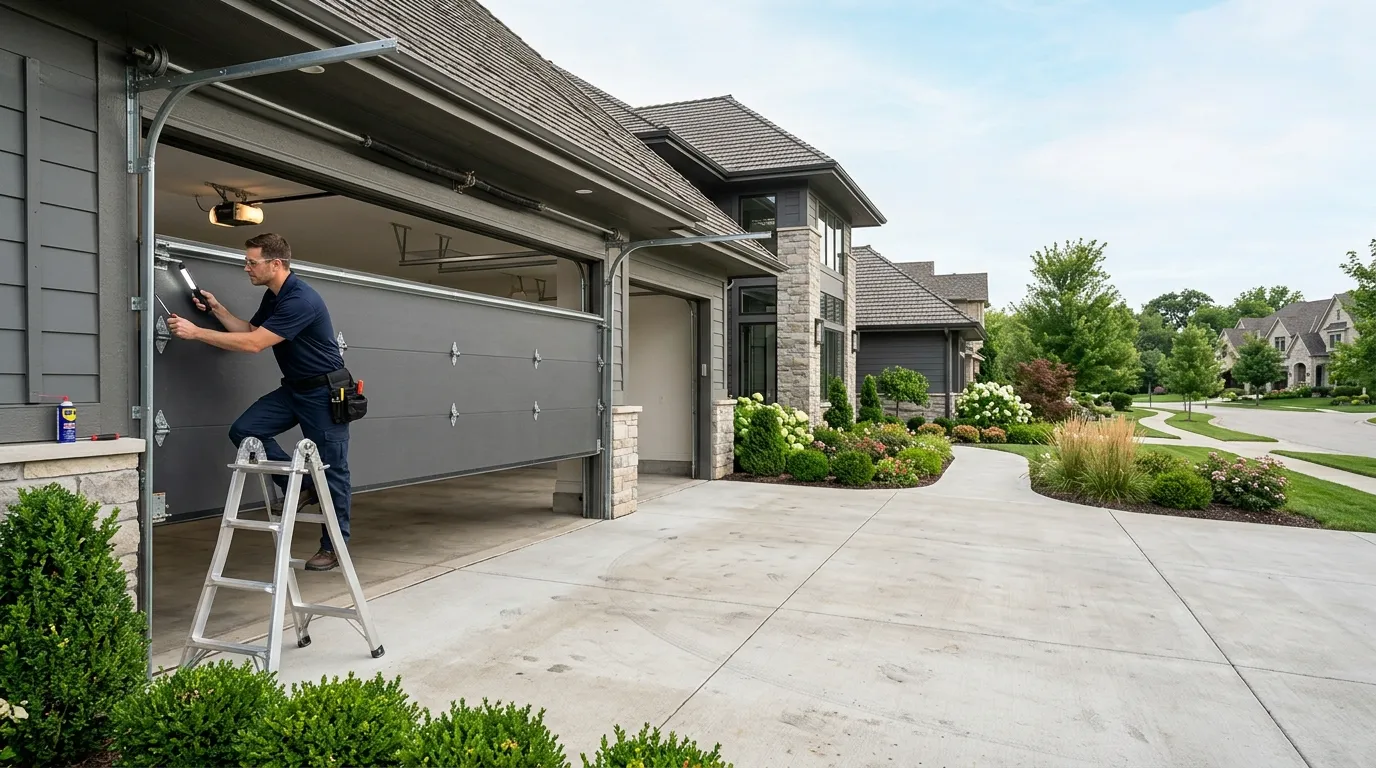
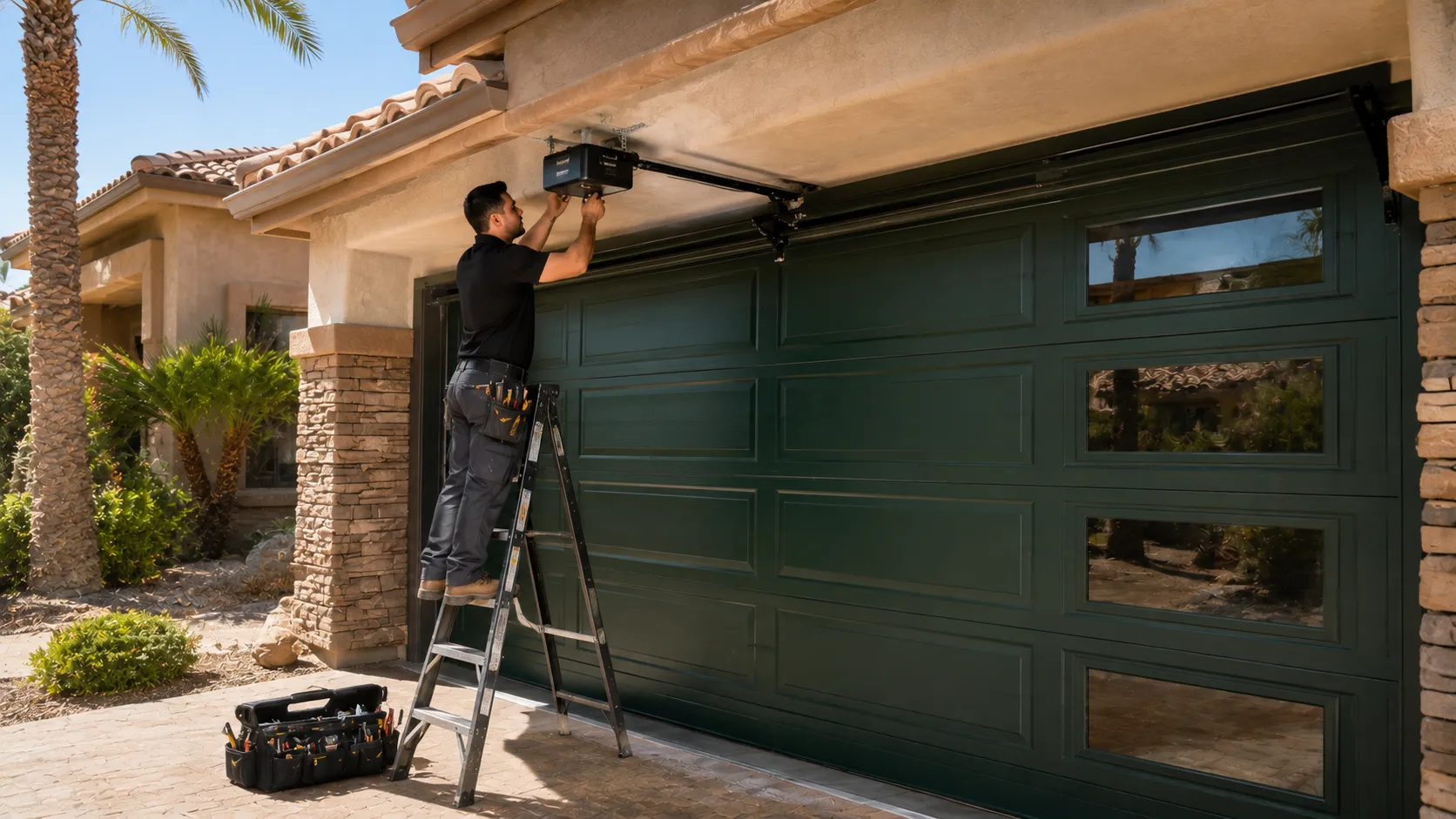
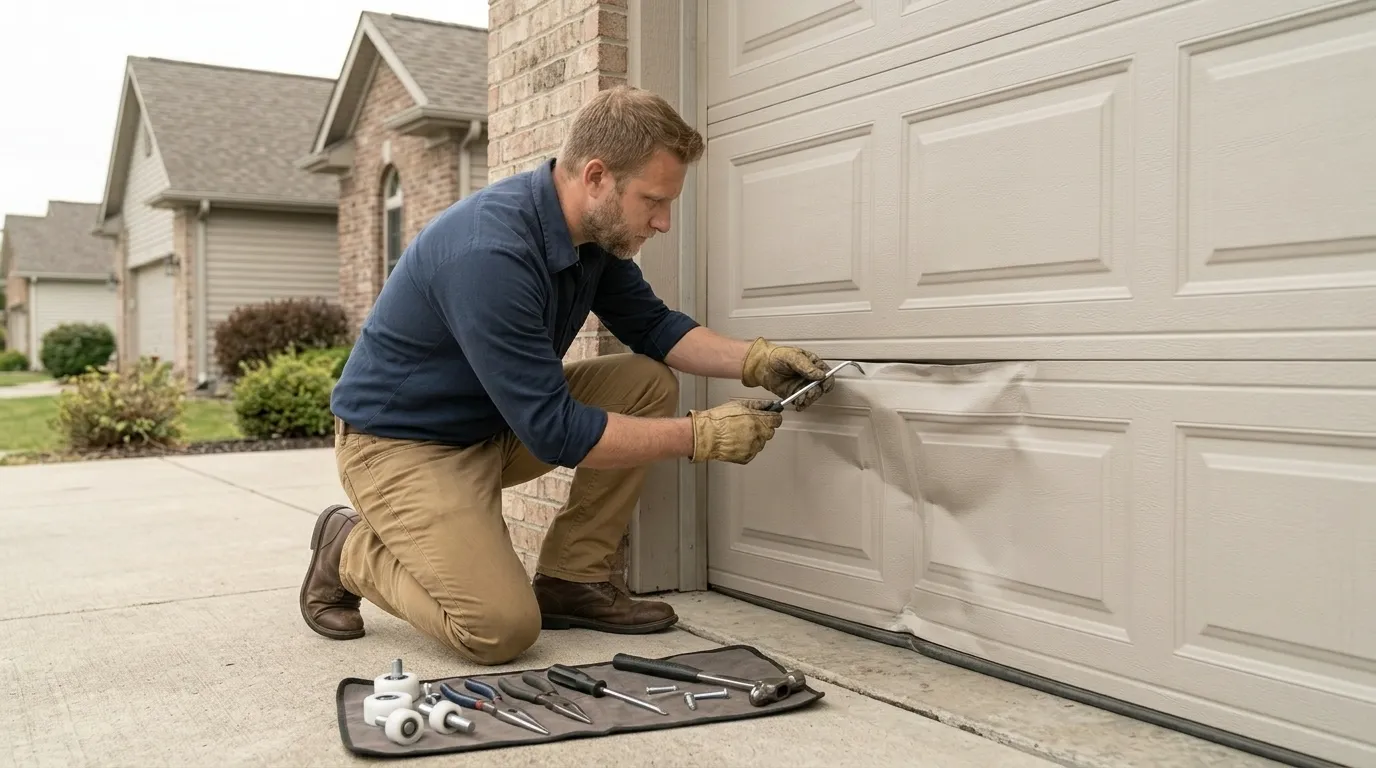
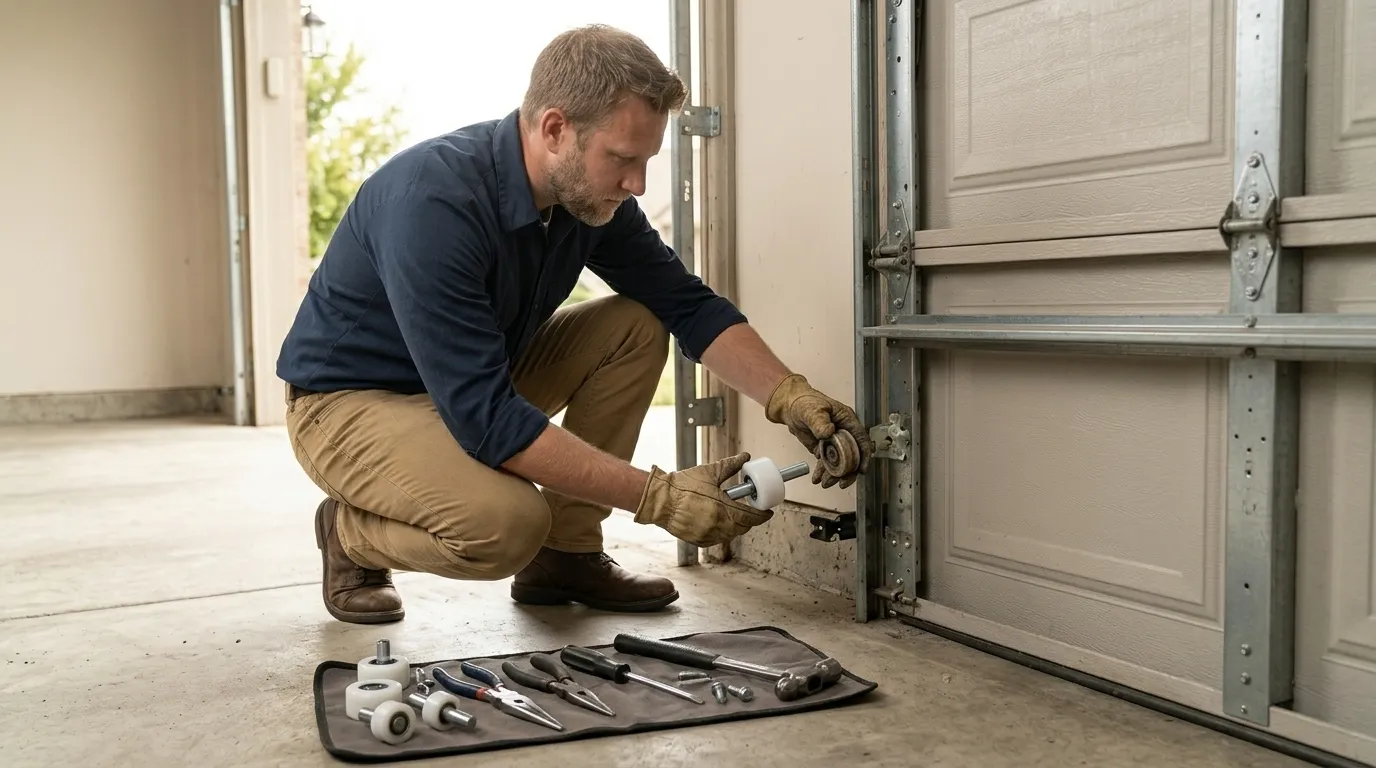
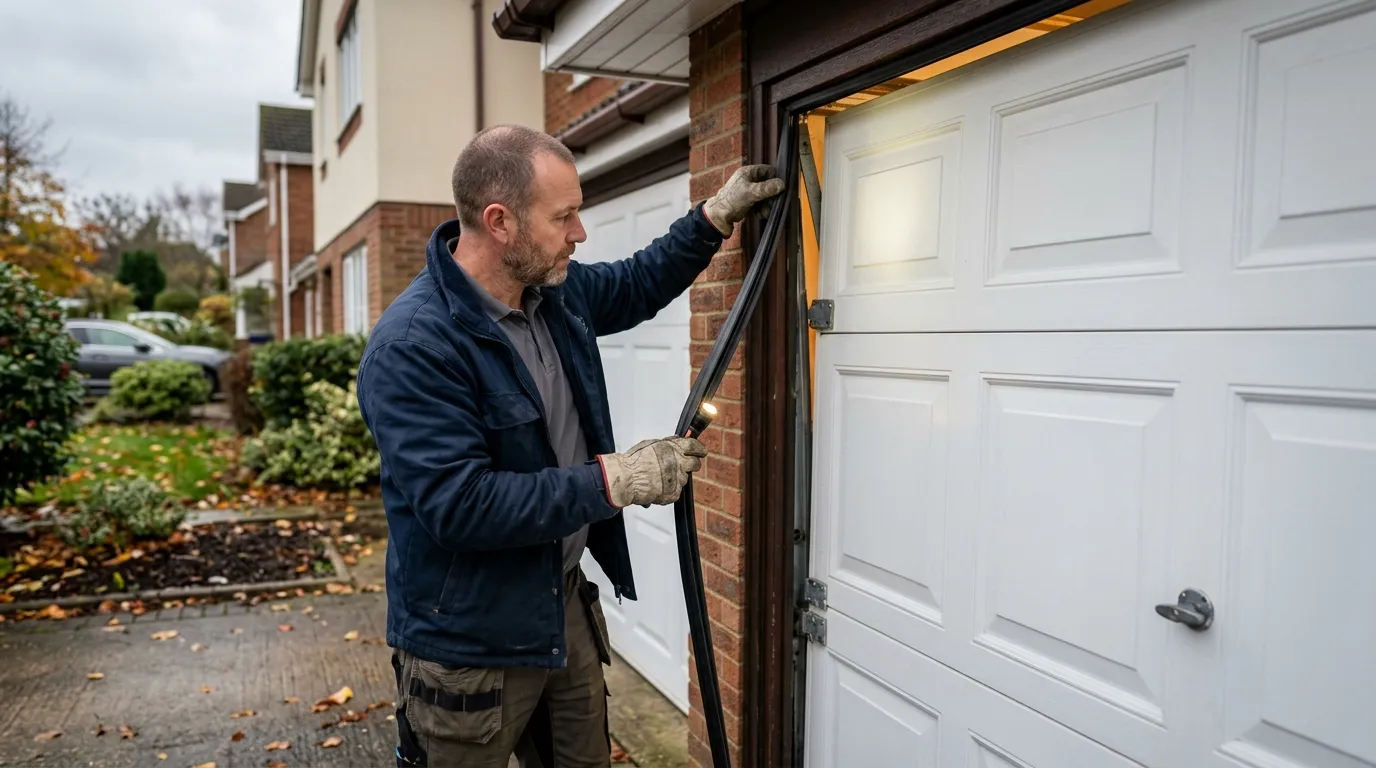
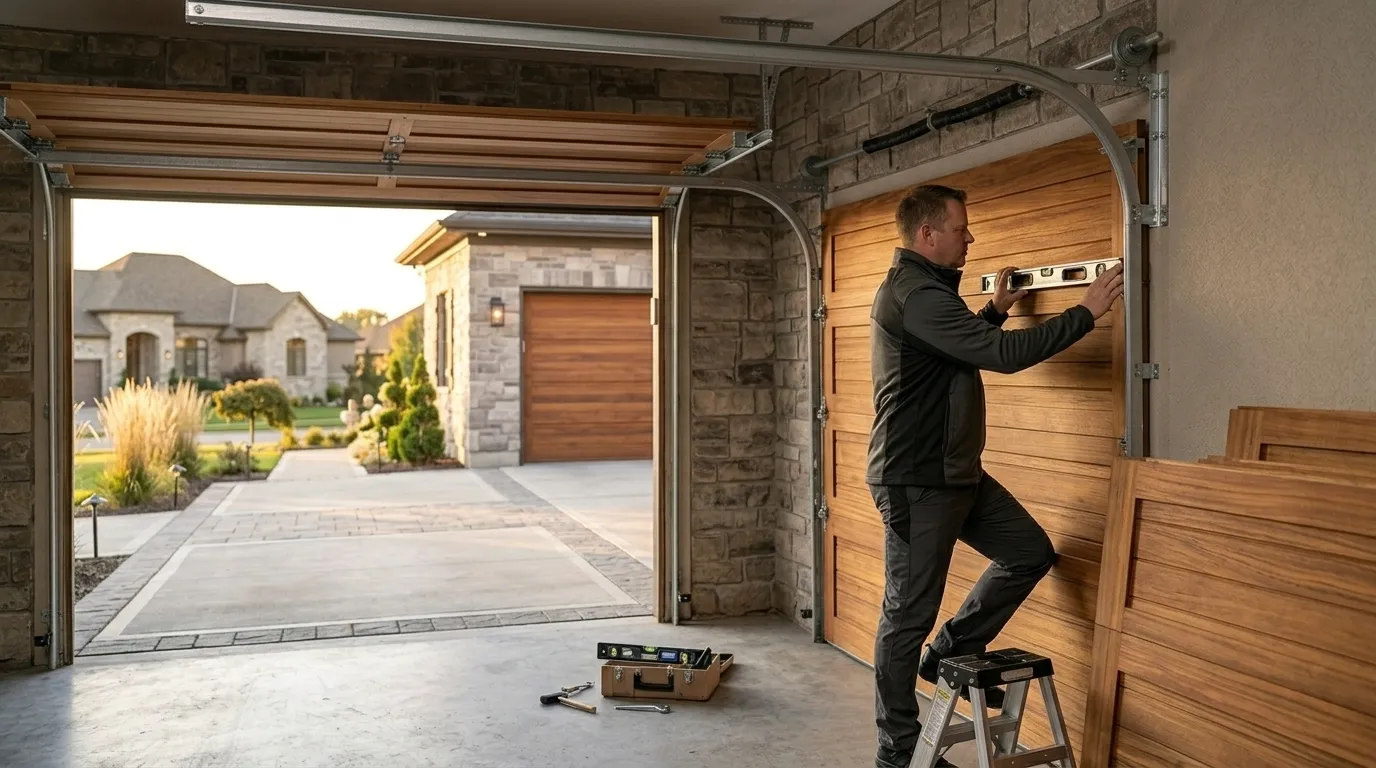
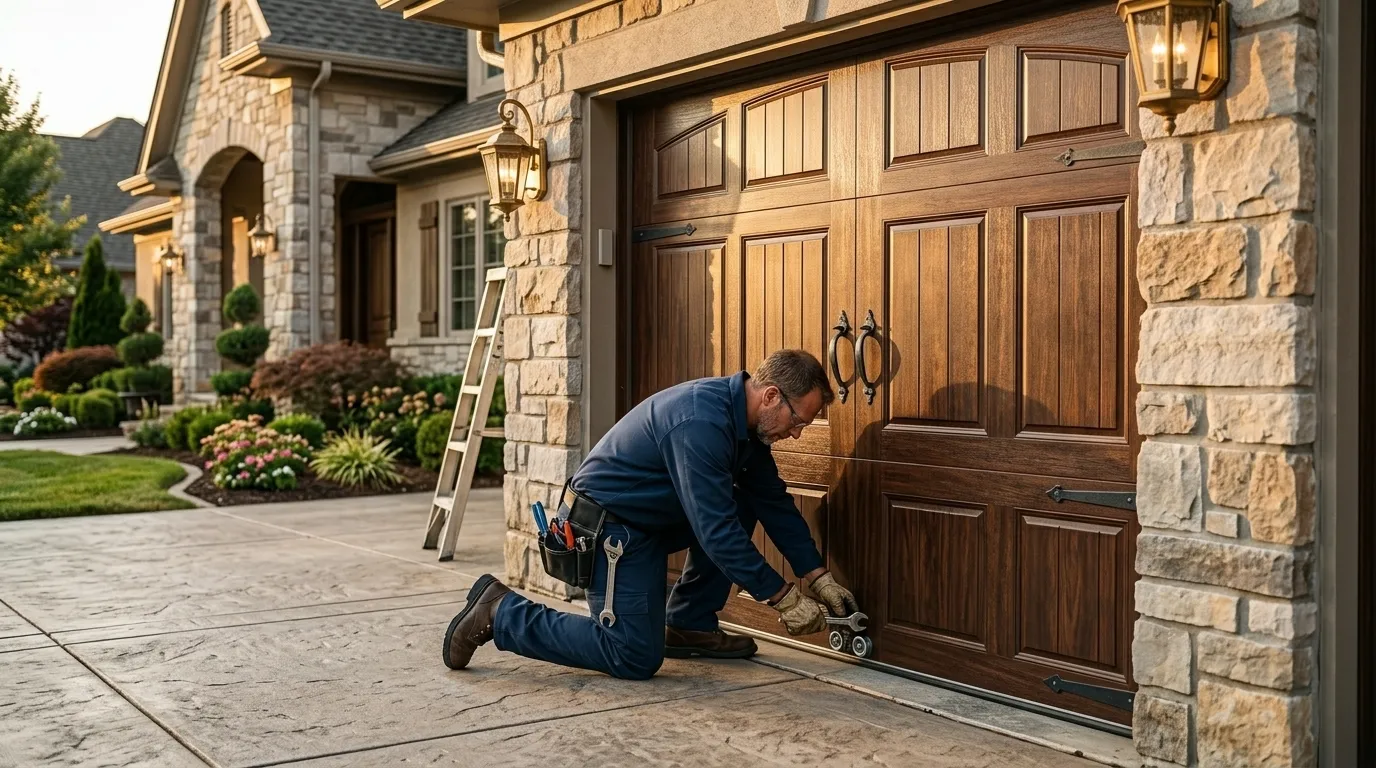
There's a real split here. Lubricating hinges and rollers, tightening loose bolts on the track brackets, replacing worn weatherstripping around the bottom panel - an owner can do all of that with basic tools and no risk. It's cheap maintenance and it buys the older hardware more years.
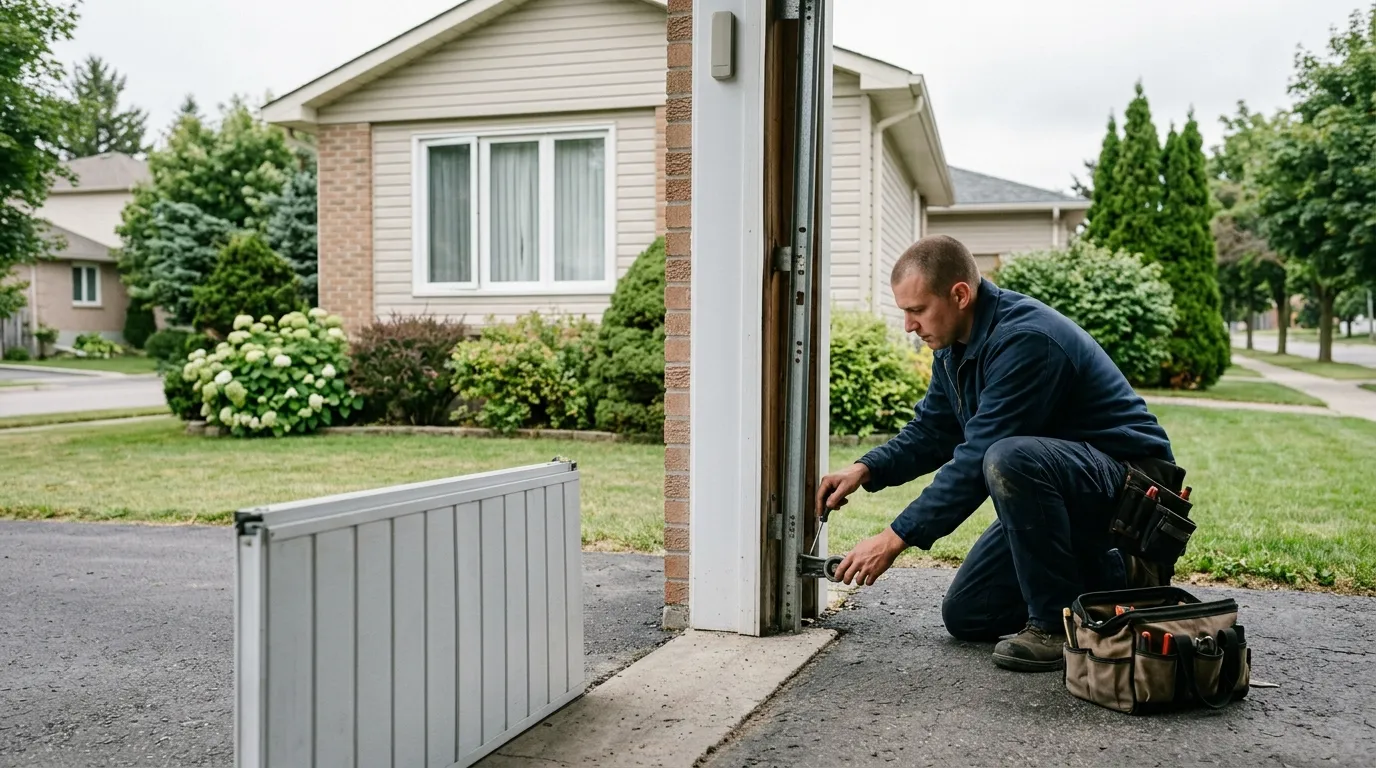
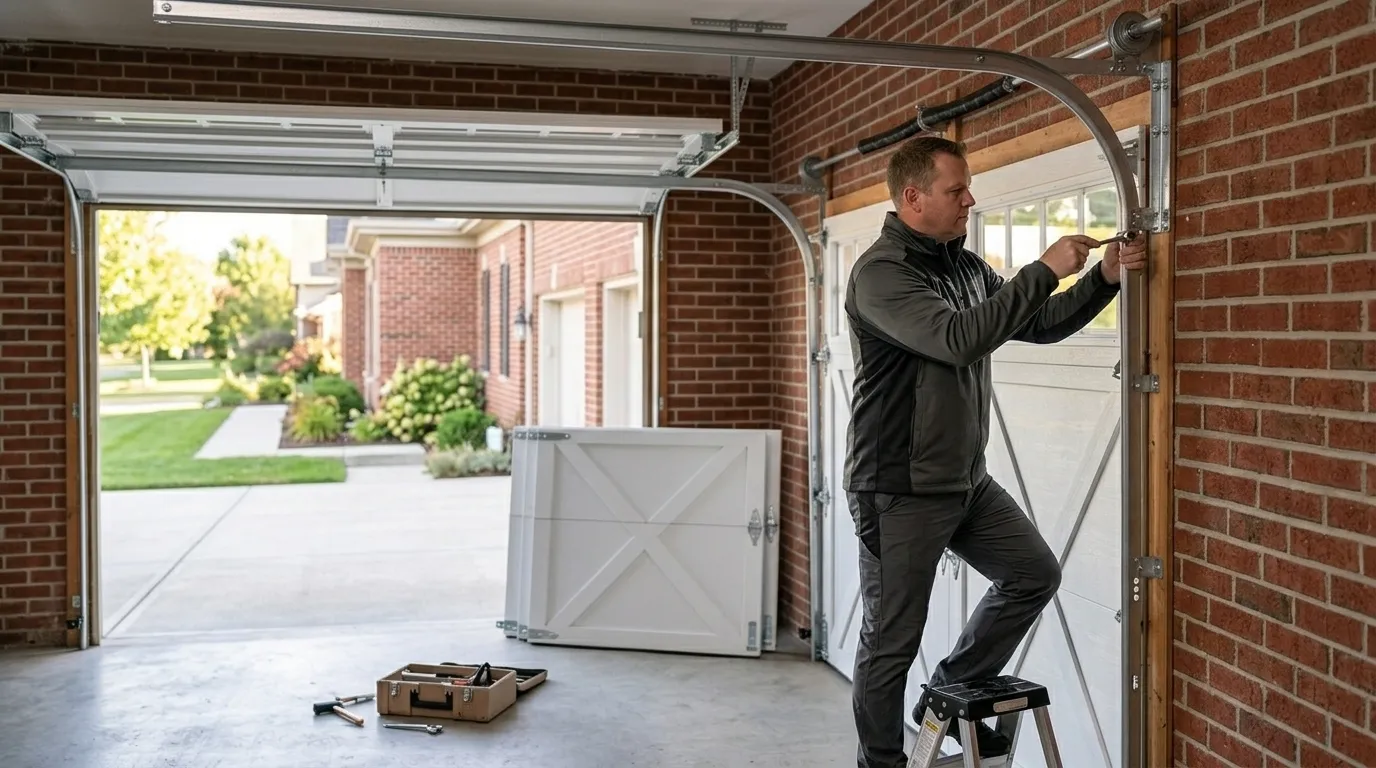
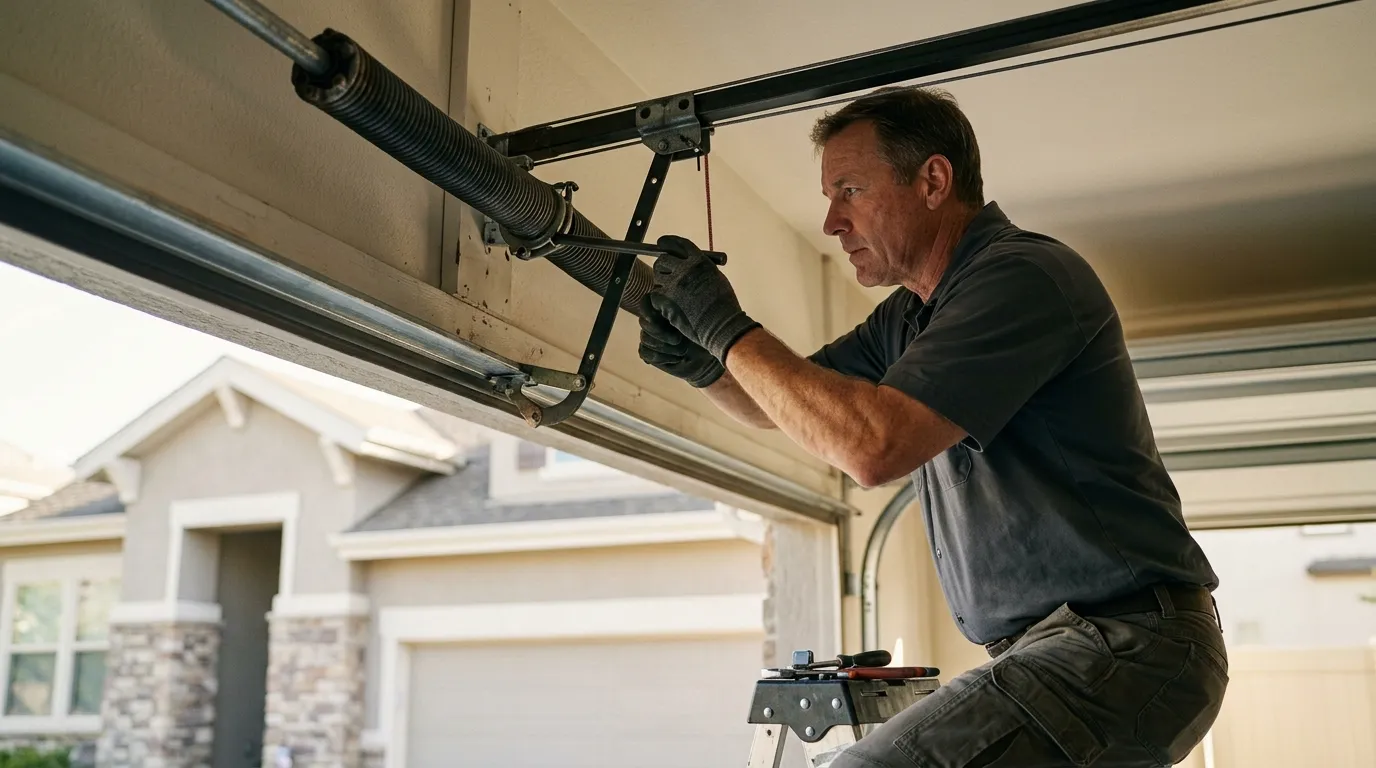
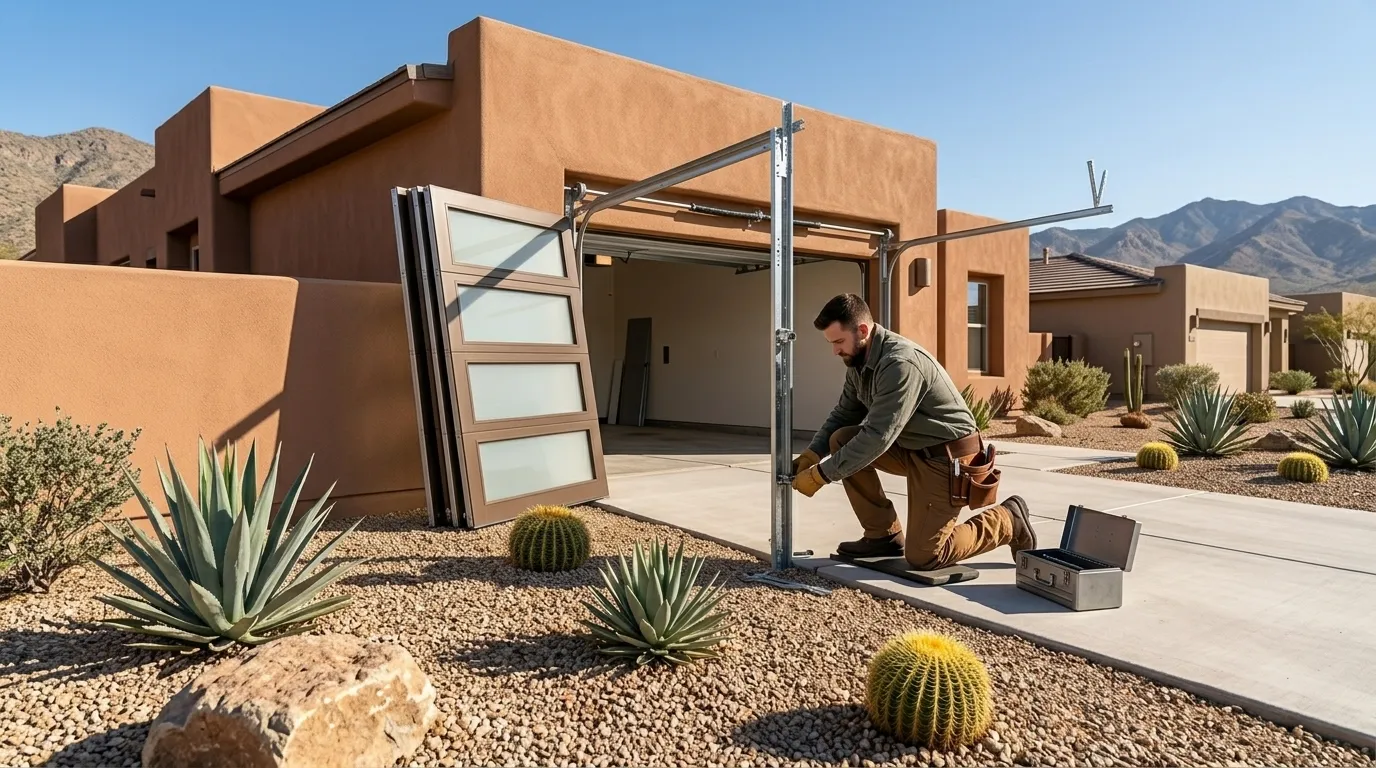
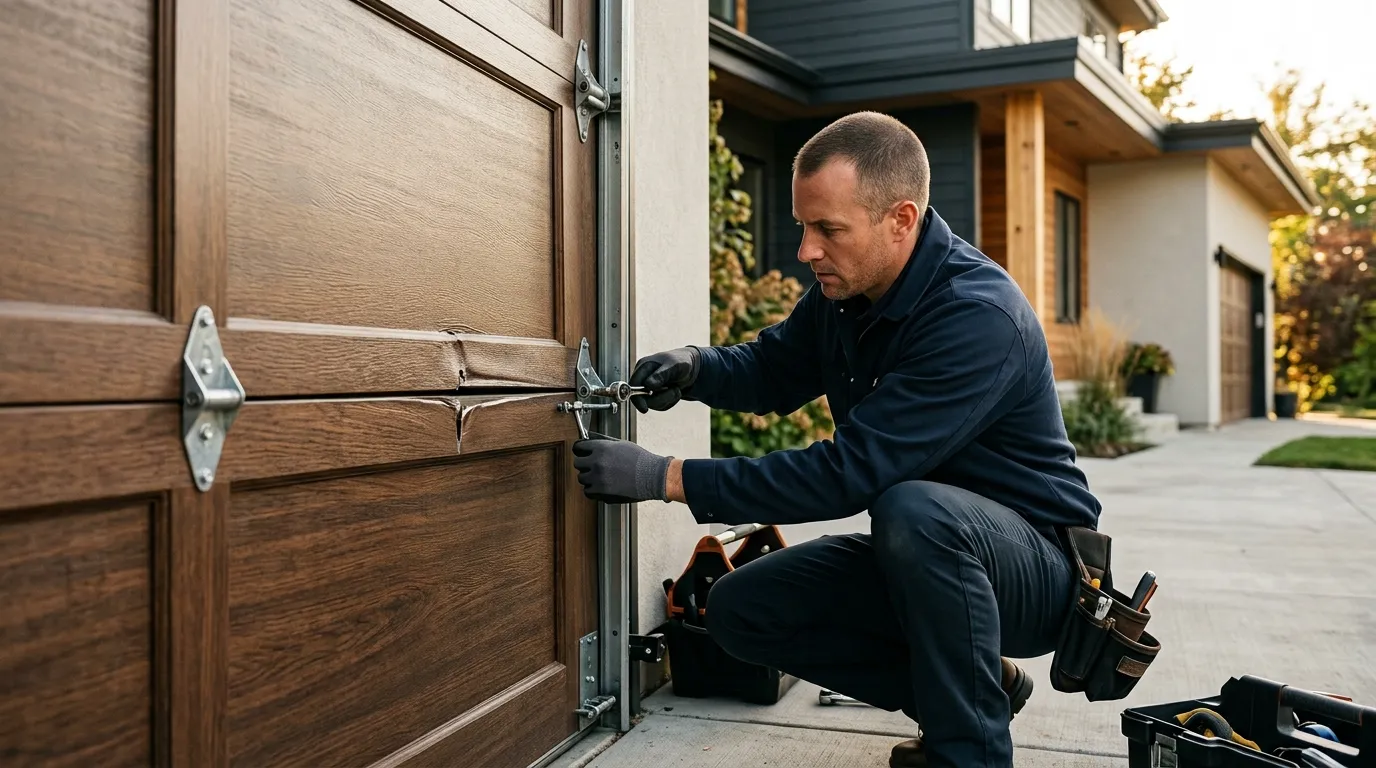
Torsion springs are a different matter. A spring under full tension holds enough stored energy to break a hand or worse, and a lot of the doors we see here still run original 1960s-style torsion drums that were never standardized the way newer hardware is. Guessing wrong on wind unwinding a spring is how people end up in the emergency room, not the garage.
Here's the honest limitation: not every original drum or track bracket from a 1960s build is something we can source off the shelf. Some of that hardware is long out of production, and matching it sometimes takes longer than the repair itself. If your door is from that era and a part is obsolete, replacing the assembly with modern hardware is usually the straighter path than chasing an exact match. We'll tell you which situation you're in before any work starts, not after.
Why It Happens Here
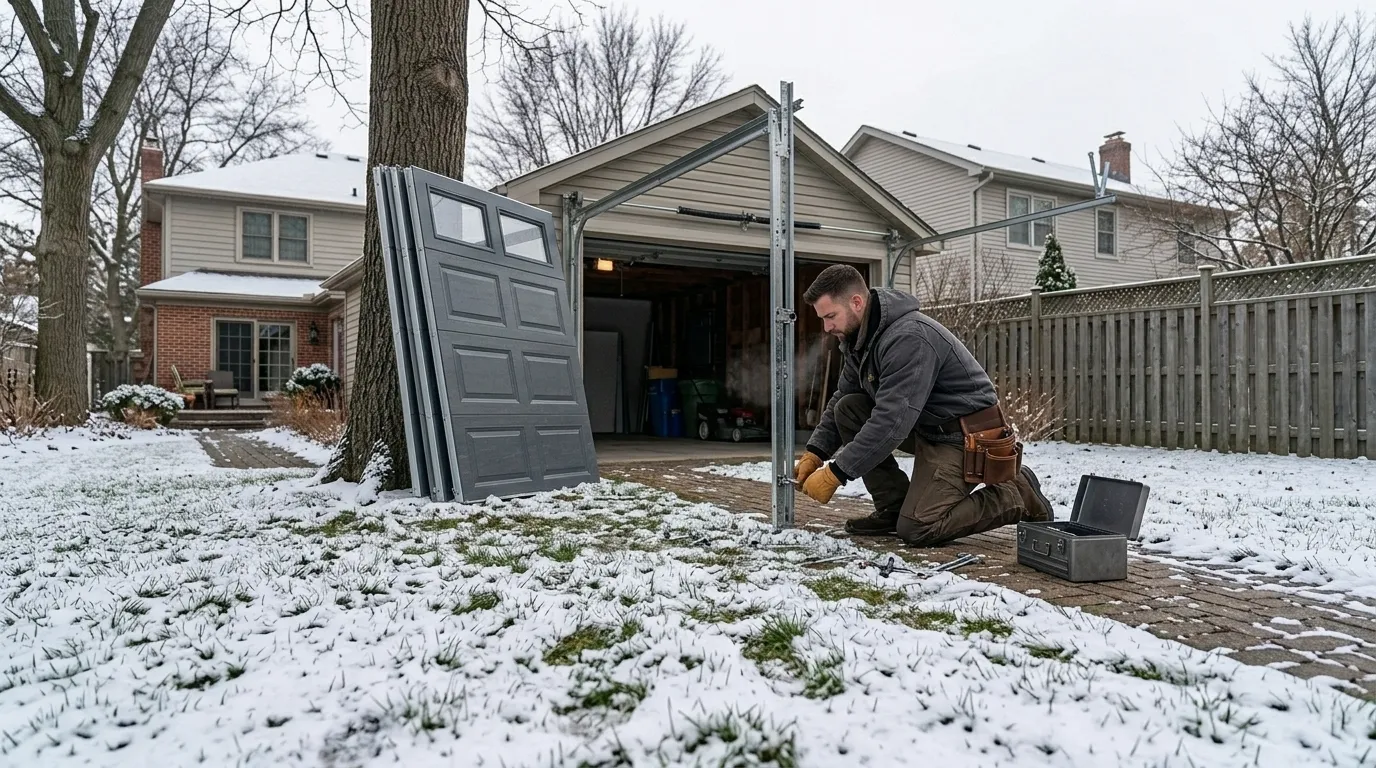
Youngstown sits in a climate band the federal data flags as cold and severe, and that matters more to a garage door than most owners realize. Steel torsion springs contract in cold weather, and a spring that's already fatigued from decades of daily cycling is far more likely to snap on a sub-freezing morning than in July. Freeze-thaw cycling also works on the track brackets and lag screws, loosening what was tight the summer before.
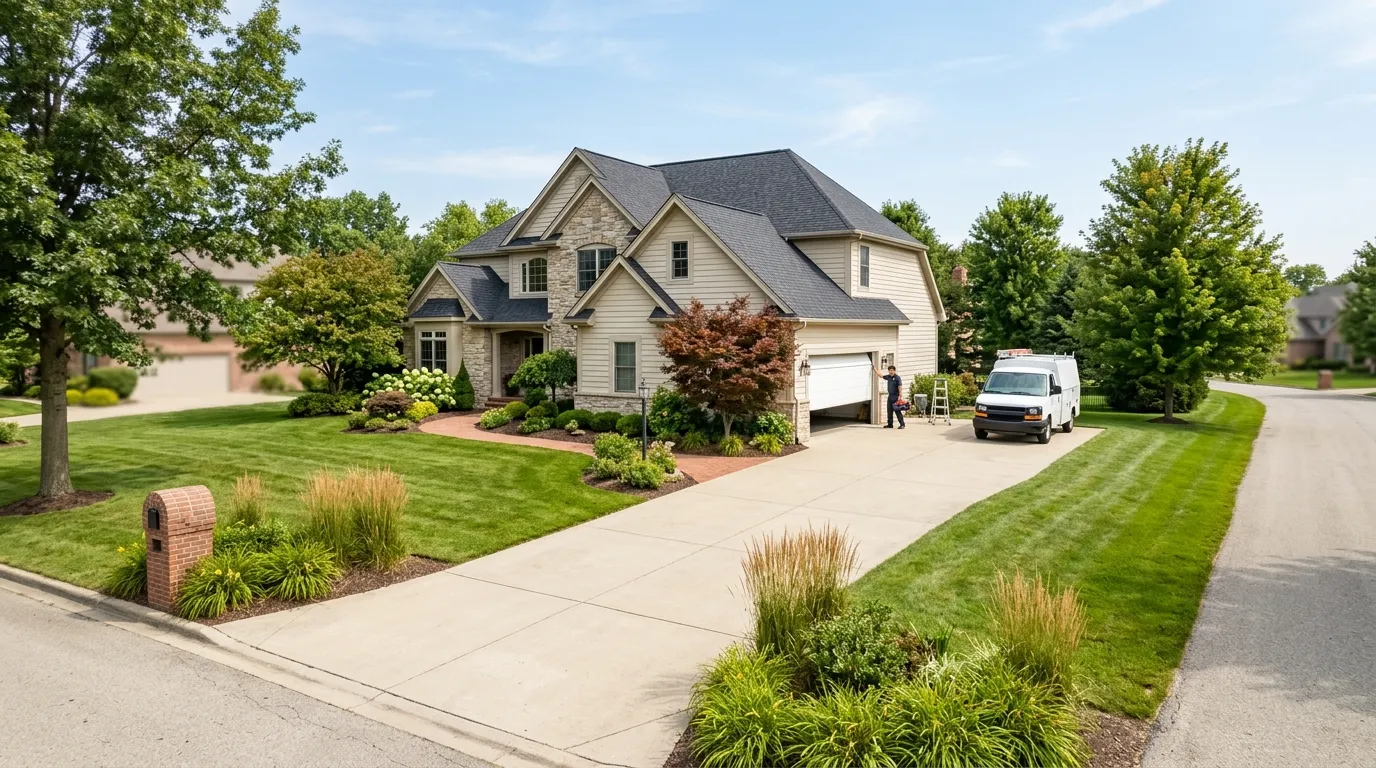
Layer that onto the housing stock itself. With a median build year of 1964 and most of the 28 communities in this service area dominated by 1960s and 70s construction, a huge share of the doors we get called to are original or close to it. A door installed when Kennedy was president wasn't built with today's insulation or steel gauge, and it flexes more in cold, which stresses cables and rollers that a newer door wouldn't strain.
Across a service area with 73,784 households and 41,076 owner-occupied houses, that adds up to a lot of aging hardware hitting the end of its service life around the same time. It's not bad luck when three neighbors call in the same month - it's the same building era meeting the same winter.