Garage Door Repair for Leavittsburg's Older Housing Stock
Leavittsburg homes mostly date to 1944, older than the area's 1964 median. We travel 16 miles from Youngstown to fix the springs, tracks and openers that era needs.
Leavittsburg's houses run older than most of what we see across the wider service area. The typical home here dates to around 1944, a good two decades ahead of the 1964 median for the region as a whole, which itself spans construction from 1938 through 2000 across 28 named communities. With only about 509 households in the area, this is a small, tight pocket of mostly older construction rather than a mix of new subdivisions and old farmhouses.
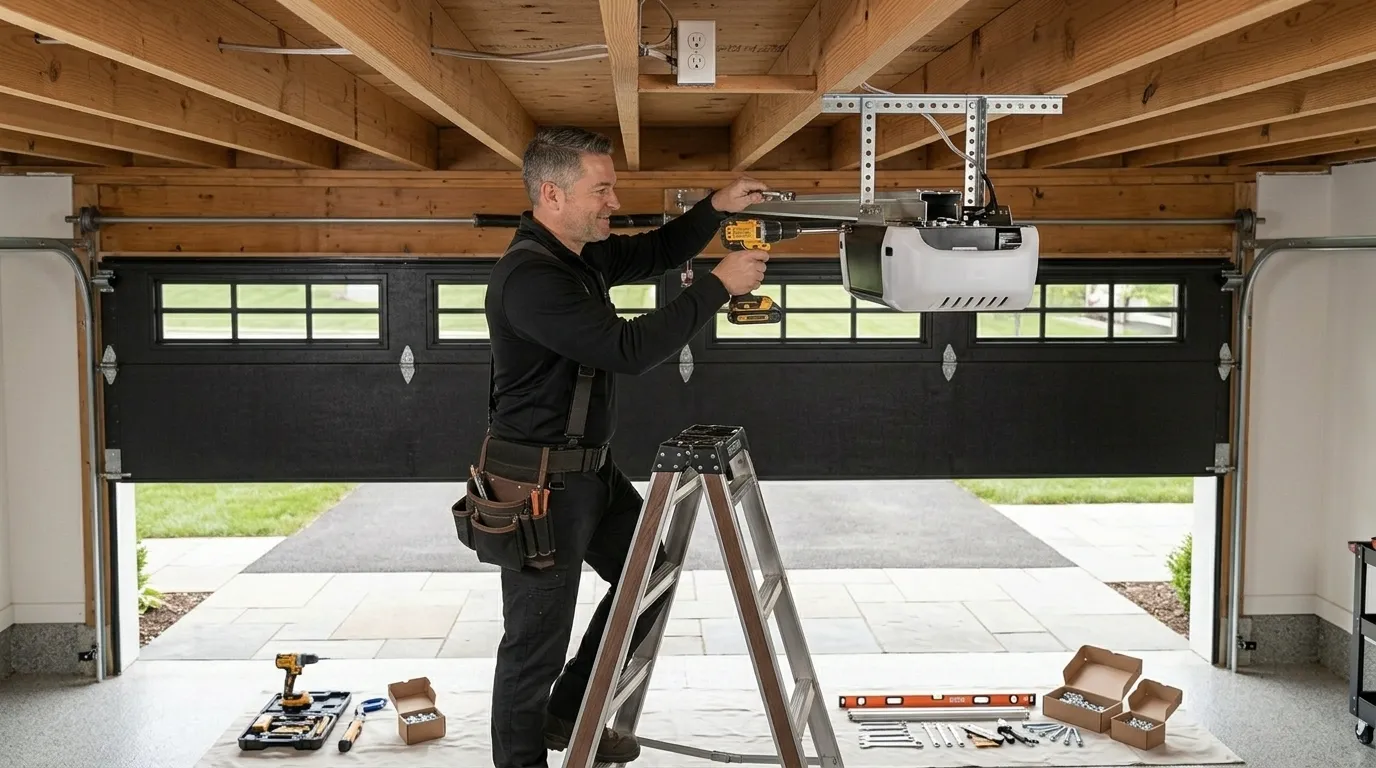
A garage built in the mid-1940s wasn't usually built with a garage door opener in mind at all - many of these bays got converted or retrofitted decades after the house went up, sometimes more than once. That history matters because it means the hardware behind the door often doesn't match the door itself, and neither may match what a big-box store sells today.
Median household income here sits at $60,598, the same figure as the broader area, which tells us Leavittsburg isn't an outlier economically - just an outlier in age. That combination, older homes on typical area incomes, usually means people want a repair that actually holds rather than the cheapest possible patch.
What That Means for Doors
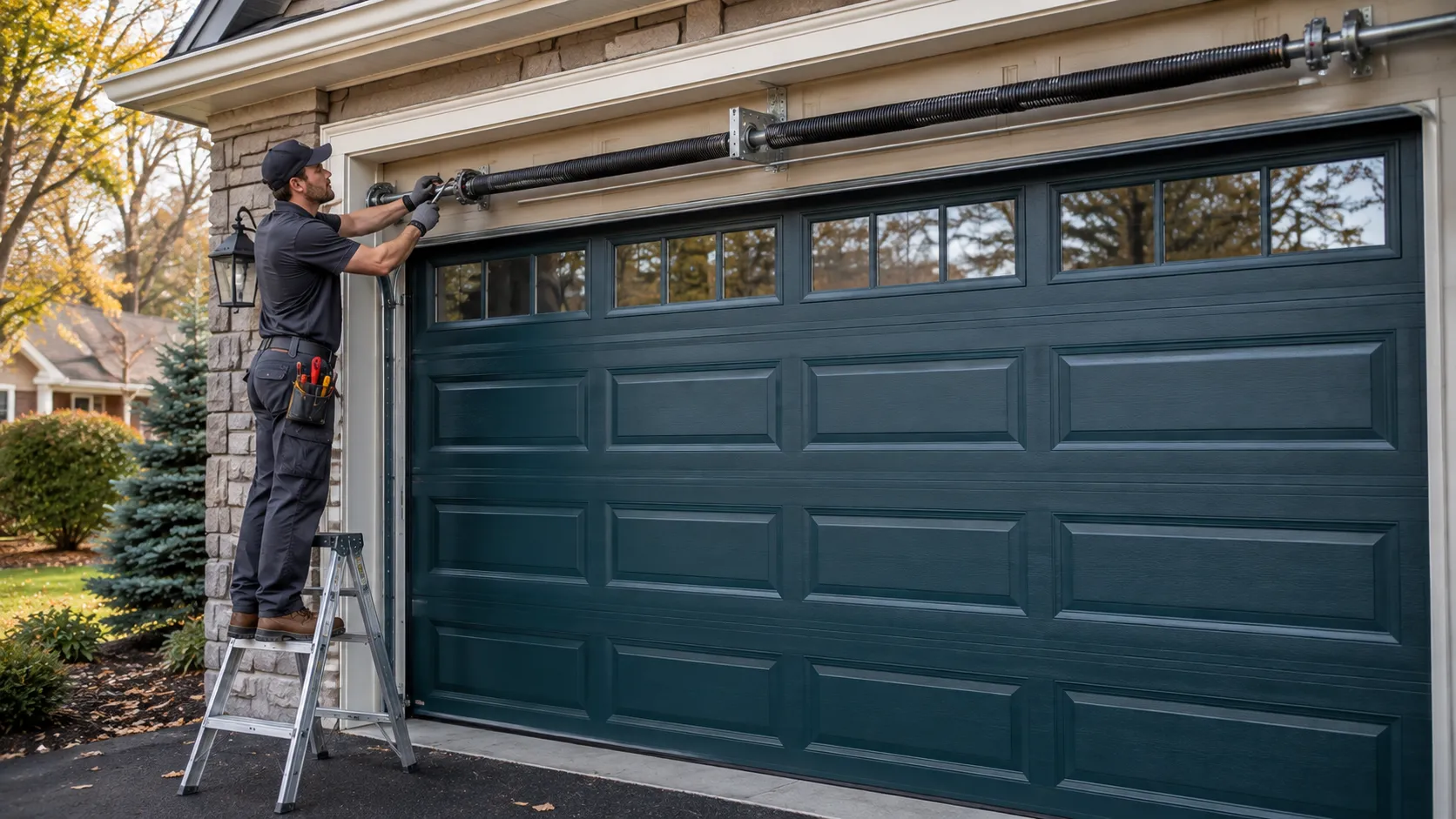
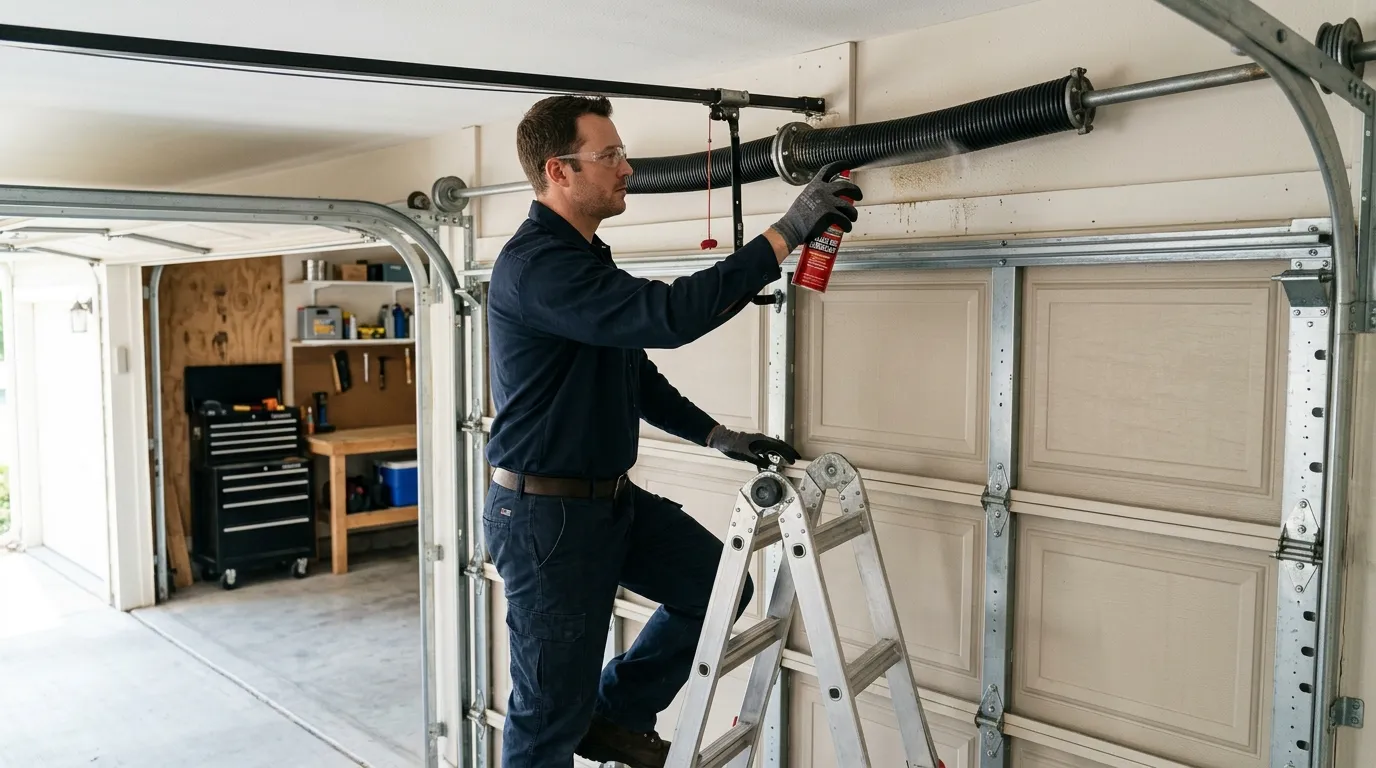
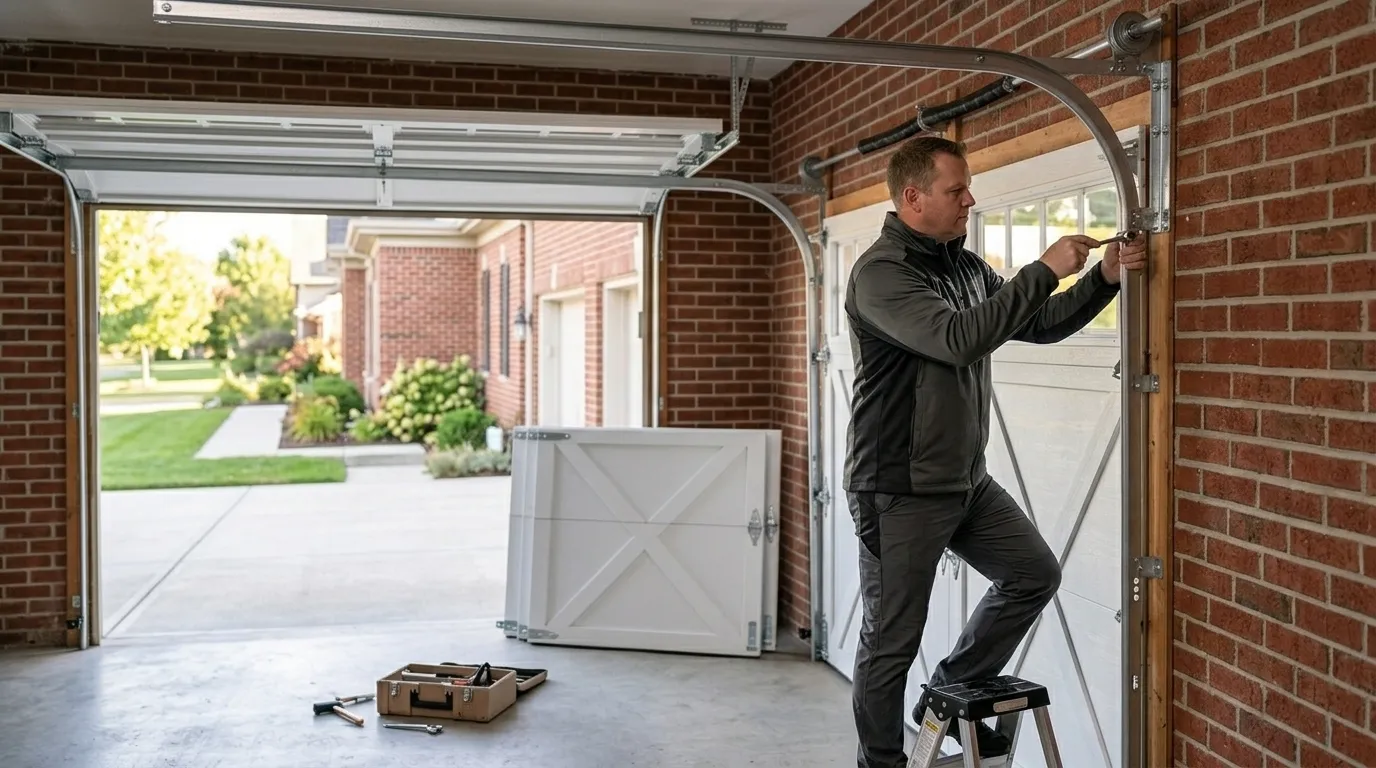
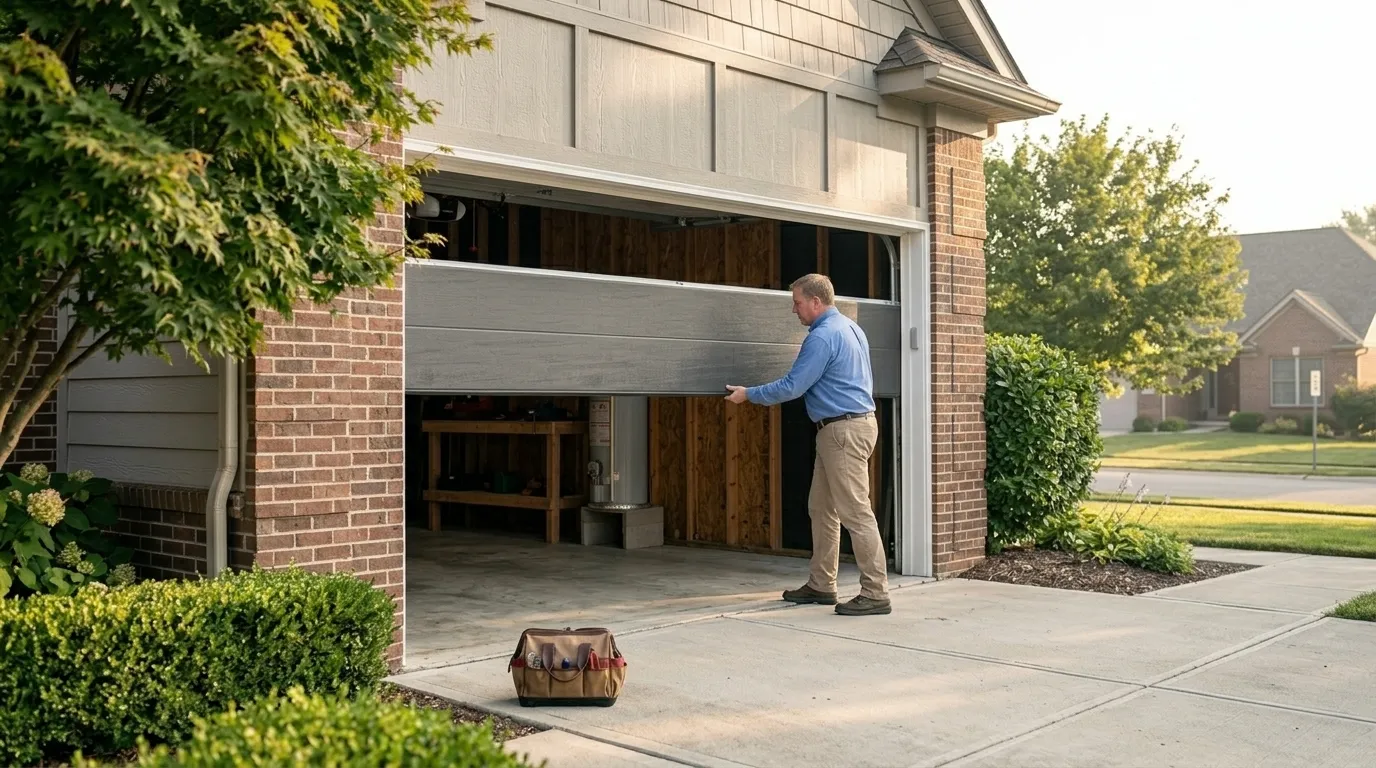
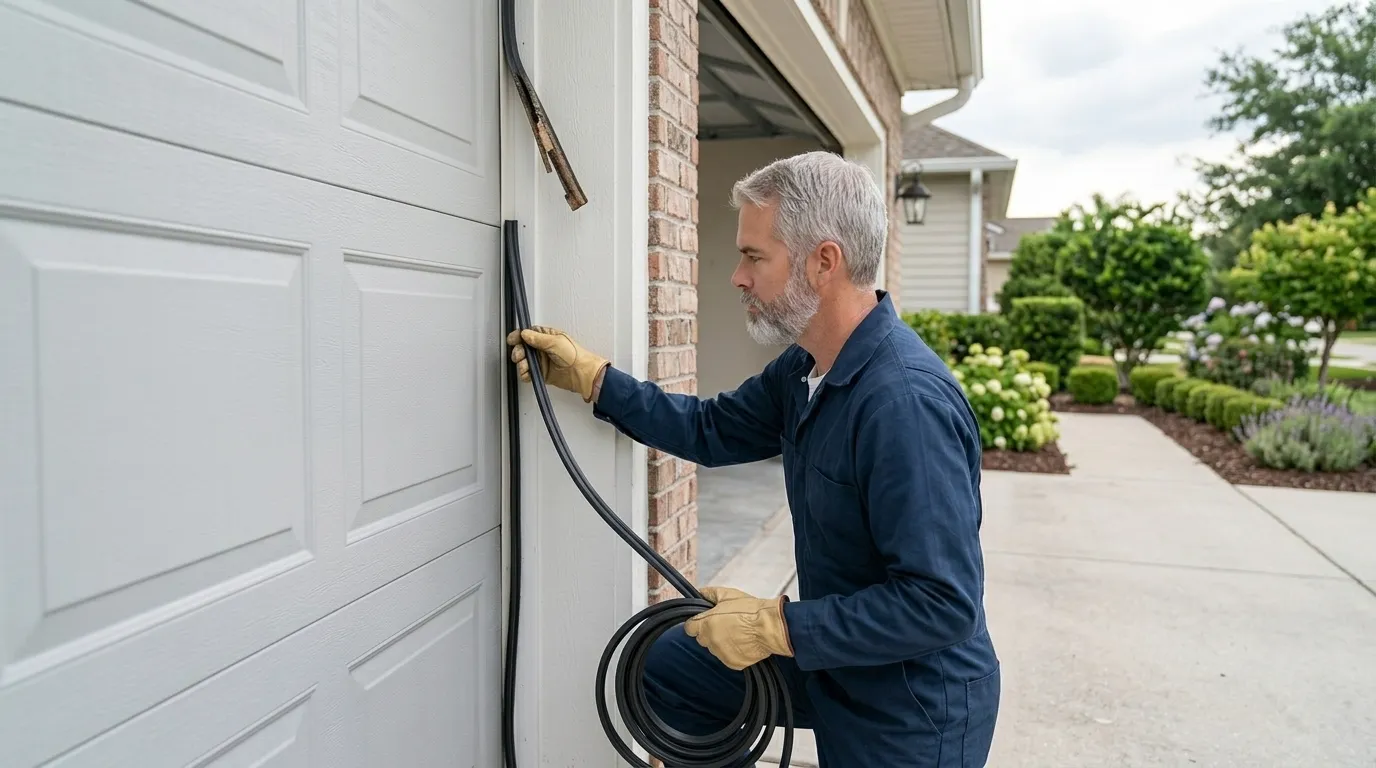
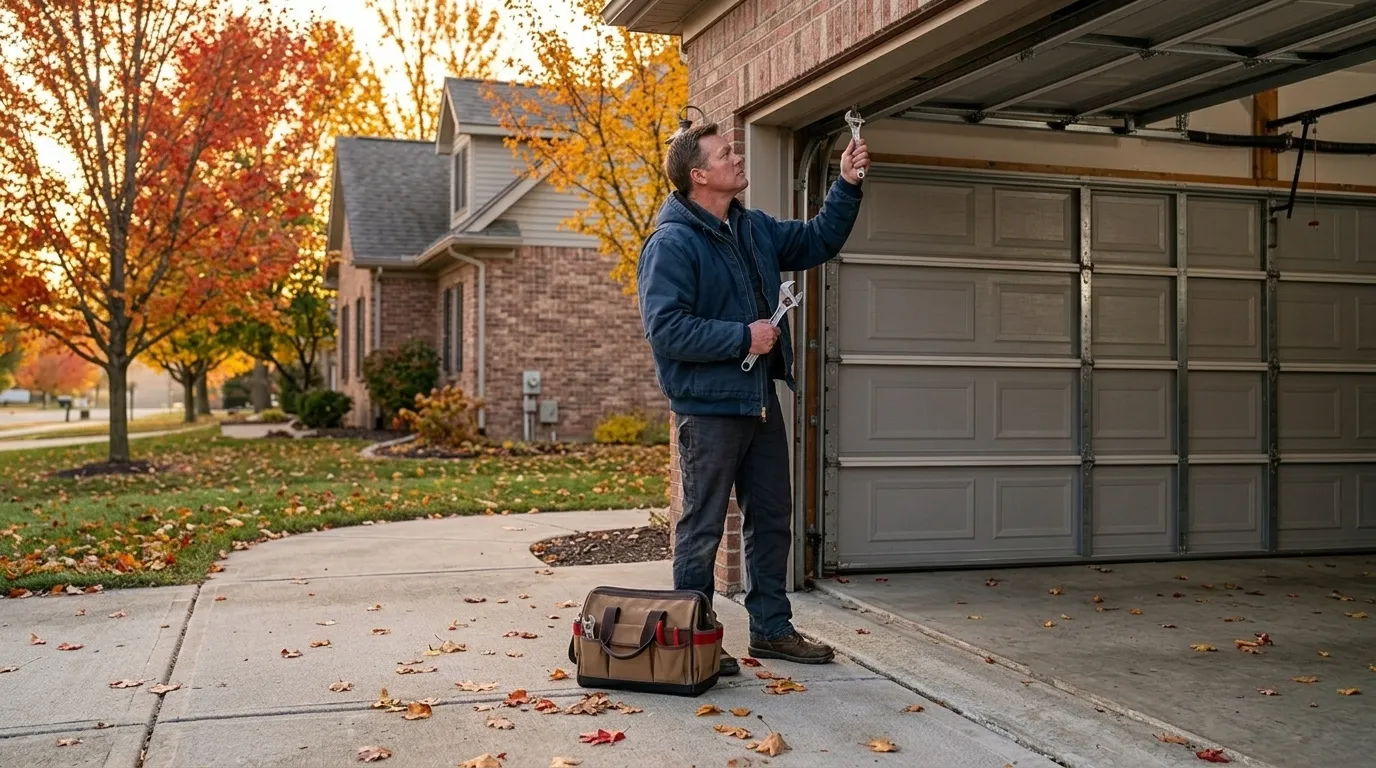
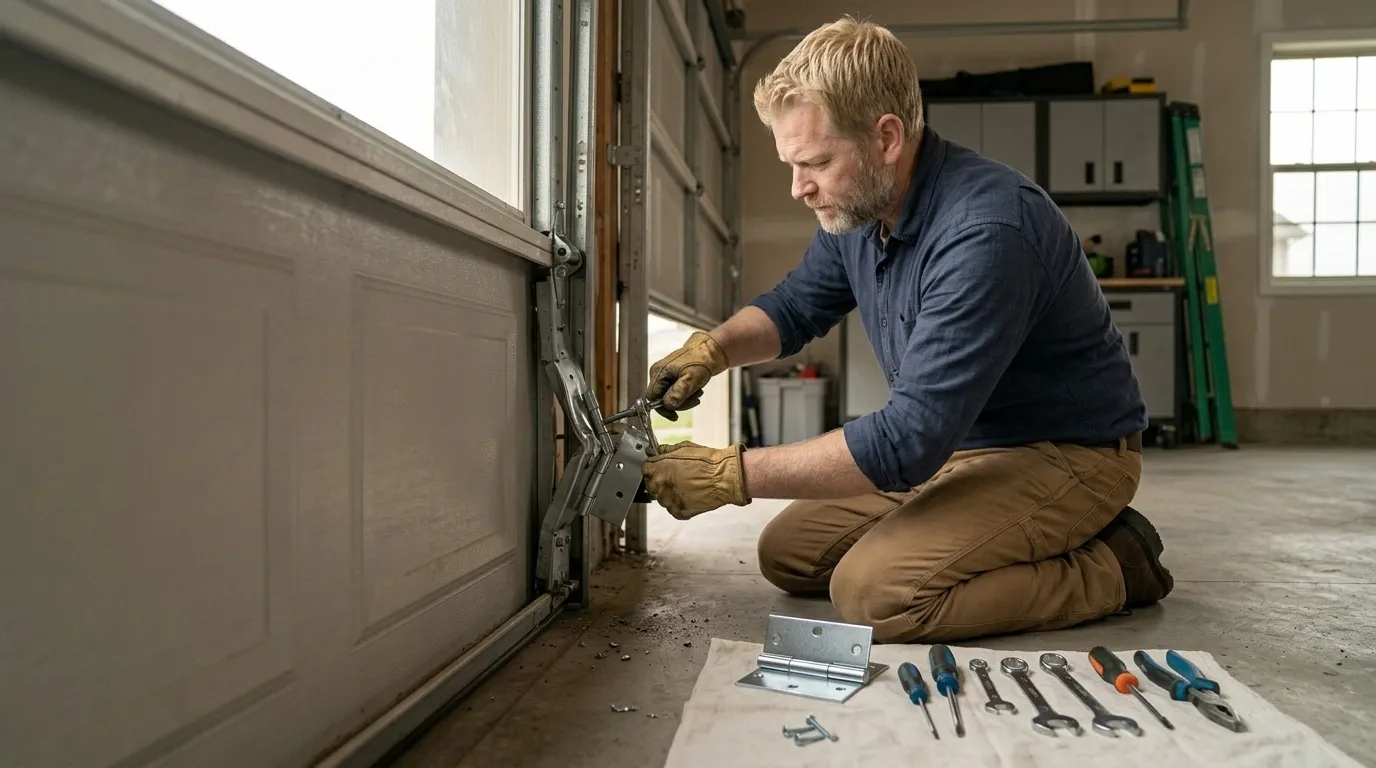
Doors and track hardware installed on 1940s-era garages have usually been replaced at least once by now, but the framing and header behind them often hasn't changed. That means retrofit openers mounted on headers that were never sized for the load, and torsion springs sized for a door that isn't the one currently hanging there.
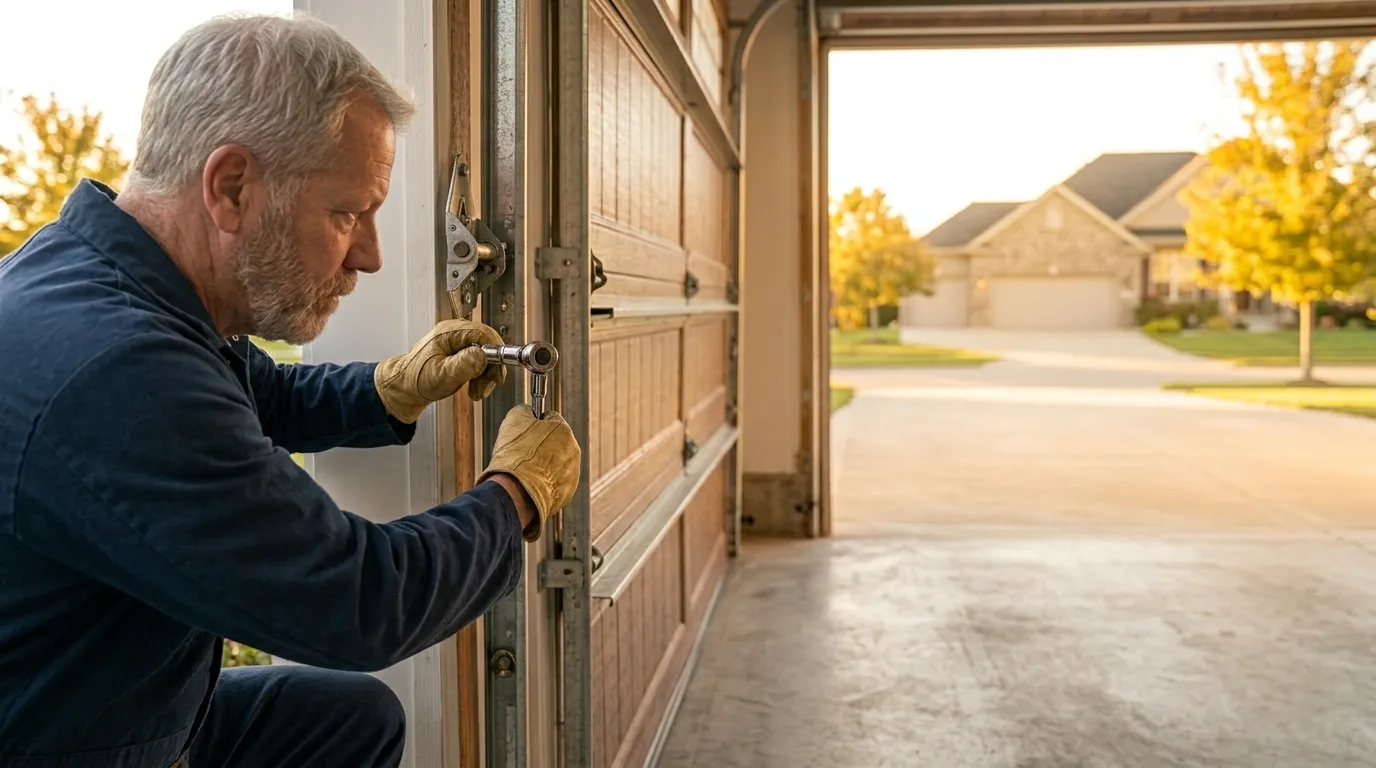
We also see a lot of side-mounted or extension-spring setups that got partially converted to torsion systems over the years - half old, half new, and neither half quite right. On a home from 1944, the original opening was framed for a single narrow door, and many of these have since been widened or had a second bay added, which changes header support in ways that show up later as a track that binds or a door that racks.
The severe cold winters this region gets add another layer: metal contracts, lubricant thickens, and worn rollers on old track seize up faster on the first hard freeze of the season than they would in a milder climate. On a house this old, that's often the first real sign anything was wrong at all.
When We Can Get There
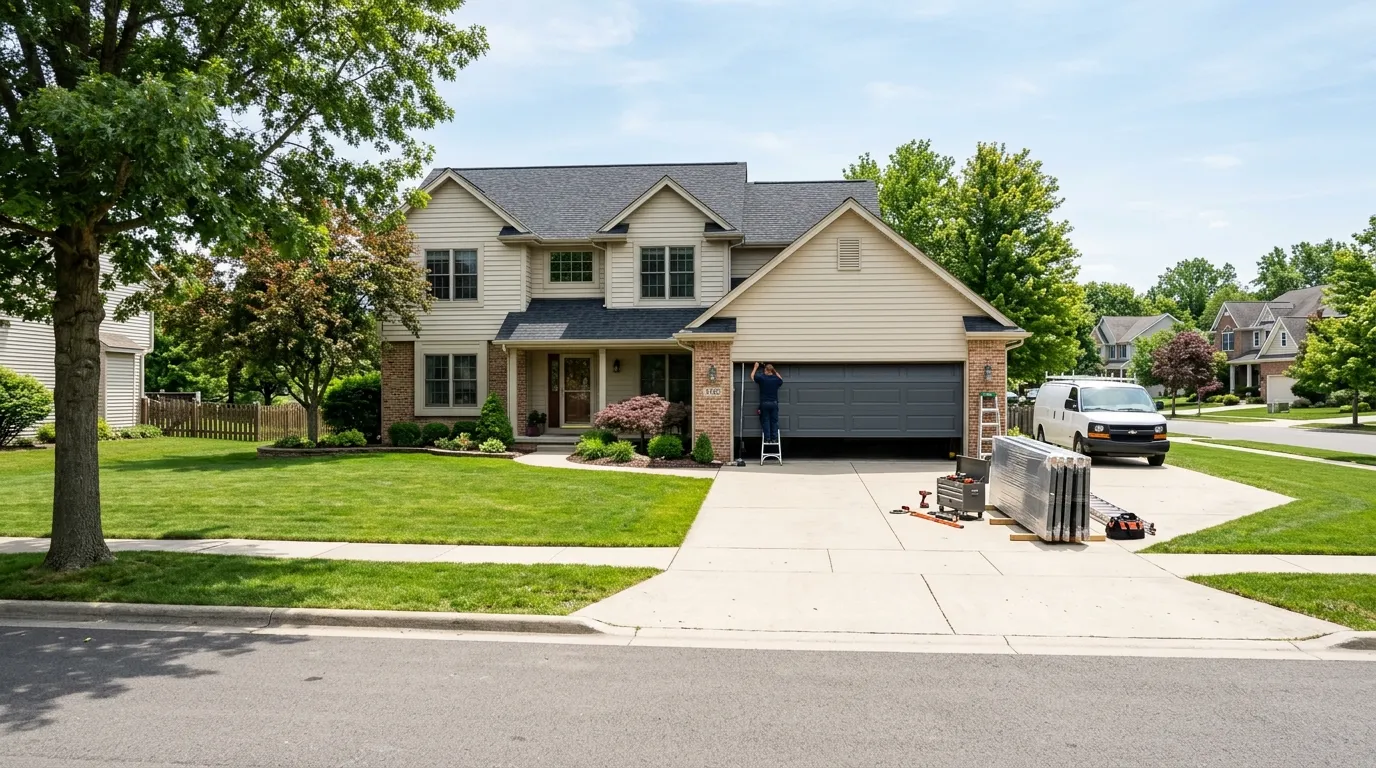
We run out of Youngstown, and Leavittsburg is about 16 miles out - not a quick five-minute hop across town, so we schedule it as a proper stop on the route rather than an add-on. We don't keep a depot or staff stationed in Leavittsburg, and we won't pretend otherwise; every job here means a truck making the drive from Youngstown.
That distance is worth knowing before you call, especially for anything that isn't a full lockout. If your door is stuck open with the car trapped inside, tell us that up front so we can plan the trip accordingly. For routine repairs - a broken spring, a bent track, a dead opener - we work it into the day's run rather than treating it as an emergency dash, which keeps the job priced fairly instead of padding it with rush charges you didn't need.
The Calls We Get From Here
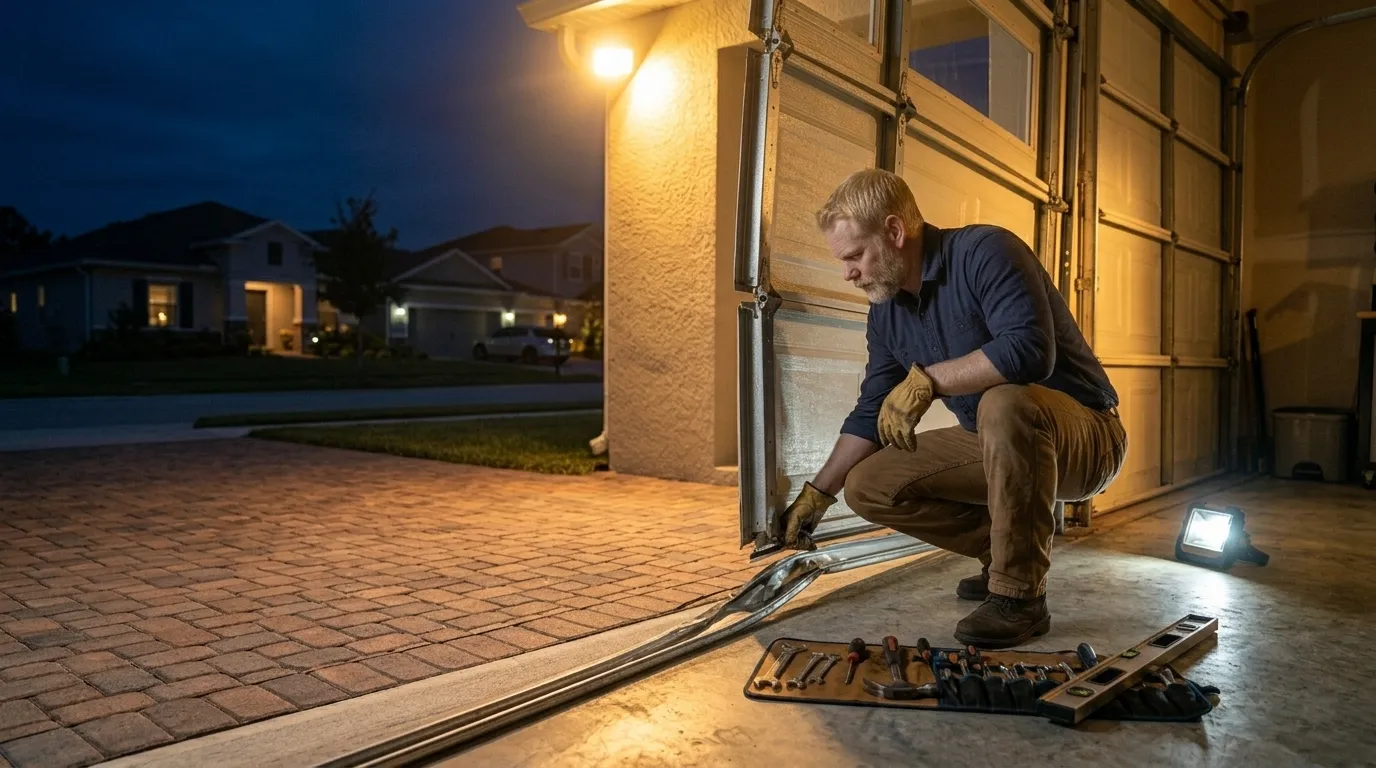
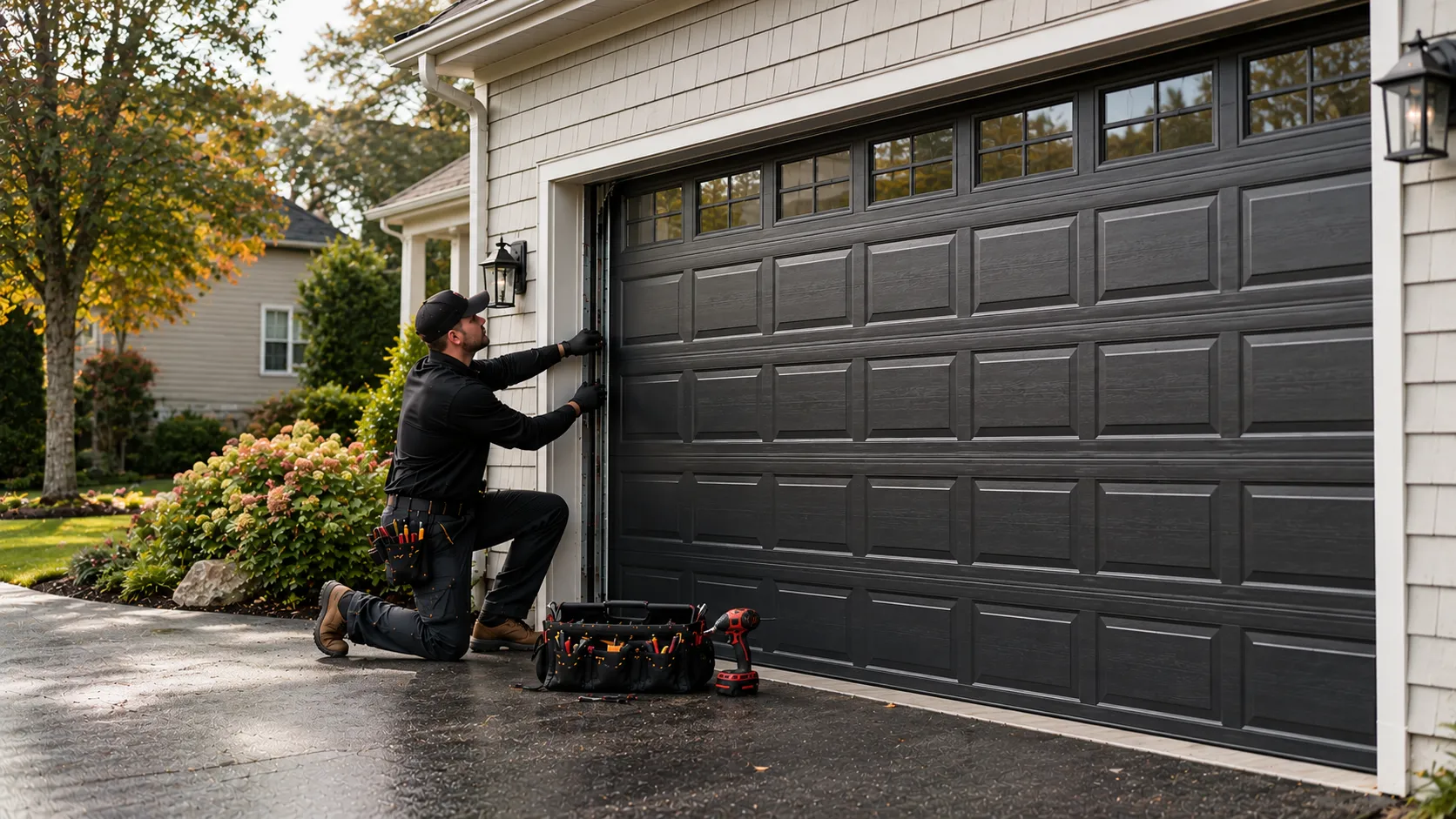
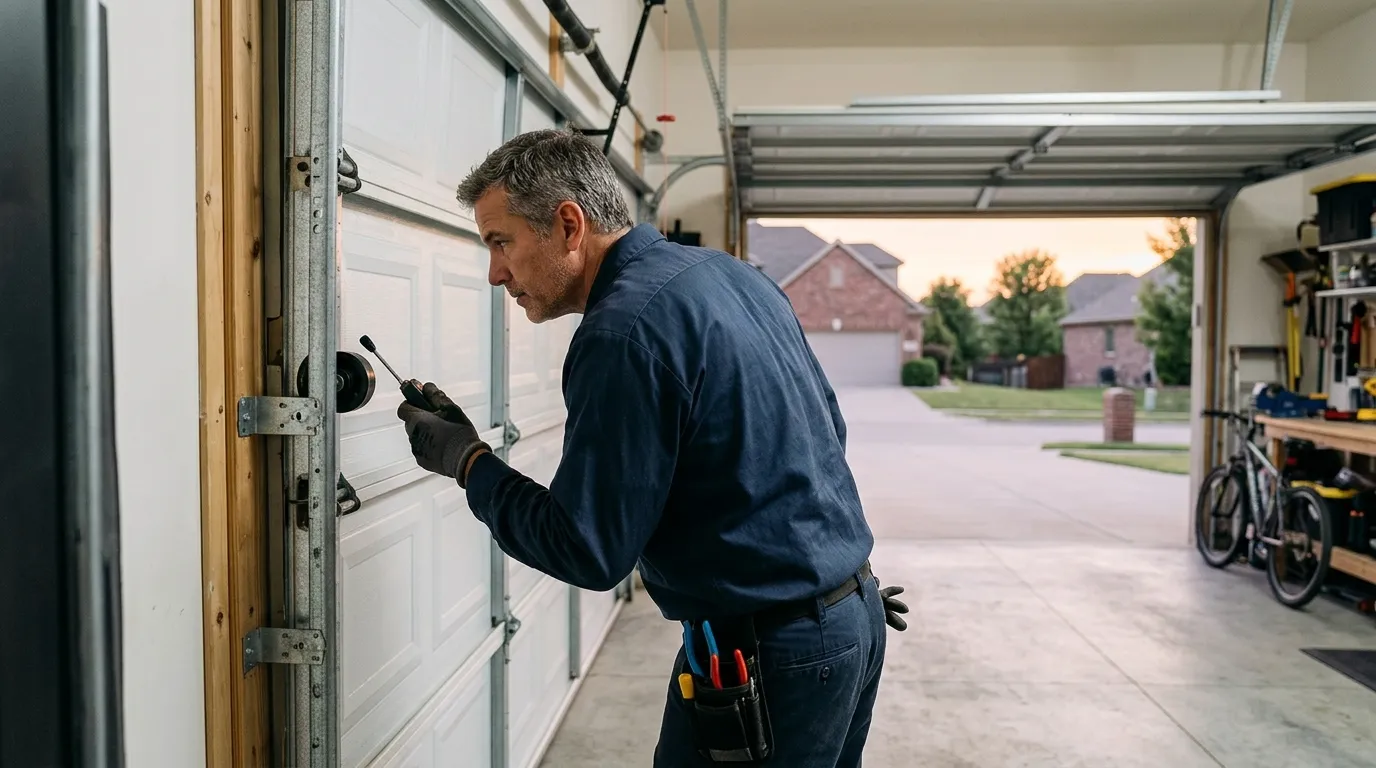
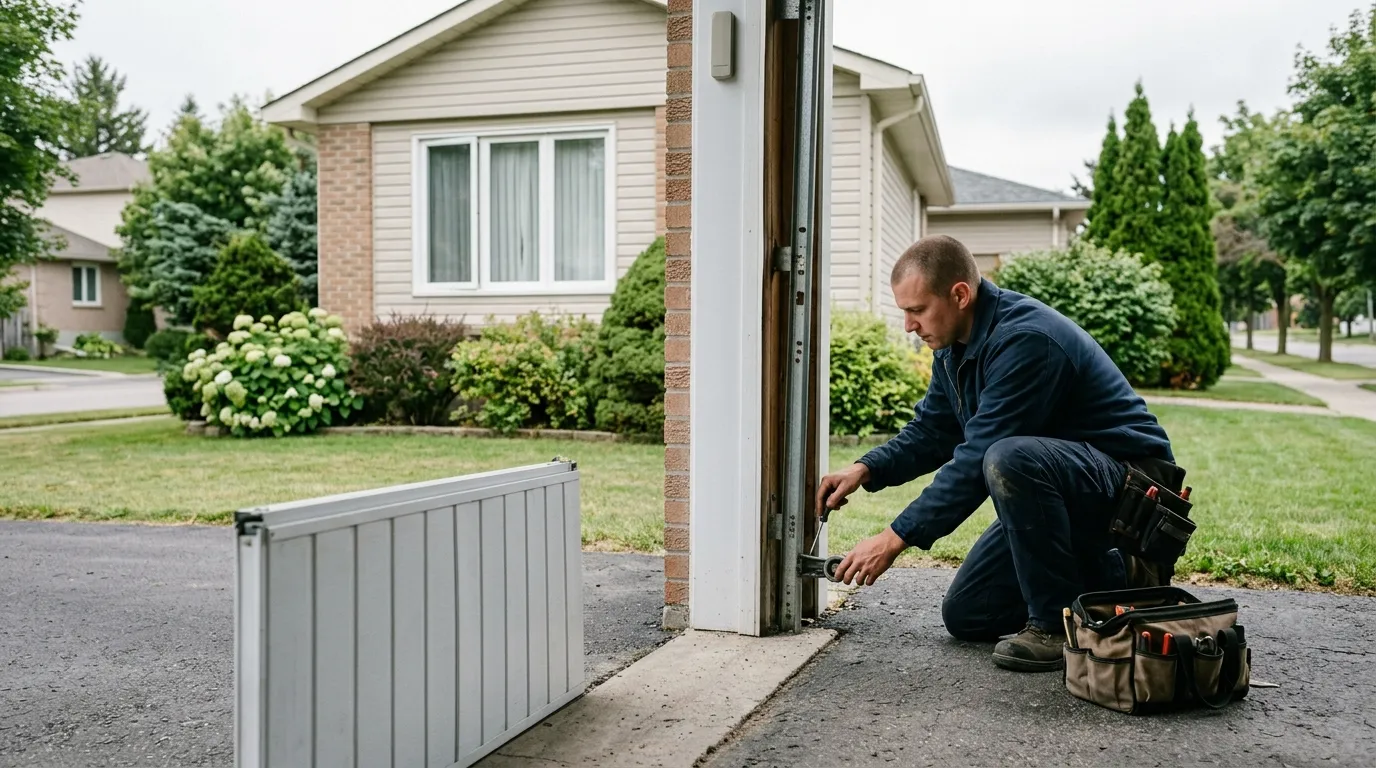
Most calls from this area involve torsion springs that finally gave out after years of carrying a door heavier than the original hardware was sized for, or openers straining against a door that's been retrofitted more than once. We also get track alignment calls tied to header modifications from past widening jobs - the door works, but it's fighting the frame every time it moves.
One honest limitation: if your opener or spring size is a discontinued model from a mid-century retrofit, we may need to order a compatible replacement rather than swap it same-visit, since obsolete parts for these older headers aren't something we stock on the truck as standard inventory. We'll tell you that on the phone, not after we've shown up.
We don't push full door replacement on a home like this unless the panels themselves are failing - cracked, rusted through, or warped - because a well-maintained older door with updated hardware often outlasts a cheap new one.
How it works
From “it’s stuck” to “it’s fixed”
01
Tell us what’s wrong
Describe the symptom - won’t open, loud bang, opener runs but the door won’t move.
02
On-site diagnosis
A technician tests the door under power and by hand and finds what actually failed.
03
Clear, up-front plan
You get the fix that’s needed and what drives the cost - before any work starts.
04
Repaired & tested
The repair is done, the door is set true and tested, and the work area left clean.
Serving Youngstown, OH - tell us what your door’s doing and we’ll take it from there.
No. We run out of Youngstown, about 16 miles away, and Leavittsburg is a stop on our route rather than a depot location. Every job here means a truck driving out from Youngstown, which we factor into scheduling rather than treating as an emergency surcharge.
Why does my 1940s garage door act up more in winter?
This area sits in a severe cold climate band, and older hardware - worn rollers, thickened lubricant, metal track that's contracted - seizes up faster on the first hard freeze than newer components would. On a house from the 1940s, that's often the first sign something needed attention already.
Will you just tell me to replace the whole door?
Not unless the panels are actually failing - cracked, rusted through, or warped. A well-maintained older door with updated spring and track hardware often outlasts a cheap new replacement, so we fix what's fixable first.