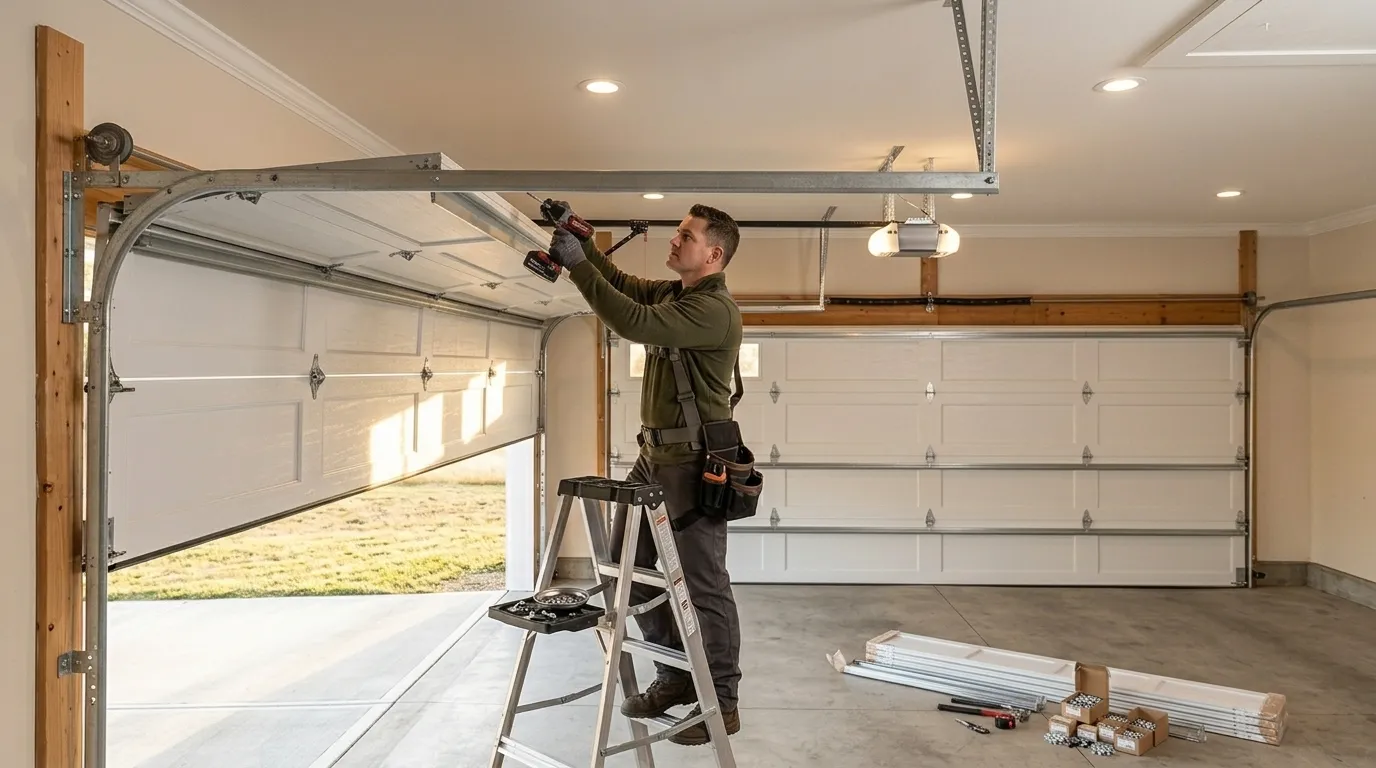
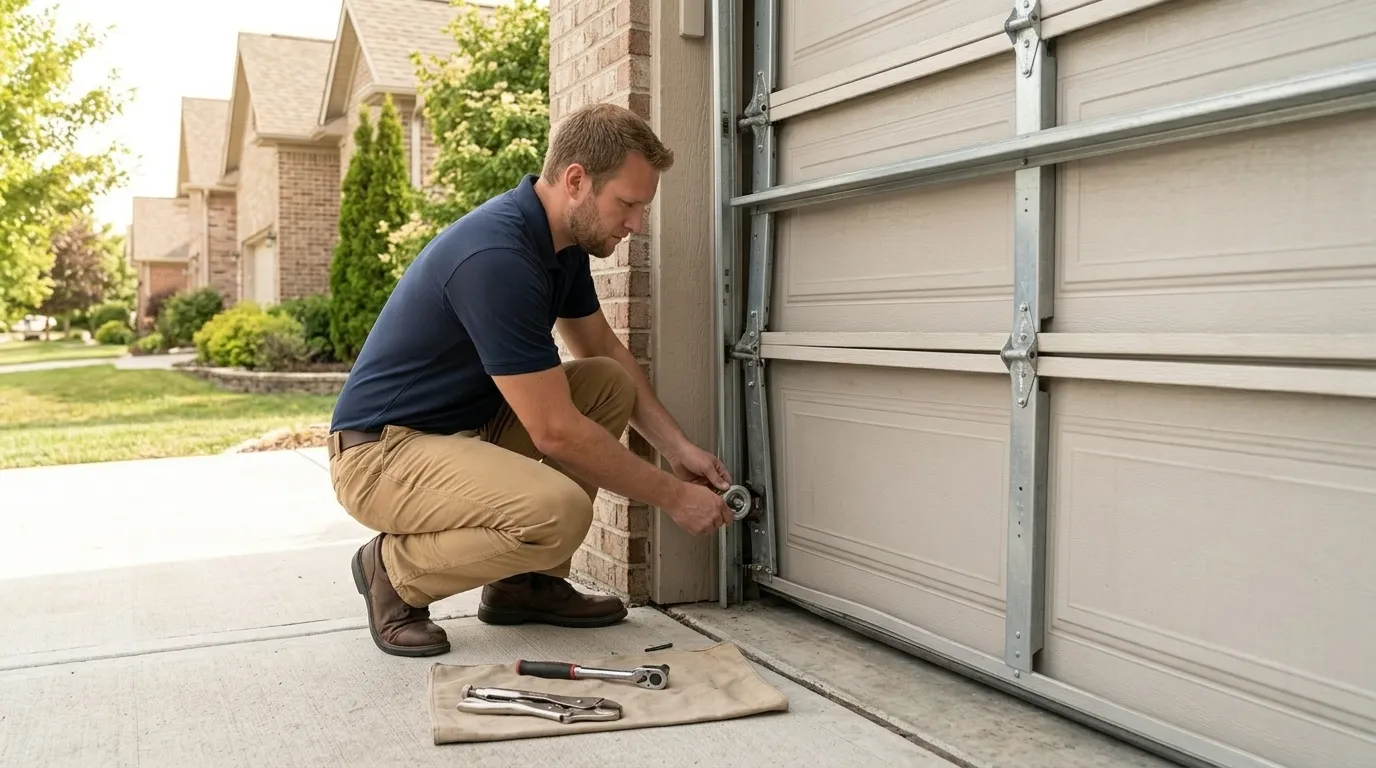
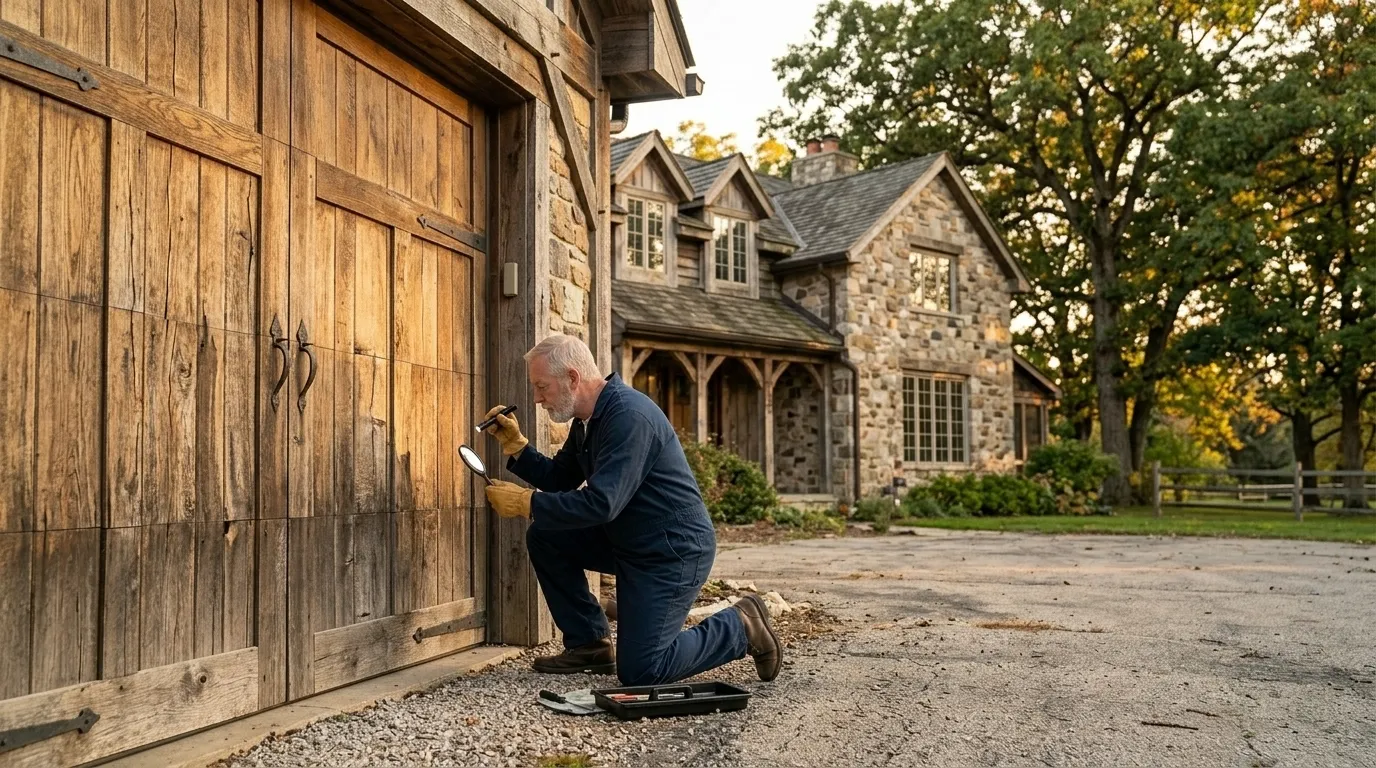
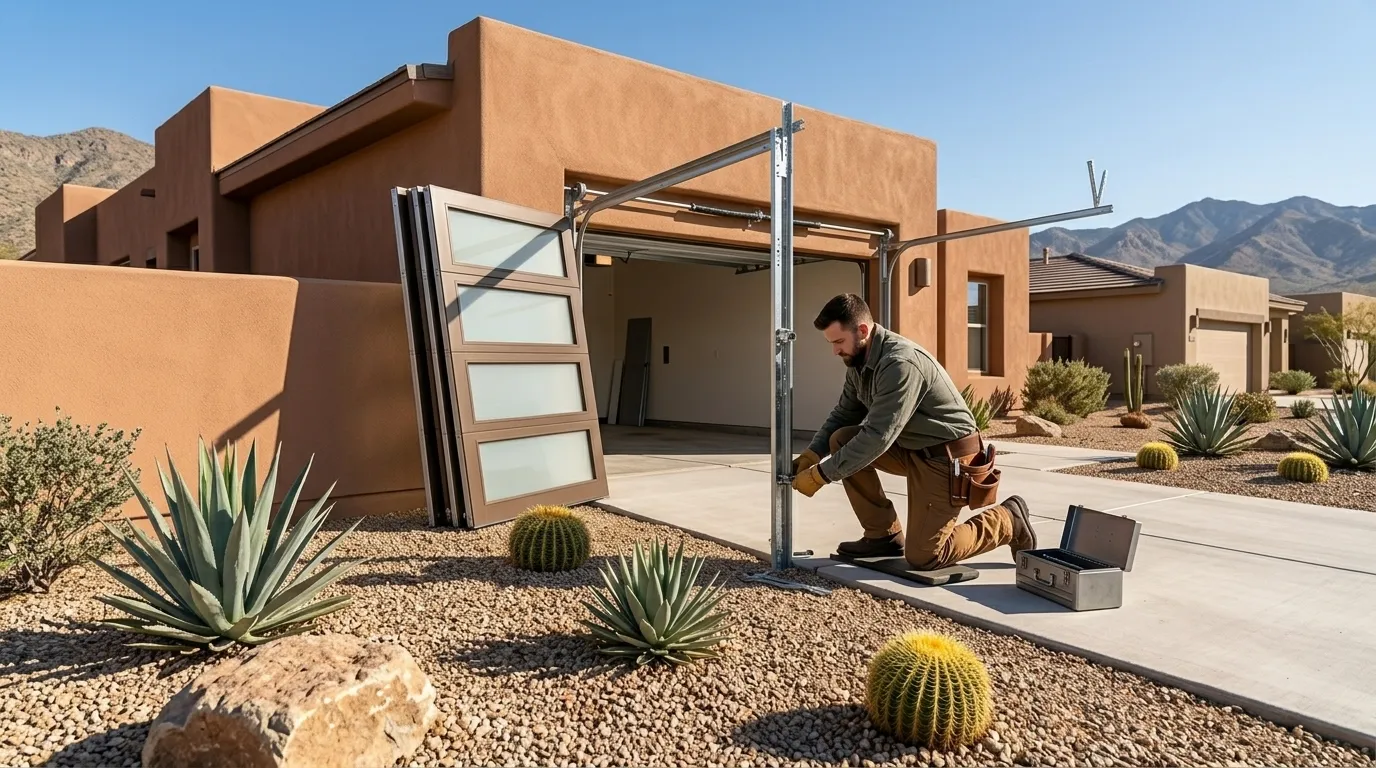
Leetonia homes date to a median year of 1946, older than the wider Youngstown-area stock. We travel from Youngstown to fix the doors and hardware that come with that older housing.
Leetonia's houses run older than most of the towns we cover out of Youngstown. The median year built here is 1946, well ahead of the 1964 median for the wider service area we work across 28 named communities. With about 894 households in town, this is a small, tight market, and a lot of what's parked in these driveways sits behind a door and opener that's never been swapped out since the house was new or close to it.
That 1946 median matters because it puts a big share of Leetonia garages in the post-war framing style: narrower openings, shorter headroom, and hardware sized for doors that weighed a lot less than what's sold today. Compare that to newer subdivisions in places like North Lima or Canfield, where openings run wider and headroom is more forgiving, and you can see why a one-size approach doesn't work here.
Median household income in Leetonia is $60,893, close to the $60,598 figure for the broader area, which tells us most owners here are weighing a repair bill against a full replacement rather than defaulting to either one automatically.
What That Means for Doors
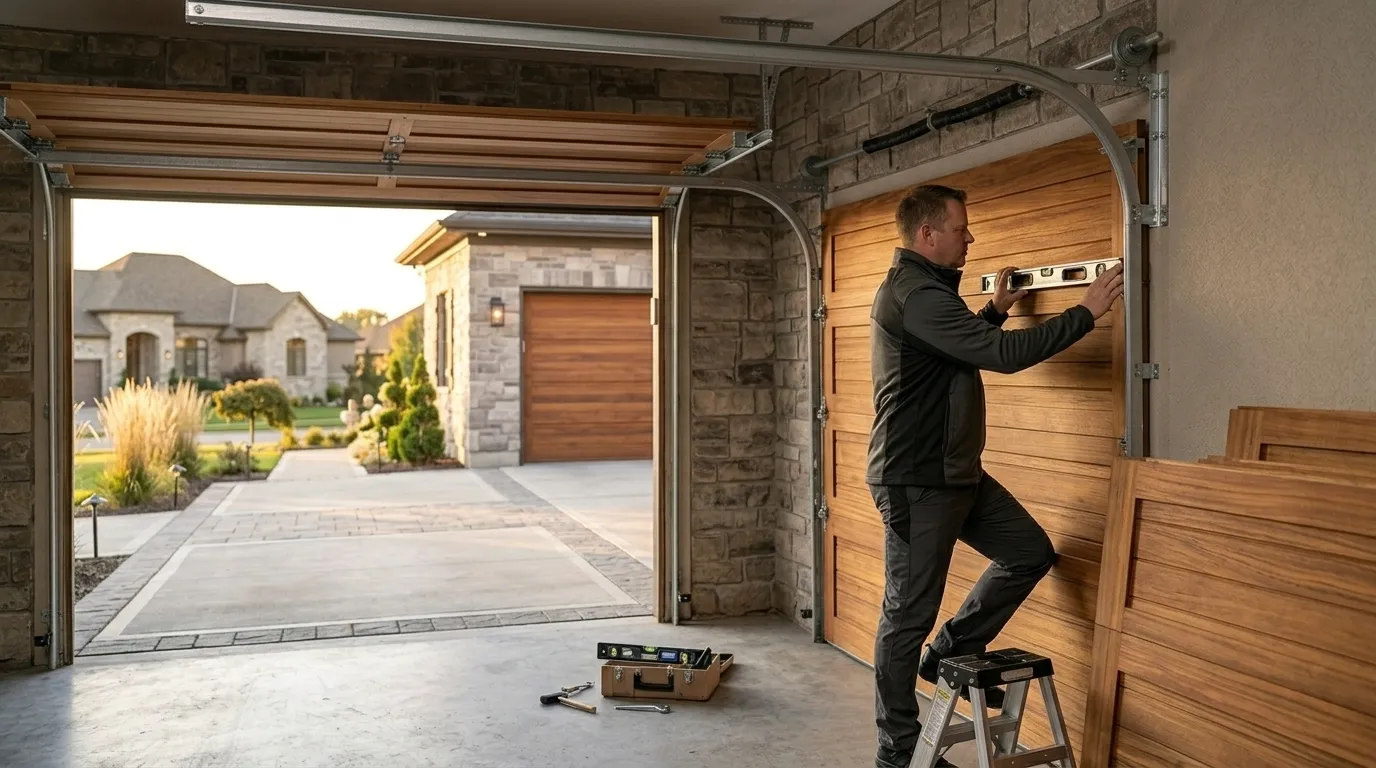
Older openings mean shorter tracks and lower headroom, which rules out some of the newer high-lift and vertical-lift track kits without modification. A lot of Leetoning houses built in that 1946 window still have the original jamb width, so a straight swap to a modern insulated steel door sometimes needs jamb work first, not just a door order.
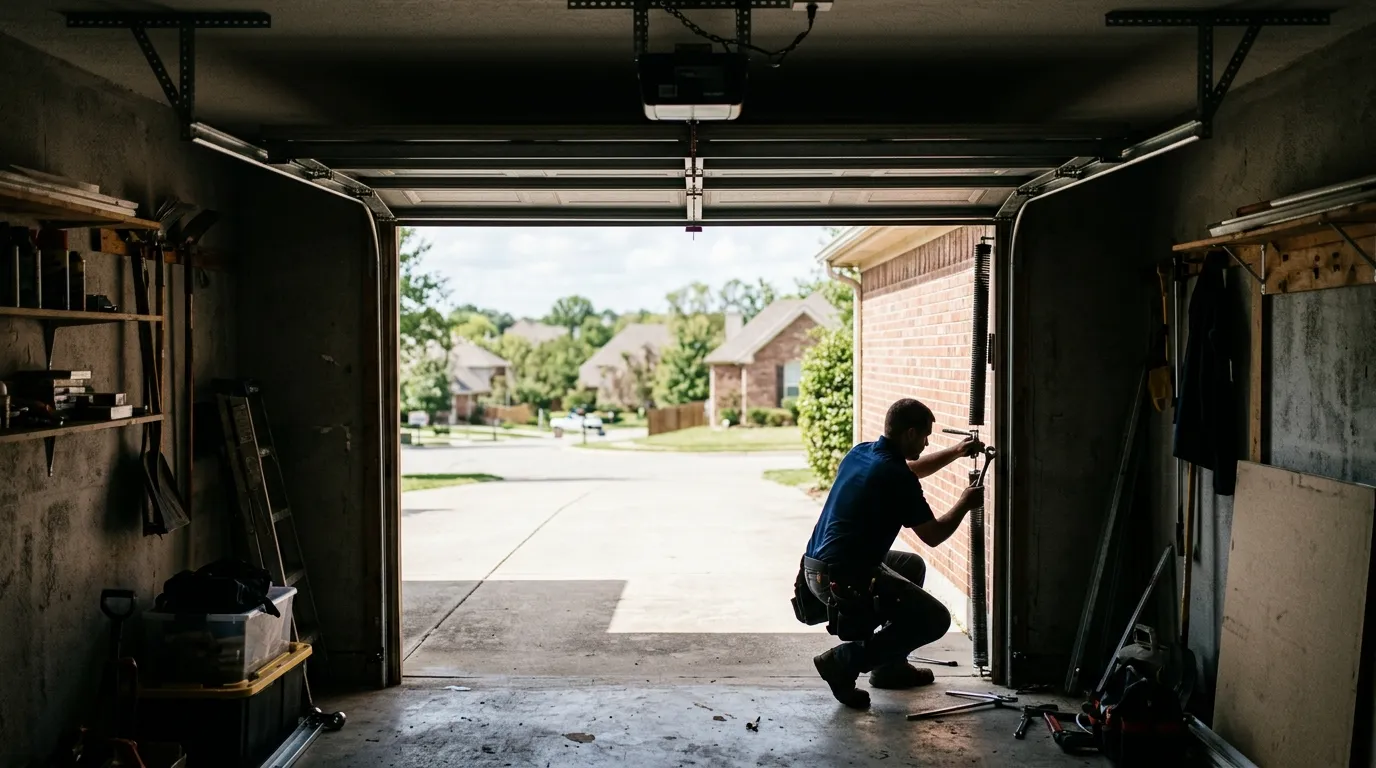
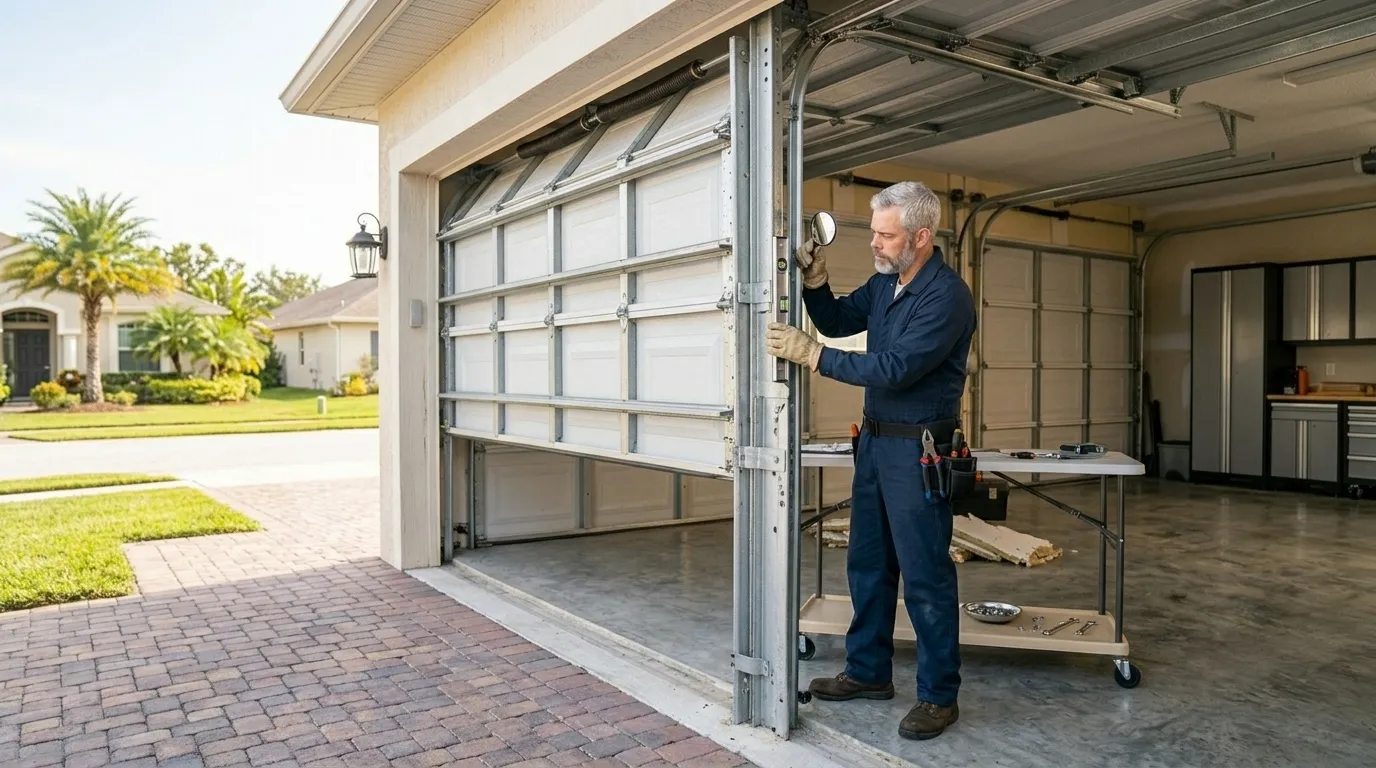
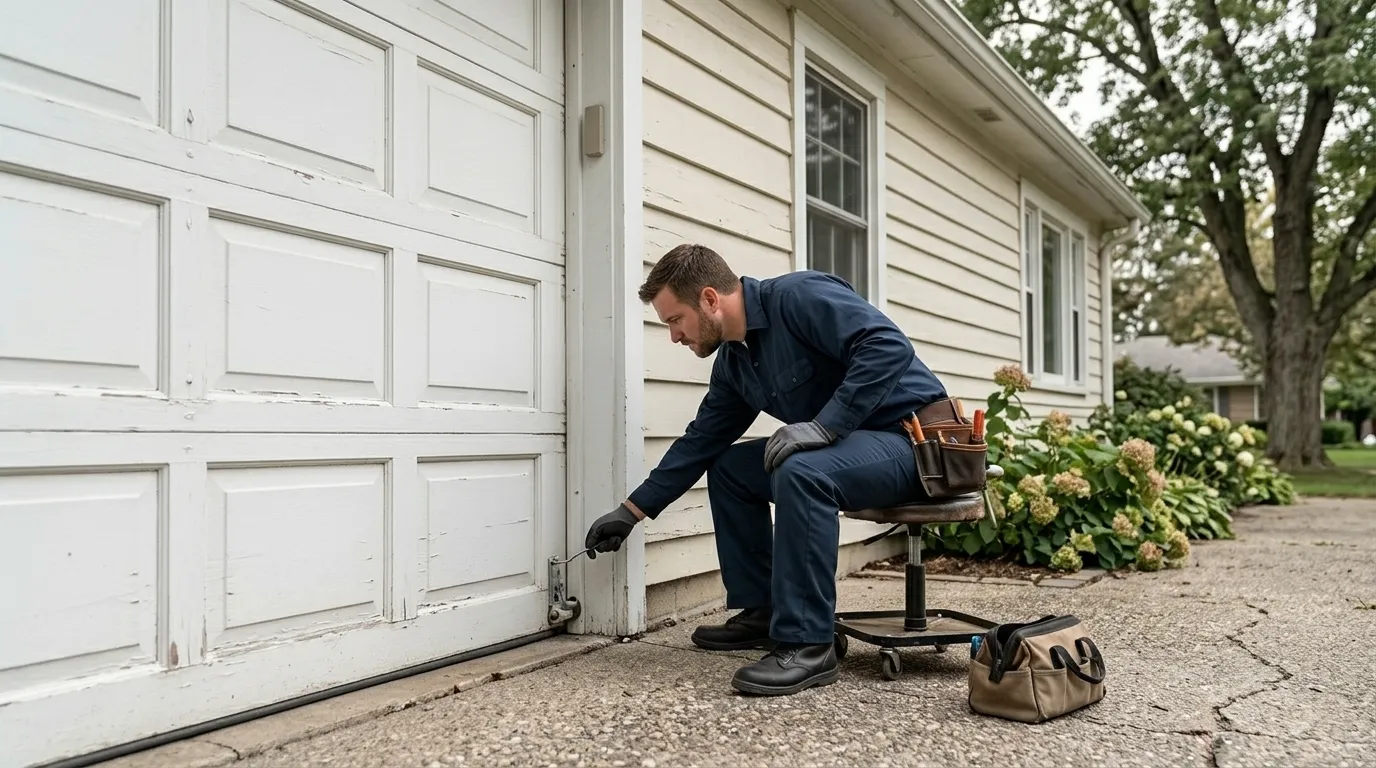
Hardware from that era also tends to be side-mounted torsion or older extension spring setups that don't match what's on the shelf at most suppliers now. When a spring goes on one of these, we're not always grabbing a stock part off the truck; sometimes it's a size that has to be sourced, which adds a day or two to the job.
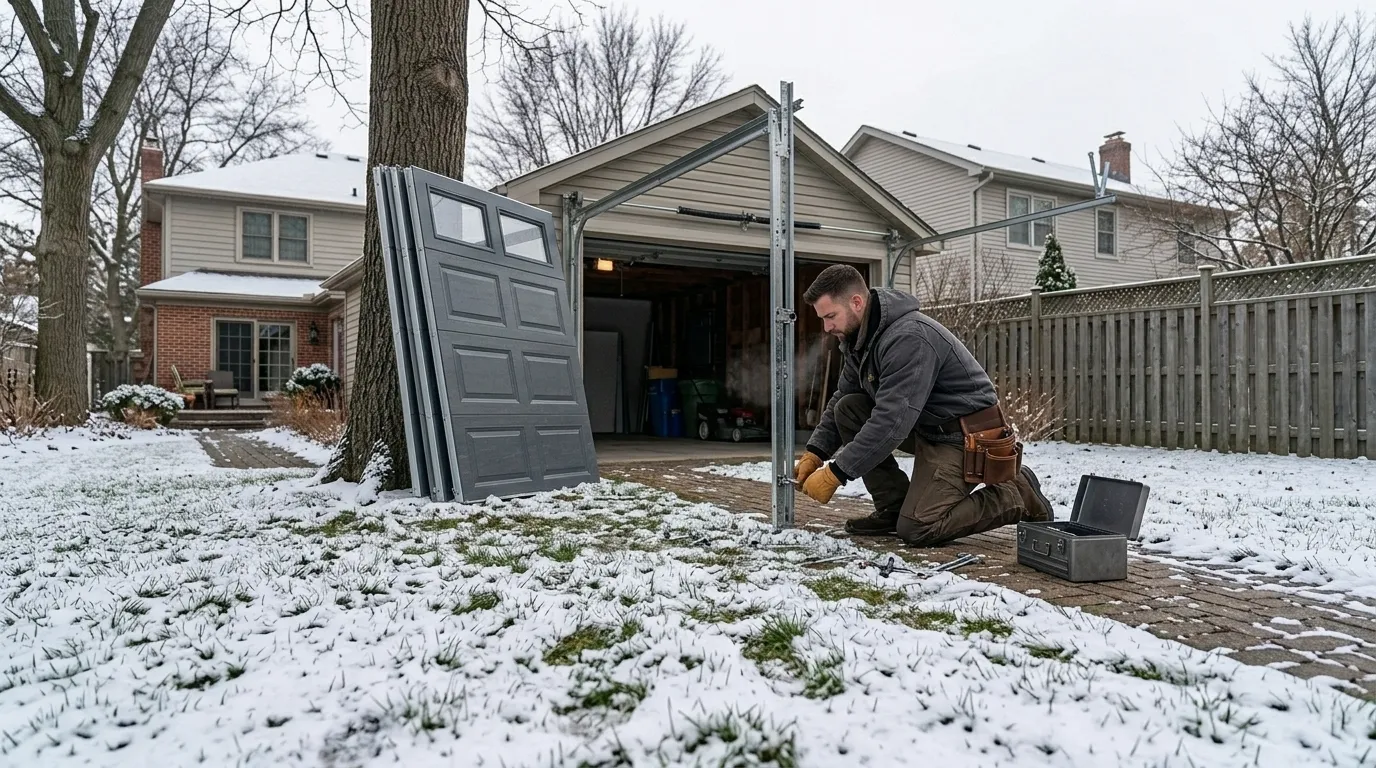
The cold severe climate band this whole region sits in adds another layer. Steel doors and galvanized hardware from the 1940s and 50s have had seven or eight decades of freeze-thaw cycling on the track brackets and header framing. That's long enough for wood framing around the opening to have shifted, which throws the door out of square even if the door itself looks fine.
We won't pretend every old door is worth saving. Past a certain point of rust on the tracks or rot at the header, patching it costs nearly what a new door and opener would run, and we'll tell you that straight.
When We Can Get There
We run out of Youngstown, and Leetonia sits about 16 miles out, one of the farther points in our coverage area alongside Salem, New Waterford, and East Palestine. We don't keep a depot in Leetonia and we're not going to claim a stocked local branch we don't have. What we can say is that the drive is a known quantity for us; it's a route we already run.
Because of the distance, we ask Leetonia callers to describe the door and the fault as clearly as they can up front. A photo of the spring, the track, or the opener label helps us bring the right part on the first trip instead of the second one. Given how often the hardware here runs older, that prep matters more in Leetonia than it does closer to Youngstown.
The Calls We Get From Here
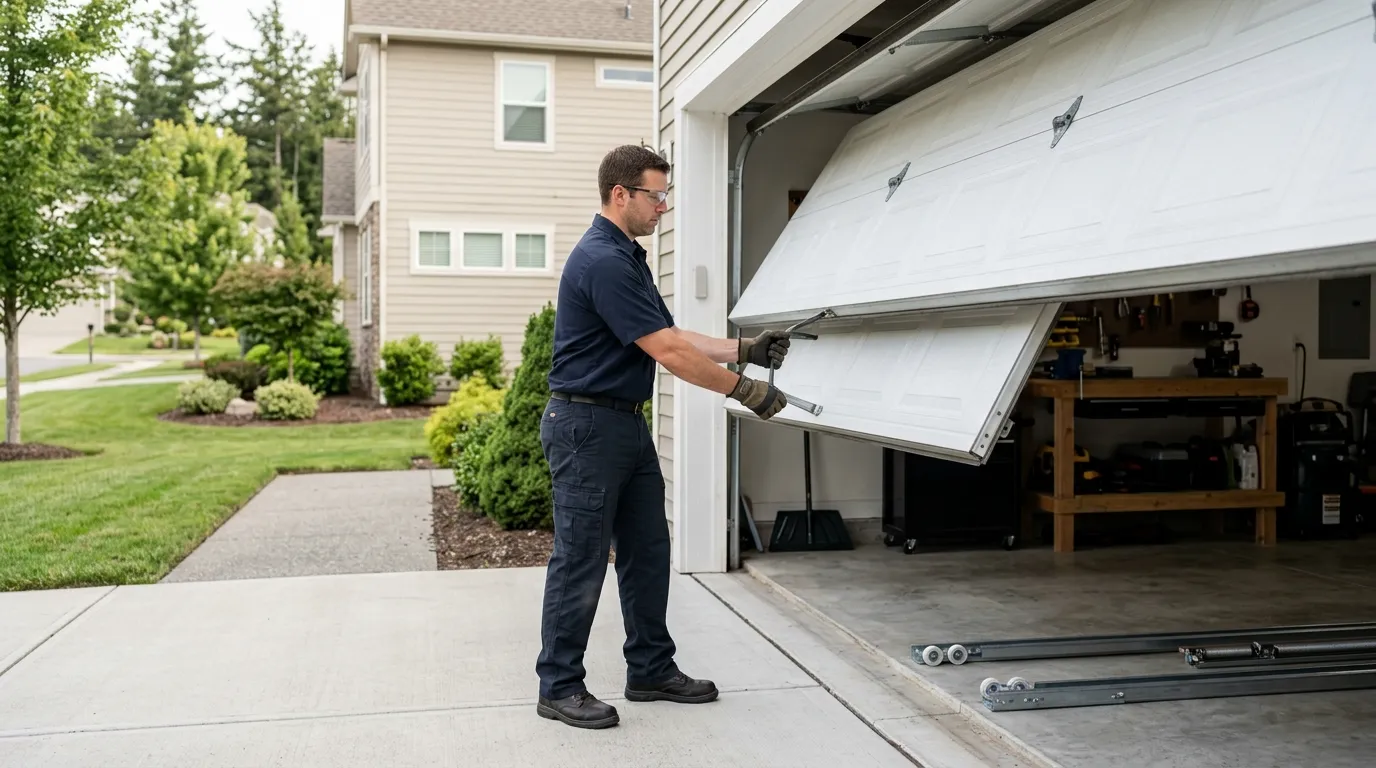
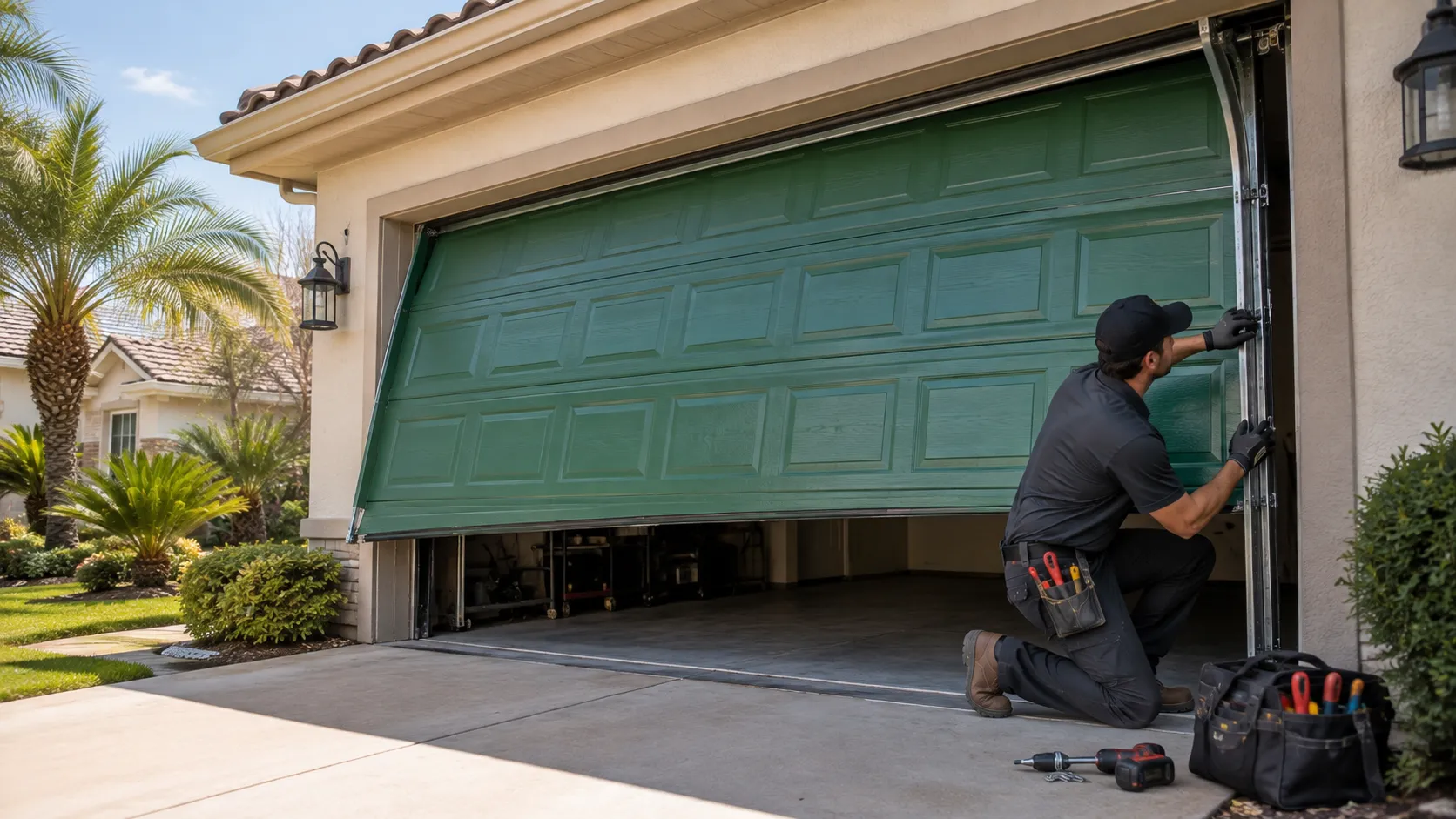
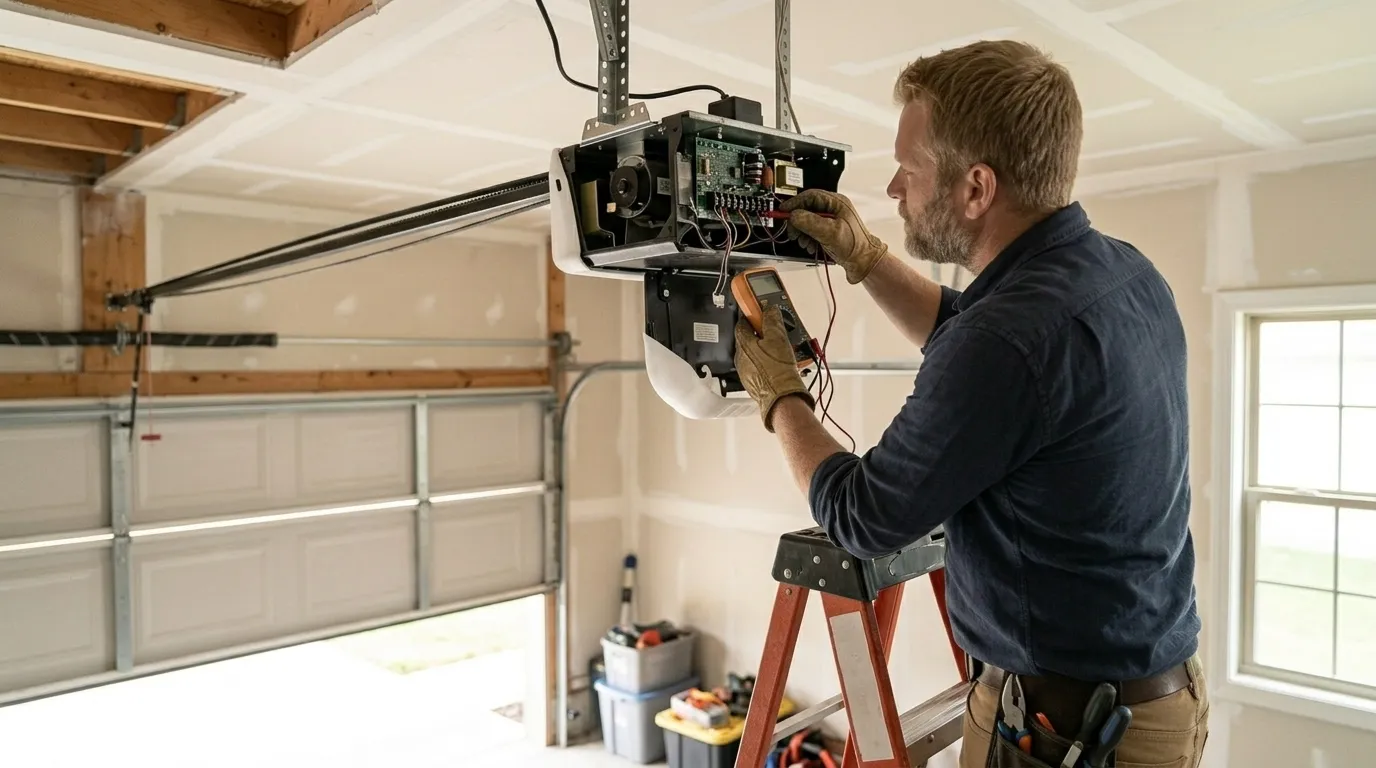
Given the 1946 median build year, the calls out of Leetonia lean toward the mechanical end: seized rollers, extension springs that have finally given out after decades of cycling, and openers that are original enough that parts aren't sold new anymore. We also see more track realignment work here than in newer housing stock, a direct result of decades of freeze-thaw movement on older framing.
We don't get many calls here for high-end insulated door upgrades or smart-opener installs, though we can do that work if that's what an owner wants. Most Leetonia calls are about keeping an older door functional and safe rather than replacing it with something new, and that's consistent with a household income close to $60,893, where a full replacement isn't always the first choice.
One honest limitation: if your opener is old enough that the manufacturer no longer makes the circuit board or logic unit, we may not be able to source an exact replacement part, and a full opener swap becomes the more realistic option.
How it works
From “it’s stuck” to “it’s fixed”
01
Tell us what’s wrong
Describe the symptom - won’t open, loud bang, opener runs but the door won’t move.
02
On-site diagnosis
A technician tests the door under power and by hand and finds what actually failed.
03
Clear, up-front plan
You get the fix that’s needed and what drives the cost - before any work starts.
04
Repaired & tested
The repair is done, the door is set true and tested, and the work area left clean.
Serving Youngstown, OH - tell us what your door’s doing and we’ll take it from there.
Why does my garage door feel harder to work on than a friend's in a newer part of the area?
Leetonia's median home dates to 1946, well before the 1964 median across the wider service area. Older openings often mean narrower widths, lower headroom, and hardware sized differently than what's stocked for modern doors, which changes what a repair or replacement job involves.
Do you have a location in Leetonia?
No. We're based in Youngstown and drive out to Leetonia, about 16 miles away. We don't keep a stocked branch or depot in town, so we ask callers to describe the door and fault clearly so we can bring the right parts on the first trip.
Is it worth repairing an old spring setup or should I replace the whole door?
It depends on the condition of the tracks and header framing, not just the spring. If rust or rot has gone past a certain point, patching costs close to what a new door and opener would run, and we'll tell you when that's the case rather than pushing a repair that won't hold.