East Palestine's housing stock runs older than most of the towns we cover out of Youngstown. The median build year here is 1948, a good sixteen years ahead of the 1964 median across the wider service area. That matters because a door installed on a house built in 1948 has usually been replaced once, sometimes twice, and the opener bolted onto it later is often a retrofit that doesn't match the original track spacing.
With about 1,995 households in East Palestine, this is one of the smaller communities we reach, and it's also the farthest at 19 miles out from Youngstown. Median household income here is $49,006, below the $60,598 median across the broader area, which tends to show up in how homeowners approach a repair call: fix the part that's broken, not replace the whole door.
We don't have exact numbers on how many of these houses still run their original hardware, so we won't guess. What we can tell you is that 1940s construction in this part of Ohio almost always means a masonry or balloon-frame opening that wasn't built to modern door dimensions, and that changes what a straightforward swap actually involves.
What That Means for Doors
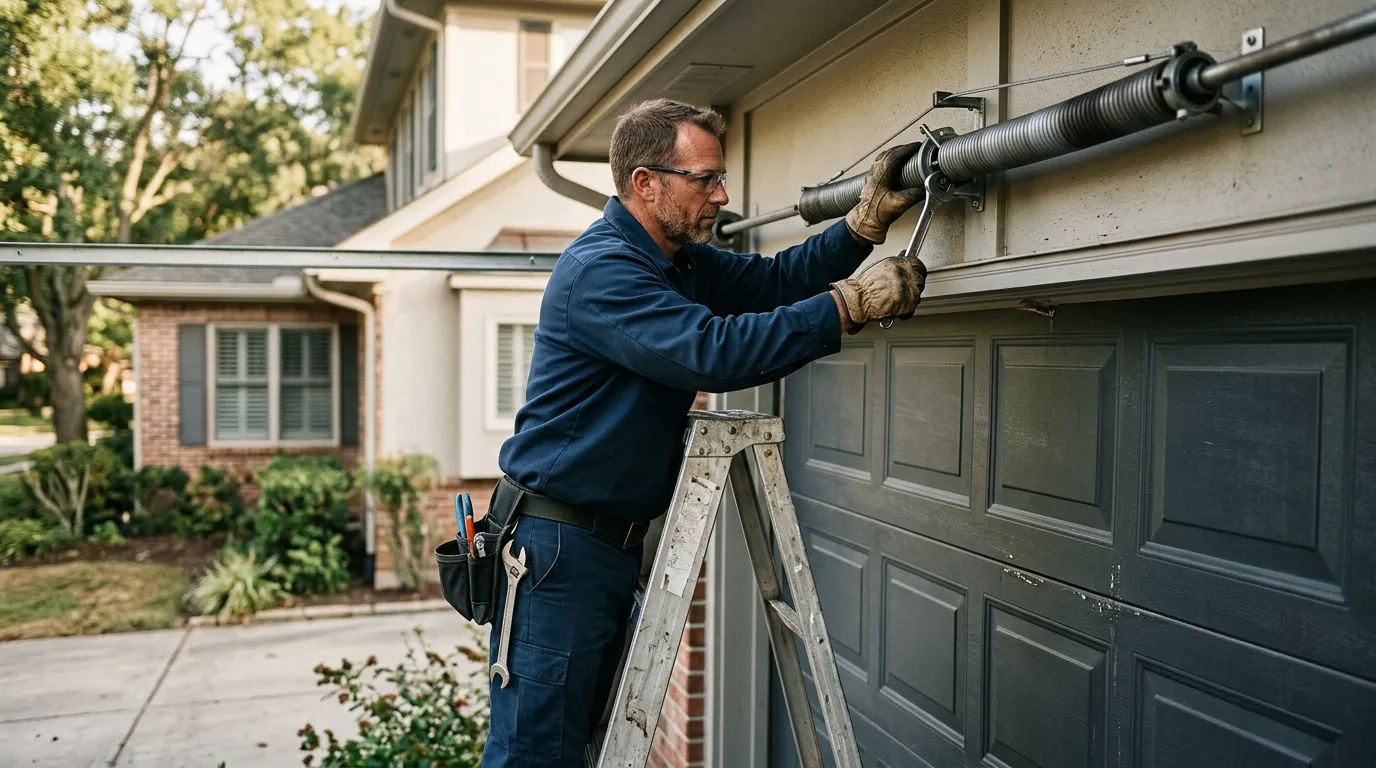
A door on a house built around 1948 was very likely a single, heavy wood-panel unit before anyone converted it to an overhead door with an extension spring system. Extension springs mounted along the horizontal track are common on houses this age, and they wear differently than the torsion springs used on newer builds - they stretch and fatigue rather than fail all at once, so a homeowner sometimes gets warning in the form of a door that drifts or sags before a cable finally lets go.
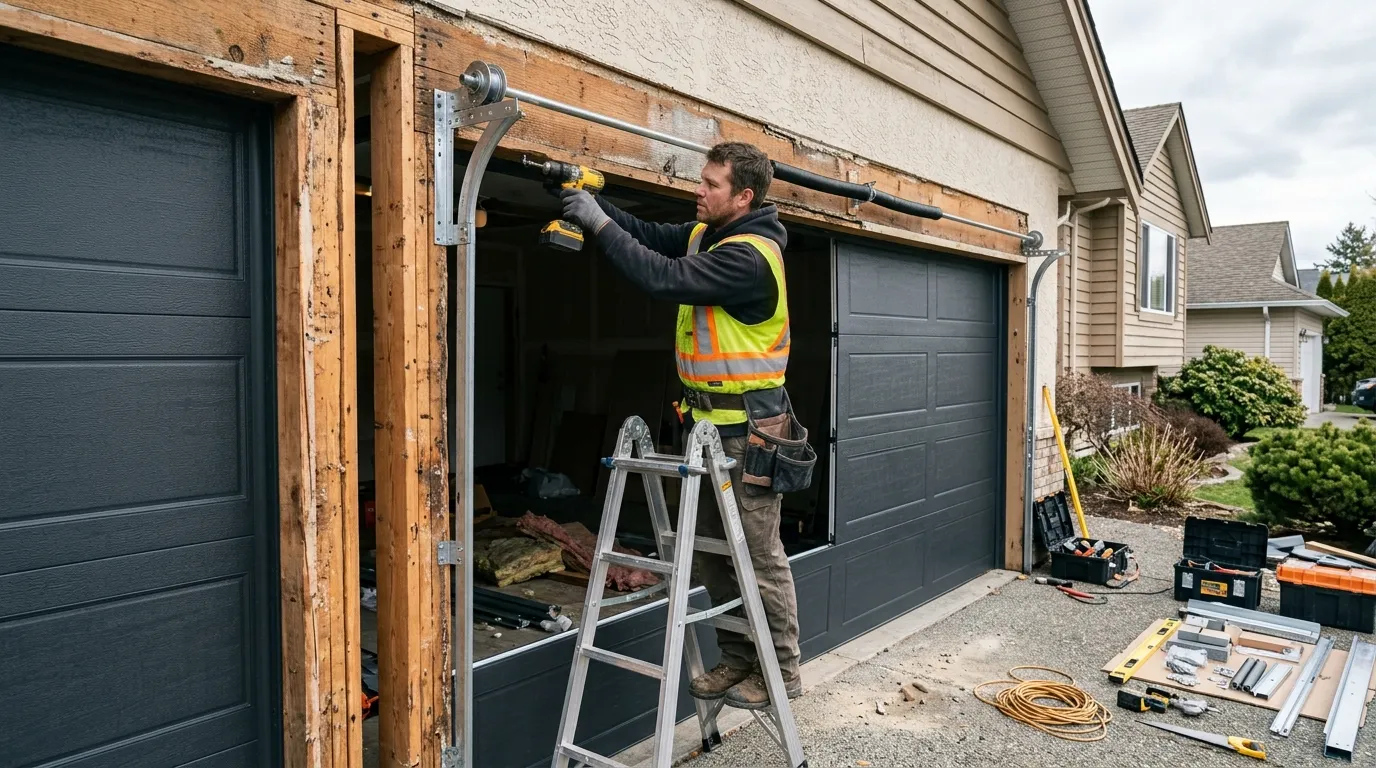
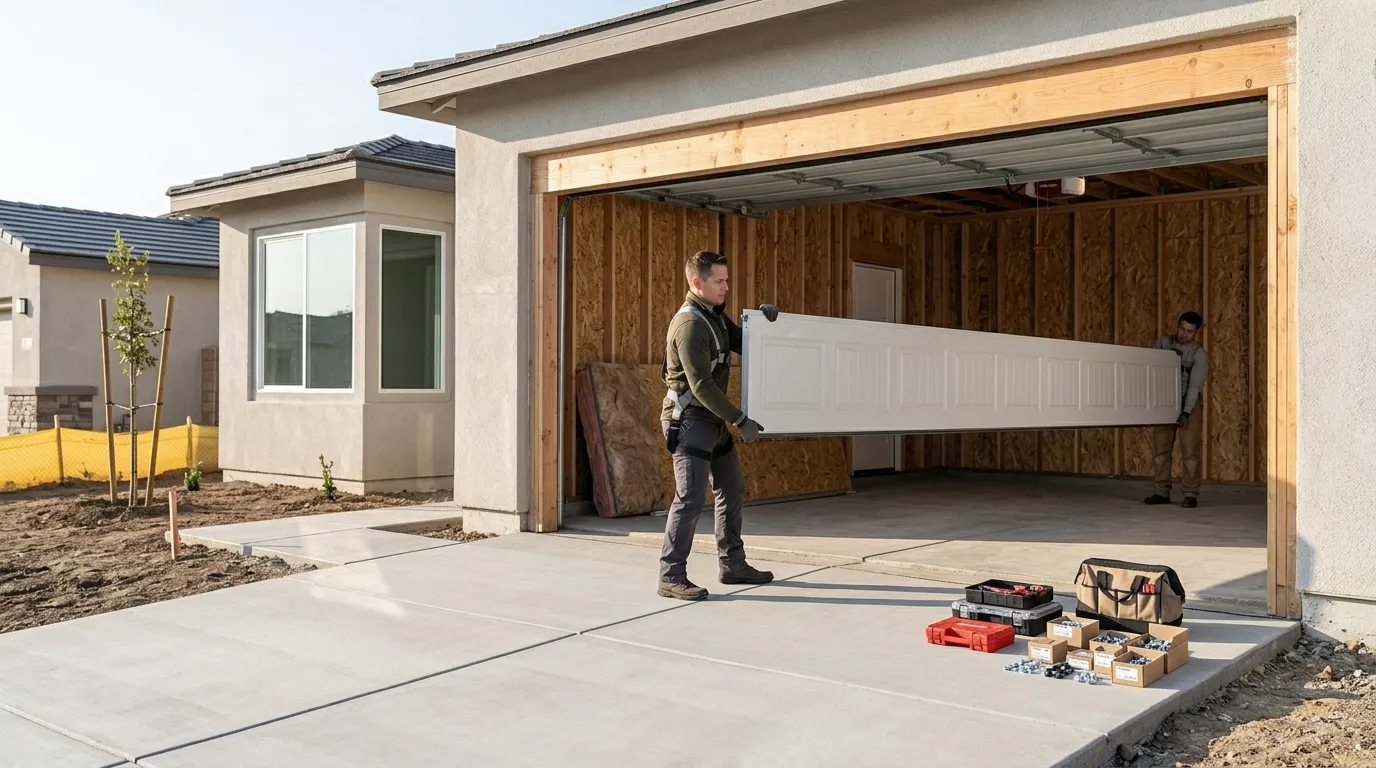
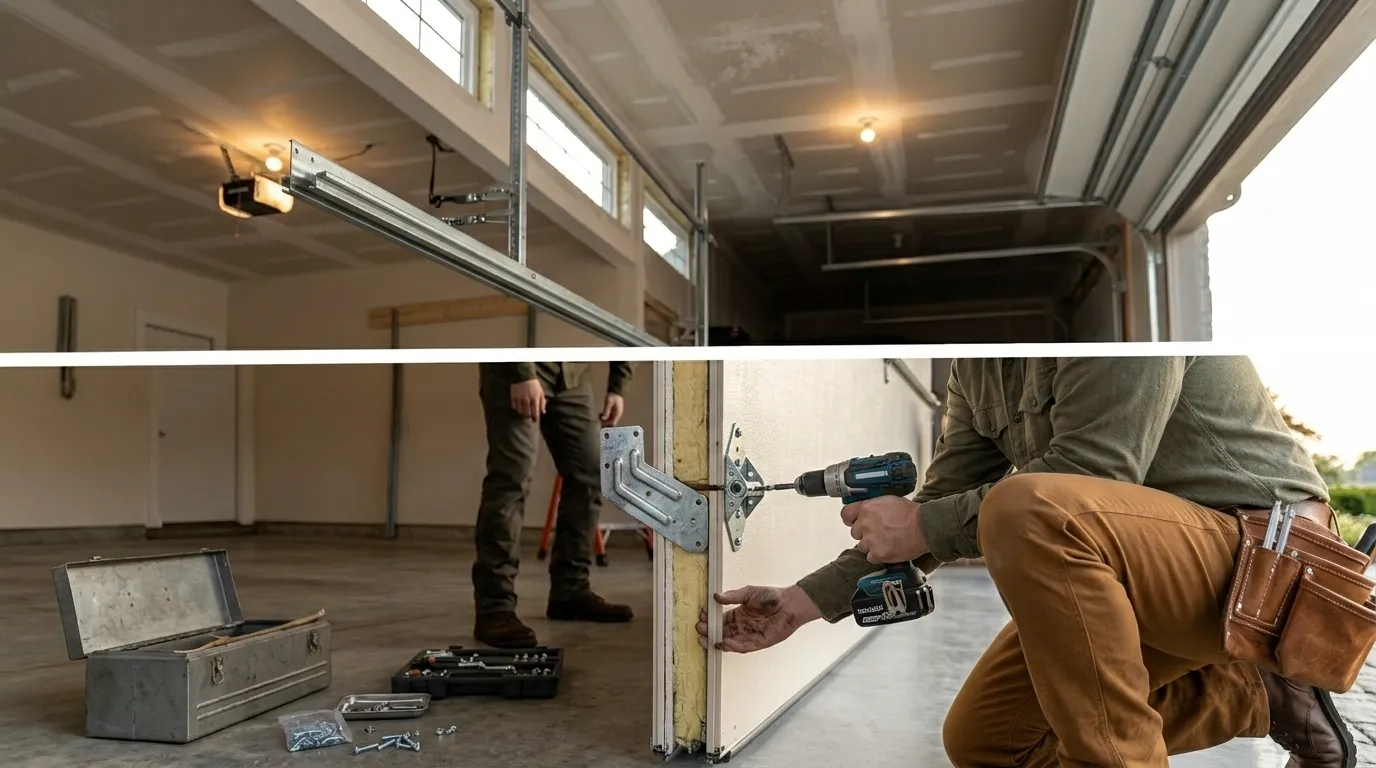
Openings from this era also run narrower than what's standard today, so a straight swap for a big-box door sometimes doesn't fit without framing work. We see this a lot on older stock: the header height or side clearance was never built for a modern insulated steel door, and that changes the quote before a wrench ever gets picked up.
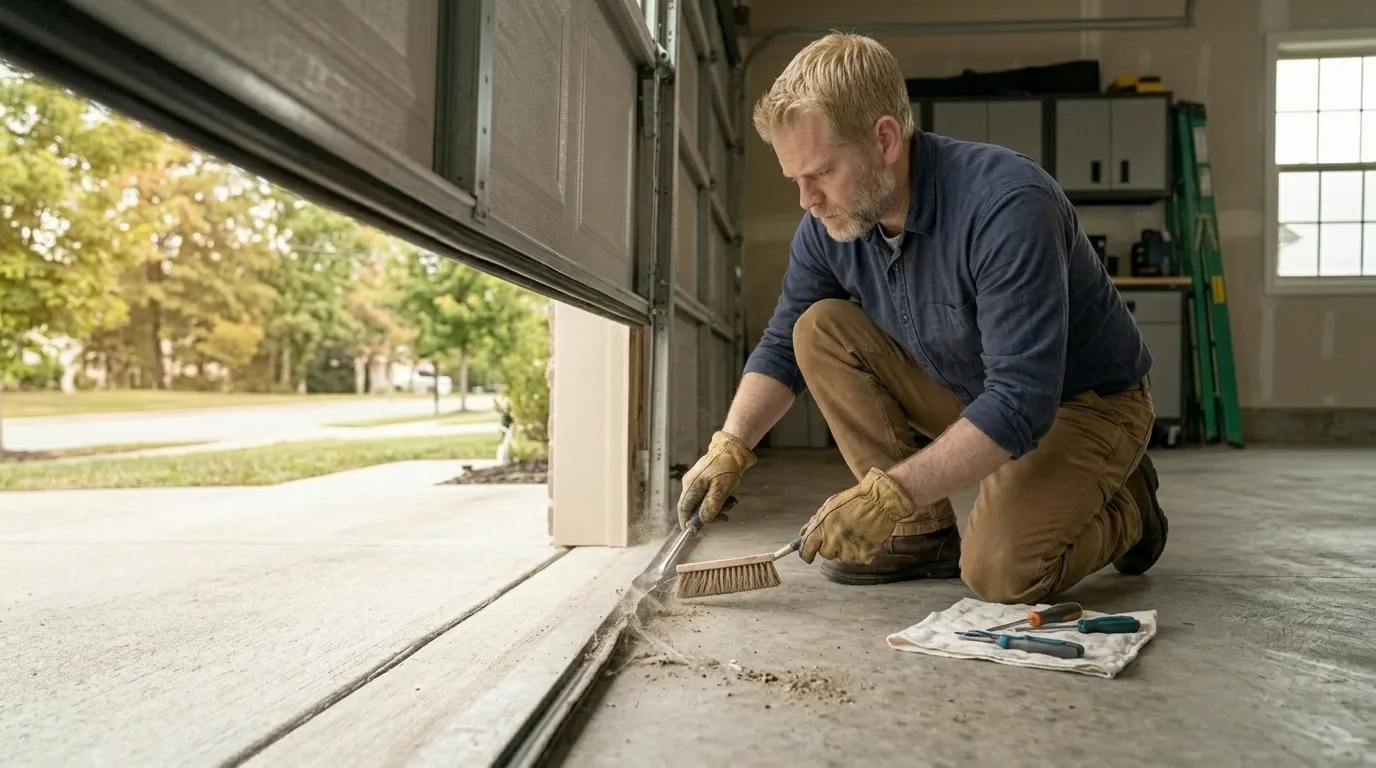
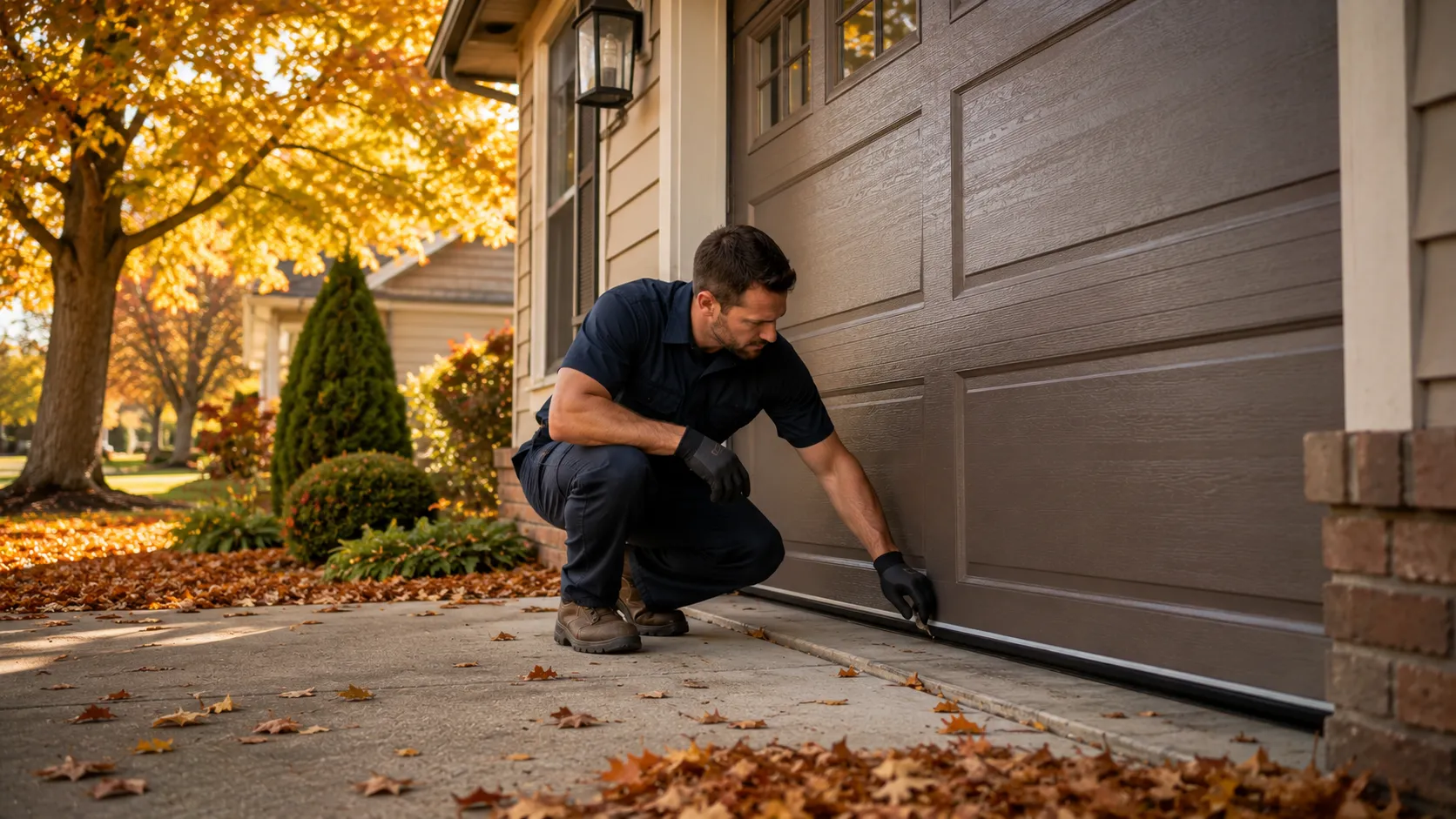
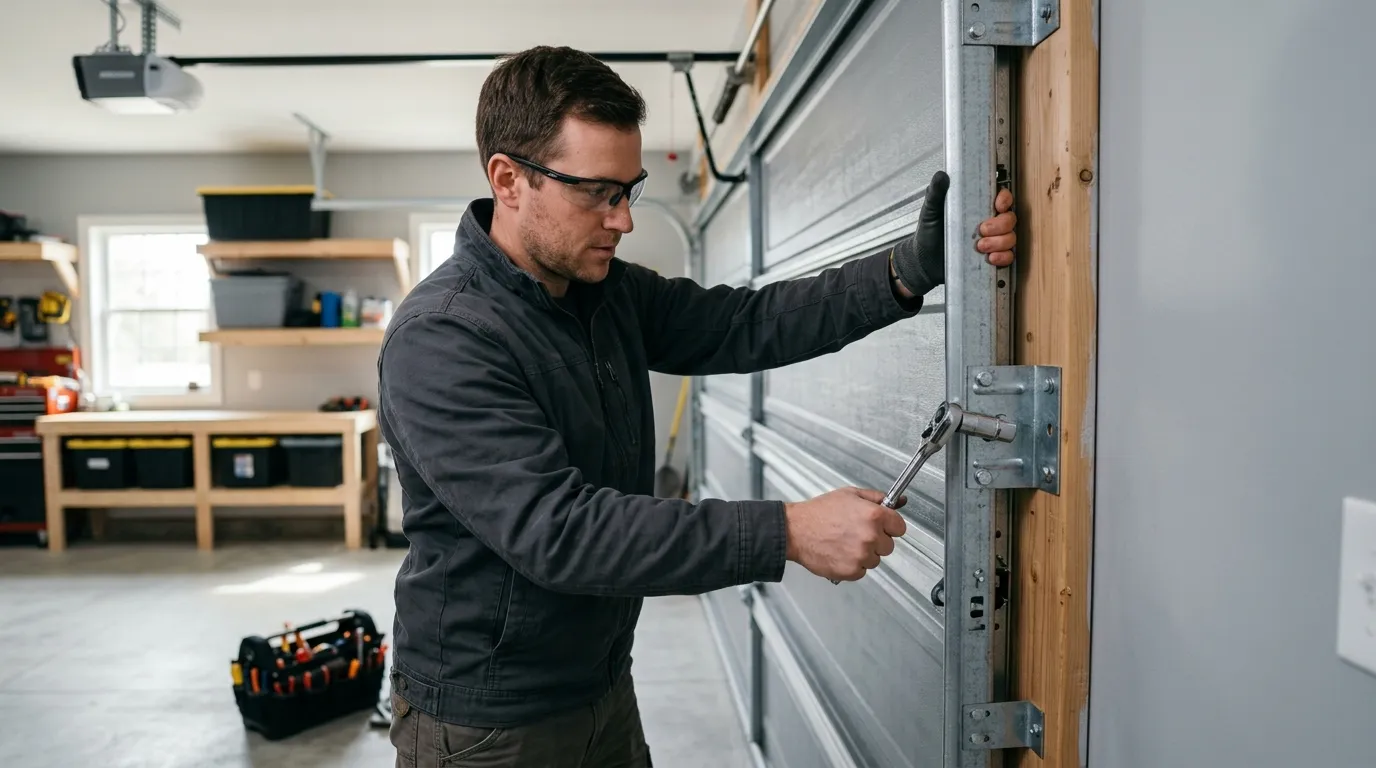
Cold, severe winters across this part of Ohio add another layer - old wood jambs shrink and swell more than newer framing, which throws off alignment on tracks that were already original equipment. If your door binds or drags more in January than July, that's usually the jamb moving, not the opener failing.
When We Can Get There
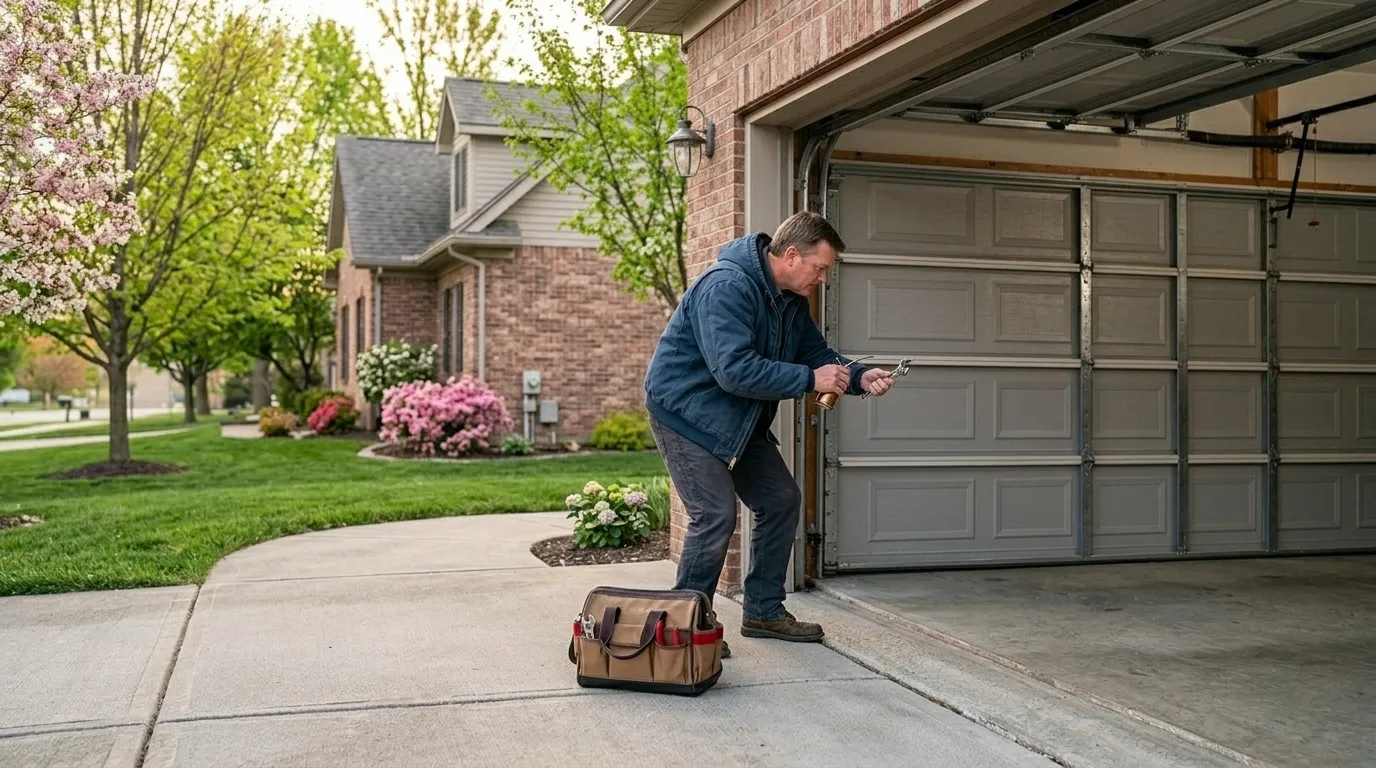
We're honest about this: East Palestine is 19 miles from our shop in Youngstown, the longest haul in our coverage area. We don't keep a truck stationed here and we're not going to pretend otherwise. That distance means we plan the trip rather than treat it as a quick add-on between closer calls, so it's worth telling us up front what's wrong - a snapped cable versus a dead opener board changes what we load before we leave.
We still take the calls. With only 1,995 households in the town, we're not going to build a same-day promise around this stretch of road the way we might for towns closer to Youngstown, and we'd rather say that plainly than leave you guessing.
The Calls We Get From Here
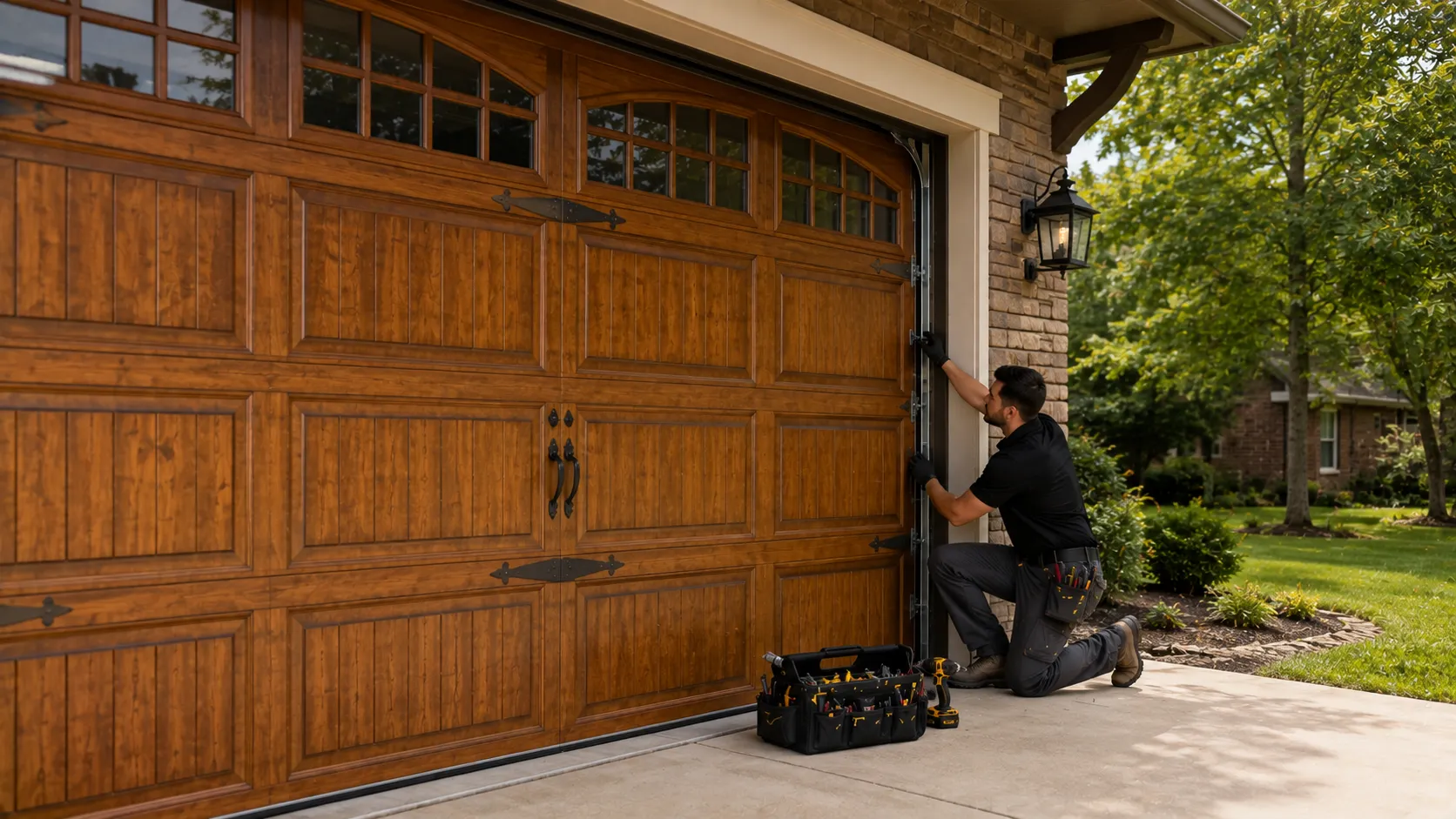
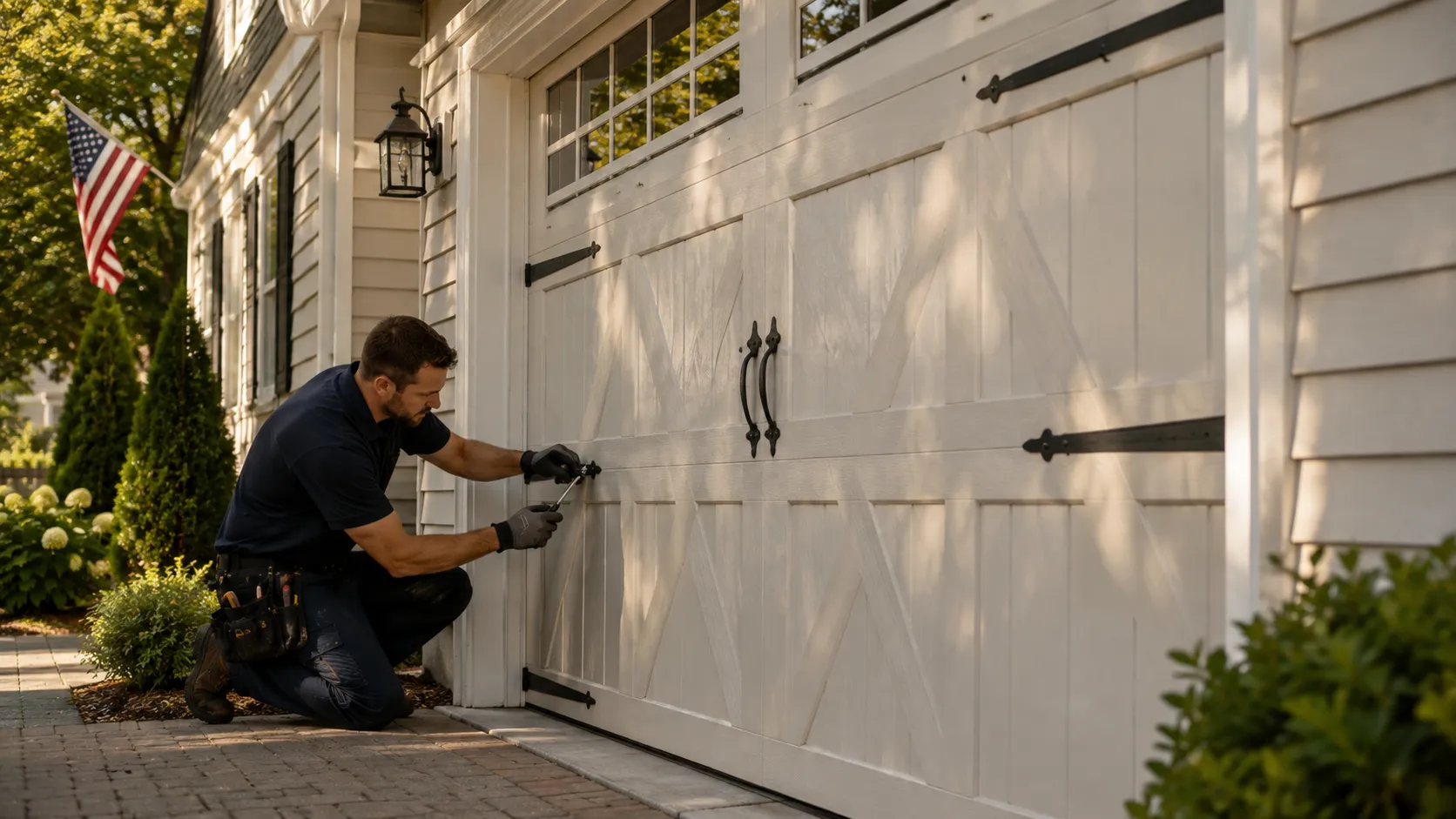
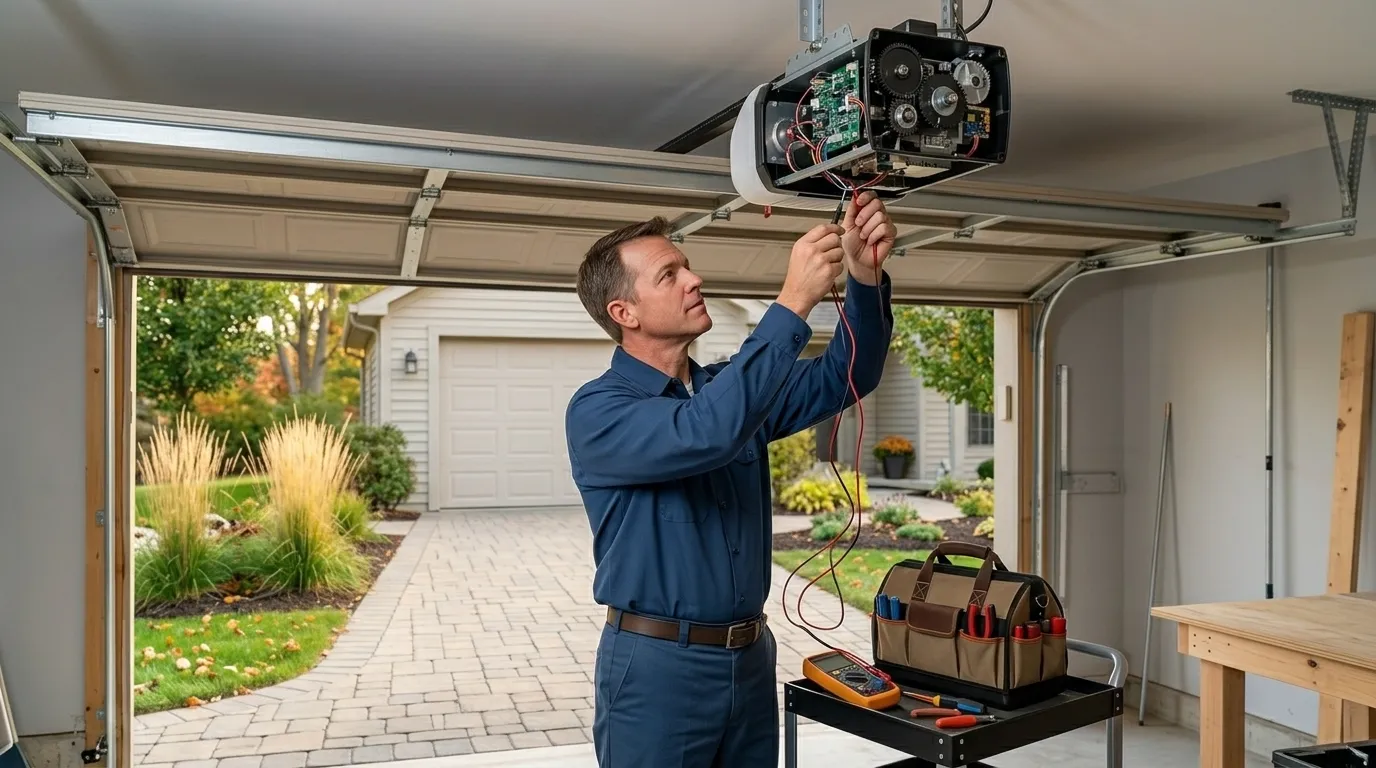
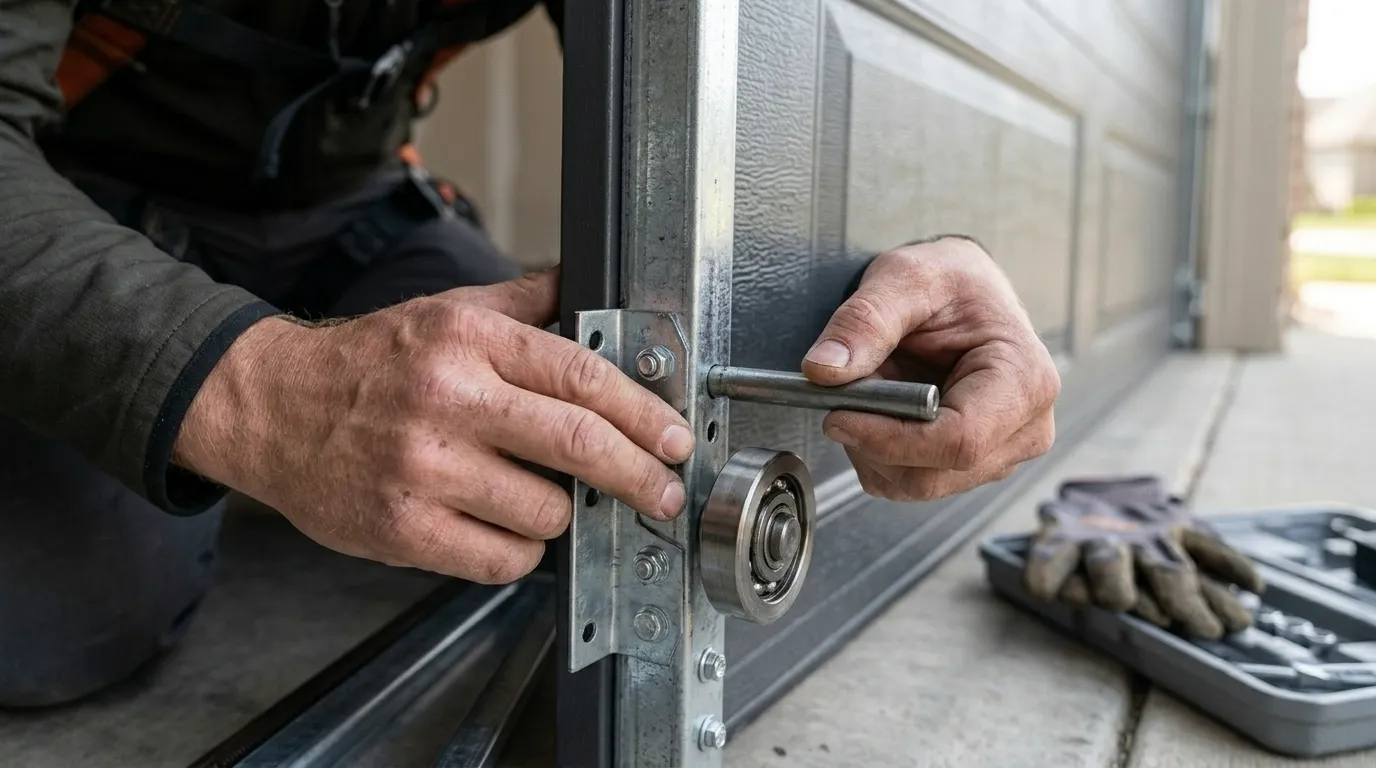
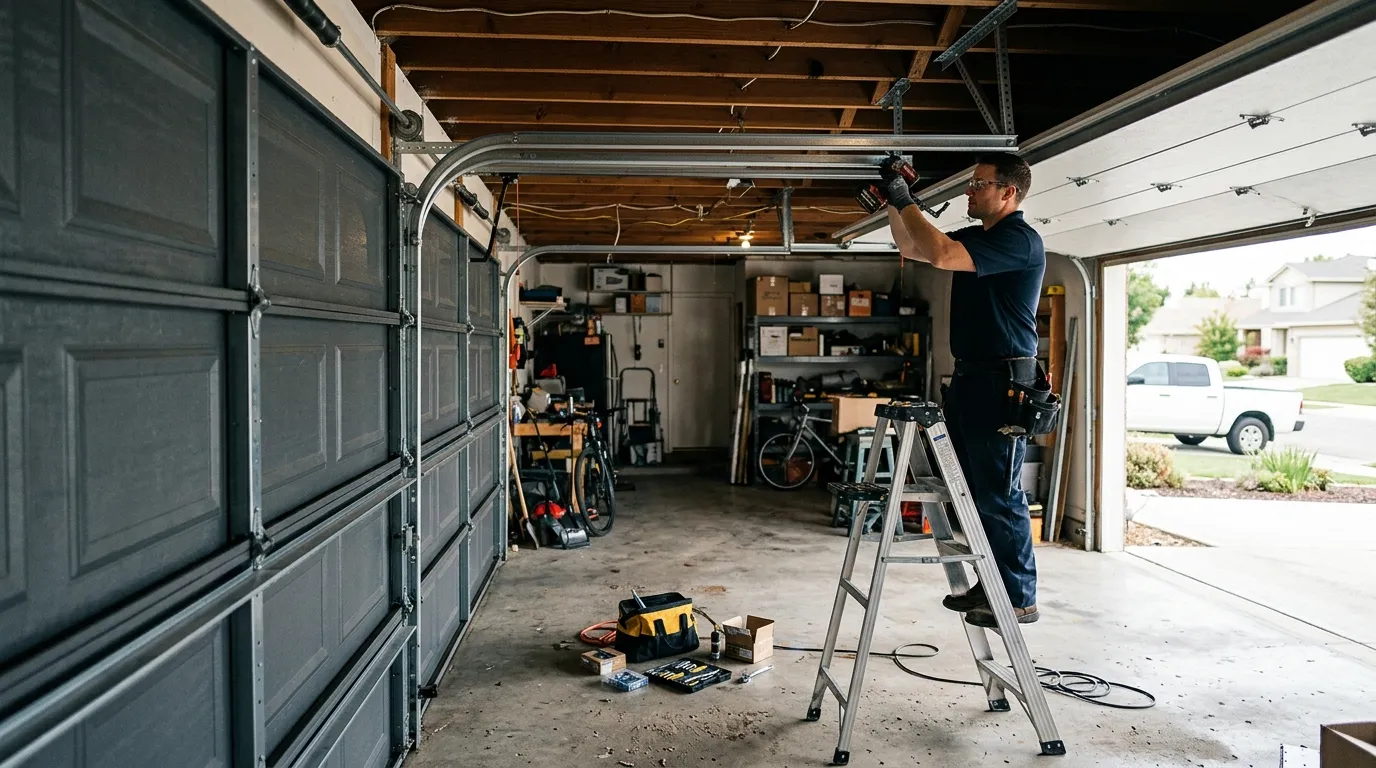
Given the age of the housing stock, most calls from East Palestine involve the extension spring setup rather than torsion springs - a snapped or overstretched spring on one side, a frayed safety cable, or a bottom bracket that's pulled loose from decades of use. We also get calls about openers that were added well after the house was built, chain-drive units from the 80s or 90s bolted to a rail that was never quite square to the original track.
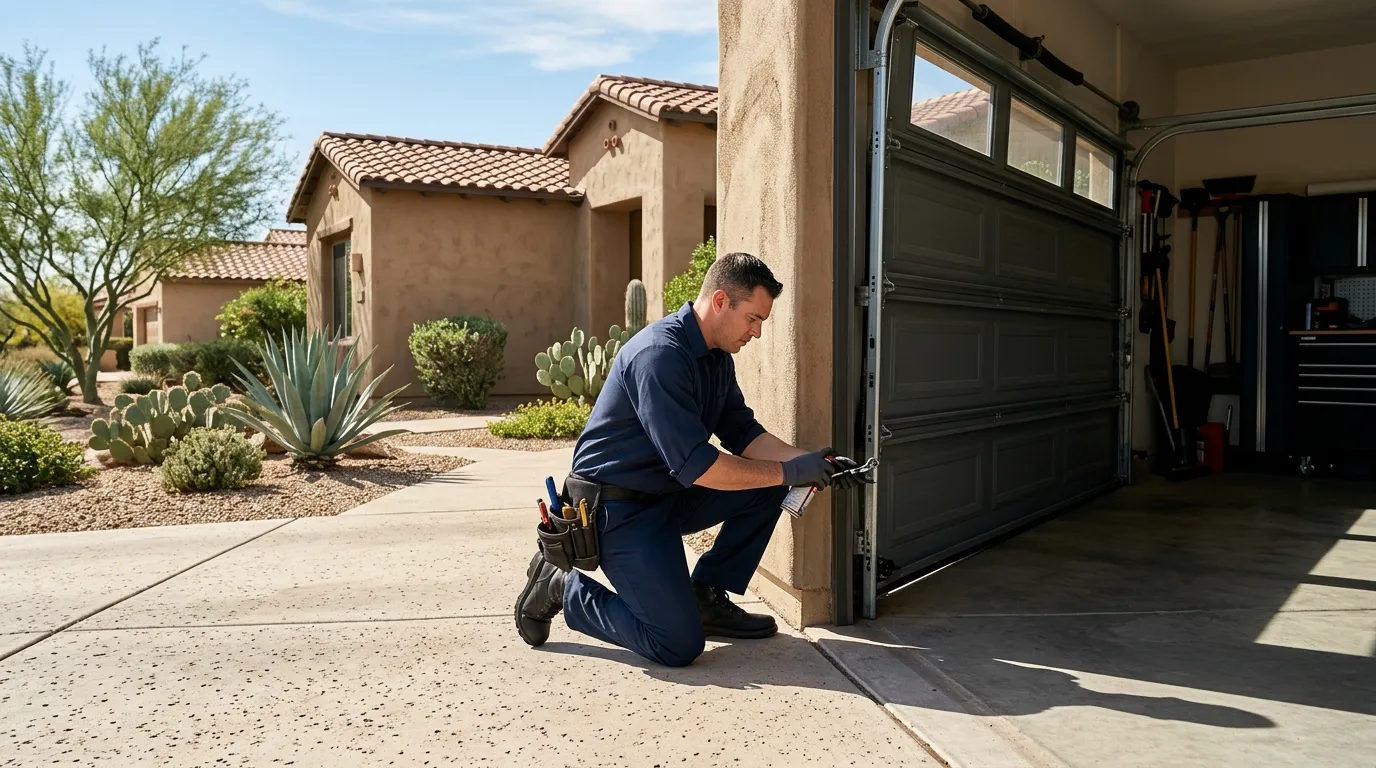
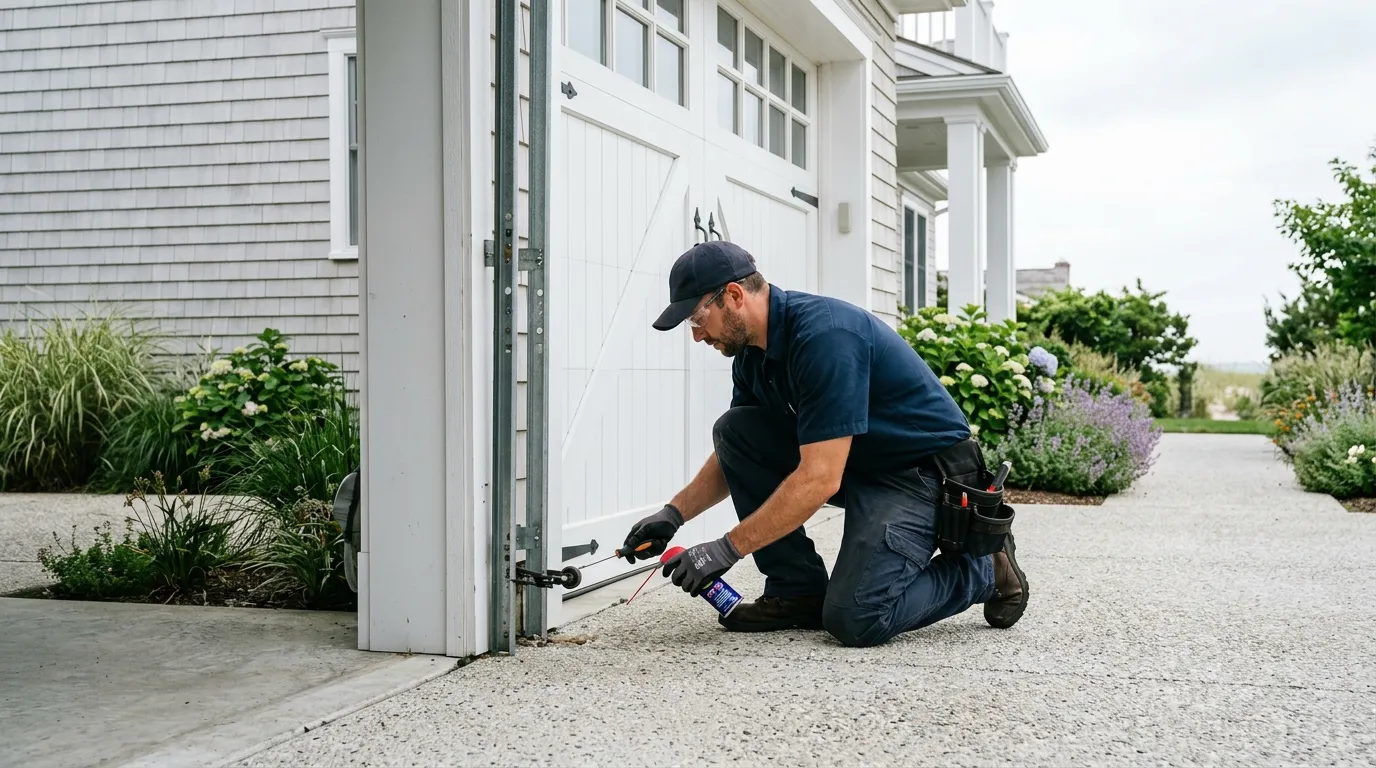
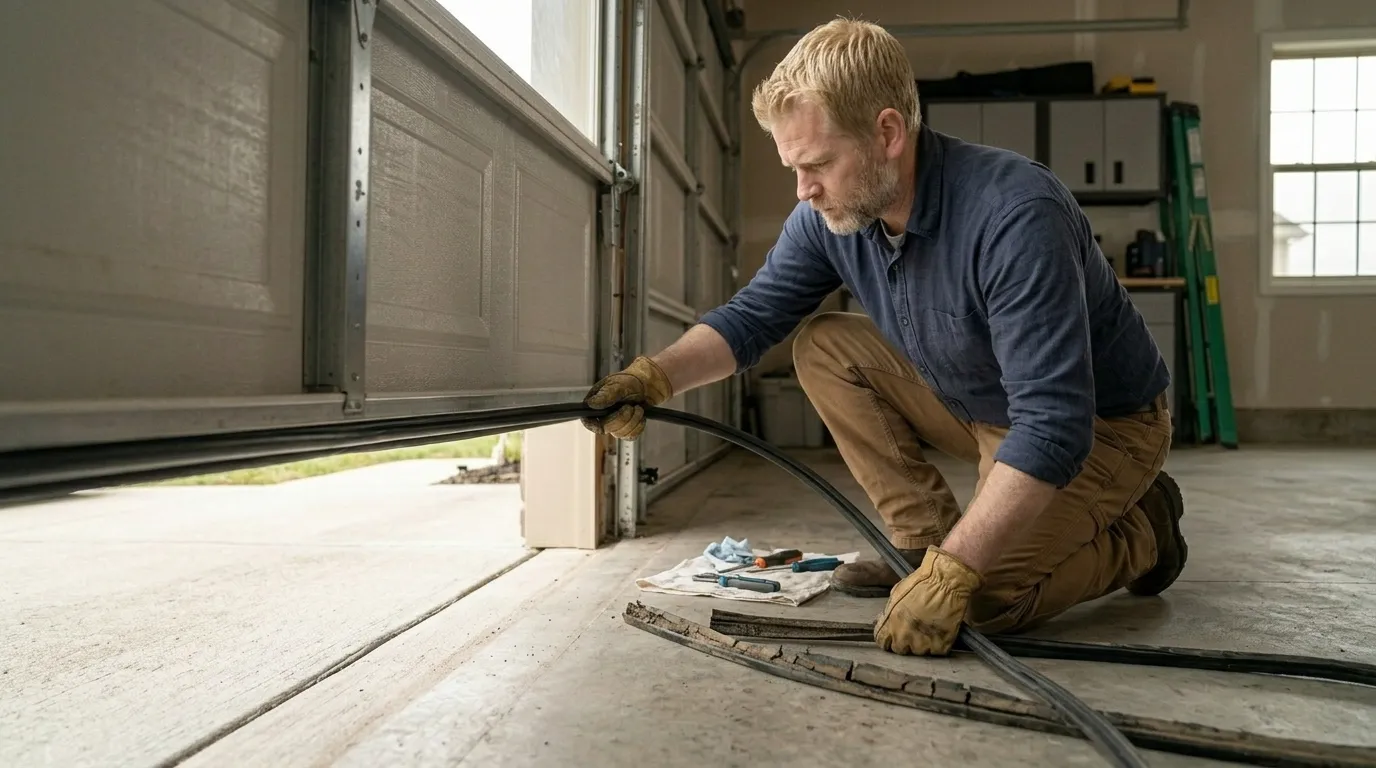
One honest limit: if your opening is narrower than standard and you're looking at a full door replacement, we may need to order a custom-width panel, and that's not a same-visit part. We'll tell you that on the phone rather than after we've driven out. For repairs - springs, cables, rollers, track alignment - we carry what's needed for older extension-spring systems on the truck.
How it works
From “it’s stuck” to “it’s fixed”
01
Tell us what’s wrong
Describe the symptom - won’t open, loud bang, opener runs but the door won’t move.
02
On-site diagnosis
A technician tests the door under power and by hand and finds what actually failed.
03
Clear, up-front plan
You get the fix that’s needed and what drives the cost - before any work starts.
04
Repaired & tested
The repair is done, the door is set true and tested, and the work area left clean.
Serving Youngstown, OH - tell us what your door’s doing and we’ll take it from there.
No. We run out of Youngstown, about 19 miles away, and East Palestine is the farthest town in our coverage area. We still take calls here, but we plan the trip rather than treat it as a quick stop.
Why does my door still use extension springs instead of torsion springs?
Houses built around East Palestine's 1948 median often kept the original extension-spring track setup even after later door swaps. It's common on housing this age and isn't a defect - it just wears and fails differently than torsion springs.
Can you replace my door with a standard size?
Sometimes. Openings on 1940s-era houses can run narrower than today's standard widths, so a straight swap doesn't always fit without framing changes. We'll check the opening before quoting a replacement rather than assume it's standard.