McDonald is a small area - about 1,380 households - sitting inside a region that runs 73,784 households and 41,076 owner-occupied houses overall. The houses here line up with the wider service area's build pattern: most of the region's stock went up between 1938 and 2000, with a median year built of 1964, and McDonald's own housing sits right at that same 1964 mark. That means the doors we find here aren't new-construction inventory. They're doors installed, or replaced once already, during a build era that favored certain hardware setups that aren't common on newer builds. Income here runs above the region's overall median of $60,598, which we mention only because it tends to shift the calls we get - more owners here choose to replace an aging door outright rather than keep patching one along. That's not a guess about your household specifically, just a pattern we see across areas with similar numbers. Whether a McDonald house was built in the early sixties or renovated since, the door hardware conversation usually starts with the same question: is this the original unit, or a replacement from the eighties or nineties. Either way, the parts on hand aren't the parts a big-box store carries off the shelf.
What That Means for Doors
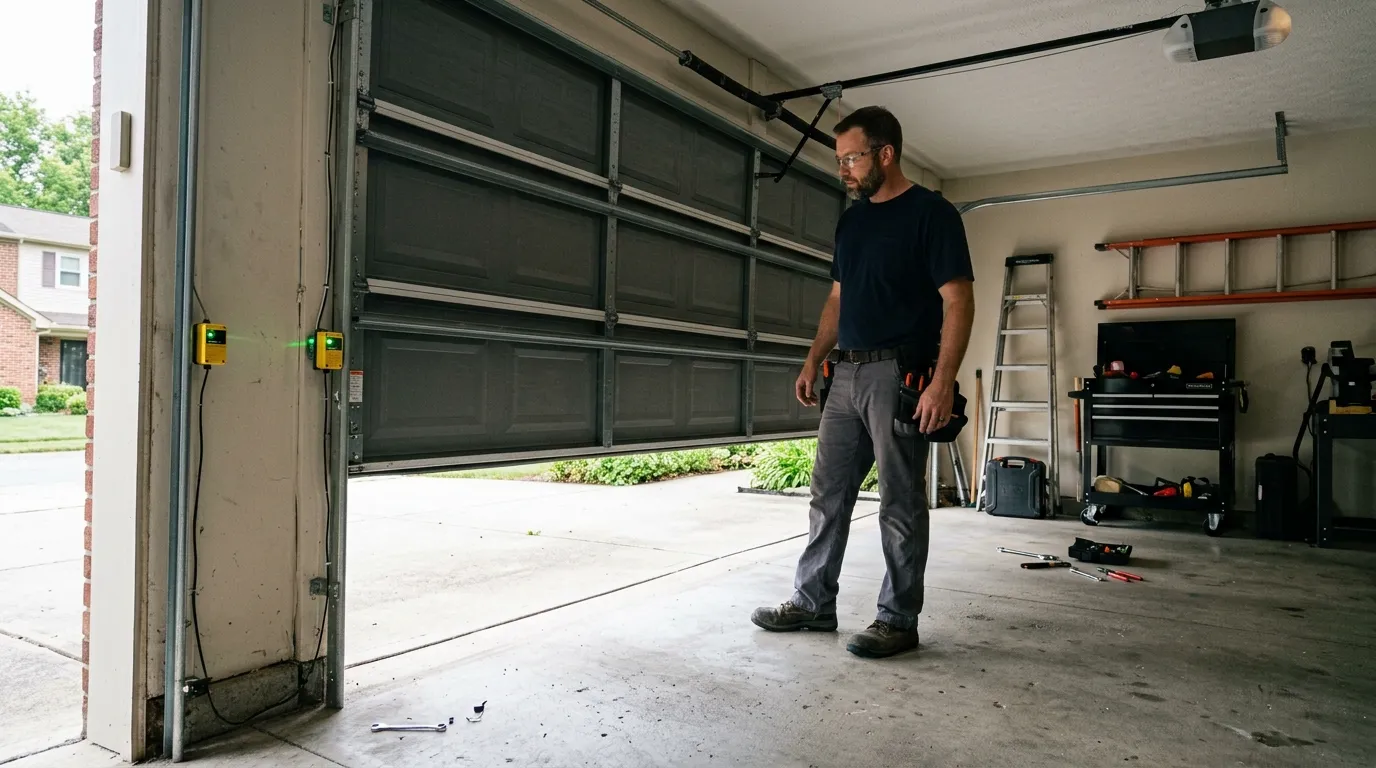
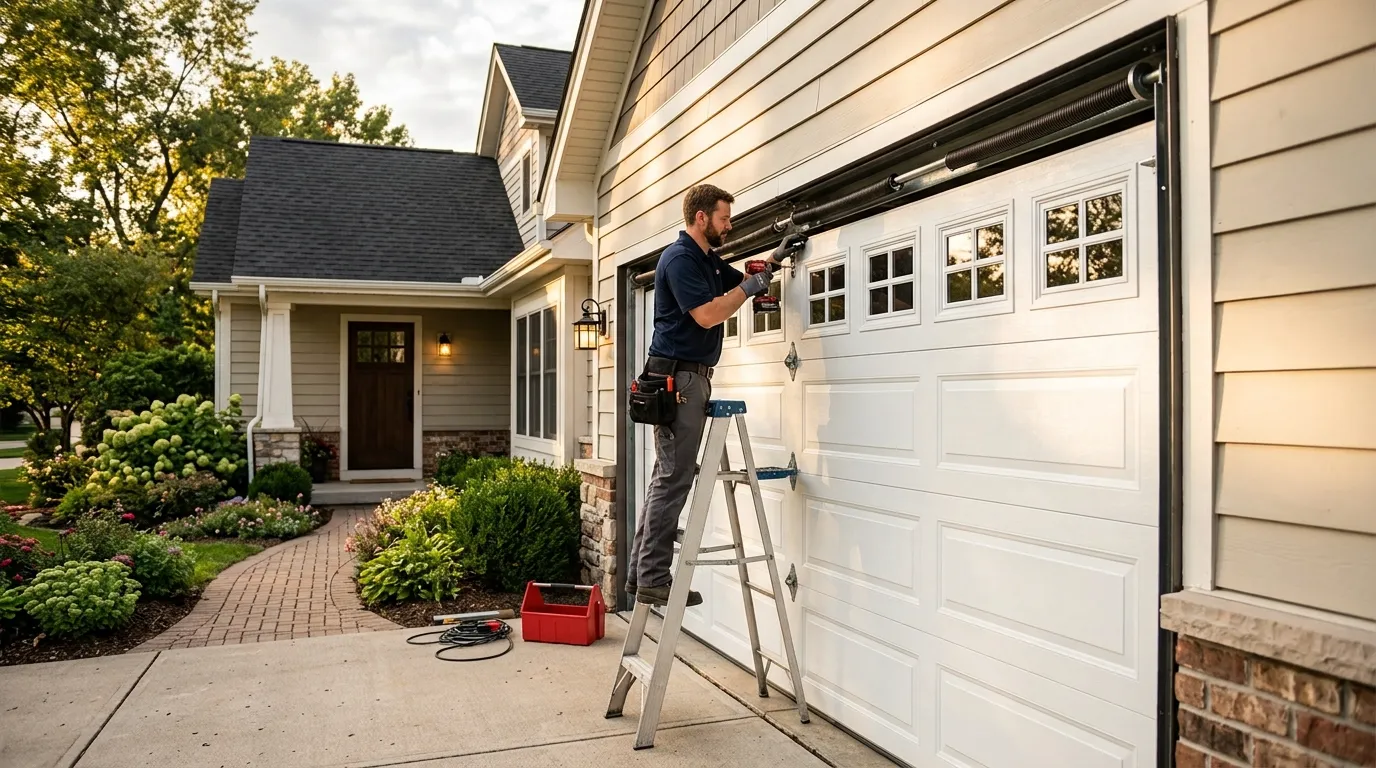
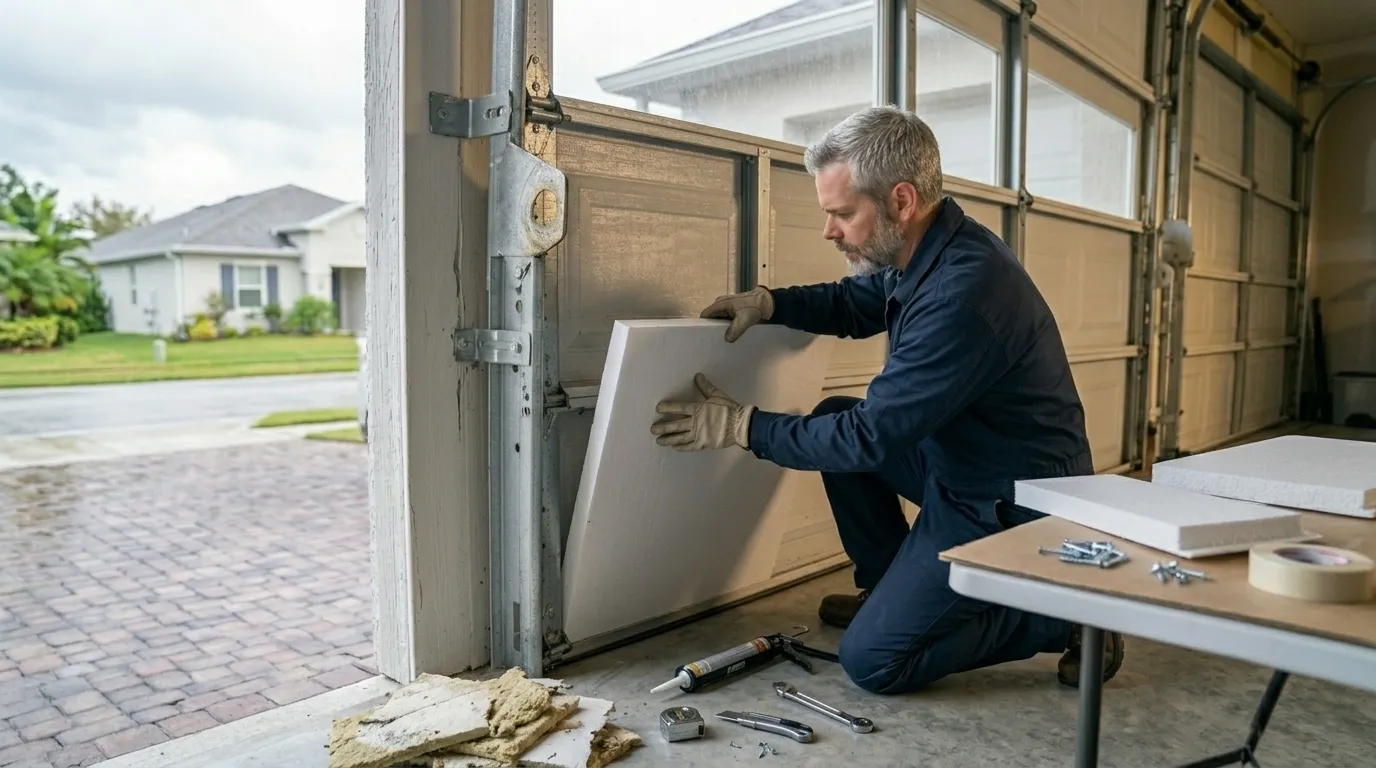
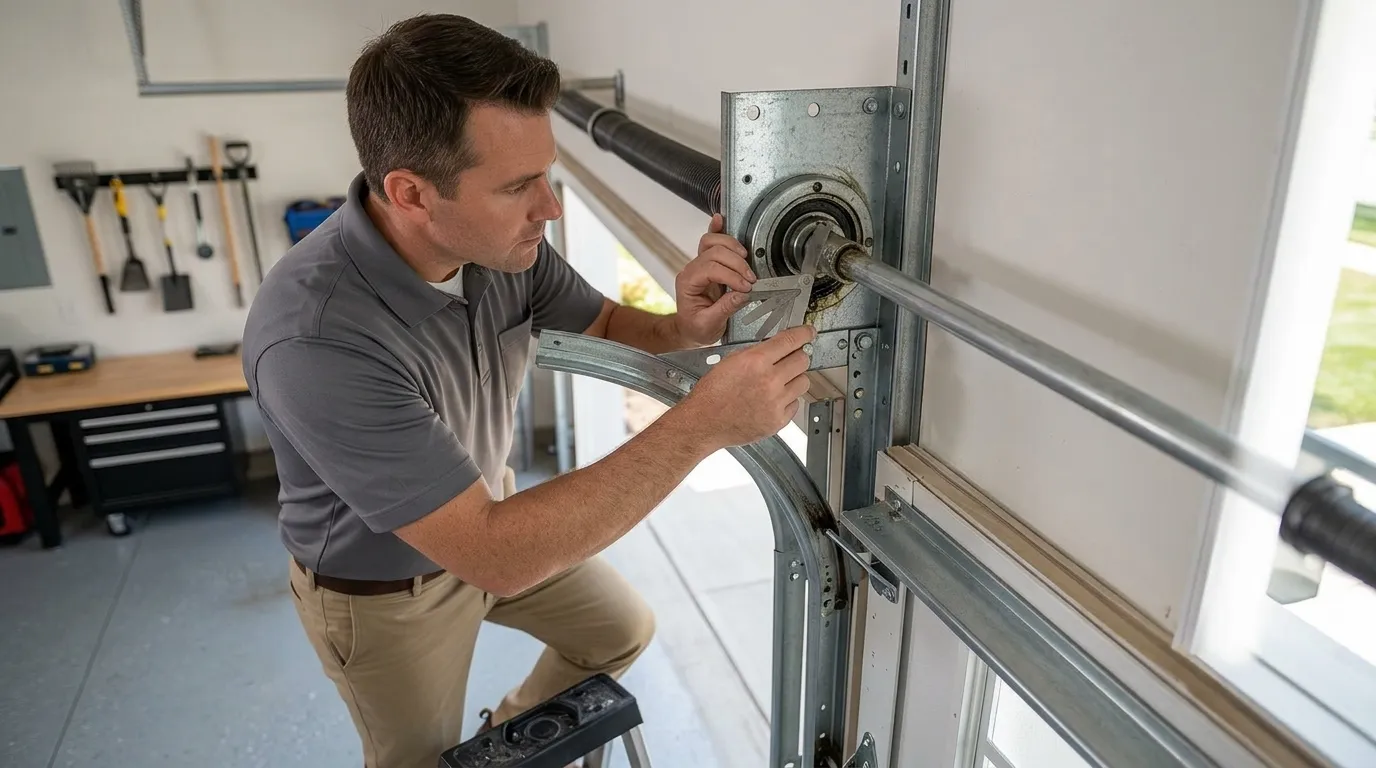
Across the region, most garage doors trace back to 1960s and 70s construction spread over 28 named areas, and McDonald's stock fits that pattern squarely. Doors from that era commonly ran on side-mounted torsion springs or older extension-spring setups bolted along the horizontal track rather than centered above the door - hardware you don't see on doors sold today. The steel panels from that period also tend to run thinner, with little to no insulation layer, which matters more here than it would somewhere with a milder climate. The service area sits in a cold-severe climate band, and an uninsulated 1960s-era steel door does a poor job holding heat, especially once the panel seams have loosened over sixty-plus years of expansion and contraction. We'll be straight about one thing: we don't always carry an exact replacement panel for a door this old on the truck. Sometimes the fix is a special order, and sometimes the honest answer is that patching a fifty-year-old panel costs more in parts and labor than replacing the whole door section. We'll tell you which situation you're in before we start.
When We Can Get There
We run out of Youngstown, and McDonald sits about 6 miles out. We don't have a depot in McDonald itself, so every job here starts with a drive - that's just the geography, not a promise of a same-day slot. What that distance does mean is we're closer to McDonald than to several other towns on our list, including places like Columbiana, Salem, or New Waterford, which sit considerably farther out at 15 to 17 miles. We're not going to claim a response time we can't back up in writing, but the short drive from Youngstown means McDonald isn't an afterthought on the route the way some of the farther towns can be. If you're calling about a spring that let go on a cold morning, tell us that up front - it changes how we plan the truck's stops that day.
The Calls We Get From Here
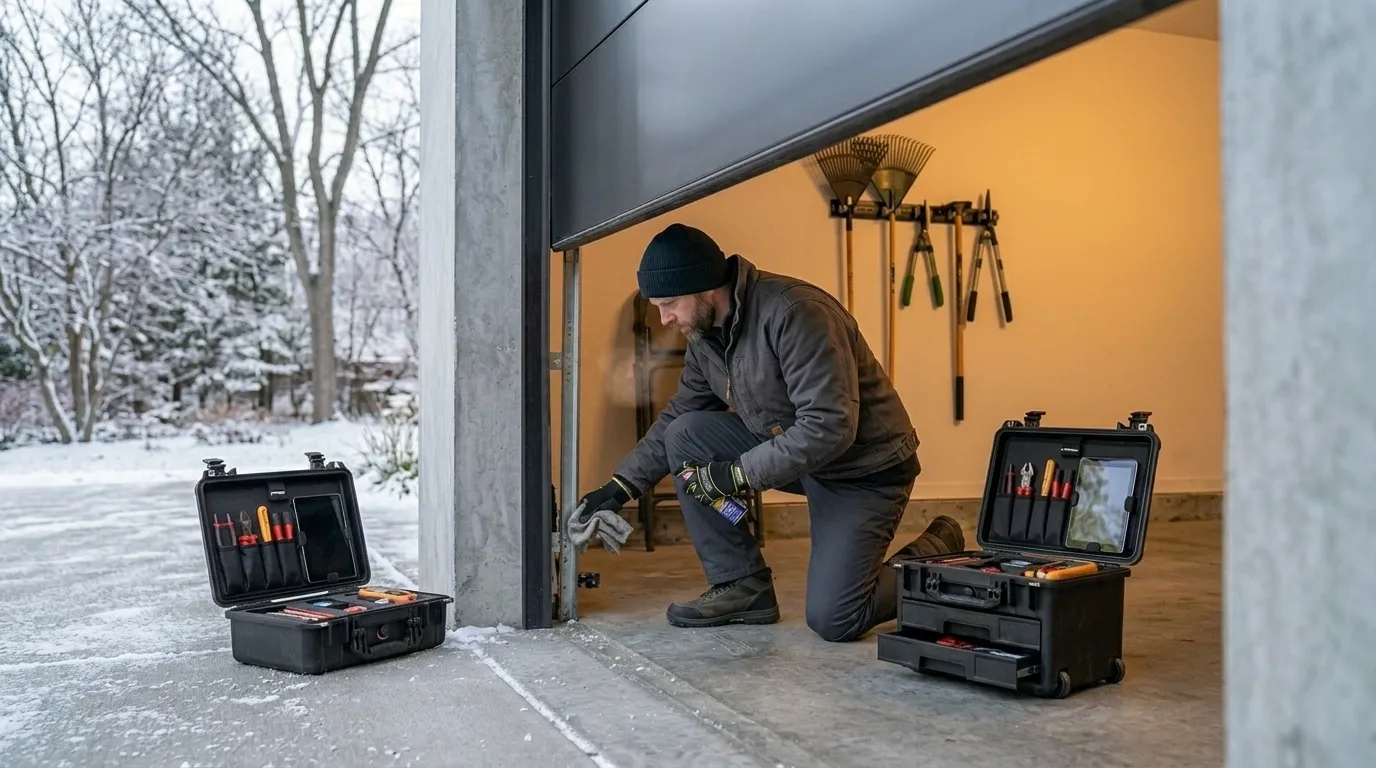
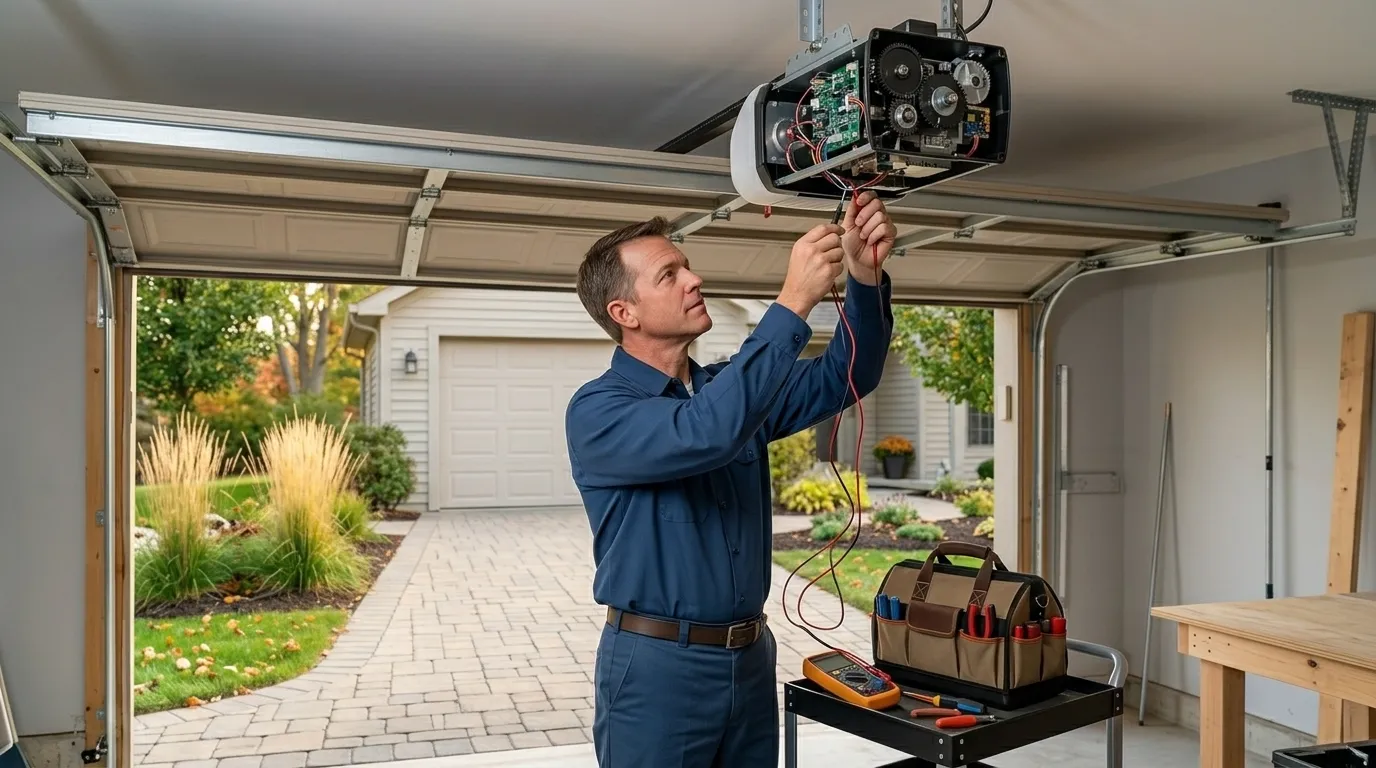
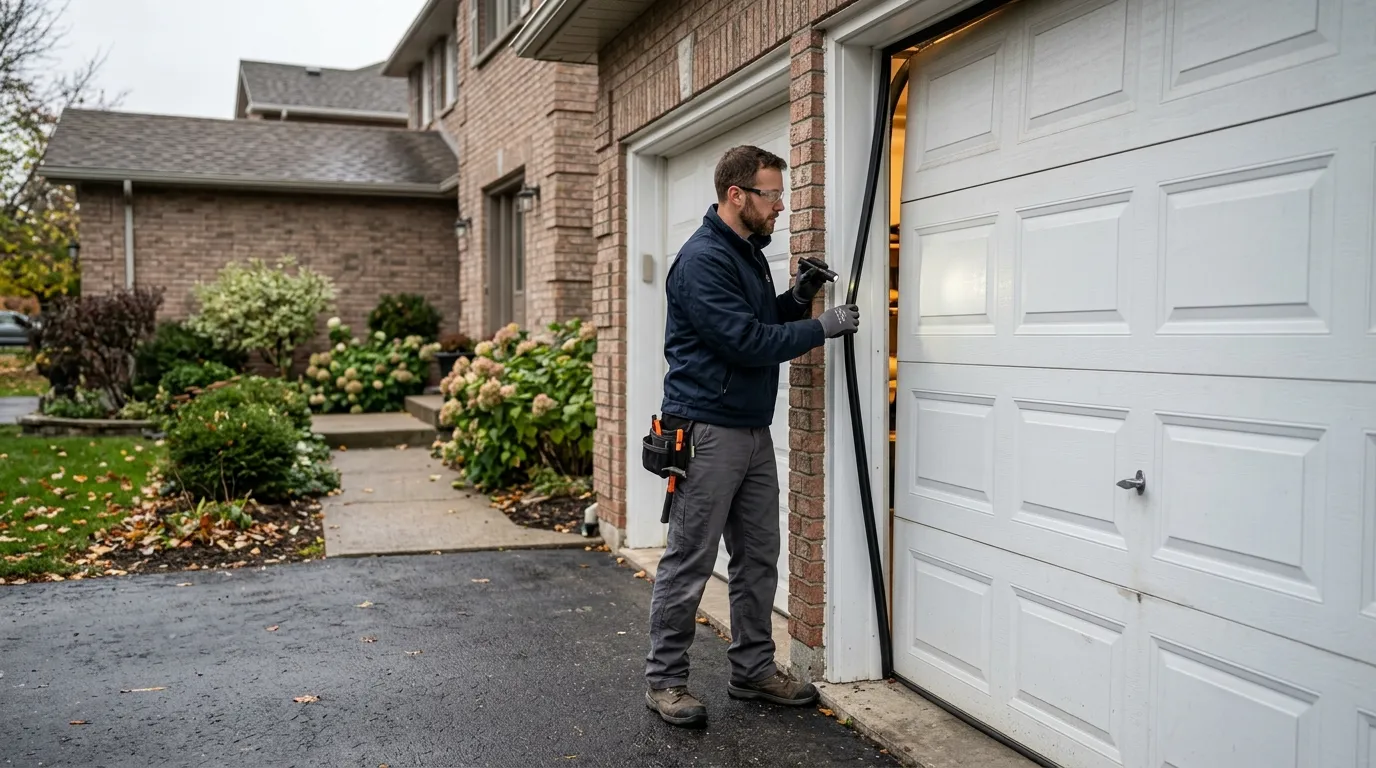
Cold-severe winters are hard on garage door hardware everywhere in this region, and McDonald's older housing stock takes it worse than newer builds do. The calls we get from this side of the area cluster around a few things: torsion springs that snap on the first genuinely cold morning of the season, because metal fatigue and cold temperatures don't mix well; openers that strain or stall trying to lift a door that's grown heavier with age as lubricant thickens in the cold; and tracks that bind up when a slab has settled slightly over decades, which is common in housing from the 1964 build era. We also get calls where the fix isn't the spring or the opener at all - it's a door that's simply reached the end of its service life, panels rusted through at the bottom or seams pulled apart from repeated freeze-thaw cycles. In those cases we'll say so rather than keep billing for patch repairs on a door that won't hold up through another winter.
How it works
From “it’s stuck” to “it’s fixed”
01
Tell us what’s wrong
Describe the symptom - won’t open, loud bang, opener runs but the door won’t move.
02
On-site diagnosis
A technician tests the door under power and by hand and finds what actually failed.
03
Clear, up-front plan
You get the fix that’s needed and what drives the cost - before any work starts.
04
Repaired & tested
The repair is done, the door is set true and tested, and the work area left clean.
Serving Youngstown, OH - tell us what your door’s doing and we’ll take it from there.
No. We run out of Youngstown and travel to McDonald, which is about 6 miles away. There's no local depot here, so every job starts with the drive from Youngstown - we won't pretend otherwise.
Why do older McDonald garage doors break more in winter?
A lot of McDonald's housing dates to around 1964, and doors from that era often run on original torsion or extension spring hardware without modern insulation. Cold-severe winters in this region make aging steel and old springs more likely to fail, especially on the first hard freeze.
Can you match the panel style on an older door?
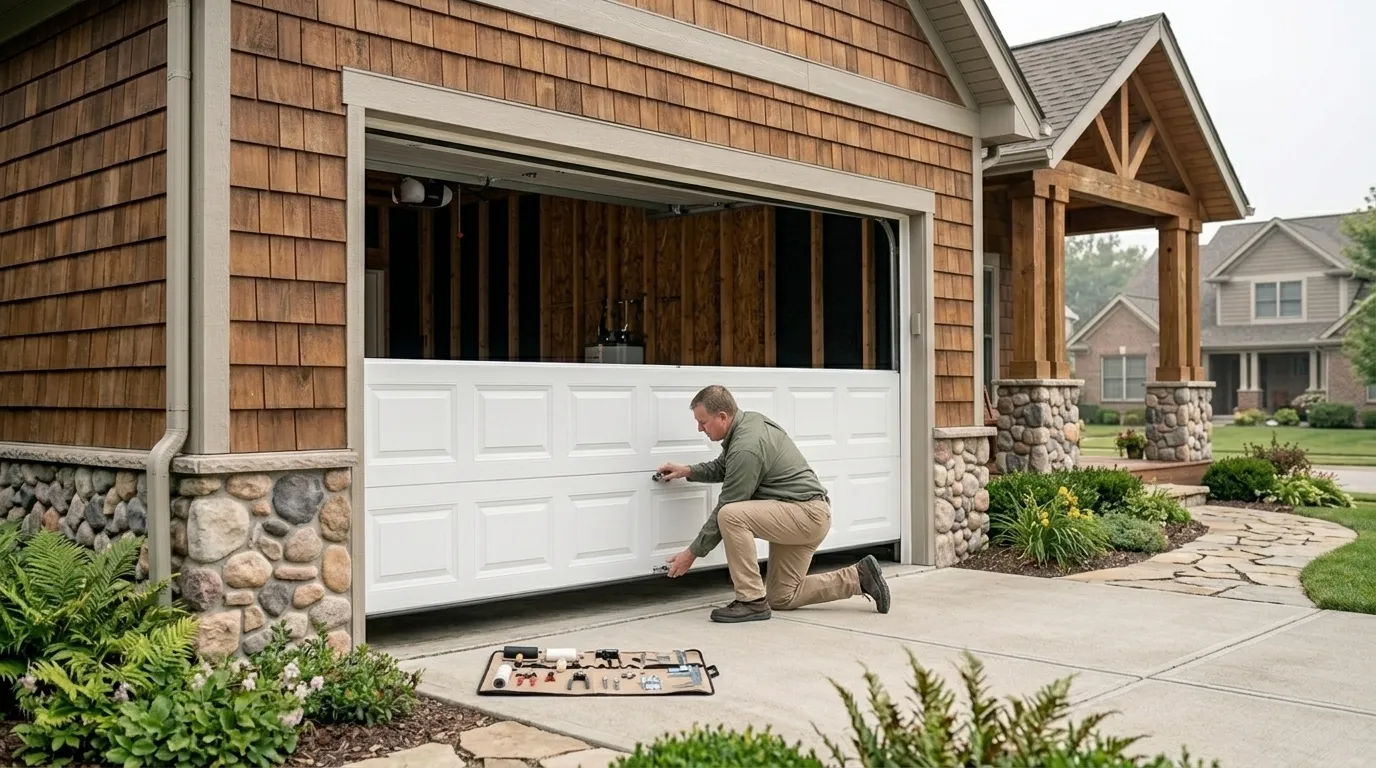
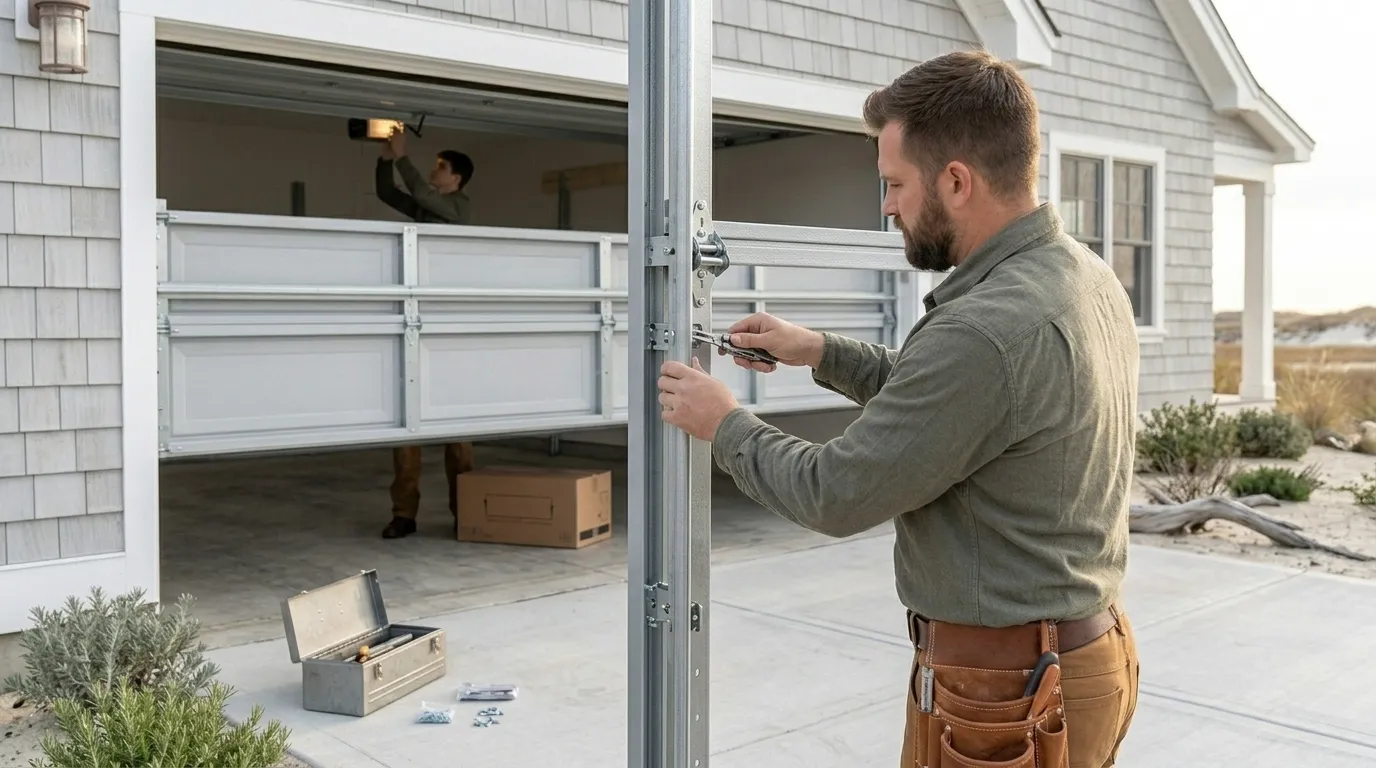
Sometimes, but not always off the truck. Doors from the 1960s and 70s era common in this area sometimes need a special-order panel, and occasionally full replacement makes more sense than chasing an exact match on a fifty-year-old door.
Is McDonald a smaller service call than other towns you cover?
McDonald is one of the smaller areas we serve, with roughly 1,380 households, but that doesn't change how we handle the job. It does mean we see fewer newer-construction doors and more of the older hardware typical of the area's 1964-era housing.