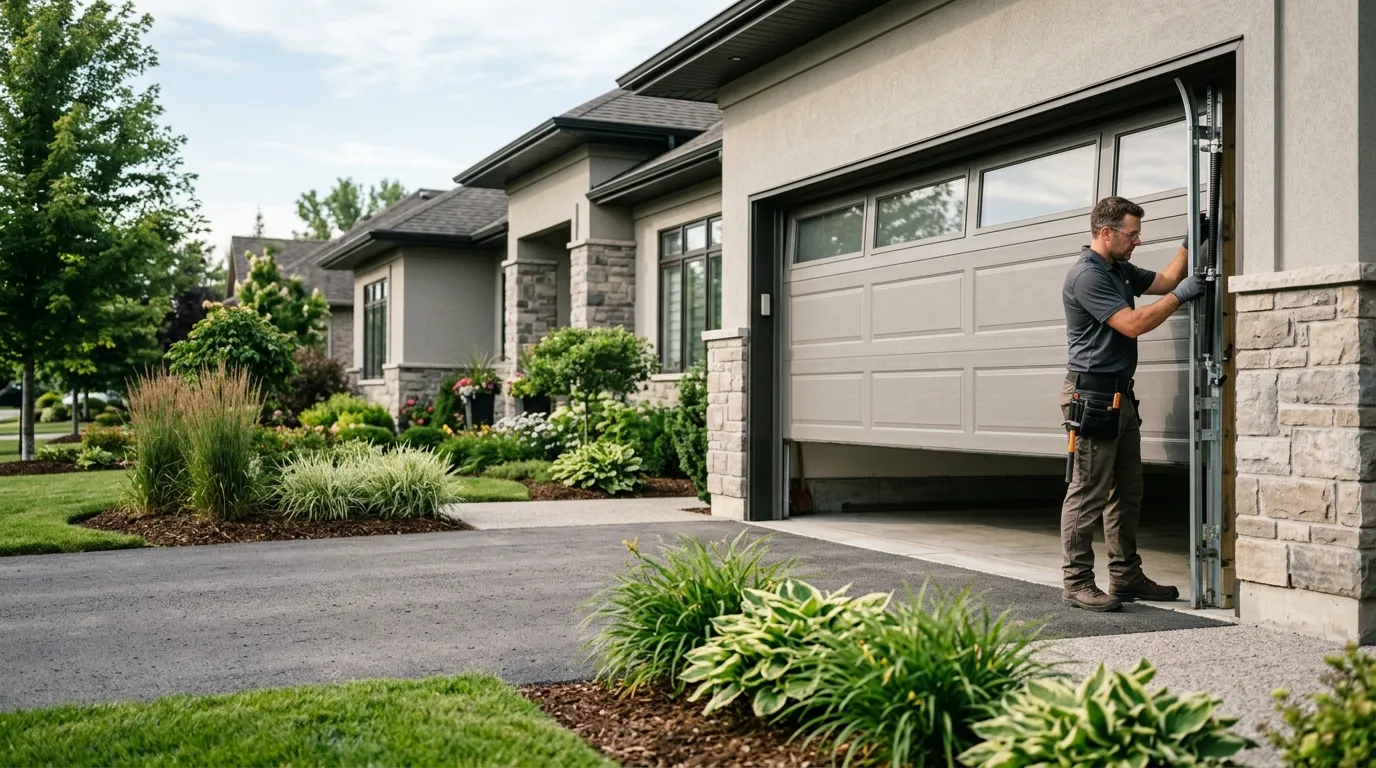
New Middletown homes mostly date to 1970, a bit newer than the wider Youngstown area's 1964 median - which changes what breaks and what parts a job needs. We travel from Youngstown, 10 miles out.
New Middletown's houses cluster around 1970 as a median build year, a touch newer than the wider Youngstown service area, where the median across the region's older neighborhoods runs closer to 1964 and stretches back as far as 1938. That gap matters. A 1970 build usually means the original garage was framed for a single-layer steel or wood door on a torsion spring setup that's already had at least one replacement by now, if the house hasn't been touched. With about 756 households in this pocket and a median income of $50,833, this isn't a neighborhood full of new construction or recent teardown-rebuilds - it's a place where the door hardware people are calling about is often the second or third one that opening has ever seen, not the first. That history shapes the repair calls we get from here more than anything else.
What That Means for Doors
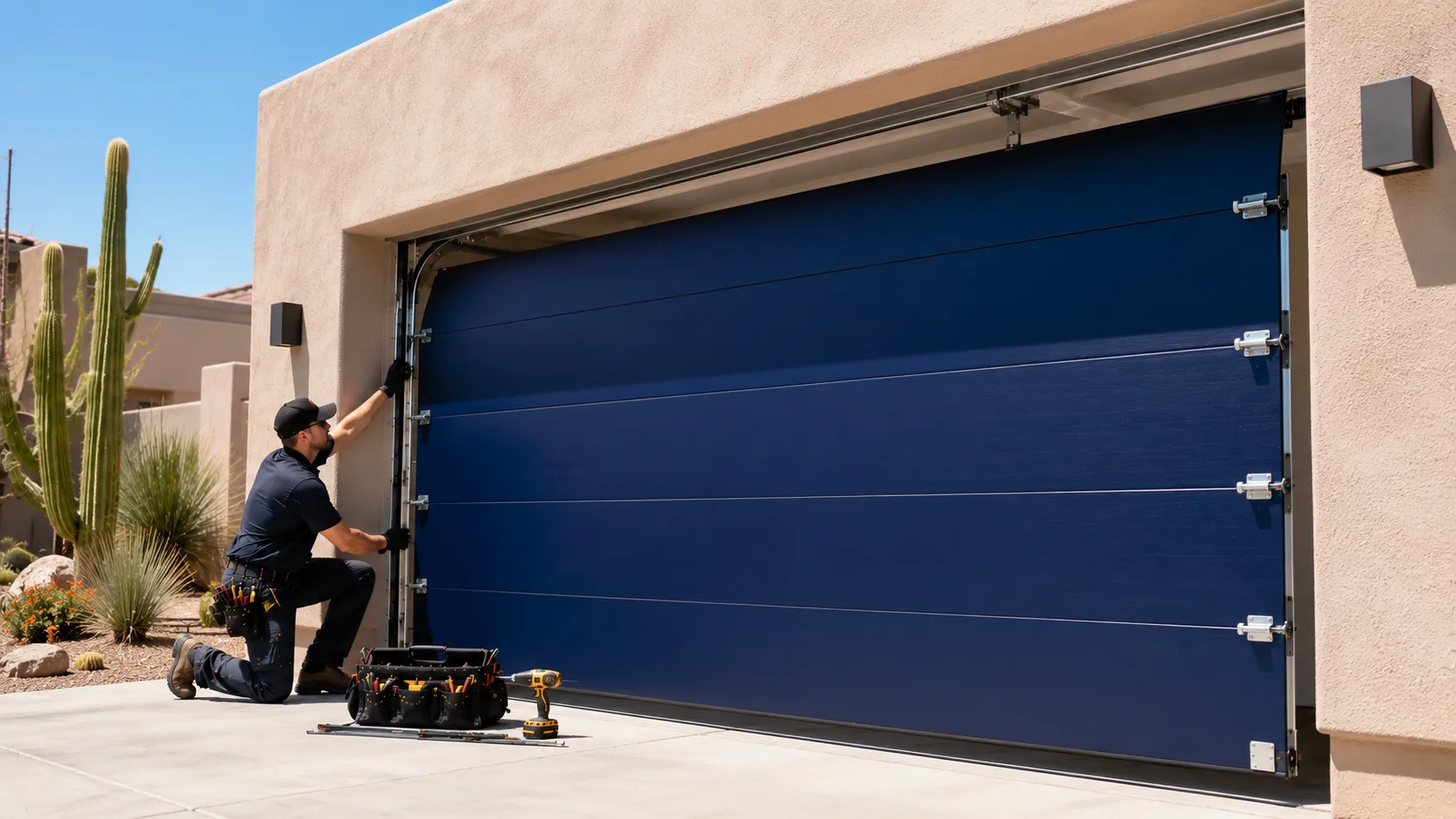
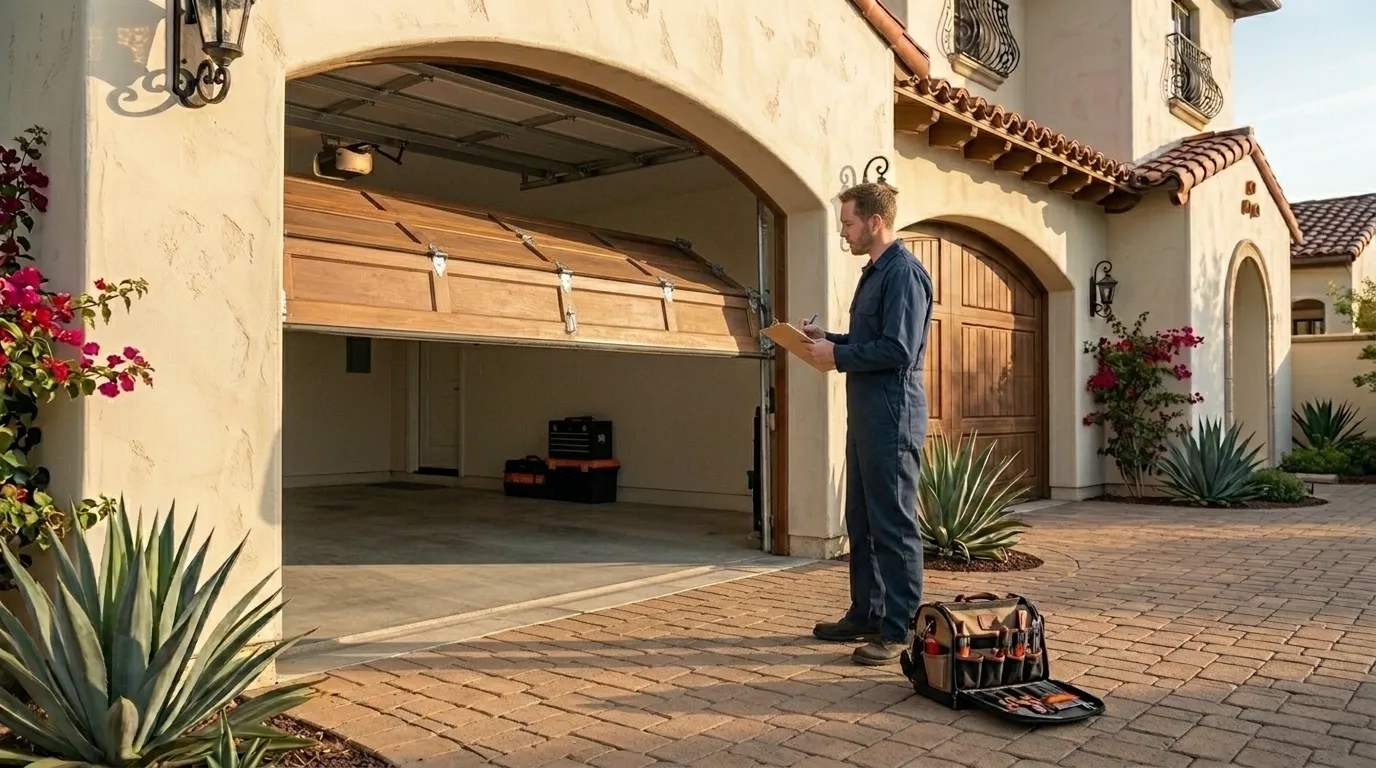
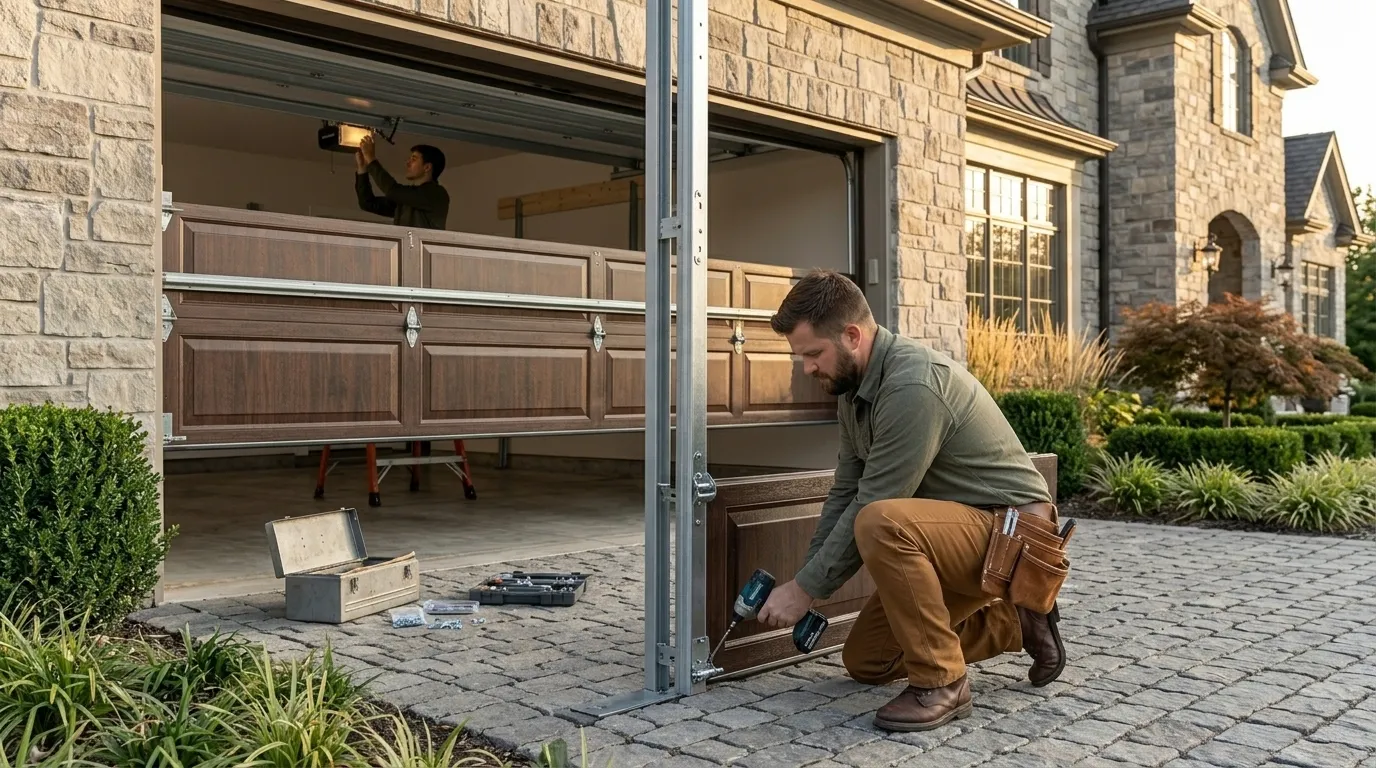
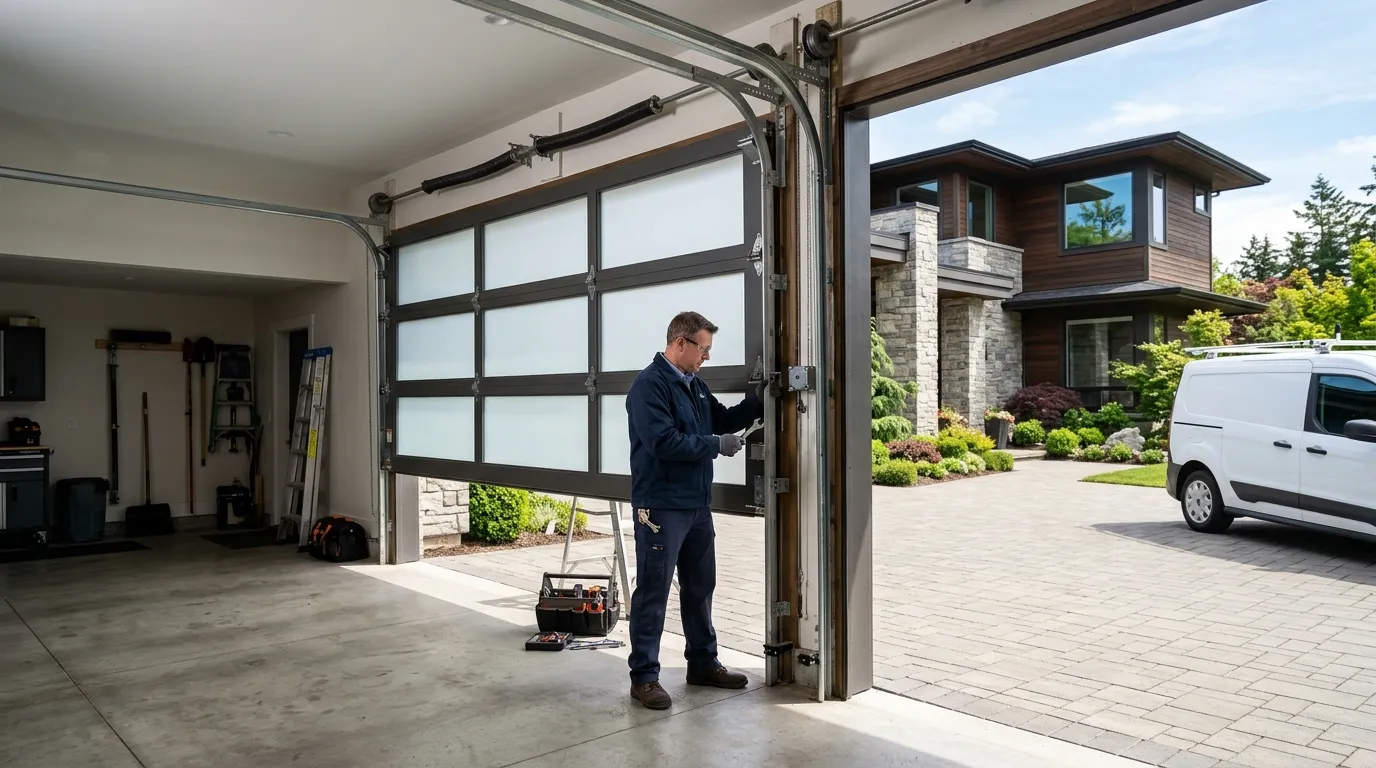
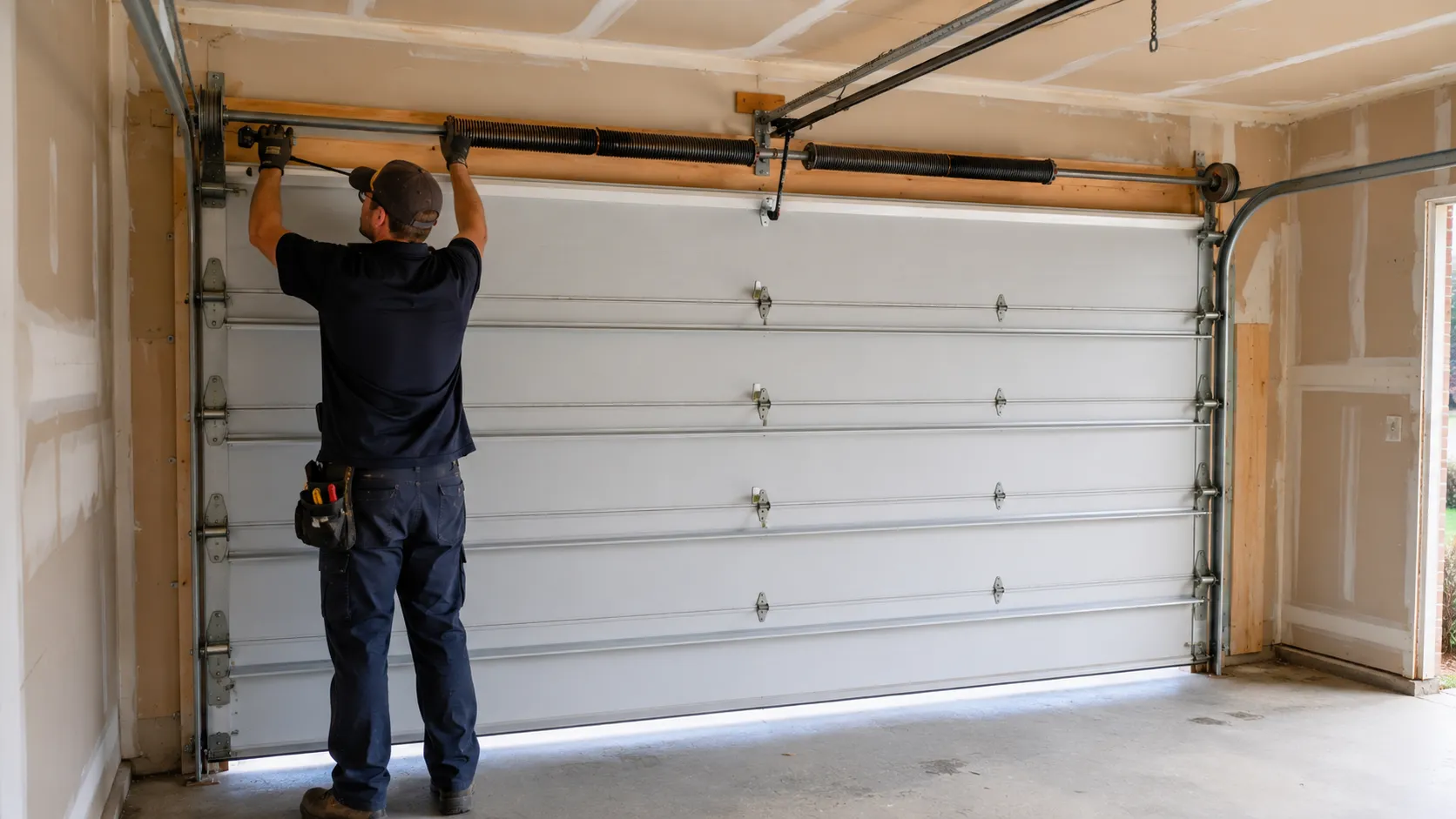
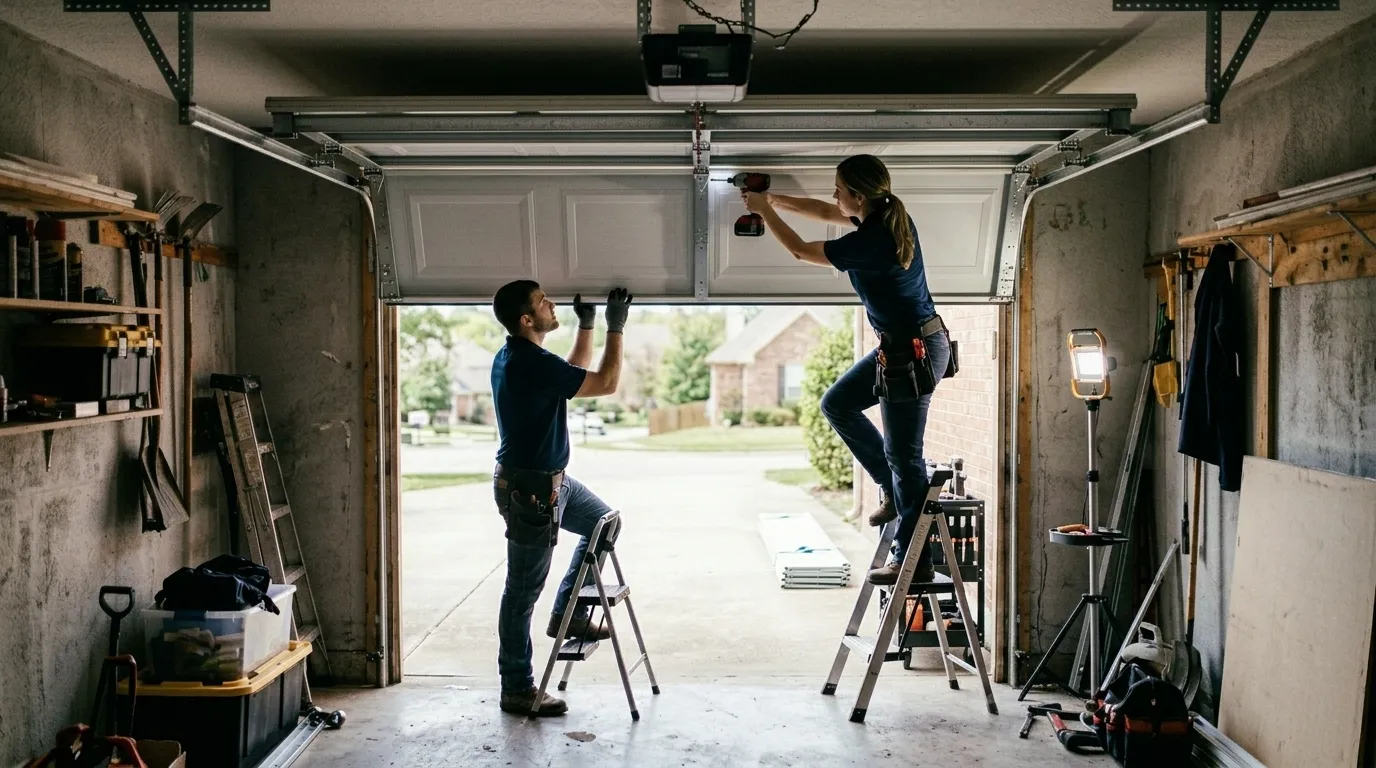
A door installed around 1970 was likely sized and hung before insulated steel doors were standard, so a lot of these openings still carry a single-panel or early sectional door with an extension spring setup up top rather than the torsion bar you'd expect on newer construction. Extension springs age differently than torsion springs - they stretch, fatigue, and snap without much warning, and the safety cables that are supposed to catch a broken spring are often missing entirely on doors this old, since they weren't required when the door went in. The whole service area sits in a severe cold climate zone, and cold makes old steel brittle and old lubricant seize, which is a rough combination on hardware that's already 50-plus years into its working life. If your door is groaning, dropping unevenly, or the opener is straining to lift one side, that's usually the story - not a bad opener, but hardware that was never built for another five decades of Ohio winters.
When We Can Get There
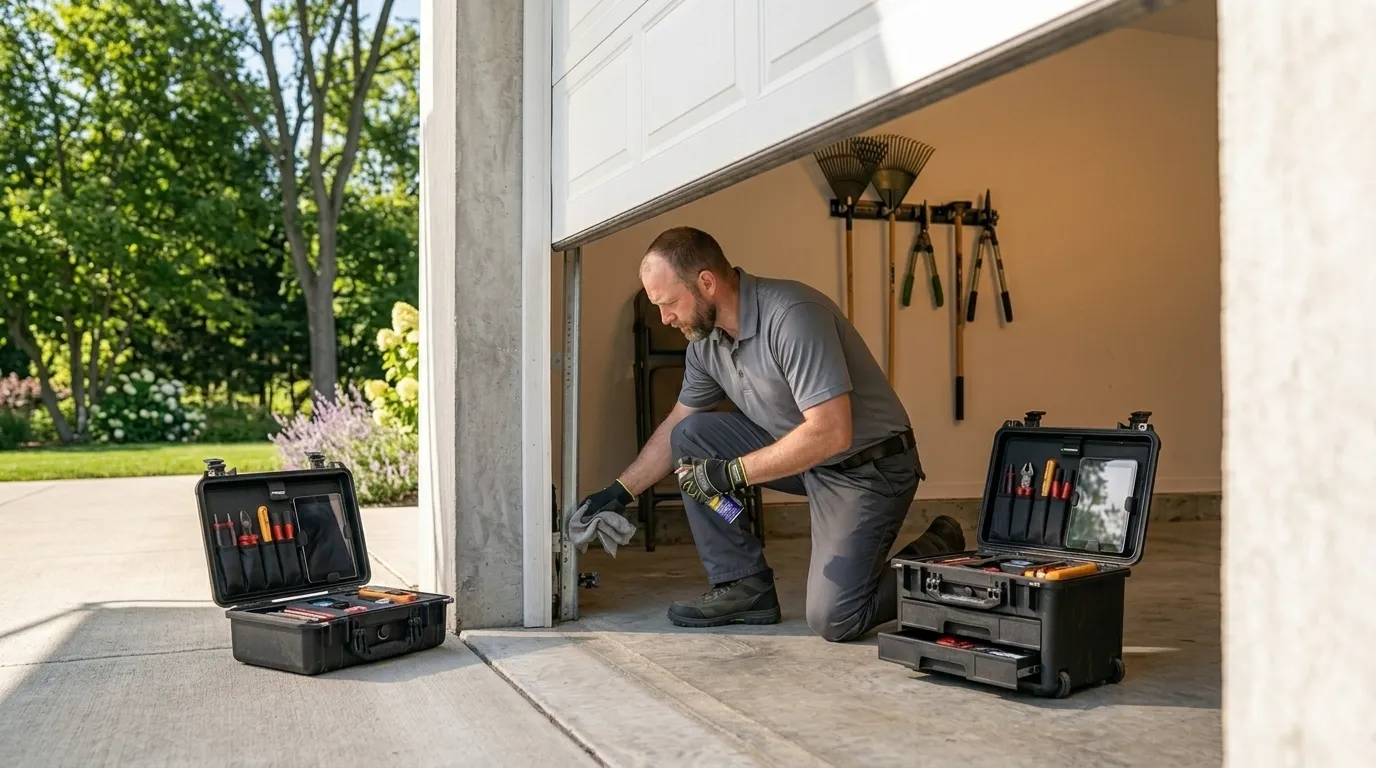
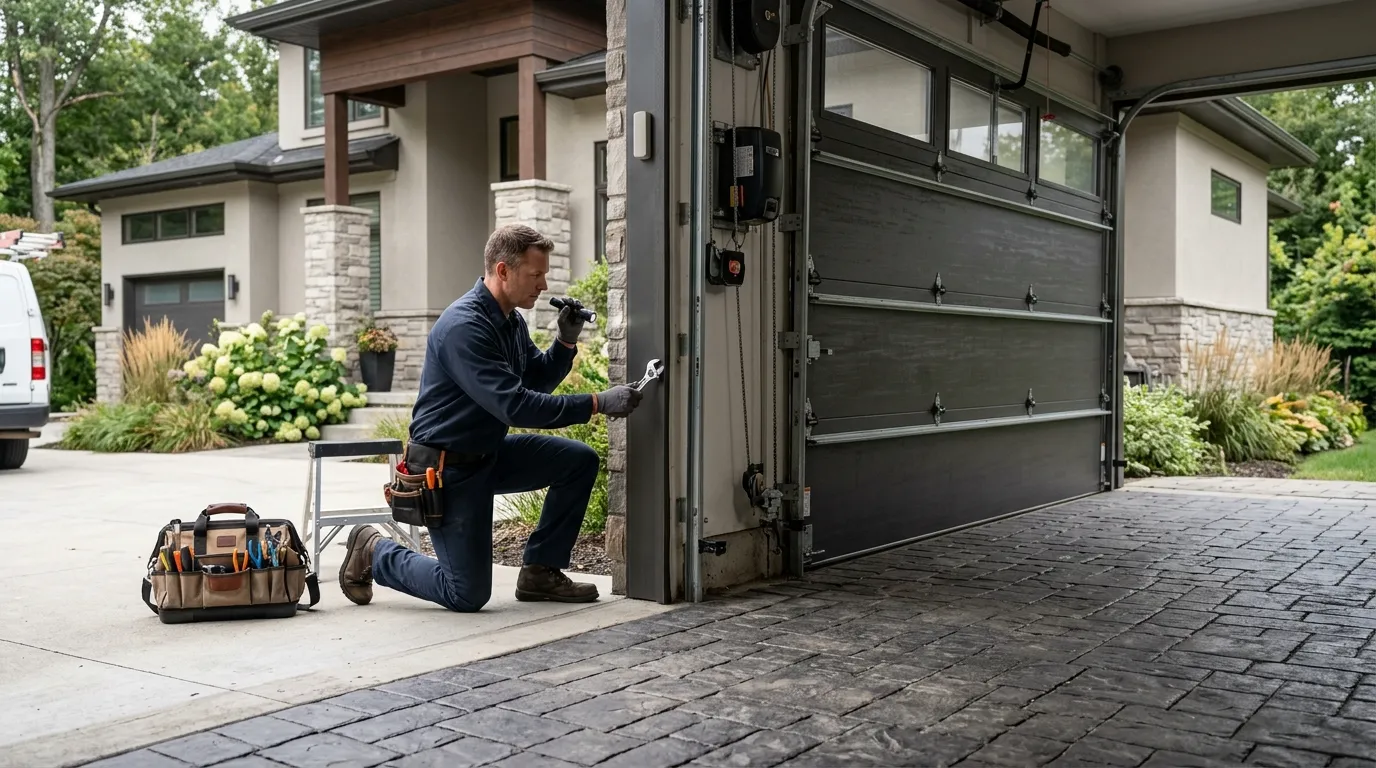
We run out of Youngstown, and New Middletown sits about 10 miles from there. We don't keep a truck stationed in this specific area, so we're not going to tell you we've got someone five minutes away - that would be a lie. What we can tell you is that this stretch, along with nearby areas like Poland and Canfield, is part of our regular route, so a call here isn't a special trip, it's a normal one. Spring failures and off-track doors get scheduled ahead of routine tune-ups because a door that won't close is a security problem, not just an inconvenience.
The Calls We Get From Here
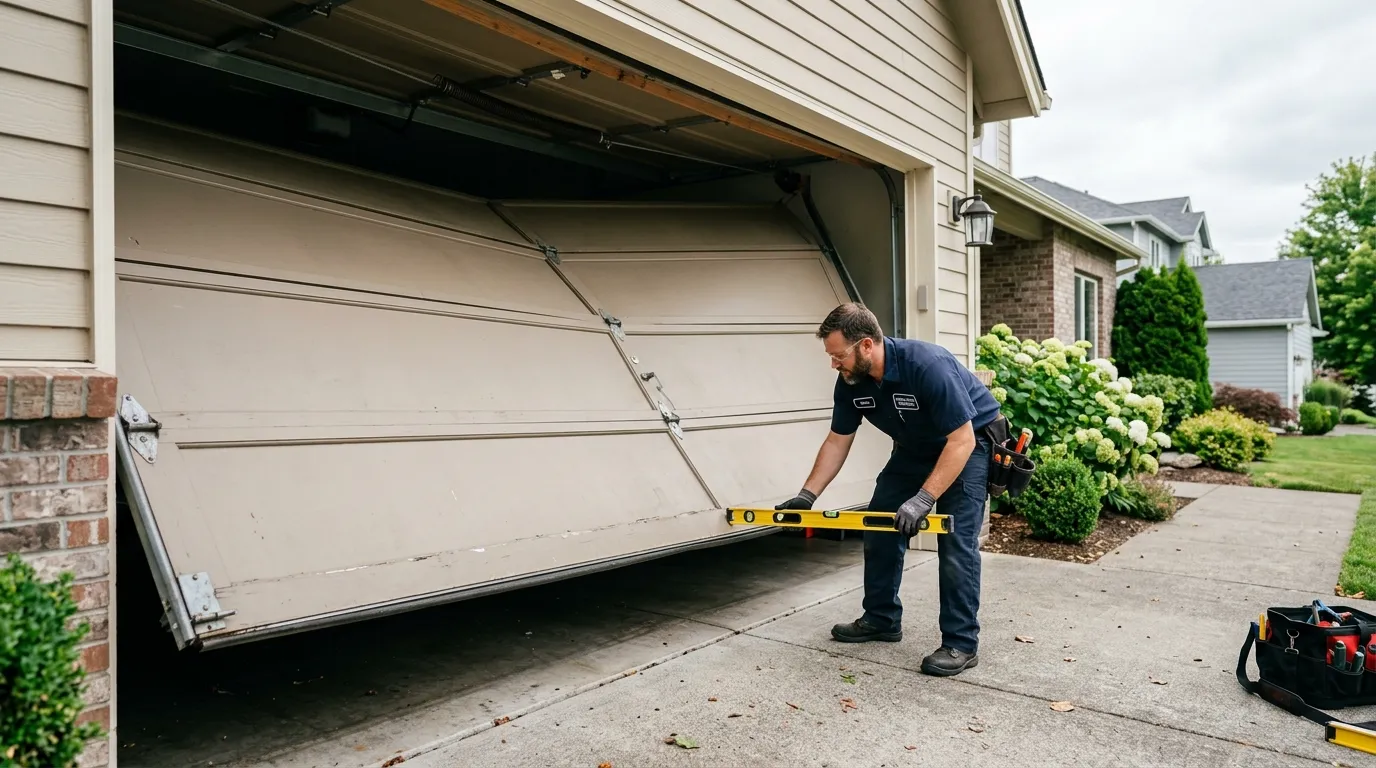
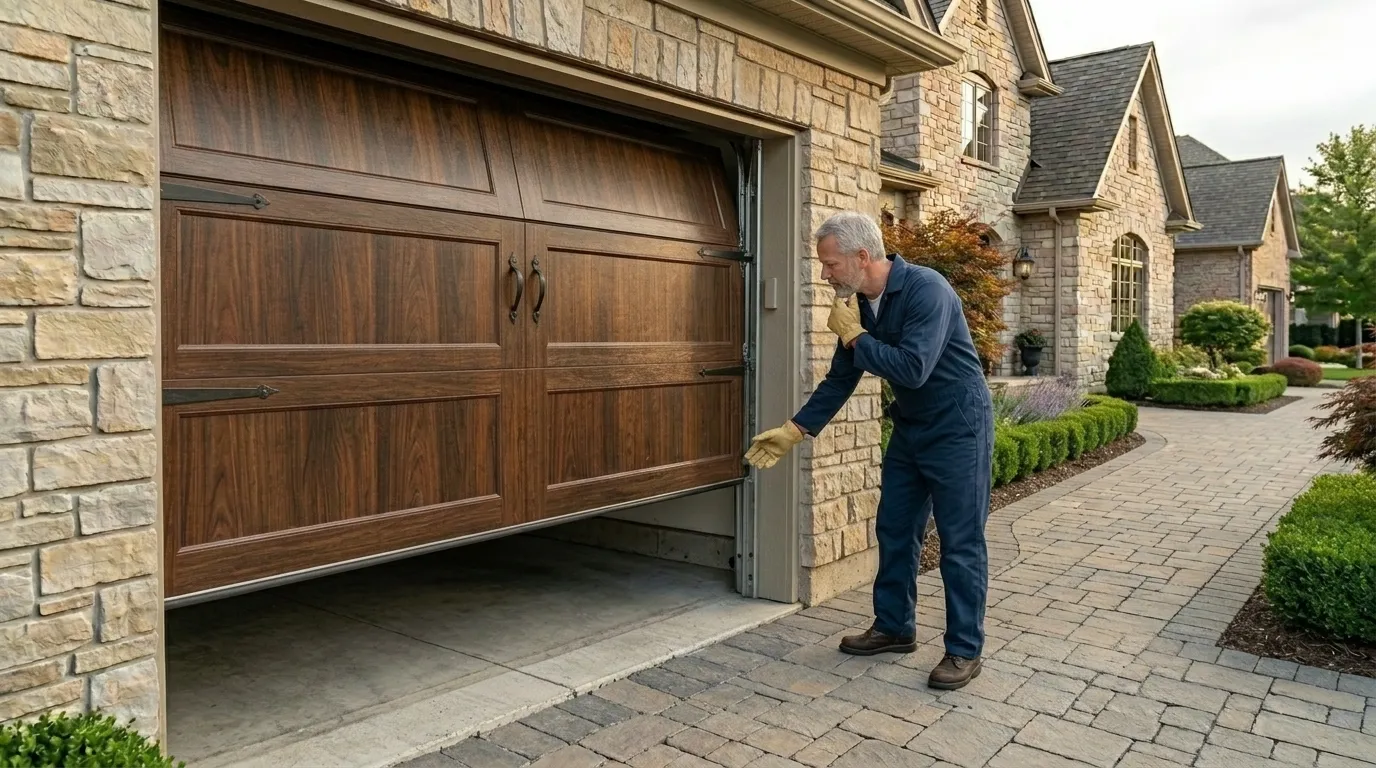
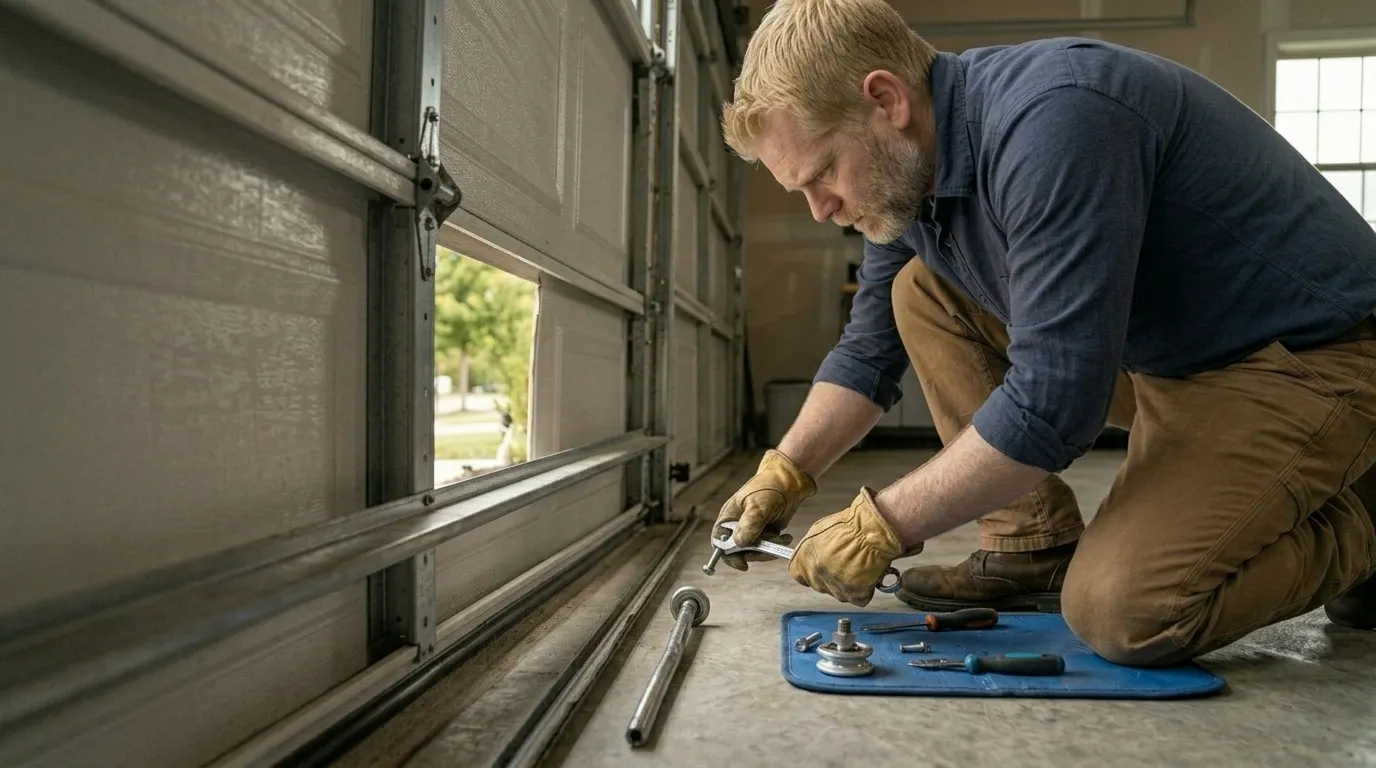
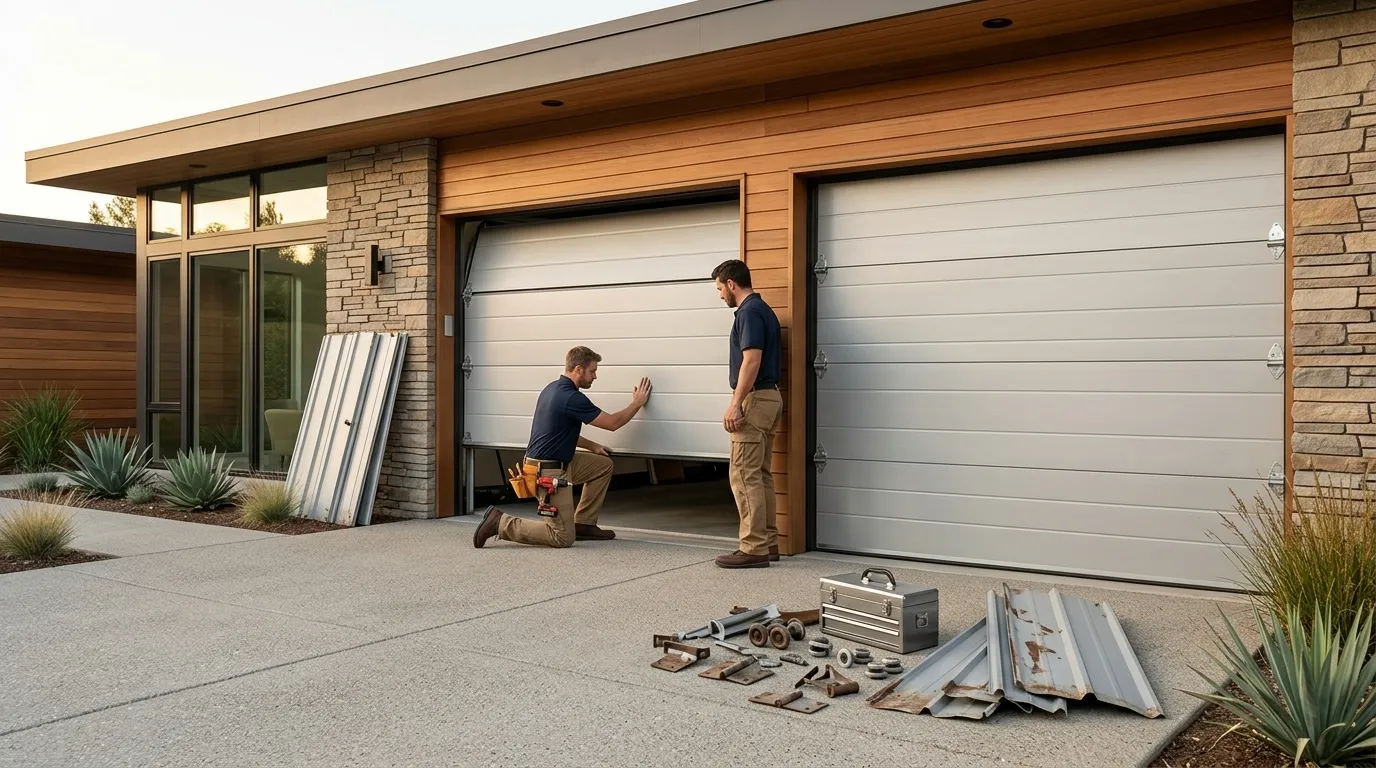
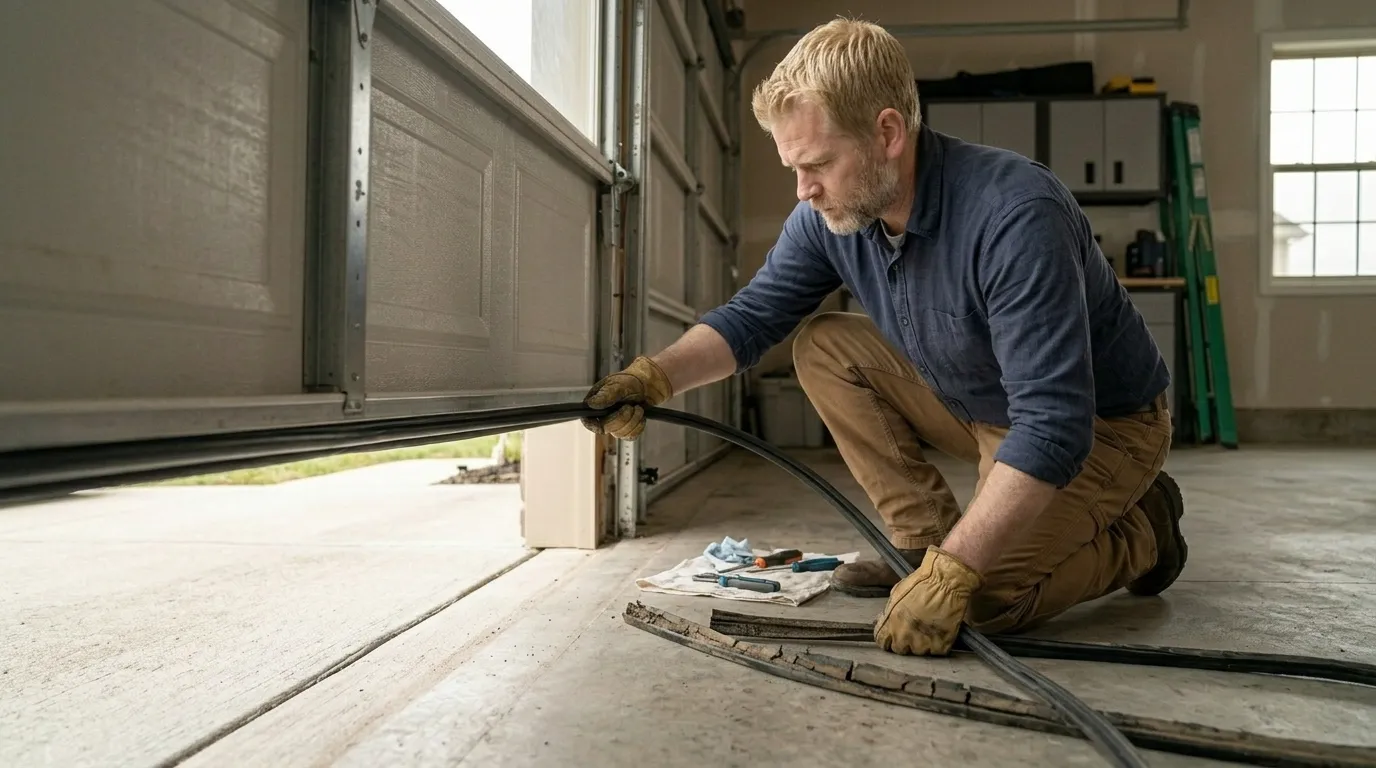
Given the age of the housing stock, the calls tend to run toward extension spring replacement, worn rollers that have gone from steel to plastic and back again over the decades, and openers that are the second or third unit on the same track since 1970. We also see a fair number of doors where the track itself has been bent or knocked out of alignment - common on garages this age where the opening settled slightly over fifty-plus years. One honest limit: if the door itself is original and the panels are rusted through or the track is too warped to true up, we're going to tell you replacement makes more sense than another repair, even if that's not what you called about. Patching a door that's fighting you at every hinge just moves the next breakdown a few months down the road.
How it works
From “it’s stuck” to “it’s fixed”
01
Tell us what’s wrong
Describe the symptom - won’t open, loud bang, opener runs but the door won’t move.
02
On-site diagnosis
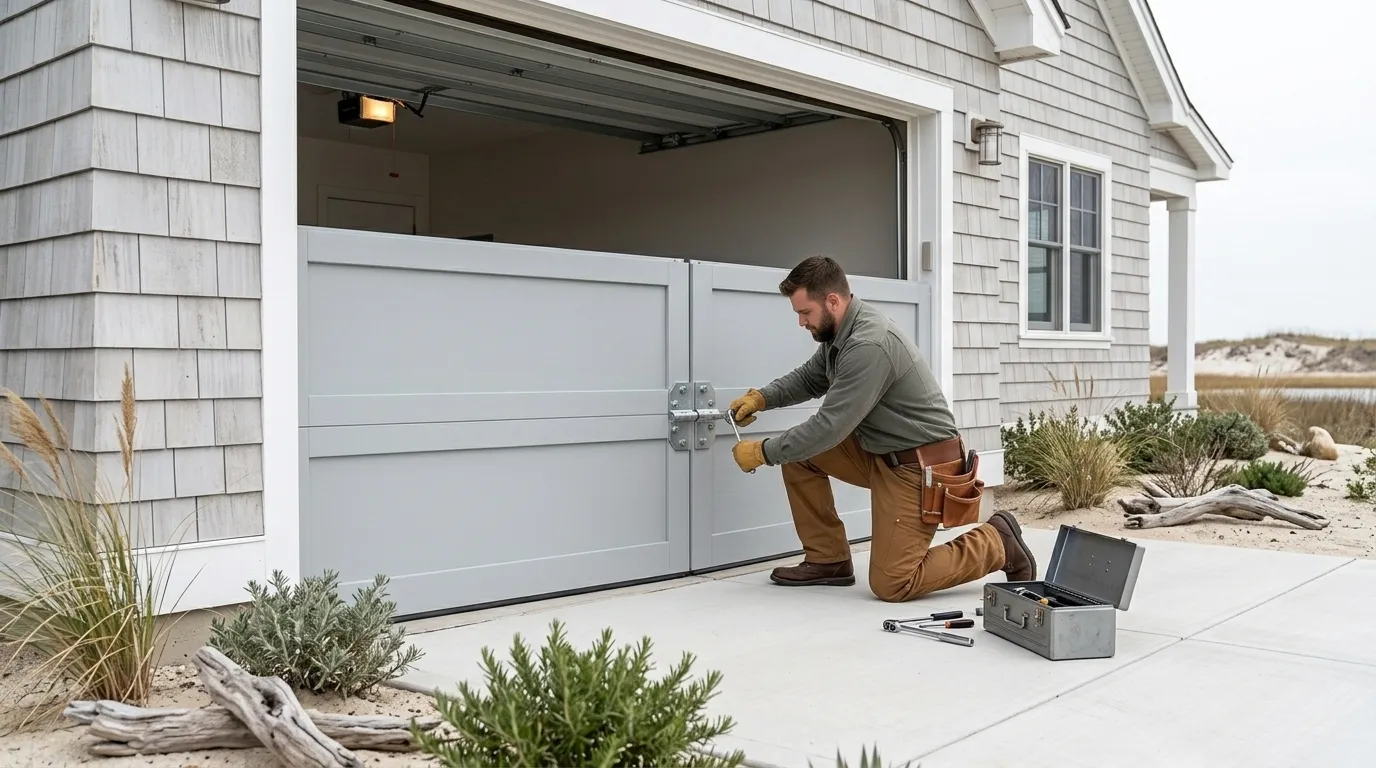
A technician tests the door under power and by hand and finds what actually failed.
03
Clear, up-front plan
You get the fix that’s needed and what drives the cost - before any work starts.
04
Repaired & tested
The repair is done, the door is set true and tested, and the work area left clean.
Serving Youngstown, OH - tell us what your door’s doing and we’ll take it from there.
Is someone stationed in New Middletown if my door breaks?
No. We work out of Youngstown and cover New Middletown as part of our regular route, about 10 miles out. We don't keep a truck parked in the area, so we won't promise a presence here we don't have - but broken-door calls get priority scheduling regardless of where they're coming from.
Why does my 1970s door keep breaking instead of just wearing out slowly?
Doors from this era often run on extension springs rather than torsion springs, and extension springs fail suddenly rather than gradually. Add fifty-plus years of severe cold-climate cycling and it's common for these systems to snap without warning instead of slowly getting worse.
Should I repair or replace a door this old?
If the panels are rusted or the track is badly warped, repair usually isn't worth it - we'll say so plainly. If the frame and panels are sound and it's a spring, roller, or cable issue, repair is almost always the cheaper and faster call.
Do you install safety cables on old extension spring setups?
Yes, and if your door doesn't have them, it's worth asking about when we're out for any other repair. Houses built before they were standard often never got them added later, which is a real risk if a spring lets go.