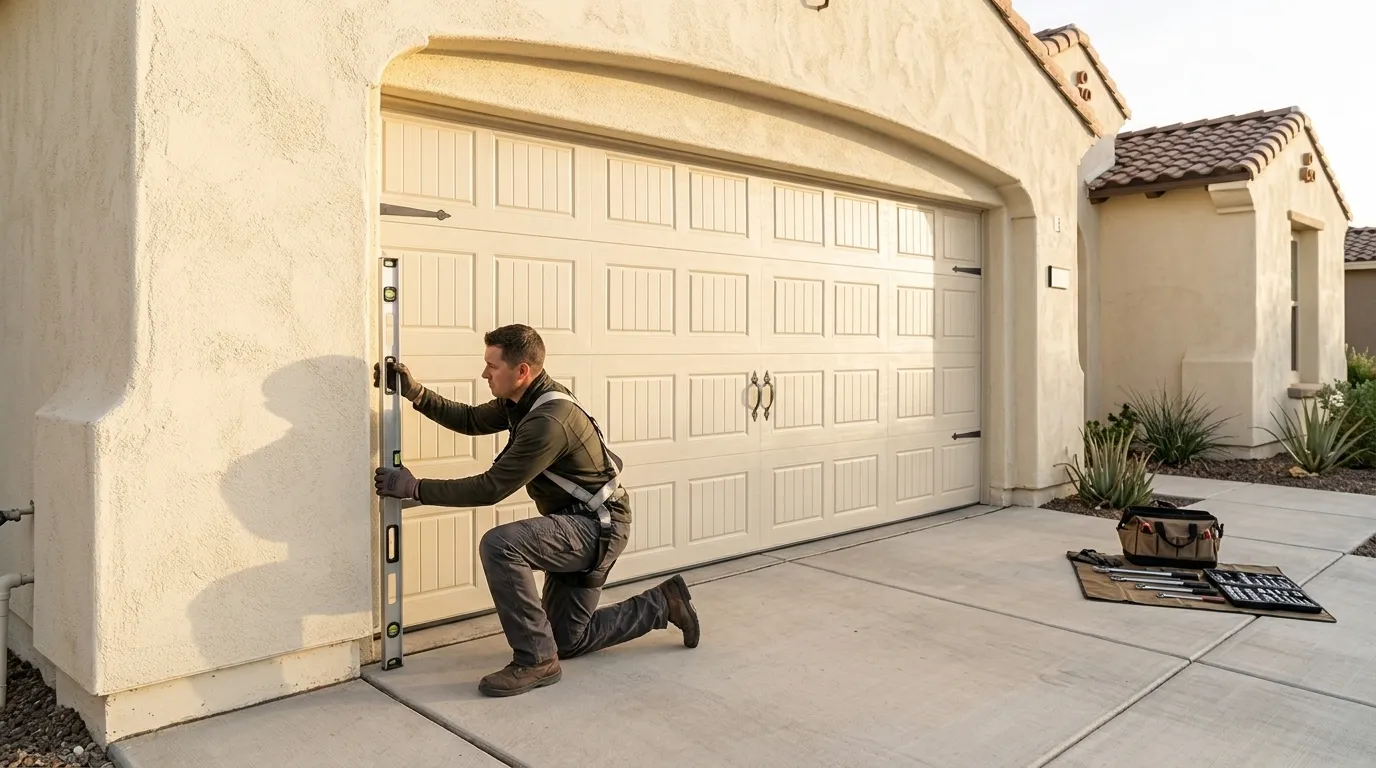
North Lima doesn't look like the rest of the Youngstown service area on paper, and it doesn't look like it on a driveway either. Across the wider area, most housing went up between 1938 and 2000 with a median build year around 1964, and a lot of that stock is 1960s and 70s construction. North Lima's median build year runs closer to 1981, a good fifteen-plus years newer than the area norm. That gap matters more than it sounds like it should. A house built in 1981 was framed for a different garage door than one built in 1963 - different rough opening standards, different header heights, different expectations for what hardware came stock from the builder. With only 437 households in this pocket (compared to the roughly 41,076 owner-occupied houses across the broader service area, F6), North Lima is a smaller, more uniform build era than most of the towns we cover. That uniformity actually helps us - when we know the vintage, we know roughly what's behind the trim before we open the panel.
What That Means for Doors
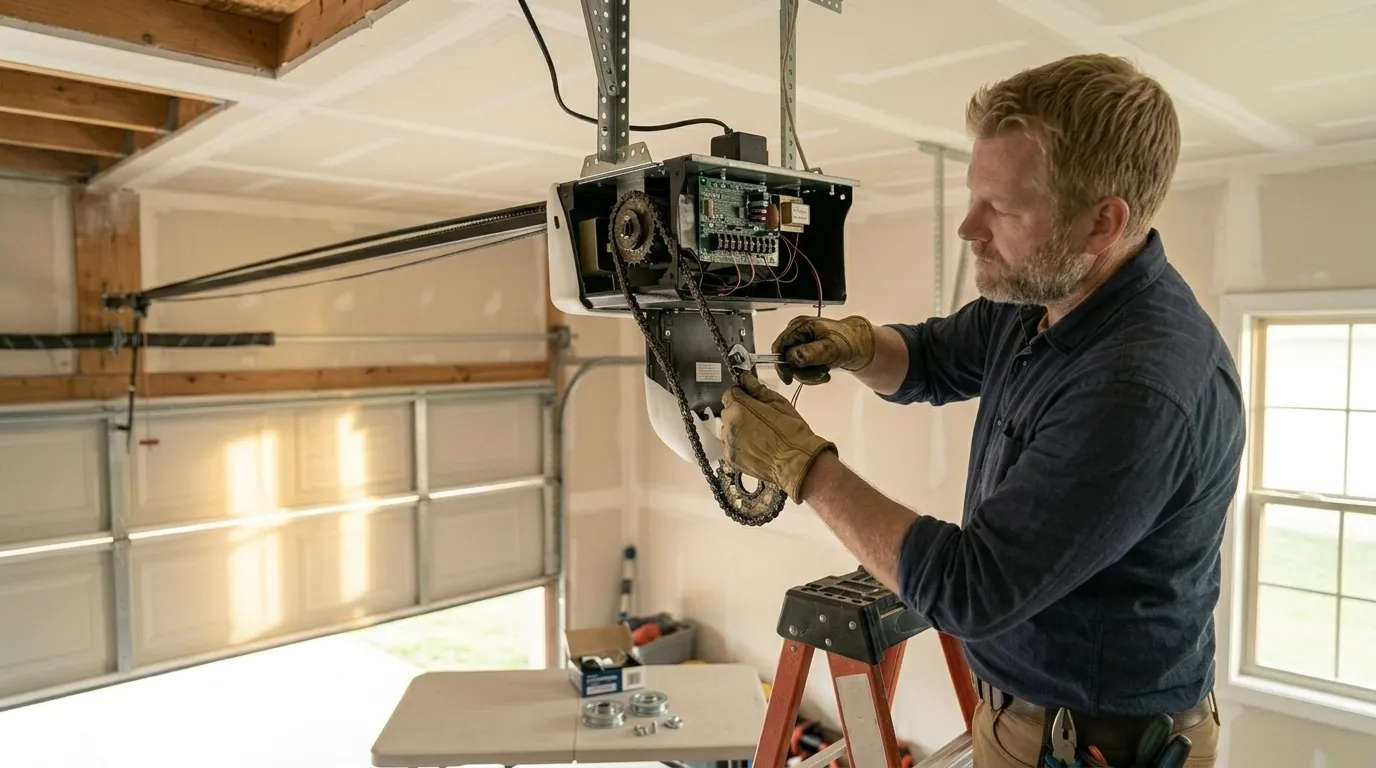
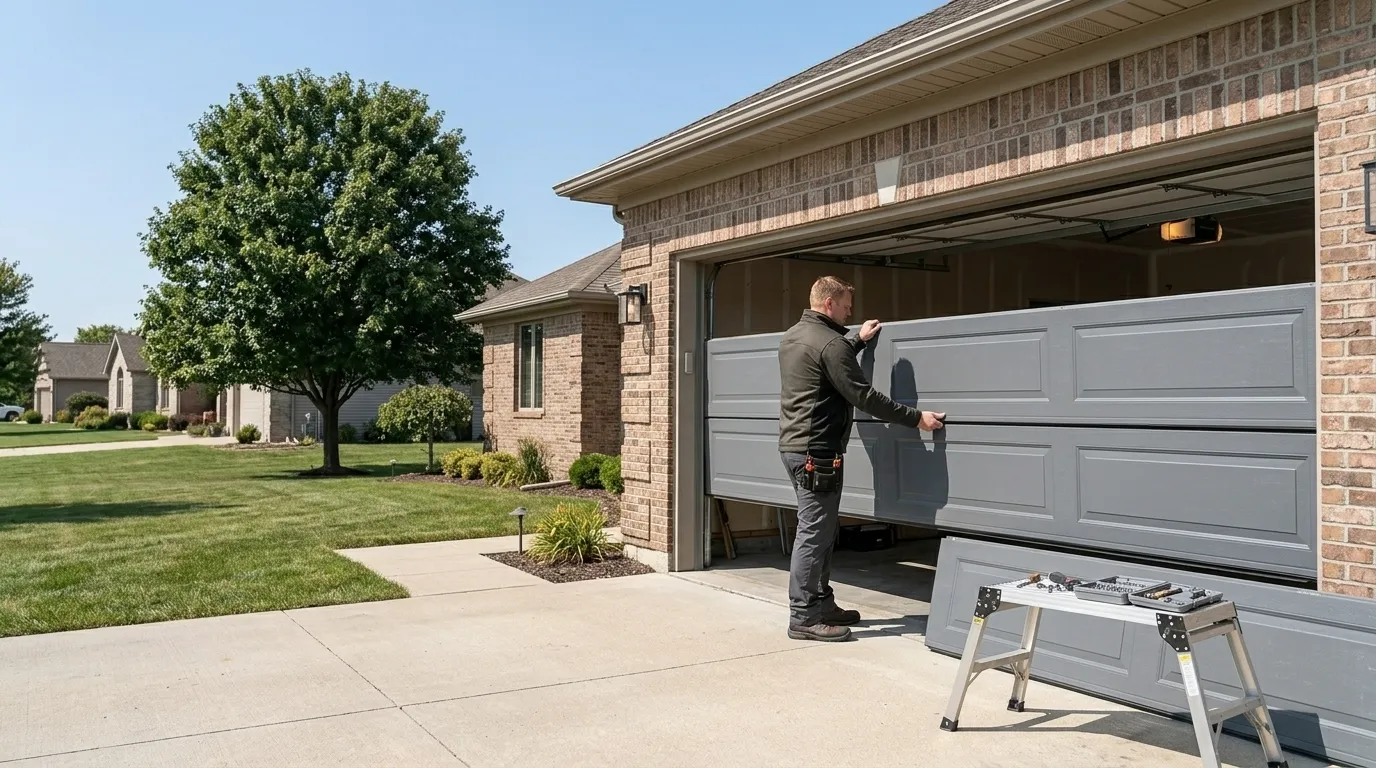
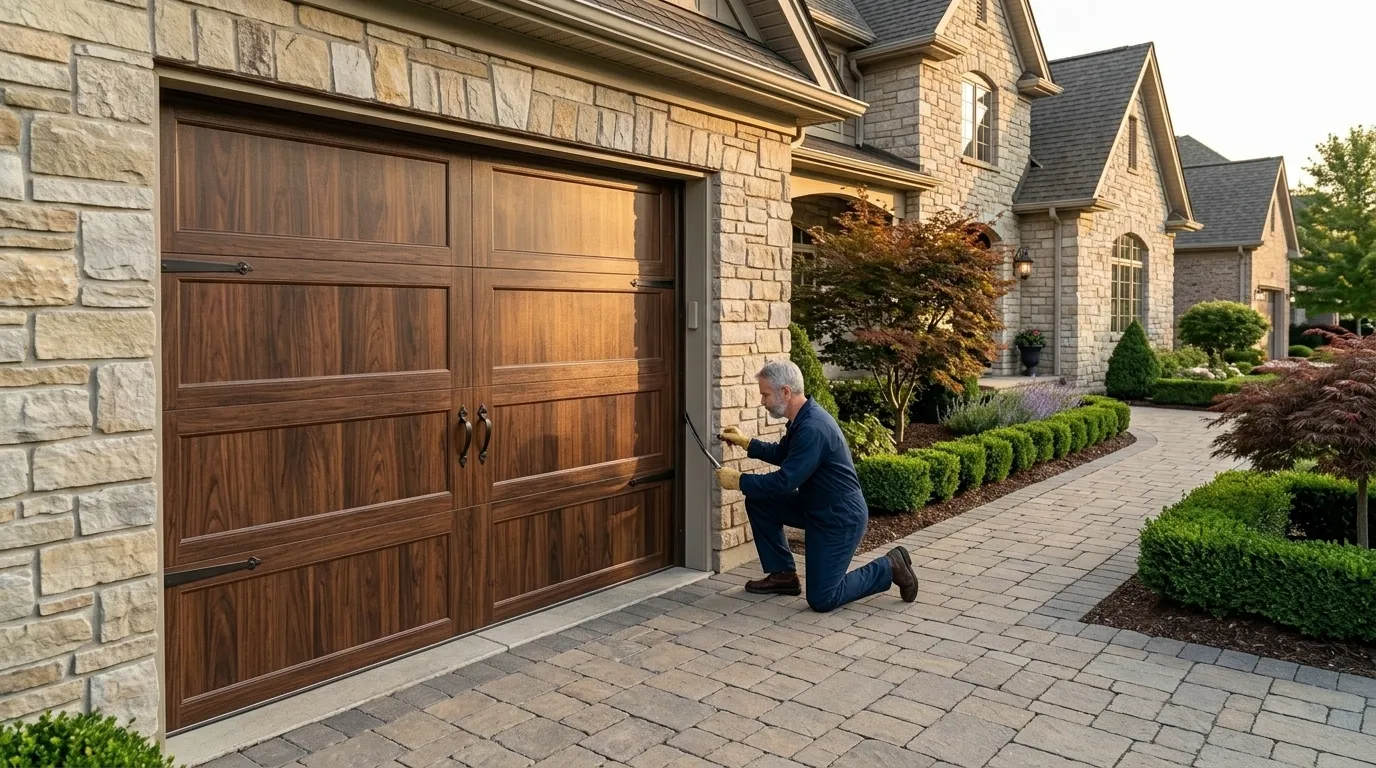
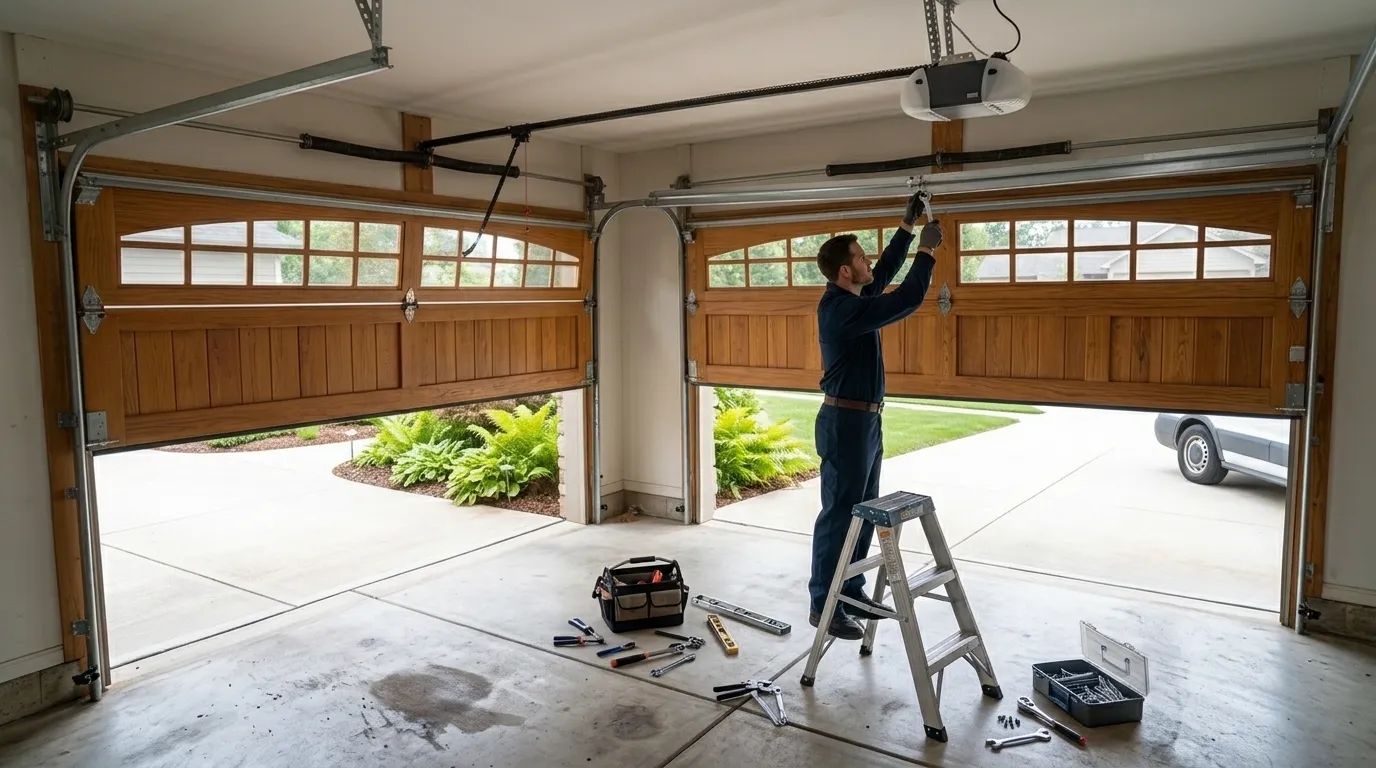
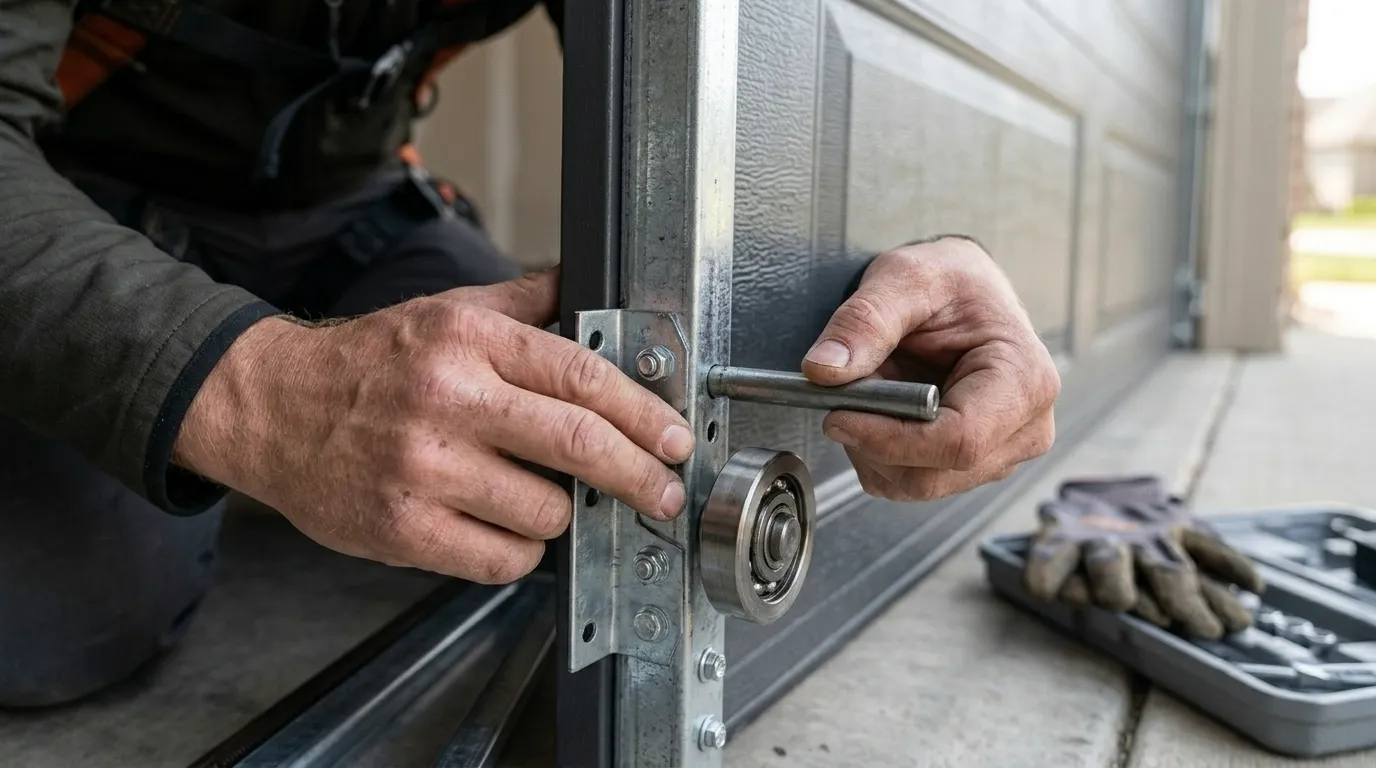
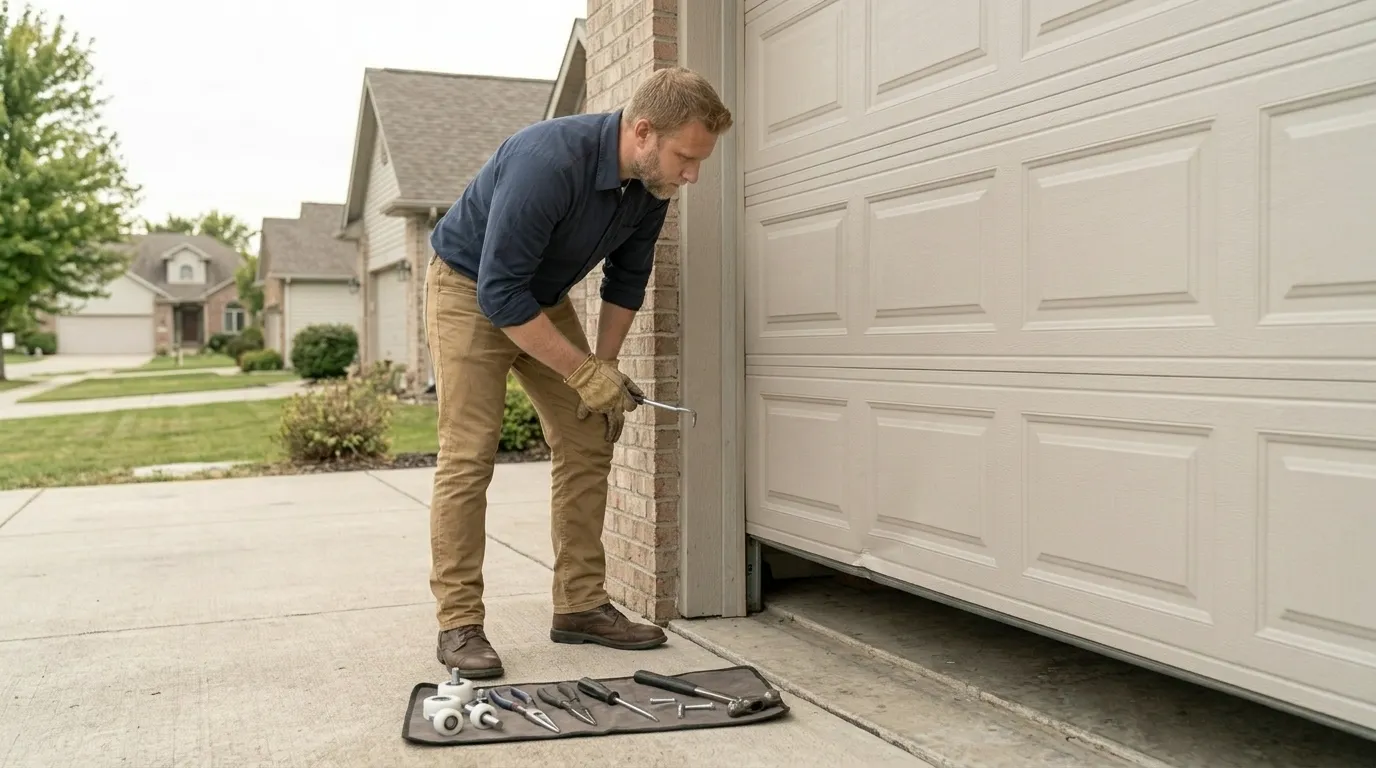
An 1981-era door is not the same animal as the one-piece, side-mounted torsion setups common in the older 1960s stock nearby. By the early 80s, extension springs and centered torsion bars over the header were standard on most tract construction, and steel raised-panel doors had mostly replaced wood. That means the common failure here is different too: extension spring cable fraying, worn nylon rollers, or opener gear-sets that just aged out after four decades, rather than the seized, oversized torsion hardware you find on older doors elsewhere in the area. We still see the occasional older infill house with different bones, and we don't assume - we look at what's actually mounted before quoting a fix. One honest limit: on a handful of older or oddball builds we sometimes have to order a bracket or drum that isn't a same-day part, and we'll tell you that up front rather than guess.
When We Can Get There
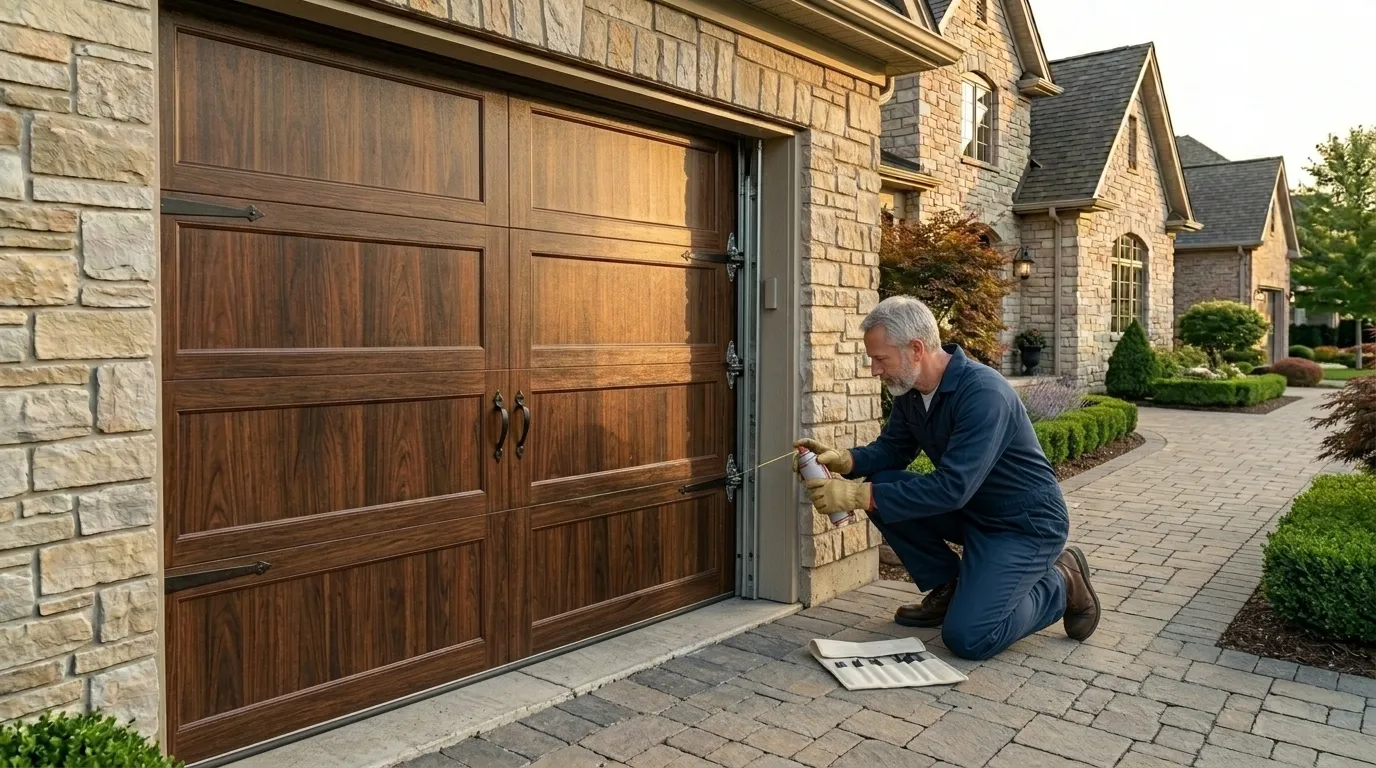
We run out of Youngstown, and North Lima sits about 10 miles out - not our closest stop, but a regular one on the west side of the coverage map. We don't keep a depot here, so we're not claiming a walk-up counter or a guaranteed same-hour window; we're a truck coming from Youngstown, same as we are for Poland or Canfield close by. What we do bring is familiarity with the 1981-median build pattern that defines this pocket, which cuts down on guesswork once we're on site. The severe cold winters this region sees hit steel doors and their springs the same way whether the house is from 1964 or 1981 - cold-stiffened lubricant and metal fatigue don't care about build year - so seasonal spring failures are still the most common reason for a call out here.
The Calls We Get From Here
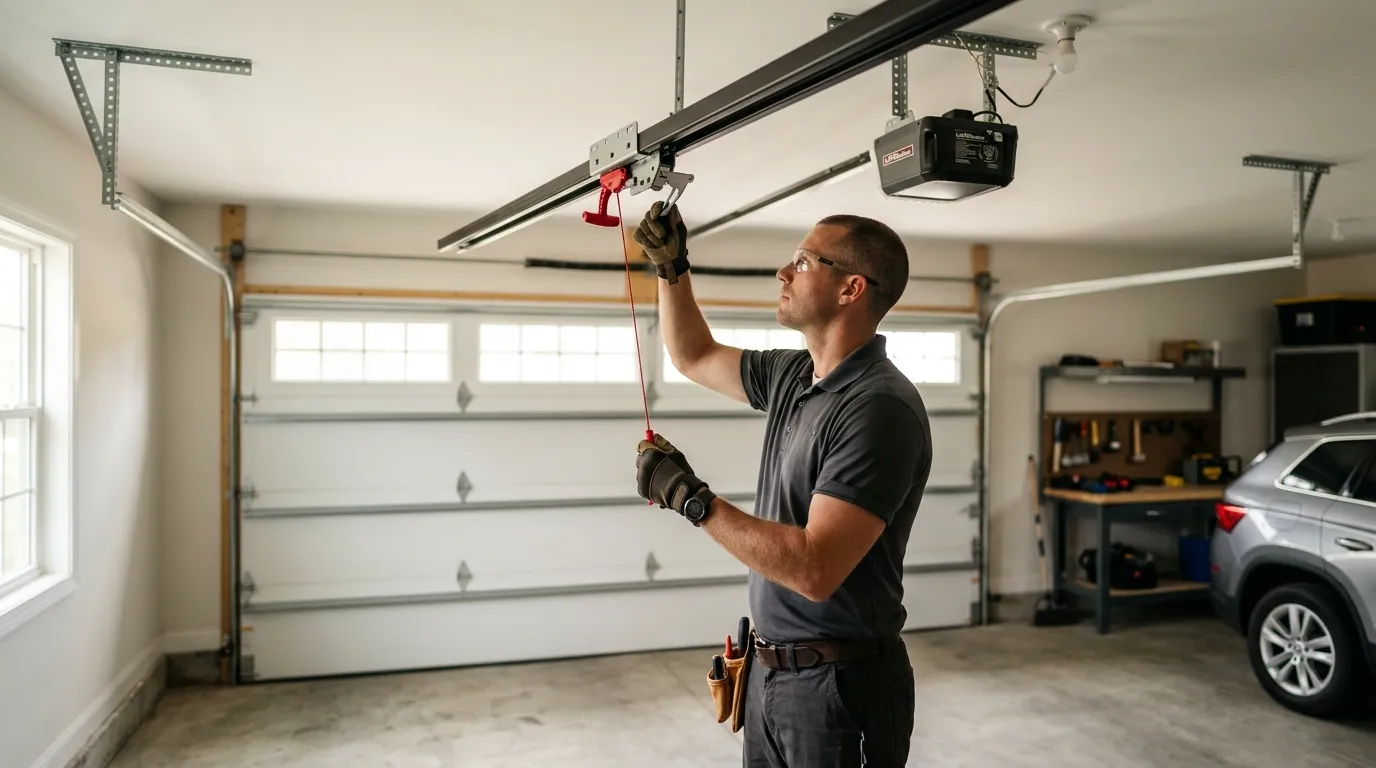
Most calls from North Lima are openers that finally quit after running fine for thirty-plus years, or extension springs that snap on a cold morning - consistent with a housing stock centered on 1981 rather than the older torsion-bar failures we see closer to the 1960s core of the service area. We also get calls about roller noise on steel panel doors nearing the end of their service life, which tracks with a neighborhood old enough now that original hardware is wearing out but not so old it needs a full structural rework. Median household income here runs around $94,844, noticeably higher than the roughly $60,598 area median, and we notice it in the calls - more owners here ask about full opener upgrades rather than patch repairs, since replacing rather than nursing along an aging part is often the more practical call. We'll always tell you honestly which one makes sense for your door.
How it works
From “it’s stuck” to “it’s fixed”
01
Tell us what’s wrong
Describe the symptom - won’t open, loud bang, opener runs but the door won’t move.
02
On-site diagnosis
A technician tests the door under power and by hand and finds what actually failed.
03
Clear, up-front plan
You get the fix that’s needed and what drives the cost - before any work starts.
04
Repaired & tested
The repair is done, the door is set true and tested, and the work area left clean.
Serving Youngstown, OH - tell us what your door’s doing and we’ll take it from there.
Is North Lima's garage door stock different from the rest of the Youngstown area?
Yes. The wider service area centers on homes built in the 1960s and 70s, but North Lima's median build year is closer to 1981. That means extension-spring torsion setups and steel doors are more common here than the older side-mounted torsion hardware found on older stock nearby.
Do you have a shop or depot in North Lima?
No. We run out of Youngstown, about 10 miles away, and North Lima is a regular stop on our route, not a location with its own counter or dedicated crew.
Why did my opener fail out of nowhere?
A lot of North Lima houses are now old enough that original openers, installed when the home was built around 1981, are simply reaching the end of their mechanical life. Gear-sets and circuit boards from that era don't get a warning before they quit.
Does the cold really affect the springs that much?
Yes. This region sees a severe cold climate band, and cold-stiffened lubricant combined with metal fatigue is still the leading cause of spring failure calls here, regardless of when the house was built.