Struthers sits about 4 miles from our shop in Youngstown, and the housing here tells you a lot before you even open the garage. The median home in this area went up around 1951 - a good ten to fifteen years earlier than the median across the wider service territory, where the range runs 1938 to 2000. With roughly 4,394 households packed into a smaller, older footprint, you're looking at a lot of original construction: narrower driveways, single-car bays built before doors got as wide or as heavy as they are now, and openers that have been swapped out two or three times over the decades while the door and track stayed put. Median household income here runs about $51,894, below the wider area's $60,598, which we mention only because it shapes the calls we get - more repair requests, fewer full replacements, and a lot of interest in getting one more season out of what's there before committing to new. None of that is a knock on the town. It just means the fixes we're doing on this side of the valley skew toward older hardware than what we see closer to Youngstown itself.
What That Means for Doors
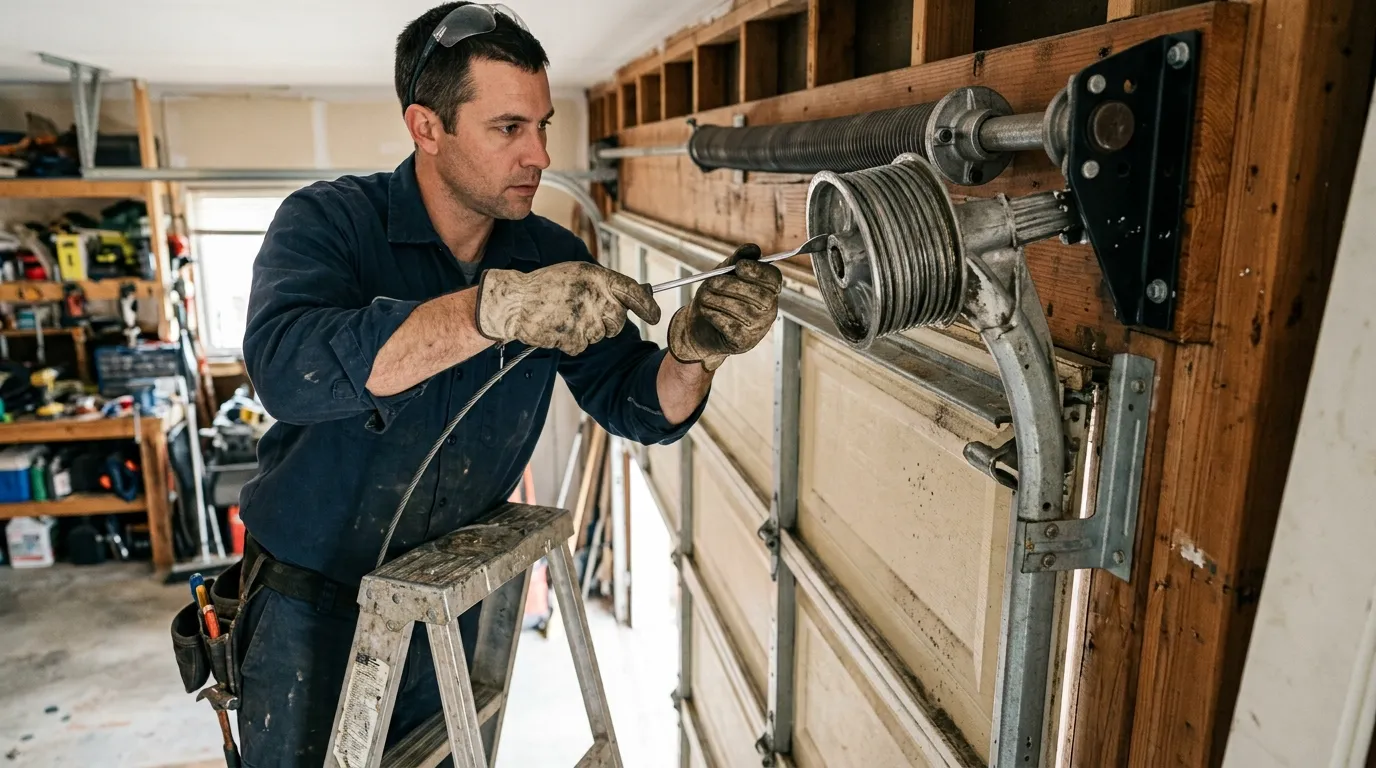
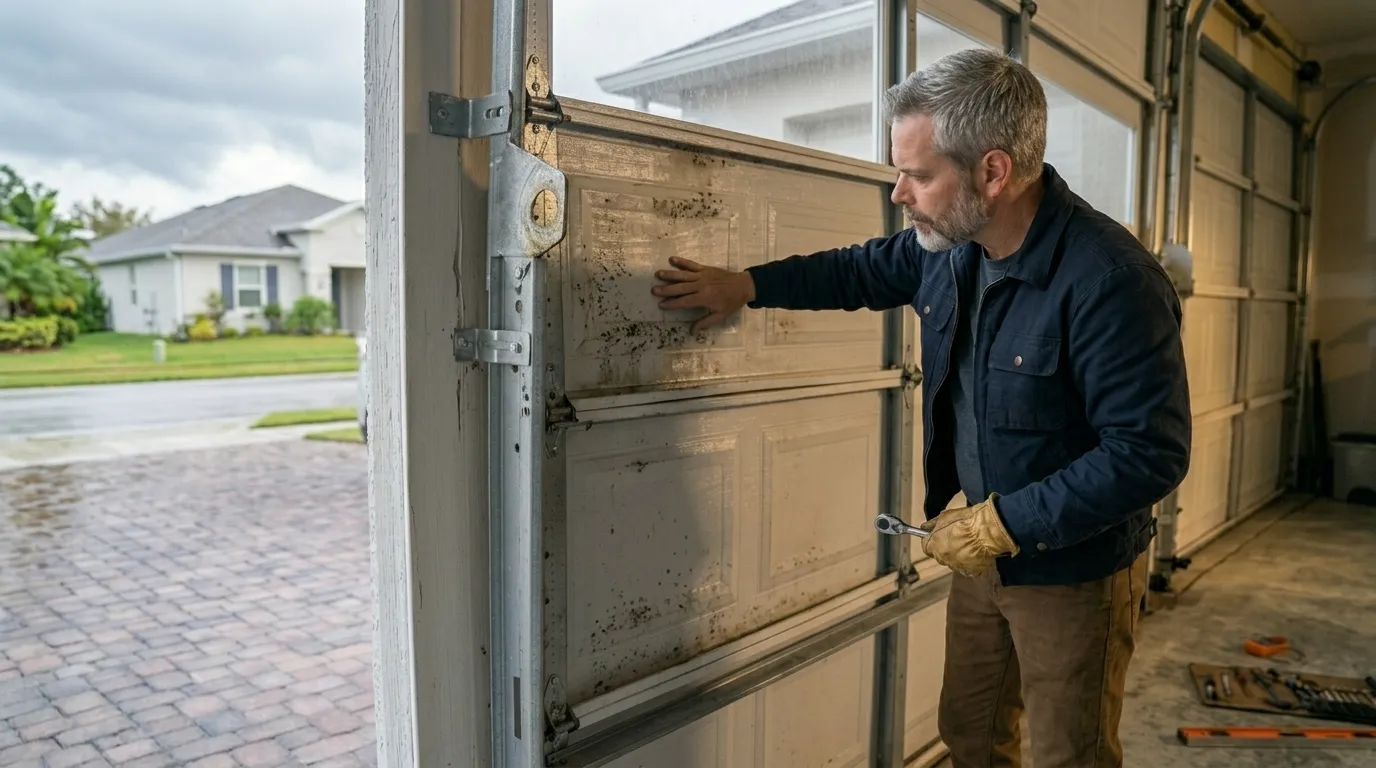
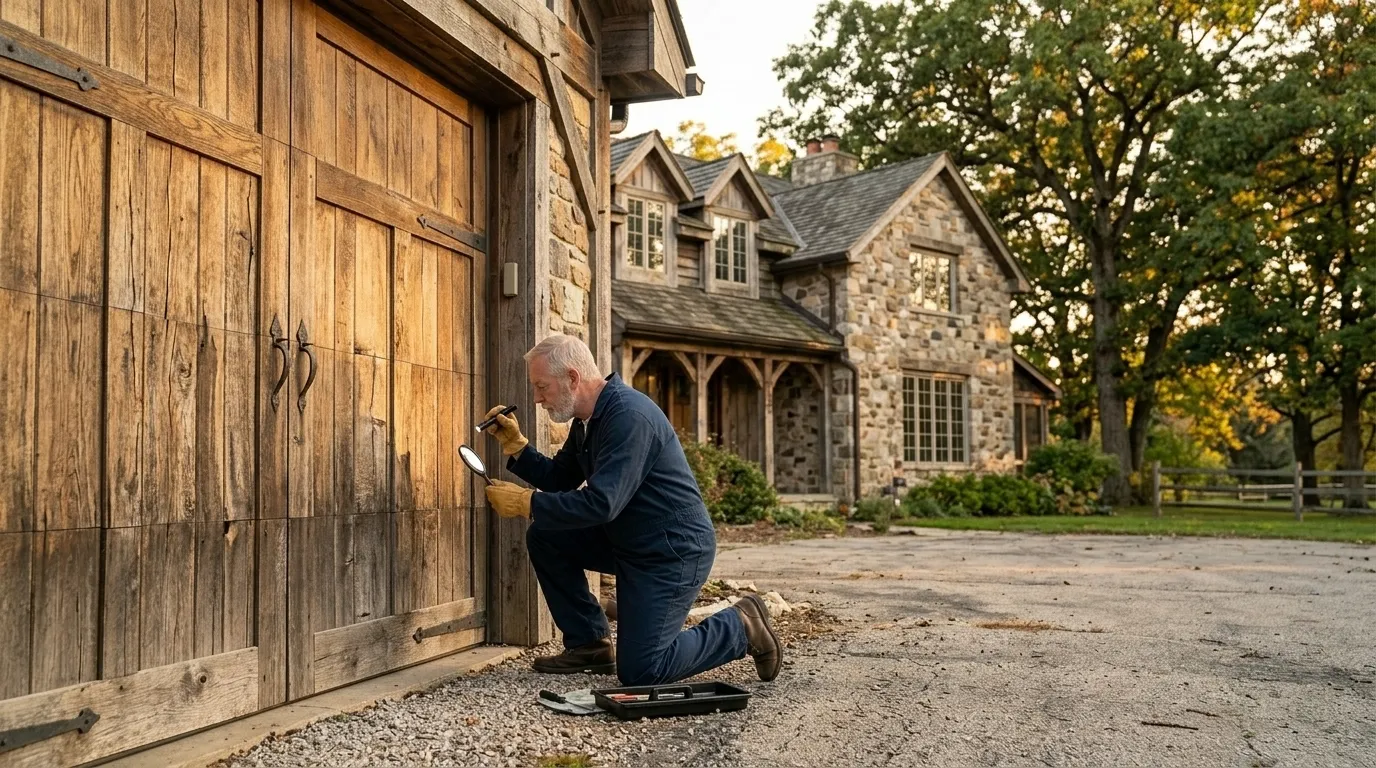
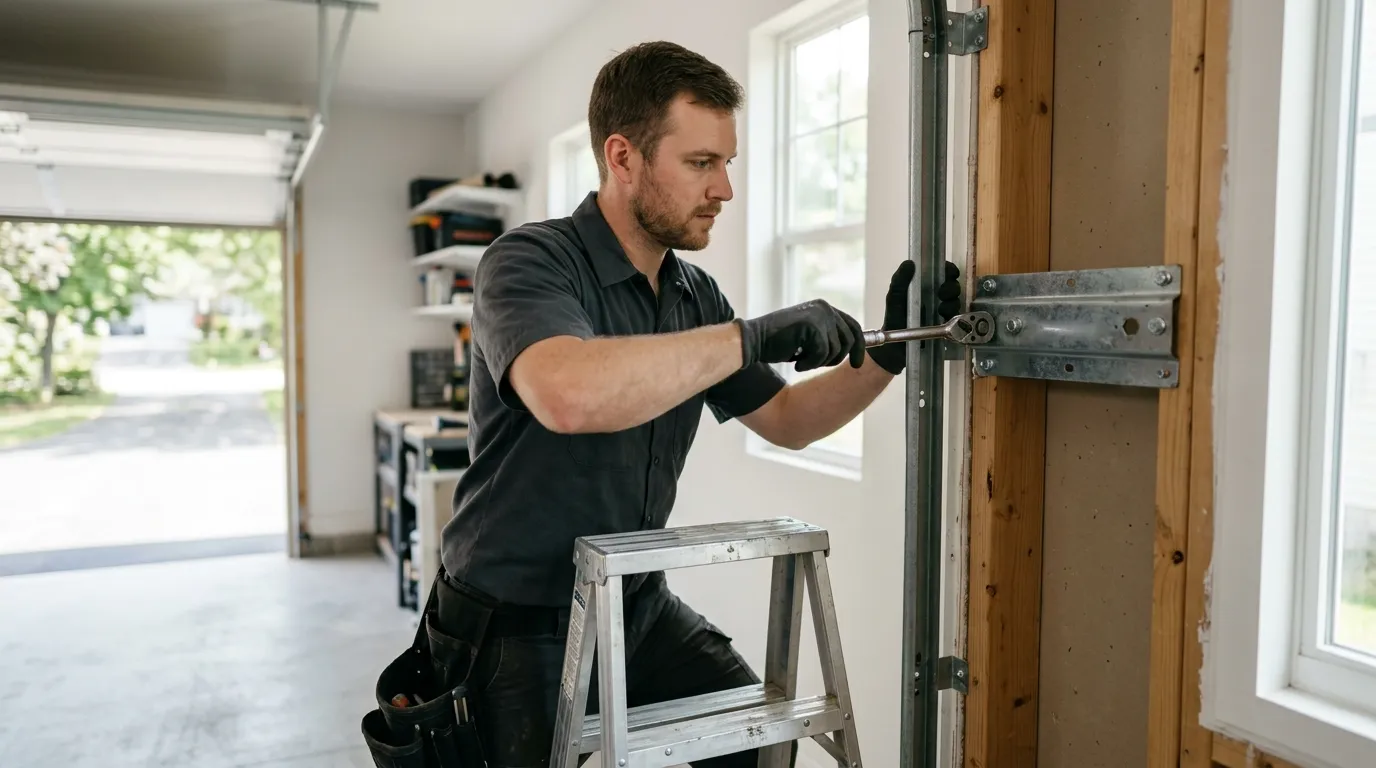
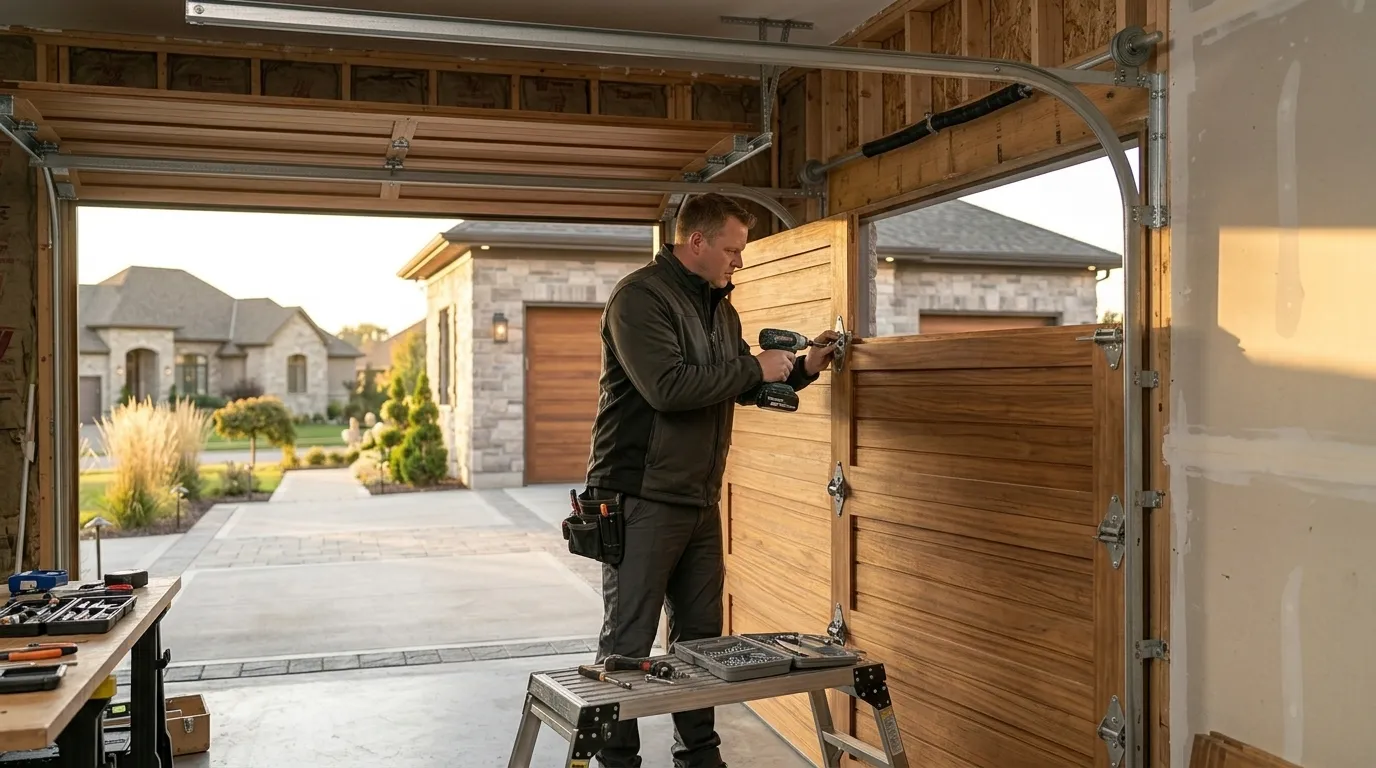
A door installed when the house was built in the early 1950s was almost never replaced on the same schedule as the opener. What we typically find in a 1951-era Struthers garage is a steel or wood-composite door on side-mounted hardware, sometimes still running on the original torsion or extension spring setup, married to an opener from the 1990s or 2000s bolted on later. That mismatch is where the trouble starts. Rollers worn oval, track bent from decades of a slightly-too-heavy door riding on hardware sized for a lighter one, brackets rusted from 70-plus years of freeze-thaw. It's not that these doors are badly built - a lot of them are sturdier than what gets installed today - it's that the parts stores don't stock what they need anymore, and a universal replacement bracket doesn't always sit right on an original frame. We carry stock for common sizes, but a true original-spec part sometimes has a lead time we can't shorten, and we'll tell you that up front rather than promise a same-day fix we can't deliver.
When We Can Get There
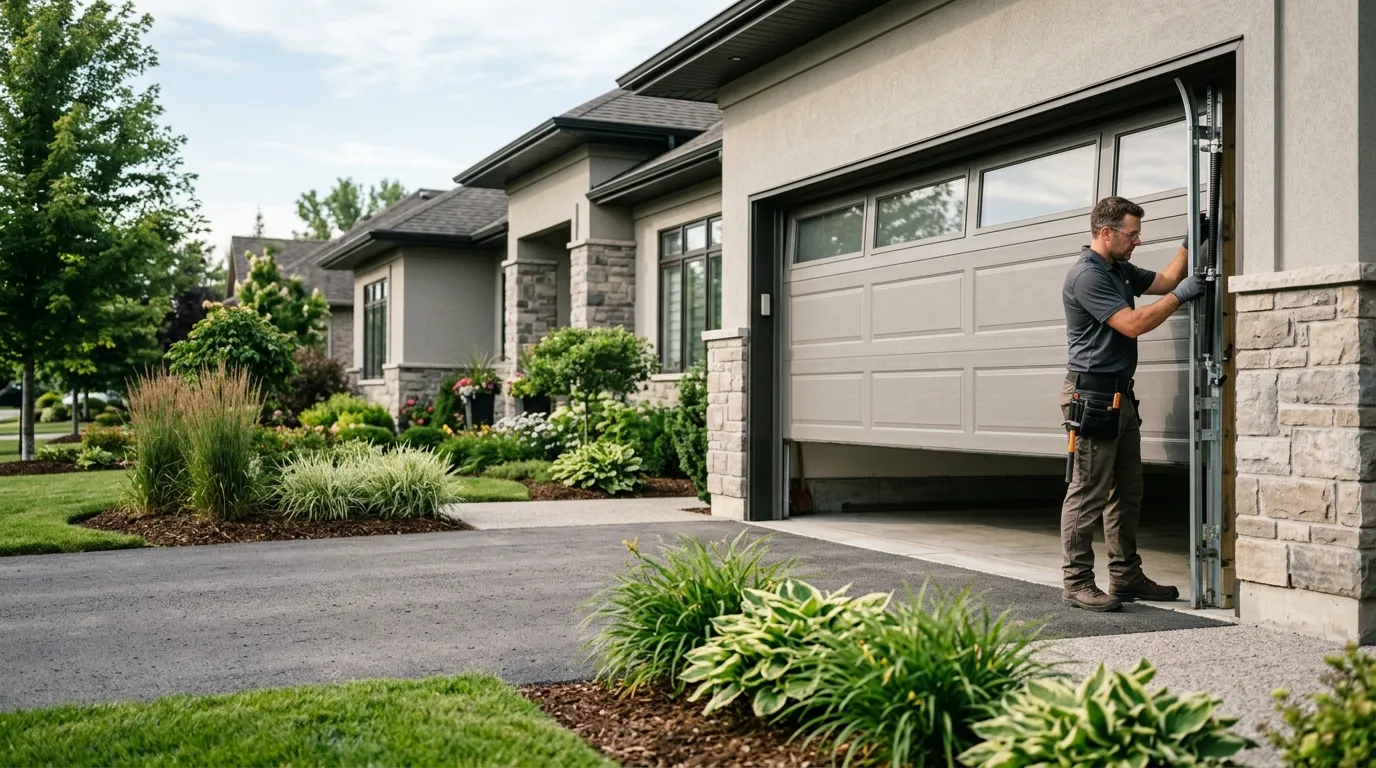
We run out of Youngstown, about 4 miles from Struthers, and we don't keep a separate crew or depot on this side of the river - every call here is a truck coming from the shop. That's a short drive, not a long one, but we're not going to claim a guaranteed window we haven't earned. What we can tell you is that the distance itself isn't the obstacle; the weather sometimes is. This region sits in a severe cold climate band, and a stuck door on a January morning with a frozen slab seal or a spring that's lost its temper in the cold is a different job than the same complaint in June. We schedule around that reality rather than pretend it away.
The Calls We Get From Here
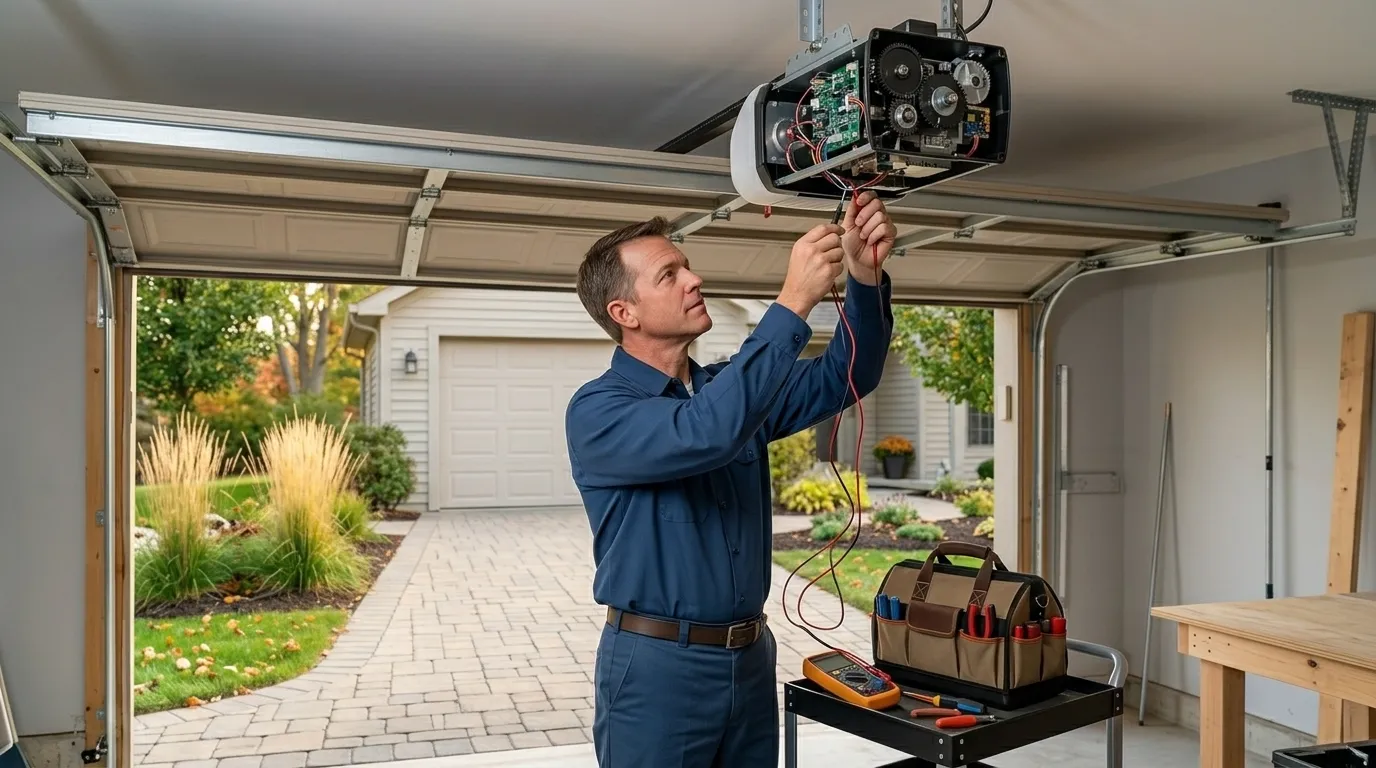
Given the housing stock, the calls from Struthers lean toward specific, recognizable problems: a torsion spring that finally gives out after decades of use, a bottom panel rotted or dented from age rather than accident, an opener that's outlived two or three logic boards and just quit for good, and cold-weather binding where an older door swells or the track shifts slightly out of plumb after a hard freeze. We also get calls from owners weighing repair against replacement on a door that's been patched more than once - that's a real decision, and with median income here below the area average, we understand why a lot of owners want the honest math on which way is cheaper over five years, not just which fixes today's symptom. We'll give you that math instead of just the invoice.
How it works
From “it’s stuck” to “it’s fixed”
01
Tell us what’s wrong
Describe the symptom - won’t open, loud bang, opener runs but the door won’t move.
02
On-site diagnosis
A technician tests the door under power and by hand and finds what actually failed.
03
Clear, up-front plan
You get the fix that’s needed and what drives the cost - before any work starts.
04
Repaired & tested
The repair is done, the door is set true and tested, and the work area left clean.
Serving Youngstown, OH - tell us what your door’s doing and we’ll take it from there.
Why does my garage door in Struthers act up more in winter?
A lot of Struthers homes date to around 1951, and the original hardware wasn't built for today's insulation standards or today's heavier doors. Add in a severe cold climate and you get springs losing tension, seals shrinking, and tracks binding when the slab shifts with a hard freeze. It's a seasonal pattern we see a lot on this side of the valley.
Do you have a shop in Struthers?
No. We run out of Youngstown, about 4 miles away, and every job here is a truck coming from that shop rather than a local depot. The distance is short, but we won't promise a response window we haven't earned - we'll give you a straight answer when you call.
Is it worth repairing an old door instead of replacing it?
Often yes, especially on original 1950s-era doors that are structurally sound but have failing hardware. We'll look at the specific wear - spring, track, panel - and give you the real cost comparison rather than pushing a replacement. Sometimes replacement genuinely is cheaper over a few years; we'll say so when it is.